
Star cacti (Astrophytum) are a genus of cacti belonging to the Cactaceae family. They get their name from the unique shape of their stems, which resemble a star composed of several ribbed segments. They are popular among cactus collectors due to their unusual appearance and vibrant flowers.
What is a star cactus?
Star cactus is the common name for a group of ornamental indoor cacti of the genus Astrophytum, best known for their unusual appearance. They received their nickname from the characteristic shape of their stems, which have five to six evenly spaced ribs, resembling a star.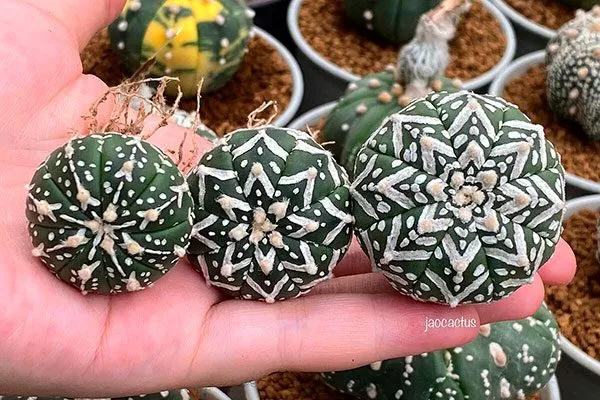
The surface of the stem is covered with short white bristles or dots, giving the plant a unique silky sheen.
Key features of the star cactus include:
- Symmetry of forms: The uniform distribution of rays and clear geometric shape make this cactus visually attractive.
- Small dimensions: Most representatives of this genus are compact, rarely exceeding a height of 10-30 cm.
- Vibrant bloom: Large flowers appear in early spring and delight with a bright palette of yellow, orange and red hues.
- Slow development: These plants grow quite slowly, increasing in size by literally 0.6-1 mm every year.
- Rarity: Many species are threatened with extinction due to climate change and loss of natural habitat.
- Uniqueness of coloring: Different varieties exhibit variations in shades of green and grey, highlighting the decorative qualities of each individual plant.
Characteristics of star cacti
Star cacti are charming and exotic plants that require special care (but not too complicated) and attention from succulent lovers.
Form and structure
Star cacti have unique characteristics that distinguish them from other species:
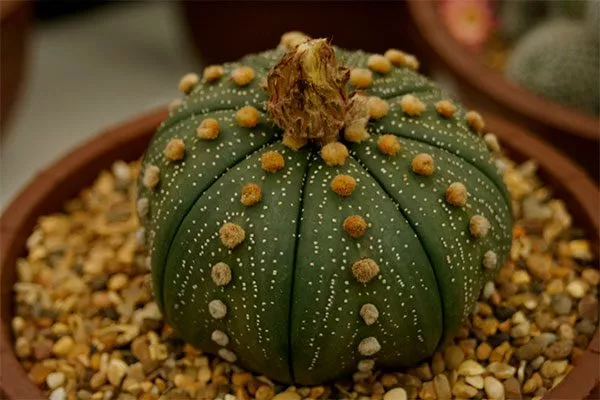
- Stem: Covered with soft white or silvery hairs or small whitish scales, giving it a velvety appearance. These hairs protect the plant from the sun and help retain moisture.

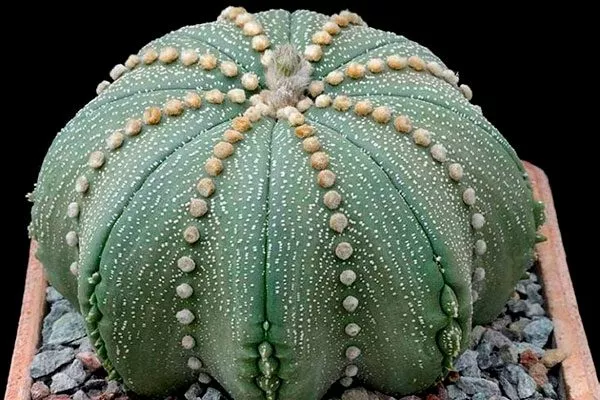
- Ribs: The ribs are clearly defined and arranged radially around the center of the plant, creating a star-shaped appearance with five or six rays. Small tubercles or papillae are often visible on the surface of the ribs.
- Size: ranges from miniature specimens measuring about 5-7 cm to large individuals with a diameter of up to 30 cm.
- Root system: superficial and branched, promoting the effective absorption of moisture even from shallow soil layers.
Bloom
These plants are famous for their bright buds, which are one of their main decorations:
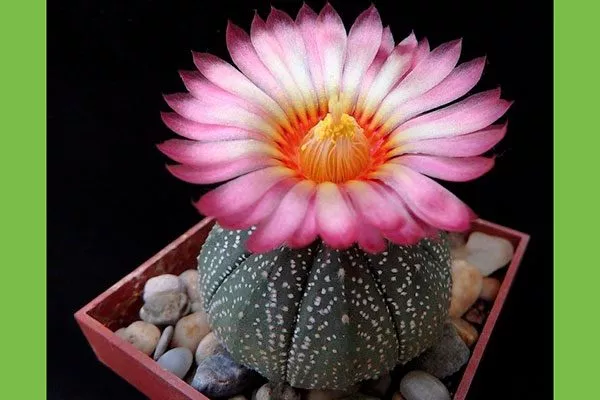
- Color: The shades vary from deep lemon to golden yellow, and specimens with red or pink petals are less common.
- Flower diameter: usually ranges from 5-8 cm, reaching a maximum of about 10 cm.
- Flowering period: The flowering season lasts from spring to early summer, with individual buds lasting from a few hours to a couple of days.
- Aroma: Some species have a faint pleasant aroma, especially noticeable in the morning and evening.
Origin and homeland
Star cacti (genus Astrophytum) are native to Mexico and the southwestern United States. Their primary distribution areas include Texas, New Mexico, Arizona, and Chihuahua, where they thrive in dry deserts and semi-deserts, on rocky slopes, and in limestone soils.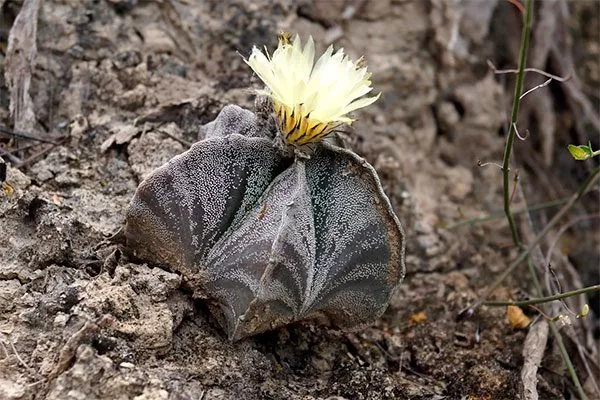
Other aspects:
- The origin of the name stems from the plant's appearance: the word astrophytum comes from the Greek roots aster (star) and phyton (plant), as the stem's appearance resembles a multi-rayed star. It is this feature that led to the name given to this group of cacti.
- There are several species of star cacti in nature, including A. asterias (sea star), A. myriostigma (bald cactus), and A. capricorne (goat's horn). Each has a unique structure and growth habits that reflect the conditions of their natural habitat.
- They inhabit dry, rocky areas with little rainfall.
The most common varieties of star cactus
The most common varieties of star cactus are characterized by different shapes, sizes and stem structures.
Astrophytum asterias
Astrophytum asterias (Star Cactus) is a small, spherical cactus native to Mexico. Its distinctive feature is the wide white stripes on its green body, creating a star-like effect.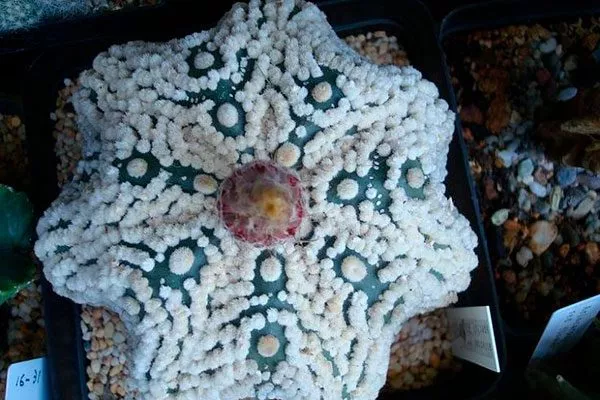
The plant is covered with fine, soft hairs and sparse spines. Astrophytum asterias grows to 8-10 cm in diameter and produces yellow flowers about 5 cm in diameter. The cactus prefers bright sunlight, well-drained soil, and limited watering.
Astrophytum myriostigma
Astrophytum myriostigma, or polychyphae, is a member of the genus Astrophytum. It is a small columnar cactus, reaching a height of approximately 30-40 cm. This species is distinguished by its lack of ribs and a smooth, greenish-gray stem covered with white dots and small bristles.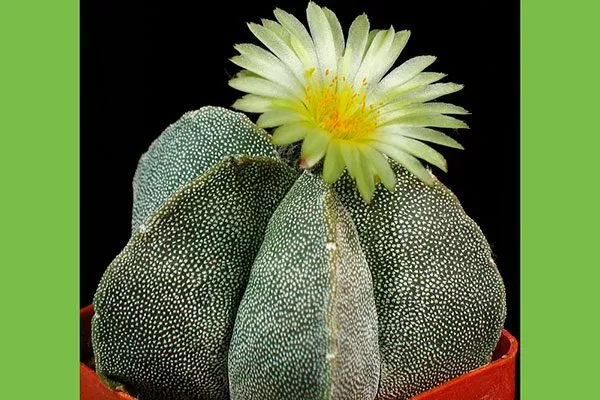
It blooms with large yellow flowers. This polychyphae is easy to care for and is suitable for indoor growing. It prefers bright light, regular but moderate watering, and good drainage.
Astrophytum ornatum
Astrophytum ornatum, or decorated, stands out among other species in the genus for its decorative appearance. Like most astrophytums, it has a spherical or cylindrical body, adorned with deep grooves running along the entire trunk.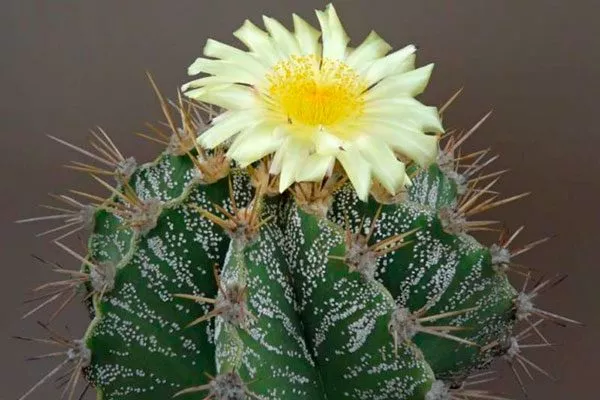
These furrows are covered with snow-white stripes and speckles, creating a unique pattern reminiscent of marble. The name "ornatum" literally means "decorated," emphasizing the special beauty of this plant.
It blooms with large, bright yellow flowers with a red center, reaching up to 8 cm in diameter. It has no leaves, and its body is covered with sparse, thin spines and small, fluffy hairs. Astrophytum ornatum is prized by collectors for its unique appearance and relative ease of cultivation.
Astrophytum asterias
Astrophytum asterias, also known as the sea star, is a miniature member of the cactus family native to North America (Texas and Mexico). It is characterized by a rounded shape, covered with distinctive radial white stripes and fine white hairs, giving the plant an unusual suede-like sheen.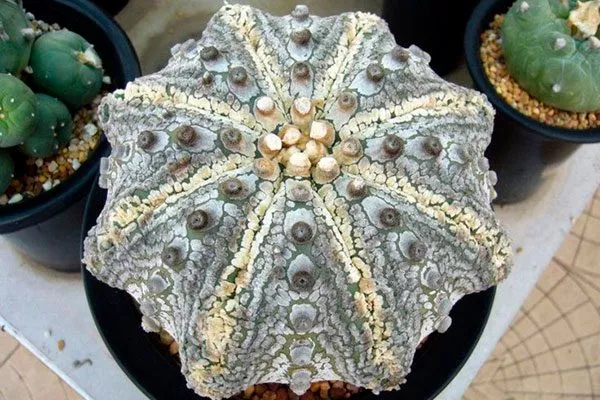
Adult specimens typically range in diameter from 5 to 10 cm. Adult specimens can form small branching heads (pupae), eventually developing into entire clusters of small star-shaped cacti.
The plant is particularly drought- and heat-resistant, preferring bright sunlight and light, sandy soil. It requires very little watering, especially in winter, when the dormant period is most important. Asterias blooms in the spring, producing large, vibrant yellow flowers that often exceed the size of the cactus itself.
Astrophytum coahuilense
Astrophytum coahuilense is another interesting member of the Astrophytum genus. This cactus grows primarily in the Mexican state of Coahuila, from which it gets its name. The plant's appearance is characterized by an elongated oval or short columnar body, up to 20-30 cm tall and 10-15 cm wide.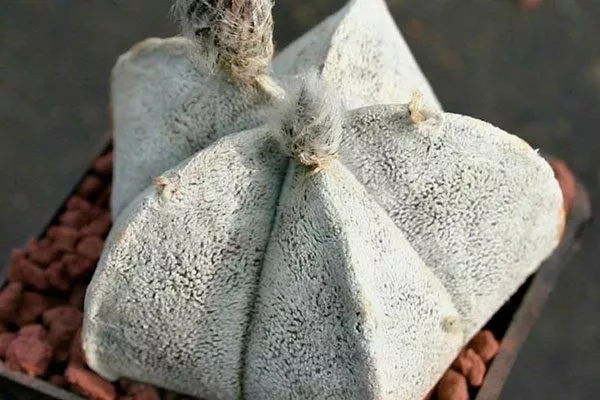
Peculiarities:
- The surface of the stem is densely covered with short grayish hairs and small thorns.
- It blooms with large golden-yellow flowers about 5-7 cm in diameter.
- Can form lateral shoots (babies), increasing the group of plants.
Unlike many other Astrophytums, A. coahuilense prefers partial shade and higher humidity, although it still requires good light and dry conditions during the winter. For successful growth, it requires a high-quality, loose, well-drained substrate.
Astrophytum Kabuto or Super Kabuto
Astrophytum Kabuto belongs to a group of hybrid forms of Astrophytum created by Japanese breeders. The word "Kabuto" itself comes from the Japanese word for a samurai helmet, as the shape of these cacti resembles ancient military headgear.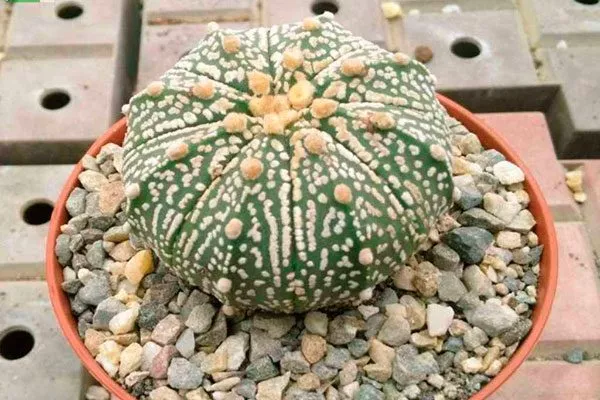
Main characteristics of Astrophytum Kabuto:
- Plant shape: compact, sometimes spherical or elongated, sometimes of a bizarre shape.
- Coloring: usually monochromatic, varying from light green to dark green.
- Surface features: the absence of spines and hair, instead of which there are unusual protruding structures that give them a unique appearance.
- Dimensions: usually small, from 2-3 to 10-15 cm in height.
Super Kabuto is a unique group of cultivars characterized by extreme deformation and the absence of familiar elements such as hairs and needles. Growing them requires experience and meticulous care, including strictly controlled conditions such as temperature, humidity, and soil composition.
Head of Medusa
Astrophytum Medusa Head is a cactus species renowned for its distinctive shape and unique name. This group includes various cultivars and hybrids of Astrophytum, specially developed through selective breeding and crossbreeding.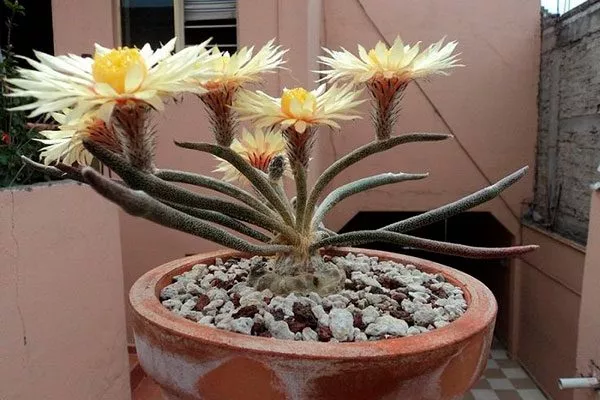
The plant's shape resembles the head of the mythical creature Medusa the Gorgon—a compact base that flows smoothly into numerous long, sinuous shoots reminiscent of snake heads. This combination makes this variety unique and an attractive collector's item.
Key Features:
- Miniature in size (usually less than 10 cm), easily fits into small pots.
- There are no classic thorns or long needles, only small warts or soft hairs on the surface.
Astrophytum myriostigma
Astrophytum myriostigma, known as the ribless cactus, is one of the most popular members of the genus Astrophytum. This cactus is characterized by its unusual shape and the lack of clearly defined ribs common to many other cacti.
Main characteristics:
- Compact body shape, resembling a cylinder or short column.
- Smooth surface with small bumps and white dots.
- Very short spines or no spines at all.
- The height of an adult varies from 10 to 30 cm.
- It blooms with large yellow flowers up to 5-7 cm in diameter.
Astrophytum capricorne
Astrophytum capricornum is a small cactus with distinctive rings around its stem and large hooked spines reminiscent of a goat's horns (hence the name capricorne). The plant is native to northern Mexico and the southwestern United States.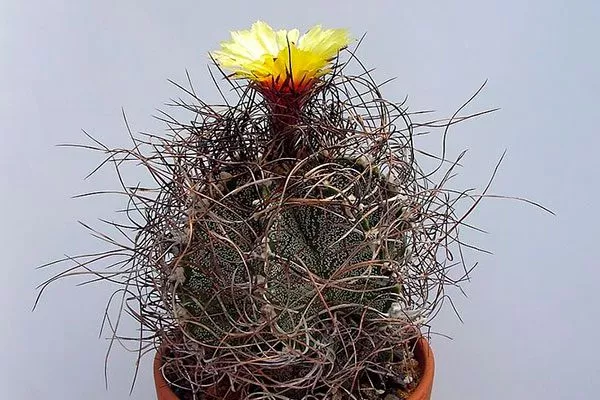
Key Features:
- Spherical or slightly elongated body shape.
- The trunk is covered with graceful white spots and small bulges.
- Large curved spines up to 2 cm long, grouped in bunches.
- The size of an adult plant varies from 10 to 15 cm in diameter.
- It blooms with large yellow flowers about 5-7 cm in diameter.
Astrophytum senile
Astrophytum senile is a rather rare and charming member of the genus Astrophytum. It gets its name from the Latin senilis, meaning old, due to its distinctive appearance: the top of the plant is covered with a large number of fine white fibers, resembling gray hair.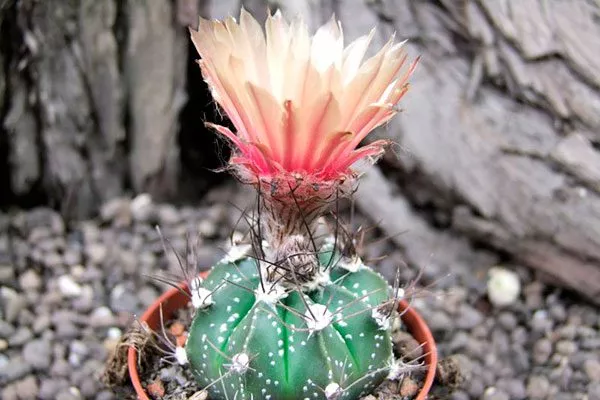
Main characteristics:
- Oval or almost spherical body shape.
- The length of the fibrous threads at the top can reach several centimeters.
- It has a small number of weakly defined ribs.
- Classic needles are missing and replaced with soft felt.
- Yellow flowers about 5-6 cm in size appear at the top of the plant.
Nudum
Astrophytum nudum is a relatively rare and little-known species of the genus Astrophytum. The main distinguishing feature of this variety is its bare surface, virtually devoid of hair and spines. Hence the name nudum, which means naked in Latin.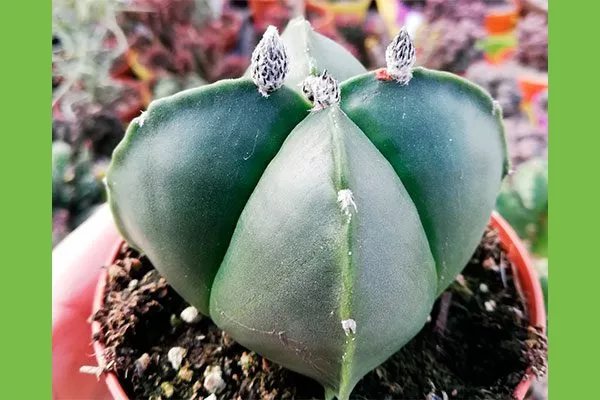
Main characteristics:
- Spherical or slightly elongated body shape.
- The stem is shiny green in color and has no hairy surface.
- Small spines are absent or present as a few rudimentary structures.
- The plant is small in size, reaching a maximum of 10-15 cm in diameter.
- It begins to bloom late, producing large yellow flowers with a red center.
Onzuka variety
Astrophytum Onzuka is one of the special hybrid forms of the genus Astrophytum, created through targeted selection by Japanese specialists. These varieties are distinguished by their distinctive decorative effect and unusual morphology, making them very popular among collectors.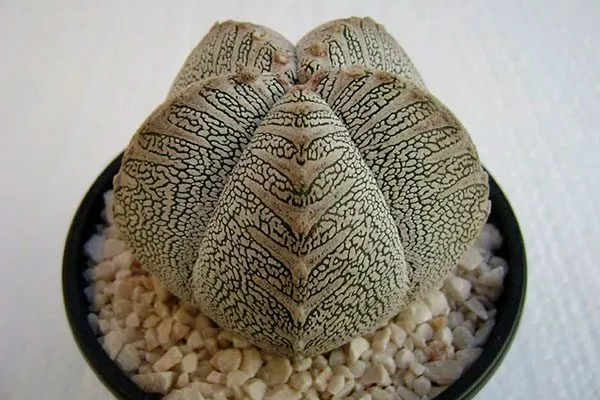
Main characteristics:
- Unique geometric shapes that approximate a perfect sphere or cube.
- Expressive coloration with contrasting white lines and spots that form complex patterns.
- Small in size, rarely exceeding 10-15 cm in diameter.
- The classic hair covering is often absent, giving the cactus a varnished shine.
- Forms unique babies – additional small rosettes on the side of the main stem.
Rules for growing star cacti
Proper cultivation of star cacti requires certain conditions, but particular attention should be paid to the choice of substrate and soil. There are other important aspects as well.
Substrate and soil
To successfully grow star cacti, it's important to select the right soil composition that provides drainage and retains the required amount of moisture. Requirements:
- Good drainage: Cacti require light, airy soil that drains quickly and allows the roots to breathe. Avoid heavy clay soils, which retain moisture for a long time.
- Minimum nutrient content: These cacti are accustomed to growing in nutrient-poor conditions, so an excess of minerals can lead to disease and death of the plant.
- Looseness and porosity: The soil should easily absorb and release moisture, preventing liquid stagnation near the roots.
- Alkaline reaction: The optimal pH level for most varieties is slightly alkaline (pH 7.0-8.0).
- Inert additives: The use of coarse sand, fine crushed stone or volcanic scoria improves the soil structure and provides better oxygen access to the roots.
- Limited use of peat: Peat-based mixtures are not suitable for star cacti because they retain moisture for too long.
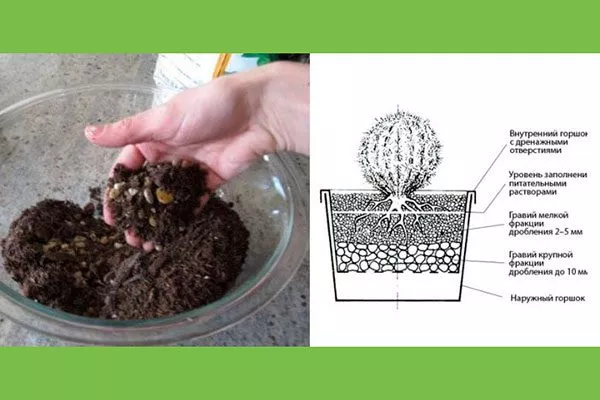
The ideal substrate includes the following components:
- Fine gravel, perlite, vermiculite or expanded clay promote rapid drainage of excess water, preventing root rot.
- Compost, leaf humus or coconut fiber improve the structure of the soil, ensuring its looseness and ability to retain the necessary moisture.
- Sand: improves aeration and prevents soil compaction.
- Small doses of mineral fertilizers (for example, specialized mixtures for cacti) will provide additional nutrition to the plant.
An example of the composition of an ideal planting mixture:
- coarse sand or lava rocks – 40%;
- perlite/vermiculite – 30%;
- organic component (leaf humus, humus) – 20%;
- finely crushed shells or dolomite chips – 10%.
Regularly refreshing the substrate helps maintain plant health and stimulate vigorous growth. When repotting, be careful to remove roots carefully, avoiding damage.
Lighting
Astrophytum has special lighting requirements, as it plays a key role in ensuring normal growth and flowering. It's important to understand that insufficient light negatively impacts the plant's development, slowing its growth and preventing bud formation.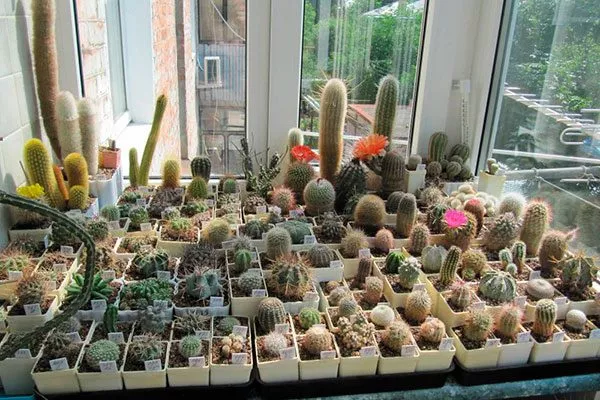
Basic rules and standards for lighting star cacti:
- Bright diffused light: The best location is on a south-facing window sill, protected from direct sunlight. If the window faces north, additional lighting with special phytolamps may be necessary.
- Natural lighting: Avoid constant exposure to direct sunlight, as this can cause burns on the plant's delicate skin. This warning is especially important for novice gardeners.
- Light intensity: The recommended illumination level is approximately 10,000 lux for 12-14 hours daily. This value can be measured with a special device called a lux meter.
- Artificial lighting: If natural light is insufficient, use daylight lamps with a light temperature of about 6500 K. These lamps provide the necessary light flow for photosynthesis.
Temperature and humidity
Star cacti require special growing conditions related to maintaining optimal temperature and humidity levels in the environment.
Temperature:
- In summer: in the range of +20…+28°C. Plants tolerate short-term increases in temperature up to +35°C well, but prolonged exposure to high temperatures is undesirable.
- In winter: It is advisable to reduce the temperature to +10…+15°C. This stimulates the formation of flower buds and preparation for the next flowering season.
- Temperature fluctuations: are allowed, but sudden changes should be avoided.
In the wild, star cacti thrive in arid regions, so high humidity is harmful to them. The recommended humidity level is around 30-40%.
Watering and fertilizing
These cacti have low nutrient requirements, so special fertilizers should be applied sparingly and with caution. It's important to follow specific fertilizer application guidelines to avoid damaging the plants.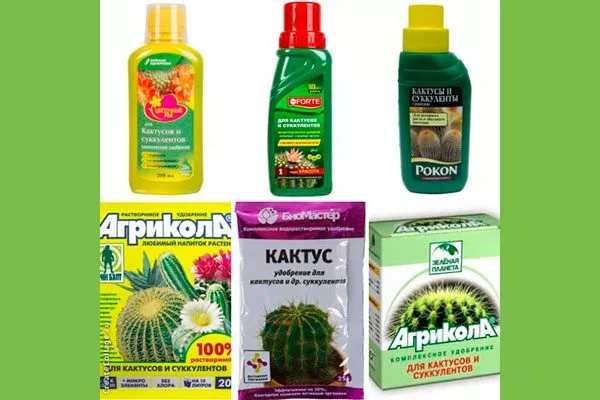
Basic principles of feeding:
- Use special mineral complexes for cacti and succulents, containing reduced concentrations of nitrogen and phosphorus. It is advisable to choose liquid solutions suitable for low-concentration watering.
- Fertilizers are applied exclusively during the spring and summer months of active growth, approximately once or twice a month. Fertilizing plants during the fall and winter is not recommended.
- Use half the manufacturer's recommended dosage. More concentrated solutions may damage sensitive roots and leaves.
- Fertilizing is carried out only on damp soil, after the soil has been pre-moistened with clean water.
Signs of overfeeding include yellowing leaves, spots, and deformations on the trunk. In this case, stop fertilizing immediately and increase the frequency of watering to flush out excess salts.
Star cacti are succulents, so they require a special approach to watering. Basic recommendations:
- Watering should be done infrequently but generously, allowing the soil to dry completely between applications.
- In summer, water more often - about once a week, in winter much less often - once a month or a month and a half.
- Avoid getting water on the plant stems as this may cause rot.
- Use soft water at room temperature.
- It is better to underwater the plant than to overwater it, as star cacti tolerate drought better than overwatering the soil.
Transfer
It's carried out every three to four years in early spring. Let's look at the important aspects of the repotting process and choosing a planting container.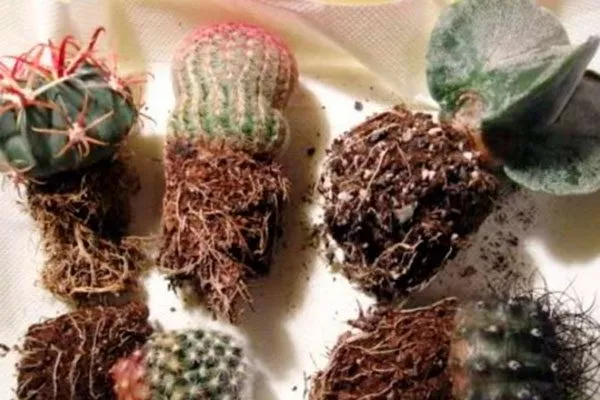
Selecting a pot and planting material:
- Pot: The container should have drainage holes and ensure good drainage. Ceramic or terracotta containers are preferred, as they allow excess moisture to evaporate.
- Soil mixture: Light, sandy soil with added perlite or fine gravel is suitable. A good option is a ready-made cactus soil mix enriched with a small amount of charcoal.
The transplant process:
- Before you begin, make sure the plant is dry and rested. It's best to repot in late winter or early spring, when the plant is in its active growth phase.
- Carefully remove the cactus from the old pot, being careful not to damage the fragile roots.
- Clear away old soil, removing old clods of earth.
- Fill the new pot with fresh potting mix, place the plant at the desired depth, and carefully cover with soil. Then, compact it lightly with your hands.
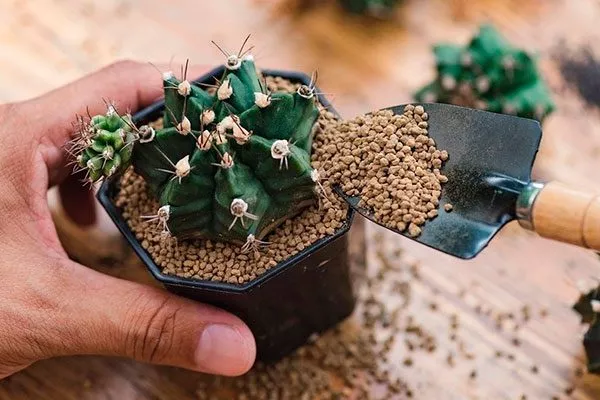
After repotting, avoid watering for the first week, then gradually begin to resume your normal watering regime.
Regular repotting is essential to maintain plant health and prevent root diseases. Carefully transfer the plant along with the root ball, being careful not to damage the roots.
Reproduction
Star cacti can be propagated in several ways: by seeds, cuttings, and division. Detailed instructions for each method:
- Propagation by seeds:
- Collect seeds from ripe fruits or purchase ready-made seeds from a store.
- Prepare the substrate: mix equal parts sand and peat or perlite.
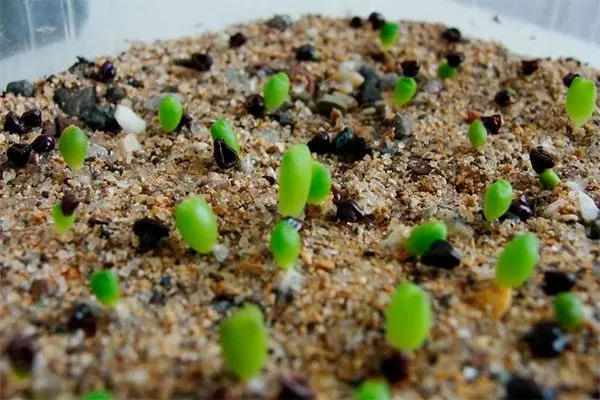
- Sow the seeds evenly on the surface of the moist substrate, lightly sprinkling them with a thin layer of sand on top.
- Create greenhouse conditions: cover the container with film or glass, ensuring high humidity.
- Ventilate the crops regularly, maintain the temperature at around +20°C and moderately moisten the soil.
- After the seedlings emerge, gradually acclimate the young plants to the open air by removing the cover.
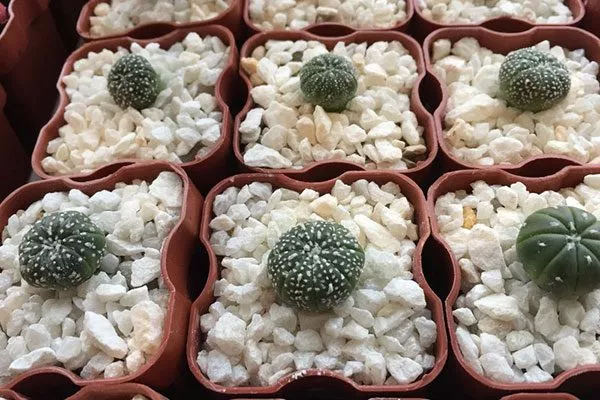
- When the seedlings get stronger, transplant them into separate pots.
- Cuttings:
- Select a healthy shoot or a baby plant from an adult plant.
- Dry the cut end of the cutting for several days to form a protective crust.
- Plant the cutting in the prepared substrate (a mixture of sand and peat).
- Maintain moderate soil moisture and provide indirect light. After a while, roots will appear and the cutting will begin to grow on its own.
- Dividing the bush:
- Choose the right time: spring is the best time to divide bushes.
- Carefully remove the mother plant from the pot along with the root ball.
- Carefully separate the daughter shoots with a sharp, sterile instrument.
- Let it dry: leave the separated parts for a couple of days to dry the cut.
- Plant the resulting parts in fresh substrate, moisten the soil and place in a warm, bright place without direct sunlight.
Reviews
Star cacti are a wonderful addition to any home collection. Their easy care and attractive appearance make them a favorite among many gardeners. By following these tips, you can enjoy the beauty of these amazing plants for a long time.