
Echinopsis is a ribbed South American cactus that blooms regularly and is ideal for indoor growing. This genus of cacti is considered one of the most common and easy to care for. Echinopsis are inconspicuous in appearance, but when they bloom, they create a real sensation among amateur gardeners.
Brief description of the genus Echinopsis
The Echinopsis genus belongs to the cactus family (Cactaceae). In the wild, members of this genus often grow enormous, forming impenetrable shrubby thickets. When young, Echinopsis look like spiky balls, but with age, they often become elongated.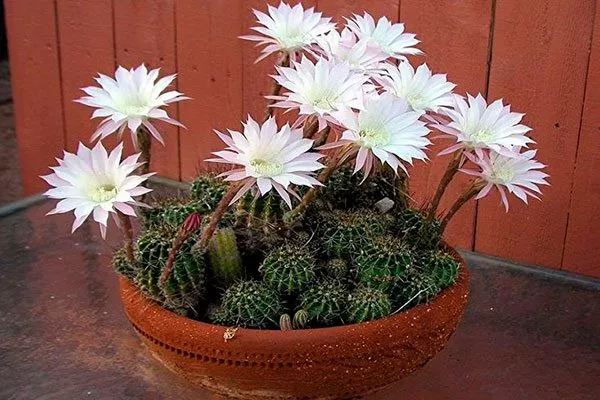
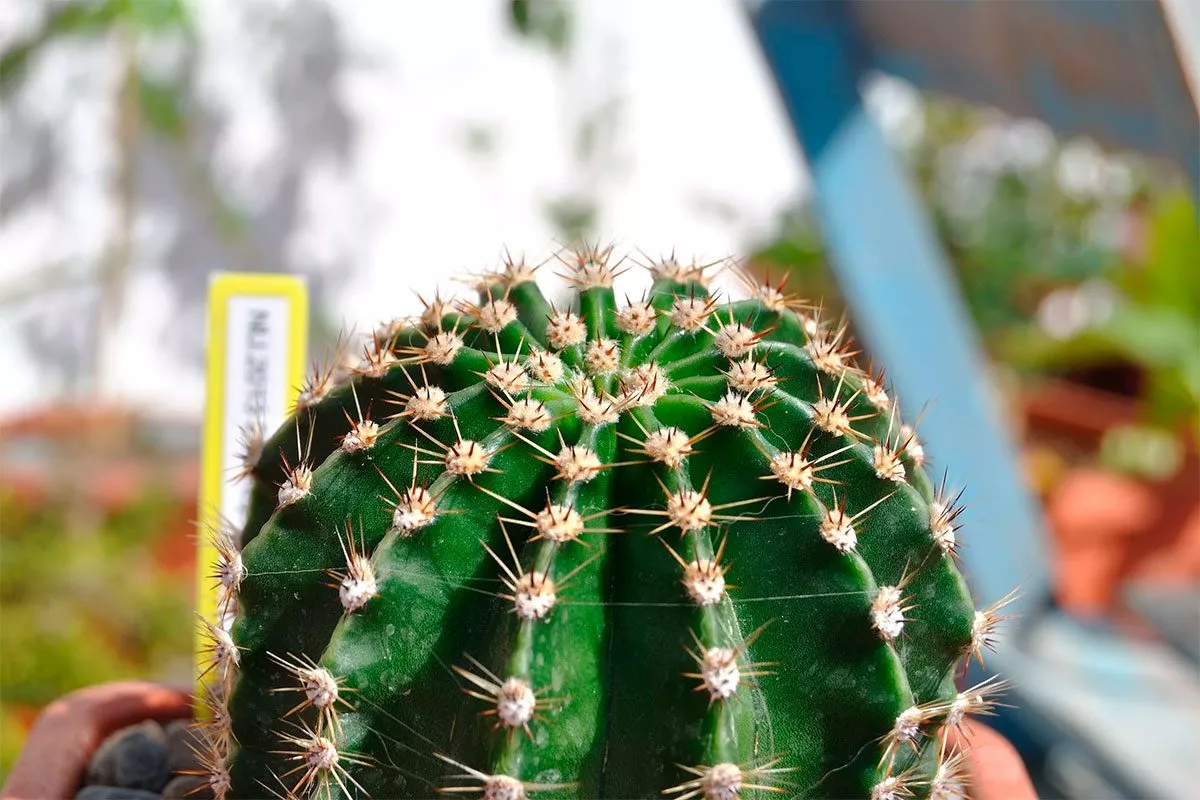
Echinopsis plants have no leaves, only spines, and their body is ribbed. These ribs prevent the plant's body from cracking when it holds water. The ribbed surface, like an accordion, can expand and contract as it stores or expends water.
Historical background of the name
The botanical name for this genus of cacti, Echinopsis eyriesii, was proposed in 1737 by Carl Linnaeus, a famous Swedish botanist, naturalist, zoologist, mineralogist, and physician.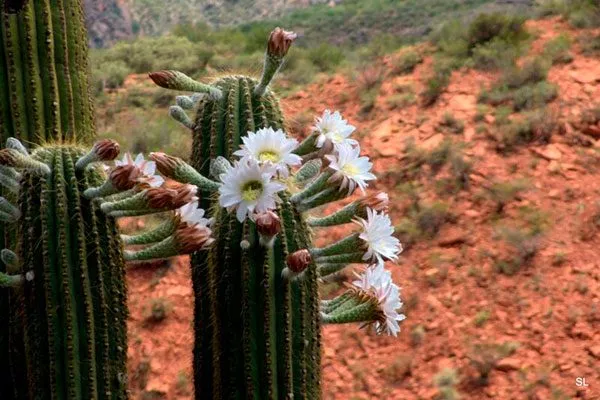
The name "Echinopsis" has Greek roots. "Echinos" translates from Greek as "hedgehog," and "opsis" means "like." As adults, these cacti truly resemble spiny hedgehogs curled into balls.
Description of the plant's appearance
Experienced gardeners easily recognize echinopsis by their appearance—the shape of their stems, ribbed surface, and evenly spaced areoles.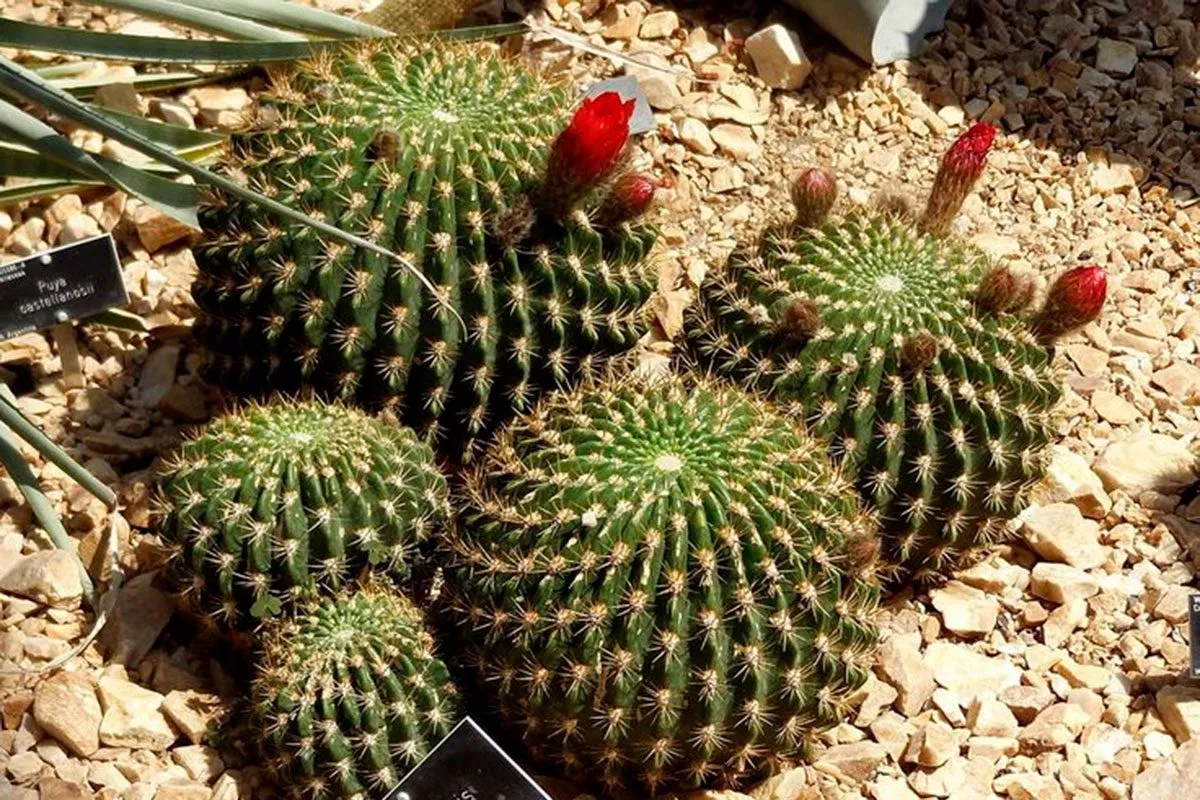
Features of the appearance of all Echinopsis:
- Stem shape. Among the Echinopsis cacti, you can find cacti with cylindrical or spherical shoots. The shoot shape depends on age: in young plants, they are spherical, while in mature plants, they are columnar. The number of ribs on a single stem ranges from 10 to 20.

- Size and color of the spikes. The edges of the ribs are covered with woolly areoles—a typical cacti feature—from which the spines grow. Unlike spines (which are considered growths), spines are modified cactus leaves and can be regrown or transformed shoot axes, leaves, or even roots.
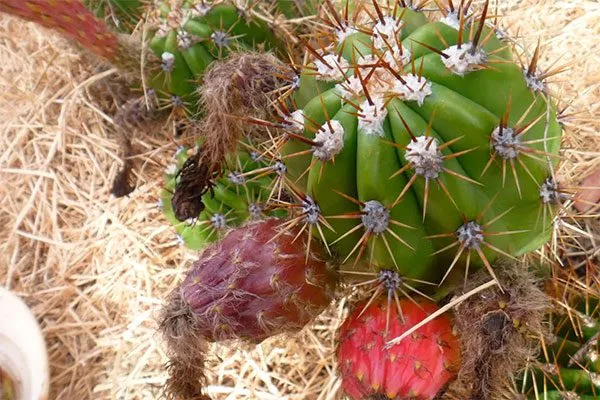
Spines, like thorns, reliably protect plants from being eaten by animals. Their size depends on the plant species. Echinopsis spines typically range from 1 to 3 cm in length. - Fruit. The flowers produce spherical or ovoid-oblong, pubescent fruits. When they burst, they reveal small, black seeds, smooth and shiny, tightly packed together. The seeds are up to 0.2 cm in diameter.
Flowering and flower characteristics
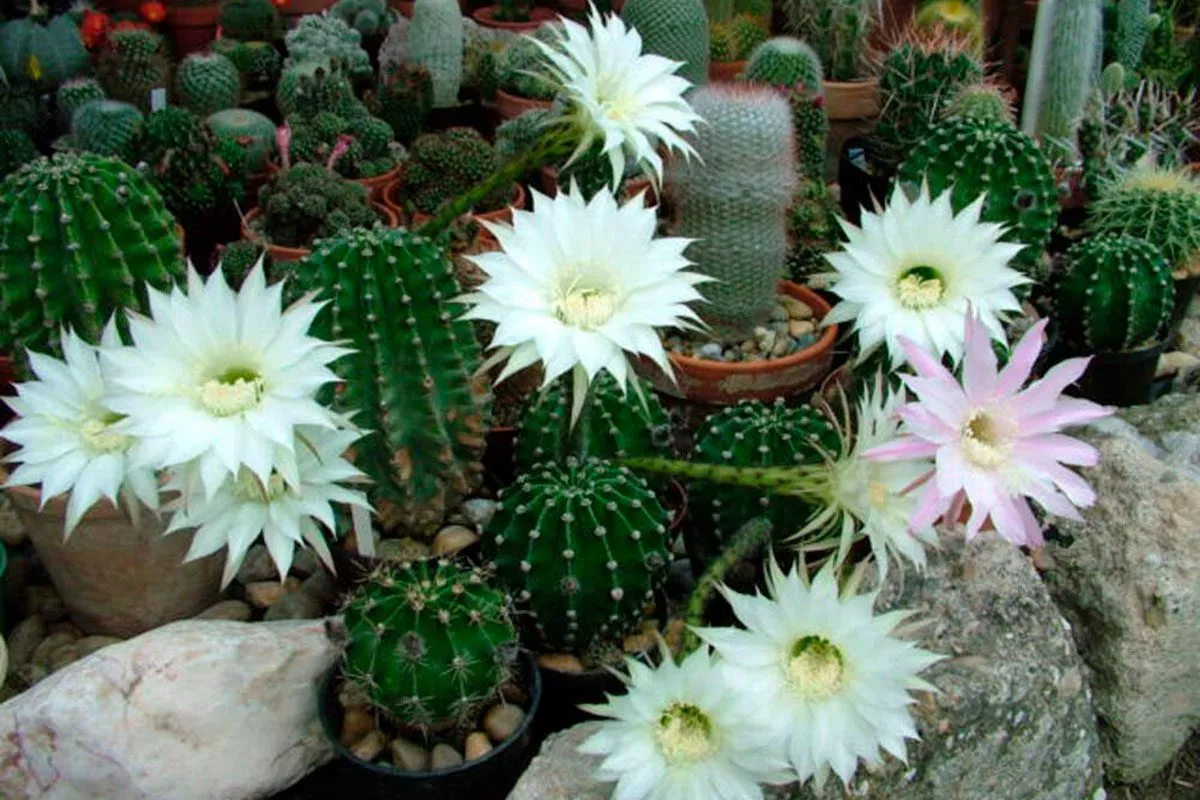
The flowers are funnel-shaped and have a pubescent floral tube. They emerge laterally from areoles in the middle of the stem. They can reach 15 cm in diameter and 30 cm in length. The corolla color varies from snow-white to pinkish-purple. The number of flowers depends on the condition and age of the cacti. On older plants, up to 25 flowers can bloom simultaneously.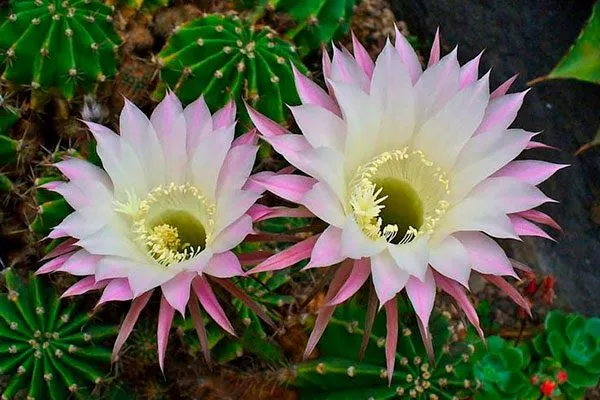
Flowering characteristics:
- Duration. Echinopsis blooms are short-lived—from 1 to 3 days. Experienced gardeners say the duration of blooming depends on the air temperature, and its frequency depends on proper care, watering, and overwintering.
- FrequencyIdeally, Echinopsis bloom once a year. However, some Echinopsis species bloom up to five times a year. And some varieties, such as Chamaecereus, can bloom for several weeks.
- Start floweringSmall species of Echinopsis begin to bloom in the 3rd year of life, larger ones - in the 5th.
- Deadlines floweringBuds usually form in the spring – at the end of April or the beginning of May.
- Time floweringThe buds usually open late in the evening, before nightfall. They close in the morning and open again during the day.
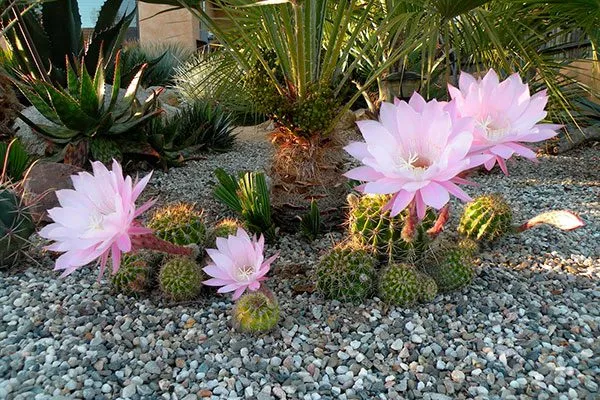
If your echinopsis isn't blooming, it's possible the temperature isn't set correctly. It could also be due to using a pot that's too large—cacti are focusing on developing their root system.
Distribution and habitat
Before growing exotic echinopsis, it's helpful to know what conditions they're accustomed to in the wild. Like all cacti, echinopsis are very hardy and can withstand severe droughts, but they absolutely cannot tolerate cold—this is something to keep in mind when considering growing them indoors.
Natural distribution area
Echinopsis is native to South America. Wild echinopsis grows throughout almost the entire South American continent, including Paraguay, Uruguay, Argentina, Bolivia, and Brazil. It can be found in the valleys and foothills of the Andes.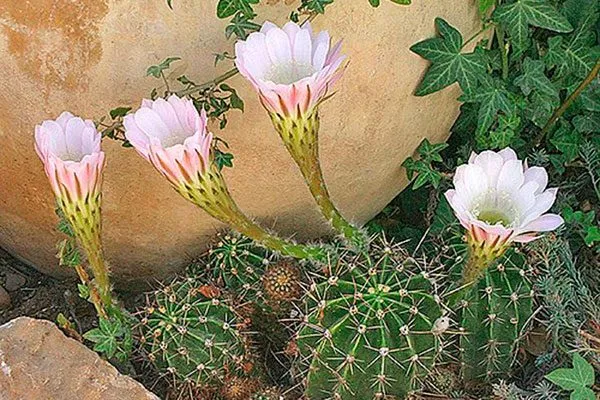
Growing conditions in the wild
Echinopsis are numerous and diverse, adapting to a wide range of growing conditions. Some species are found only in flatlands, while others thrive in mountainous areas. Echinopsis cacti can be found in a wide variety of places—desert meadows, hillsides, and rock crevices.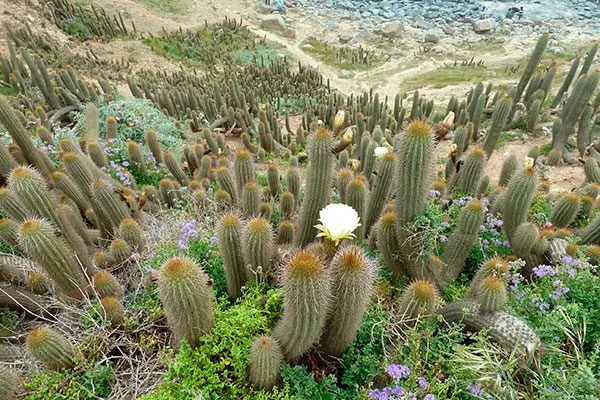
Echinopsis are hardy succulents that thrive in areas where most plants can't grow. They thrive, in particular, in sandy and gravelly soils.
Popular species and varieties
Echinopsis have been cultivated in Europe since around 1700. It is said that, like many other exotic plants, Peter the Great brought them to Russia. Today, thanks to the work of breeders, there are over 130 species of Echinopsis and numerous hybrid varieties with distinct flower colors.
Most often, it's not wild Echinopsis that's grown indoors, but their hybrids. However, there are species among them that are ideal for indoor gardening.
Sharp-edged
Echinopsis acuta appears as a ball with a diameter of 5-25 cm. The ribs are rounded, and their number can reach 10-14.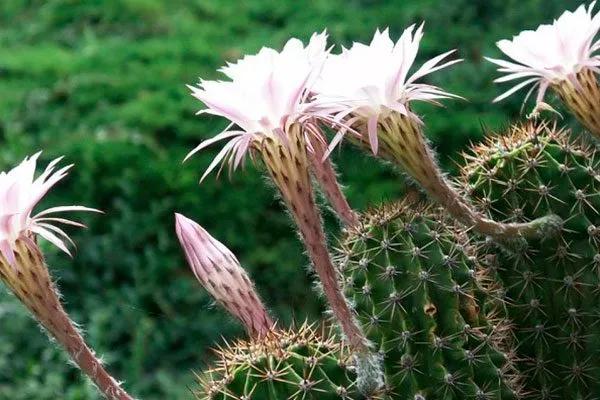
The sharp-edged cactus is a rich green color, covered with light, hairy areoles bearing up to 15 light, sharp spines. The flowers are 22 cm long and pink or reddish in color. The fruits are green, up to 4 cm long, and up to 2 cm in diameter.
Eyrieza
Echinopsis eryesii has a dark green, ribbed stem. The ribs bear areoles with small, light-silver spheres—they are fluffy and covered with awl-shaped spines.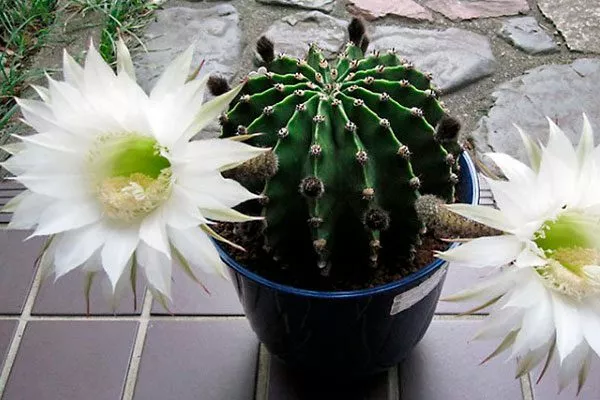
The flowers reach 25 cm in length and range in color from white to pink. They open before nightfall. Their coloring varies depending on the subspecies; cacti with dark pink stripes on the petals can be found.
There are several subspecies of Echinopsis eryesii:
- Aurat. An achlorophyll-free cactus with a pale yellow spherical stem.
- Cristata. It has a wavy stem with short spines and a fast-growing, fast-growing stem.
- Variegated. This is a variegated cactus with a few spots on the stems.
Trumpet-flowered
Echinopsis tubiflora is an Argentine endemic. When young, this cactus has a spherical shape, which transforms into a cylinder as it grows. Its ribs are distinct and deep, with approximately 10-14 ribs per stem.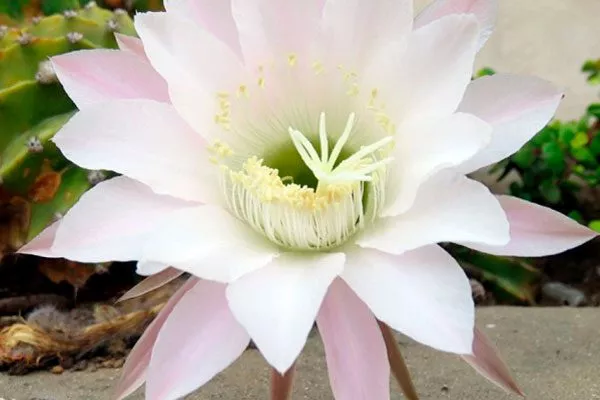
The areoles can be black, gray, or white. The spines are yellowish, topped with darker tips. Each areole has 3-4 central spines (3.5 cm long) and two dozen smaller spines (2.5 cm long). The flowers are up to 25 cm long and 10 cm in diameter. The corollas are white, and the tube is pubescent. The flowers are pleasantly scented.
Echinopsis tubiflora has no cultivars, but there are several hybrids that differ in flower color, for example:
- Leah — with cream flowers.
- Beautiful Bridget - with striped flowers.
- Cabaret — with carmine-red flowers.
Hook-nosed
The Echinopsis crassifolia has a small, spherical stem, flattened on both sides—the top and bottom. The stem diameter is up to 8 cm. The ribs have distinct convexities. They are covered with light-colored areoles with radial spines that curve in different directions.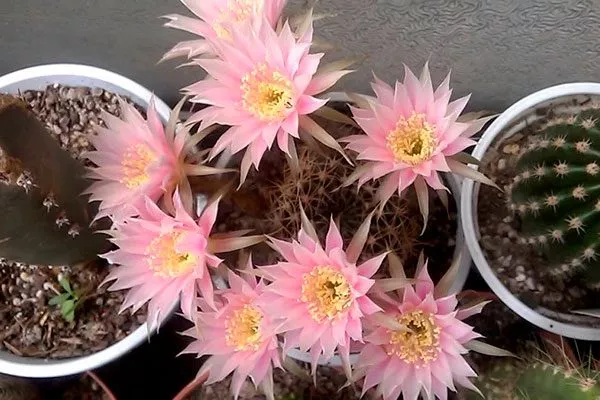
Each halo has a single central, brown spine up to 2 cm long. On small cacti, these spines appear quite large. Flowers form on the sides of the stem. They bloom during the day. They are scentless.
The flowers reach 15 cm in length and can be red, orange, white, or pink. The fruits are greenish or purple and reach 1 cm in diameter.
Golden
Echinopsis aureus is found only in Argentina, in some of its provinces. When young, the cactus is spherical, but with age it acquires a cylindrical shape. The maximum height of the cactus is 10 cm, and the diameter is up to 5 cm.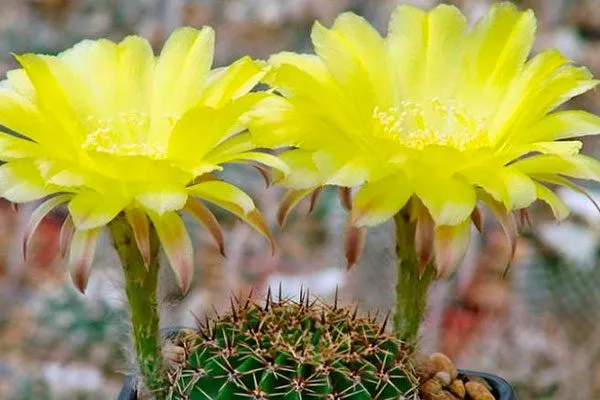
The stems are rich green, with a fairly dense waxy coating. They have up to 15 ribs, distinct and tall, covered with fluffy, brownish areoles. Each rib has up to four 3-cm-long spines in the center. Around these spines are about a dozen 1-cm-long needles.
A distinctive feature of the golden echinopsis is the formation of abundant basal shoots. In summer, bell-shaped flowers with pointed yellow-orange petals appear in the center or at the base of the stem. The flowers reach up to 8 cm in diameter.
Huasha
Echinopsis huasha is distinguished by its growth—the plant can reach 0.5-1 m in height, while its stems are only 5-8 cm in diameter. Huasha cacti are dark green in color and can be straight or curved.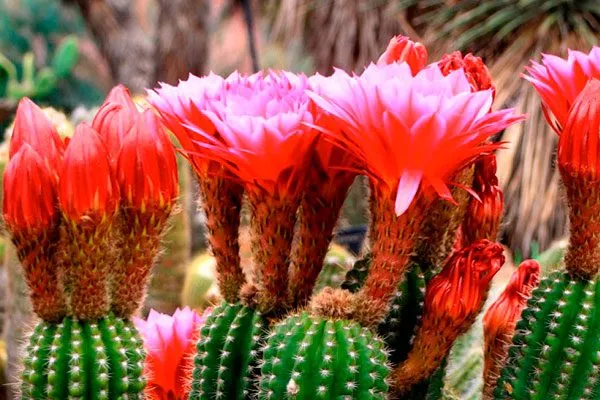
The stem branches at the base, each shoot having 12 to 18 ribs with fluffy, light-brown areoles, in the center of which are 1-2 spines up to 6 cm long. Around them are a dozen shorter needles up to 4 cm long.
Flowers form at the tops of the stems. They are up to 10 cm long and come in shades of red and yellow. The fruits are large, red or yellow, up to 3 cm in diameter. Among the most popular Huasha hybrids is the Grandiflorus. This cactus reaches 1 m in height, and its flowers are very bright, crimson.
White-flowered
Echinopsis albiflora is easily recognized by its gray-green, spherical or shortened cylindrical stems. This cactus grows to 30-35 cm in height, with stems reaching 10-12 cm in diameter. Each stem has 10-14 ribs covered with light yellow areoles.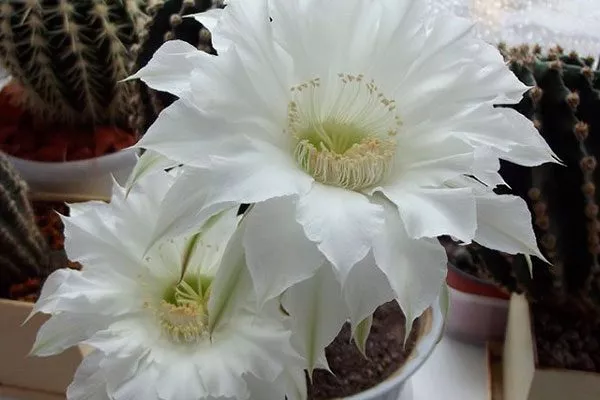
Each areole has approximately 10 radial, yellow-brown spines. One of these, the central spine, curves upward and can reach 10 cm in length. The flowers of this species of Echinopsis are white, with petals arranged in tiers. The flowers appear at the top of the stem. They can reach 20 cm in length. The fruits are spherical and burgundy in color.
Mamillosa
Echinopsis mamillosa has dark green, slightly flattened stems, reaching 10-13 cm in height. The stem has 14-16 ribs, which are quite deep and tapering at the edges. These ribs bear rounded areoles with four central spines, crowned with brownish tips. The spines reach no more than 1 cm in length. The radial, awl-shaped, yellowish spines are also of the same size.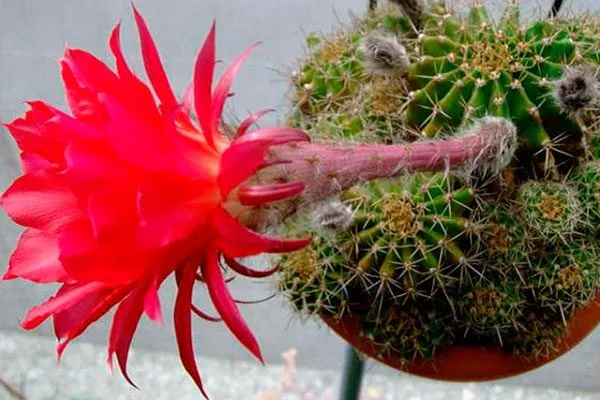
The flowers bloom at night. They are slightly curved, funnel-shaped, and pink or white. They reach 14-15 cm in length and 8-10 cm in width.
Multi-partite
Echinopsis multifidus has a spherical stem, widening at the base. The plant reaches a height of 15 cm. The stem has 12-15 ribs. These are covered with areoles with a whitish fluff. Each areole bears 4-5 median spines, up to 4 cm long, and approximately 15 radial spines, up to 2 cm long.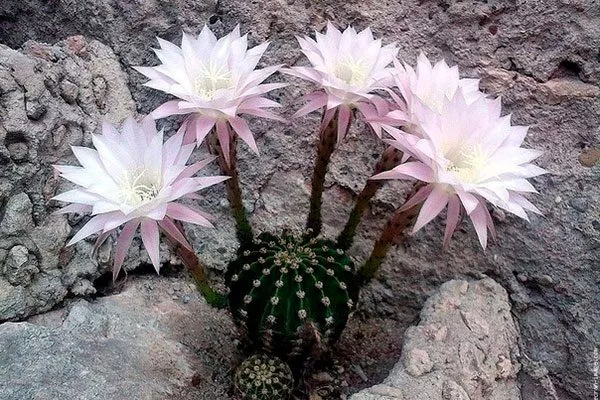
The flowers of polypartite cacti are large, whitish-pink, and have a rich, pleasant fragrance. They reach 15 cm in length and can be the same size in diameter. Latin name: Echinopsis multiplex.
Subdenudata
Echinopsis subdenudata differs from its relatives by its lack of spines. The stems of these cacti can be completely bare or semi-naked.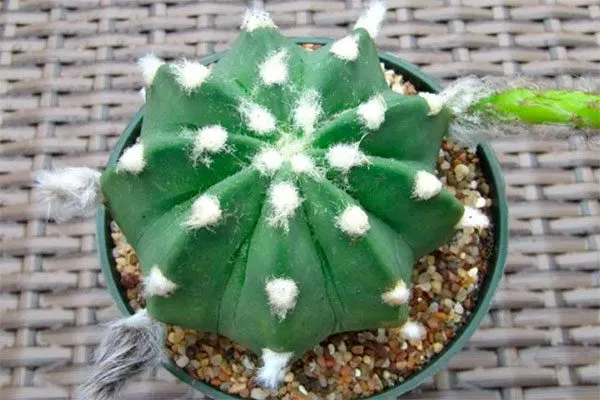
Subdenudatus cacti are very miniature, reaching 5-8 cm in height. The stems have light, pubescent areoles and short spines, typically 1-2 mm long. However, the flowers of this cactus are quite large. They are white, funnel-shaped, and reach 20 cm in length.
Gruzoni
Echinopsis grusoni is native to hot Mexico. It has green, glossy stems that gradually transform from spherical shapes into convex, barrel-like cylinders. These cacti reach a height of 1 meter. Under optimal conditions, the plant does not form suckers or bushes.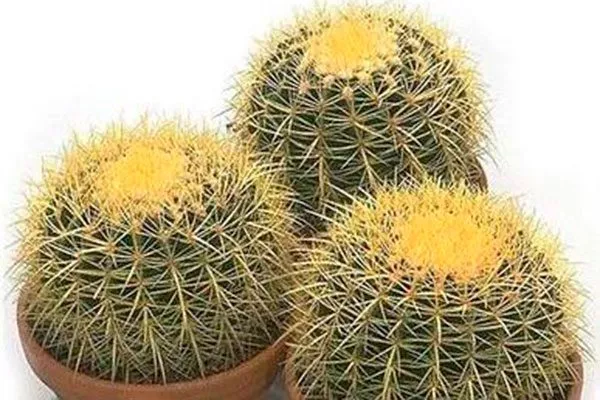
Mature cacti have stems with up to 40 ribs, are pointed, and densely covered with numerous pubescent areoles. As they reach the apex, the areoles merge into a single light yellow "cap." Each areole bears three to four 5-cm-long spines and a dozen 4-cm-long radial needles.
The spines of the Grusonii cactus are golden, making them particularly striking against a dark green background. This Echinopsis is often called the "golden ball" or "golden barrel" due to its distinctive appearance. Its flowers are yellow, solitary, 7-8 cm long and up to 5 cm in diameter.
Hybrids
Hybrid Echinopsis grow slowly and have almost no lateral shoots (pupae). These cacti bloom profusely, producing lush, double flowers in a variety of colors.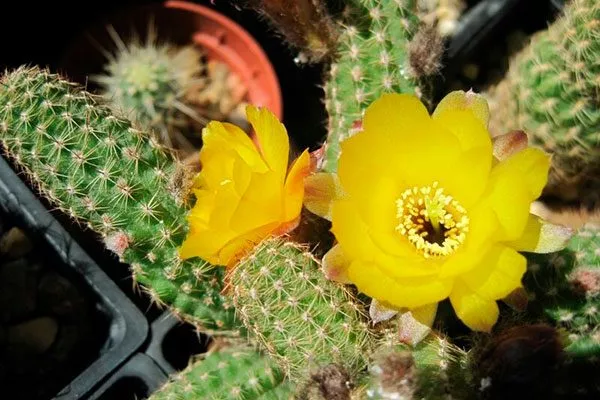
Popular Echinopsis hybrids: Zanzibar, Golddollar, Bonzo, Sterntaler, Madeira.
Growing and care
Growing echinopsis is not difficult, but to ensure they bloom and truly thrive at home, you need to provide them with certain conditions and care.
Selecting soil and pot
Echinopsis require a nutritious, well-drained substrate with a slightly acidic pH (6.0) that won't compact even after several years. To ensure the soil is loose and doesn't compact, add fine gravel, quartz sand, or pumice. Compost or humus can be used as a substrate base.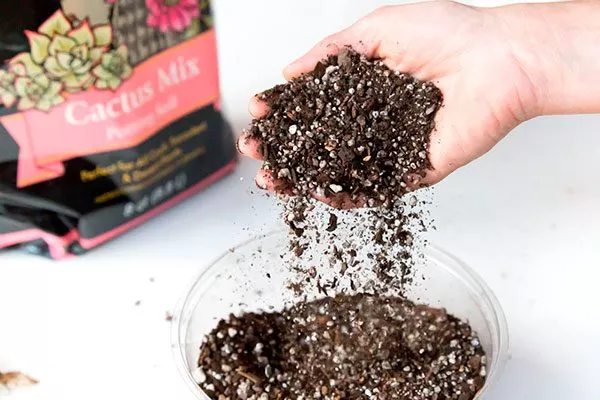
The easiest option is to buy a ready-made substrate for succulents and cacti. These are available at any flower shop. However, if you prefer, you can prepare your own cacti soil mix. Echinopsis naturally grow in poor soil, so an excess of nutrients can be harmful.
Echinopsis can thrive in a substrate made from, for example, pumice (70%), volcanic lava (10%), sand (10%), and additives such as zeolite or brick chips (10%). However, hybrids require a more nutritious medium with a higher humus content.
An example of a soil mixture for Echinopsis hybrids:
- turf soil - 2 parts;
- leaf humus - 1 part;
- coarse-grained river sand - 1 part;
- fine gravel - 0.5 parts;
Echinopsis cacti have strong roots, but they spread outward, closer to the surface, rather than downward. Therefore, the pot should be shallow but wide enough—larger than the cactus's diameter. A drainage layer of pebbles or expanded clay occupies about a third of the pot. The bottom of the pot should have holes to allow excess moisture to drain.
Lighting and temperature
Echinopsis plants need plenty of light to grow and bloom. It should be both bright and diffused. The minimum daylight hours are 12 hours.
These cacti don't need to be shaded from direct sunlight—it won't harm them. Young plants should be shaded at midday during the early stages if they're placed on south-facing windows. Pots containing Echinopsis are recommended for south, southwest, or southeast-facing windows.
Temperature conditions:
- In spring and summer Echinopsis thrive indoors. They tolerate heat well. During this period, temperatures above 25°C (77°F) are optimal.
- In autumn and winter Cacti are kept in cooler conditions. During this period, they require temperatures in the range of +5° to +8°C.
Temperatures should be increased and decreased gradually, as sudden changes are harmful to cacti.
Watering and fertilizing
During warmer months, echinopsis are watered thoroughly with settled, room-temperature water. The frequency of watering depends on the soil condition—it should dry out at least halfway up the pot. As temperatures drop, watering becomes less frequent.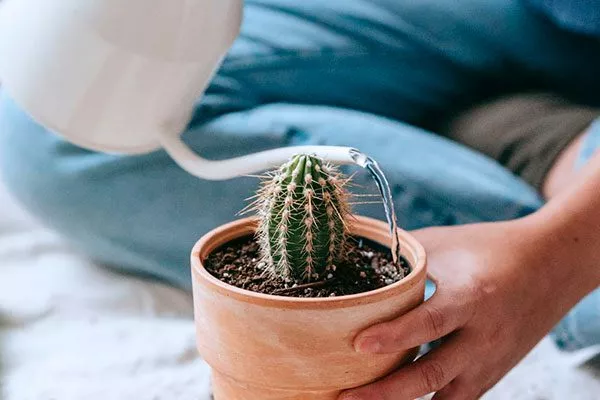
Approximate watering regime for Echinopsis:
- In March, the cactus is watered once.
- From April to October, cacti are watered approximately once every 2-3 weeks.
- From October to March - no watering.
Cacti thrive in normal room humidity; they don't require additional moisture. Misting is necessary when the house gets hot. It's also recommended to move cacti outdoors in the summer—in the garden or on the balcony.
Echinopsis don't need fertilizing in the first year after planting—the substrate already contains sufficient nutrients. Fertilizing can begin in the second year, but it should be moderate. In the third year, it's advisable to repot the cactus and replace it with a new substrate.
In general, cacti require all the essential elements—nitrogen, phosphorus, and potassium. They also need micronutrients such as magnesium, zinc, iron, and molybdenum—all of which should be present in the fertilizer used. Fertilizing should be done once a month, starting in March. Fertilizing is stopped in October.
Propagation and pruning
Echinopsis can be propagated vegetatively or generatively—by seeds. The latter method is rarely used, as cacti grown from seeds produce numerous basal shoots. Furthermore, this method is too time-consuming.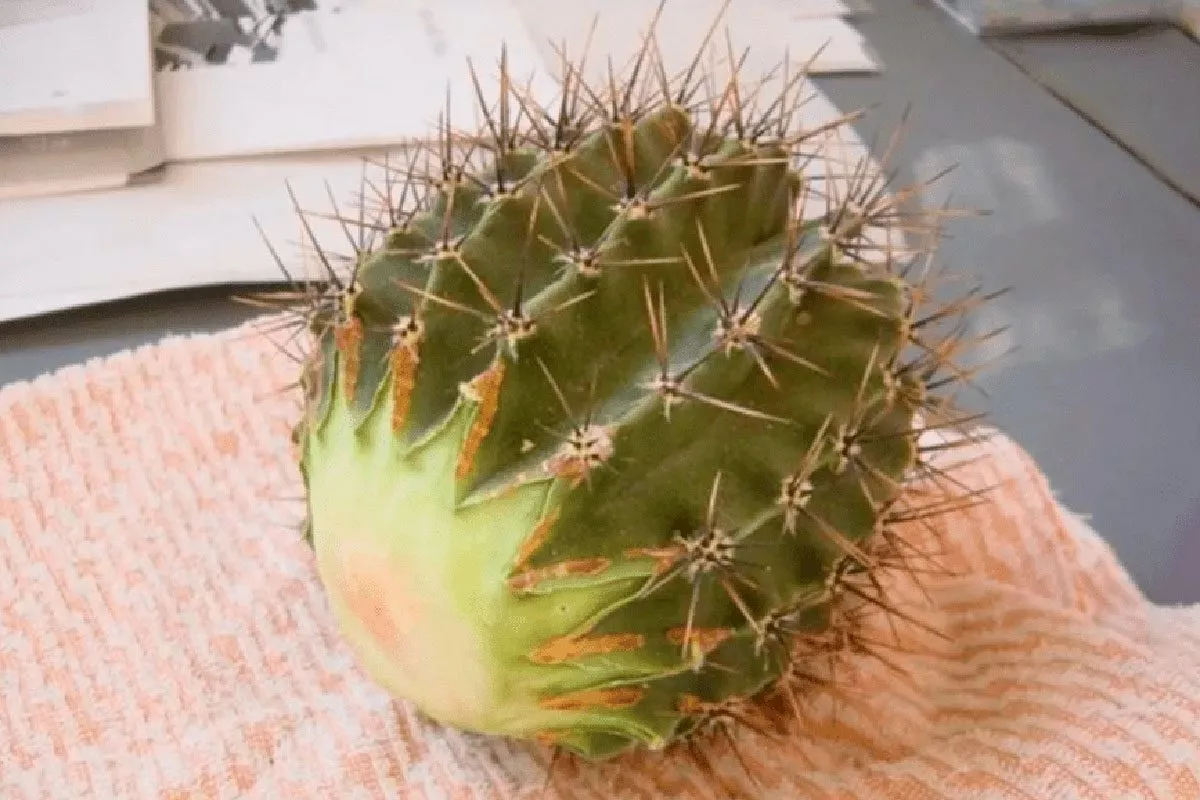
Reproduction features:
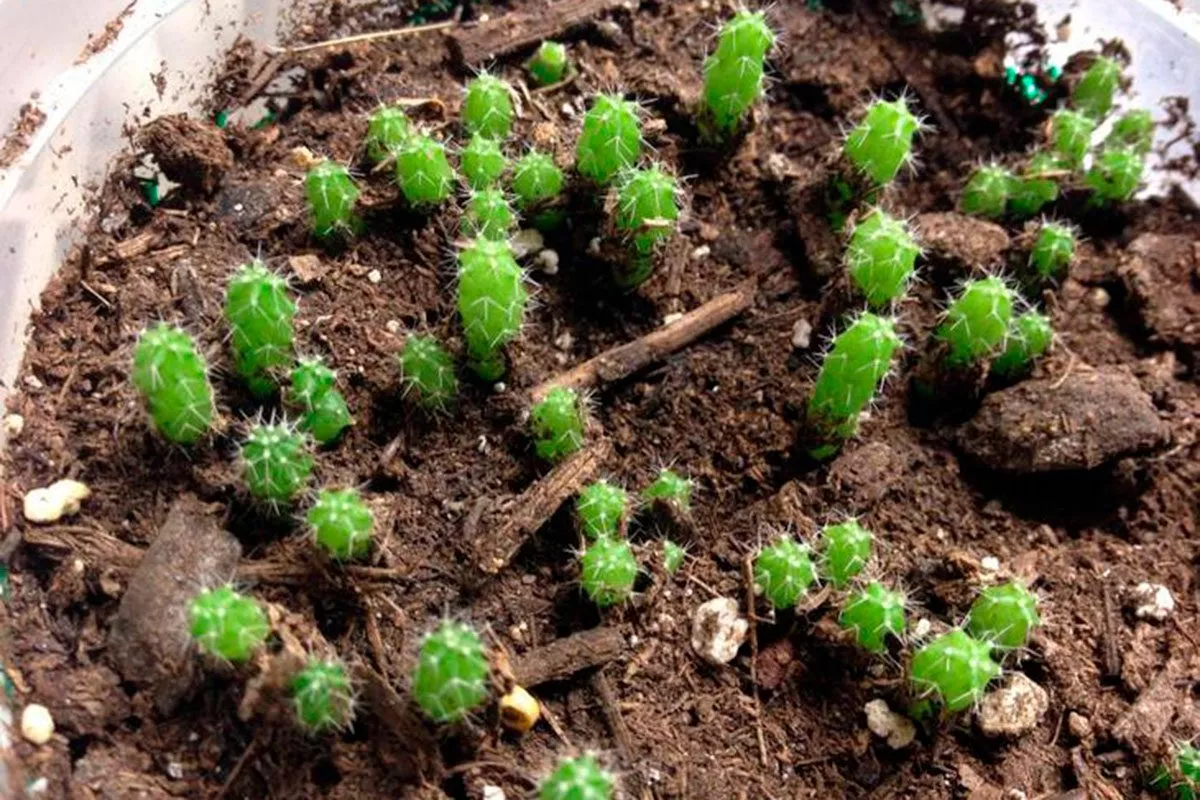
- Seeds. Sowing takes place in March. The seeds are planted in sand, not covered with soil, but simply watered. The seeds are covered with plastic film, and the room temperature is maintained at 18–20°C. The seeds are ventilated daily by lifting the cover. Seedlings should appear within 2–3 weeks, and are later transplanted into pots.
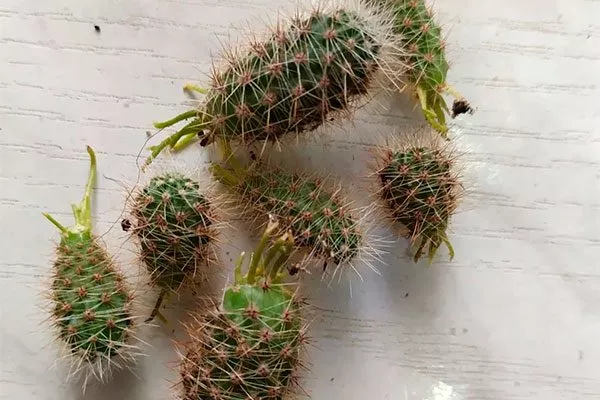
- Children. The offshoots (pups) are carefully unscrewed from the main stem, dried for 24 hours, and then planted in moist sand. The plantings are kept in a warm, well-lit area, watered periodically. The offshoots take root within 1-2 weeks. Once they have grown a little, they are potted.
Only very old cacti are pruned. The procedure is performed when the base of the plant turns dark yellow.
How to prune an old cactus:
- At the beginning of January, the top of the cactus is cut off with a sharp knife.
- After 3-4 weeks the plant is watered.
- The stump will soon produce new shoots and the cactus will become young and beautiful again.
Transfer
Echinopsis are repotted as needed—when the pots become too dark for the roots. You can tell it's time to repot your cactus by certain external signs—for example, when roots start growing out of the drainage holes or the soil dries out too quickly after watering.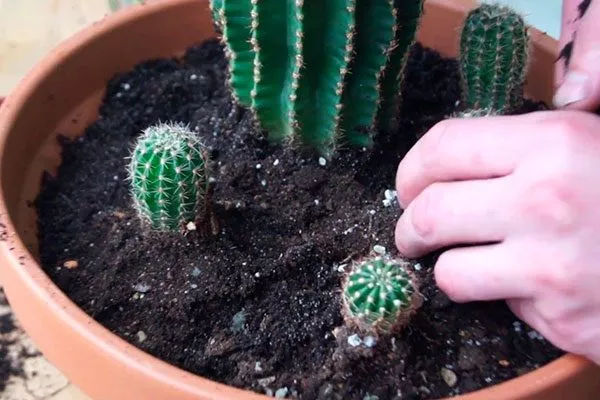
Young plants are repotted annually, while mature plants are repotted every 2-3 years. It is not recommended to repot old or overly large plants; simply replacing the top layer of the substrate is sufficient.
Features of replanting echinopsis:
- The cactus is carefully moved from the old pot to the new one using the transshipment method. New soil is prepared for the repotting in advance.
- All manipulations are carried out with thick gloves, after wrapping the cactus in several layers of paper.
- Empty spaces are filled with fresh substrate, which is well compacted.
Diseases and pests
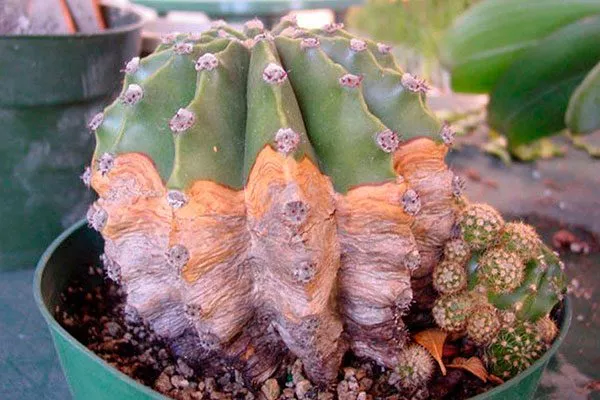
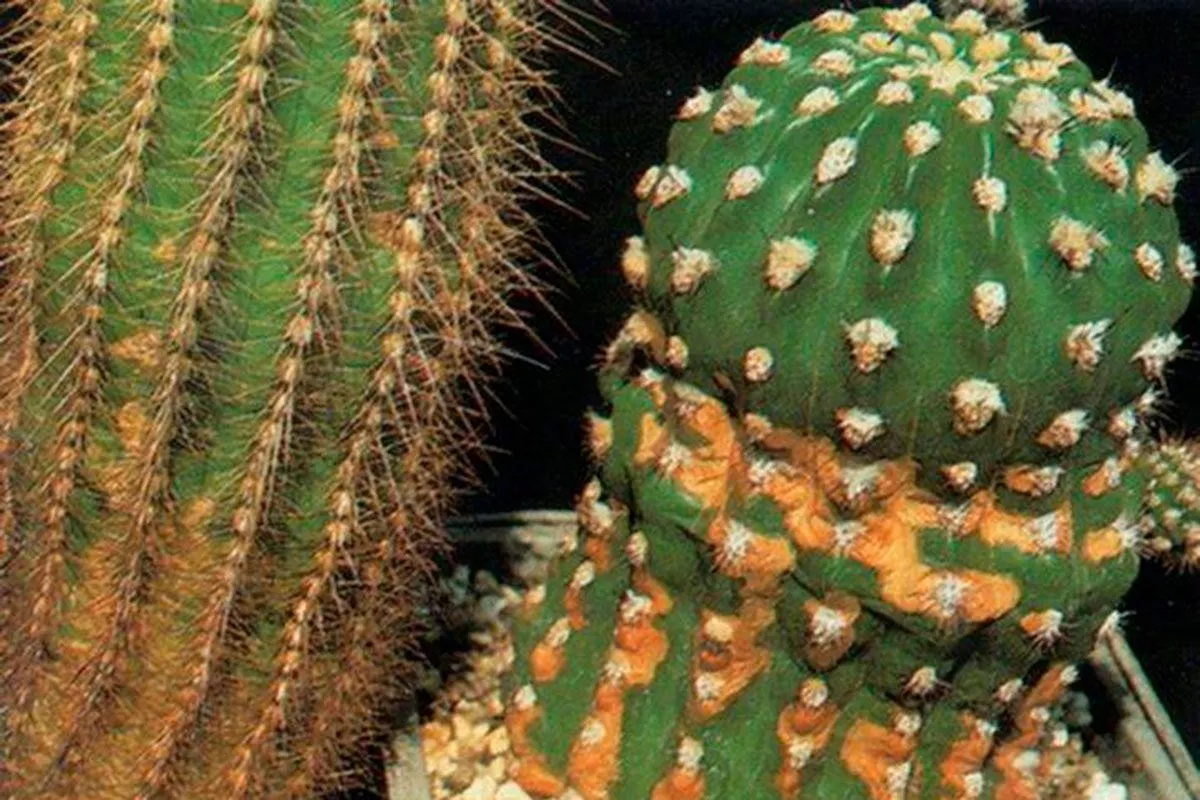
Echinopsis are known for their strong immune system, so they only become ill due to care errors and improper maintenance—lack of light, poor substrate, underwatering in winter, and other serious problems.
Possible diseases:
- Rot. It affects the stem or roots. Causes include over-watering of the substrate, keeping the plant in an excessively cold and damp room during winter, or sudden changes in day and night temperatures when growing on an open balcony. Affected areas are cut out with a sharp, disinfected instrument. The cuts must be treated with a fungicide, such as Mancozeb or Copper Oxychloride.
- Spotting. This condition is characterized by the appearance of black or brown spots on the stems of large echinopsis plants. It can be caused by various microorganisms, including fungi and bacteria. Broad-spectrum fungicides such as Bayleton and Fitosporin-M are used against them. Viral infections are incurable; affected cacti should be destroyed.
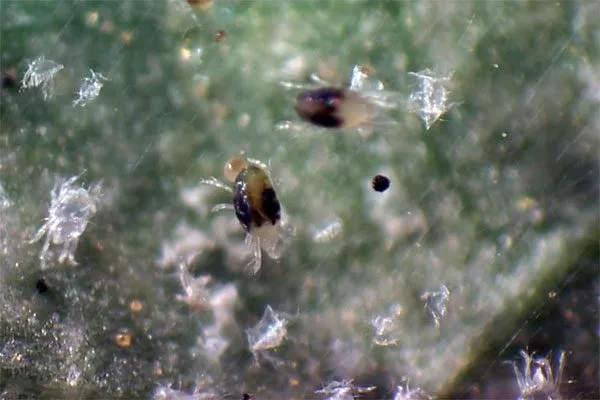
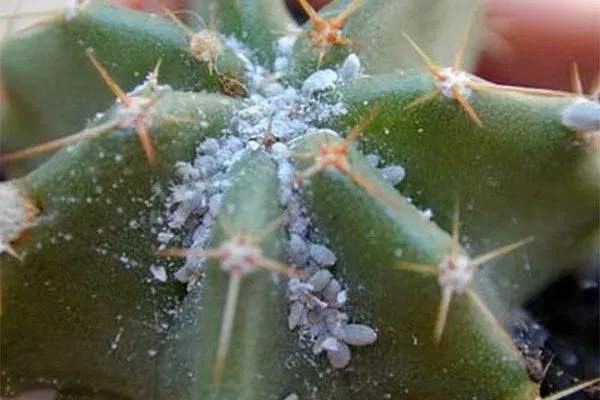
Among the pests that can affect echinopsis, the most dangerous are:
- Spider mite. This pest weaves a fine web around the stems. If the infestation is small, wash the cactus with a soapy solution after covering the soil with plastic wrap. If the infestation is large, treat the plant with insecticides, such as Fitoverm or Actellic.
- Mealybug. These microscopic pests look like a fluffy coating. They must be removed mechanically, for example, with a brush dipped in alcohol. Afterwards, the plant is treated with poison. If the scale insects settle on the roots, the cactus begins to wither and fails to bloom. In this case, rinse the roots with a potassium permanganate solution and repot the plant in new soil.
Use in interior design
Echinopsis cacti are very impressive even when they're not blooming. It's no wonder, then, that these cacti are so popular in indoor gardening. All echinopsis cacti possess decorative qualities that can be used wisely for a variety of purposes.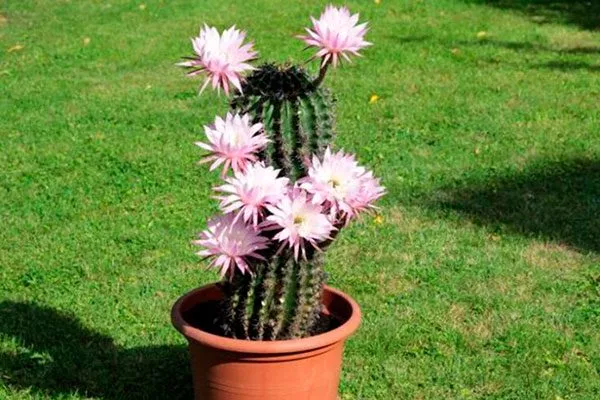
Use as ornamental plants
Echinopsis can be used to create rock formations and semi-desert landscapes. These spectacular cacti are also ideal for creating indoor flower arrangements with artificial light.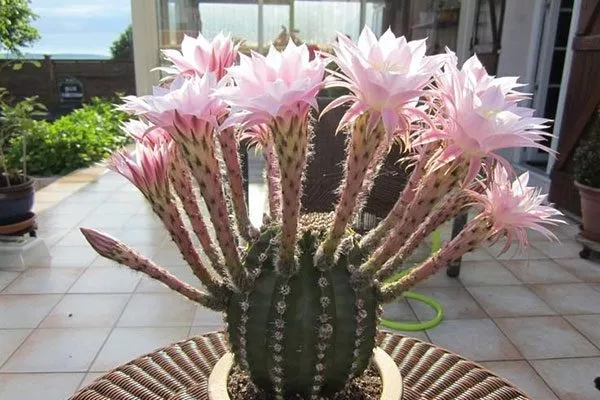
Tips for interior placement
Echinopsis are widely used to decorate apartments and offices. Ribbed cacti easily become the centerpiece of interiors and windowsills.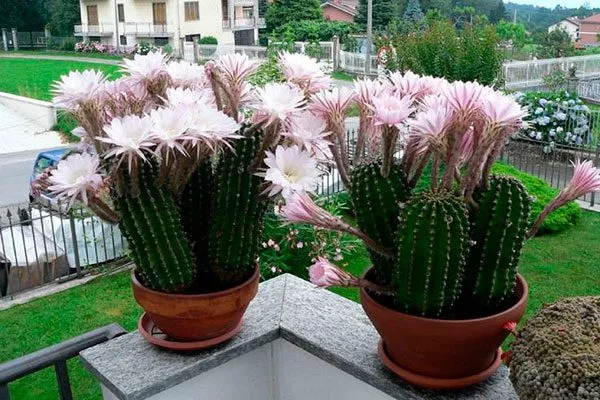
They can be placed on a desk—many believe cacti should be kept near computers. Small echinopsis are ideal for this purpose. These cacti also look great on shelves and anywhere where there's no risk of injury from sharp spines.
Echinopsis is deservedly popular among cactus and flower lovers in general. These hardy and beautiful plants are truly stunning, easily earning the title of "king of cacti."