
Discocactus attract attention with their unusual appearance and ability to delight with vibrant colors. But before acquiring one, it's worth familiarizing yourself with its care requirements, advantages, and disadvantages.
Discocactus – what is it and where does it come from?
Discocactus is a genus of perennial cacti belonging to the Cactaceae family. It is known for the unique structure of its disc-like inflorescences, which gives it its name.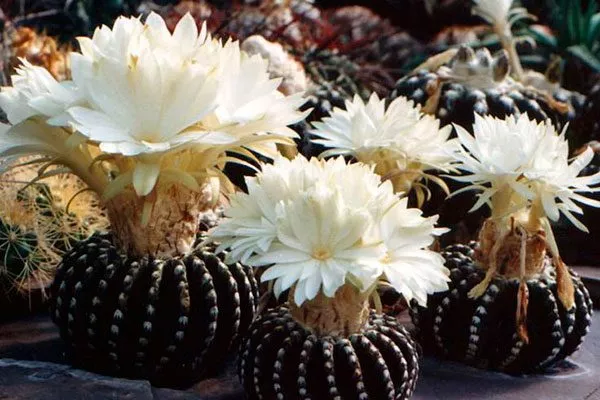
Origin and distribution
The origins of the genus Discocactus extend deep into the evolutionary history of the plant kingdom. It is believed that the ancestors of modern Discocactus emerged millions of years ago, successfully adapting to a variety of environmental conditions. Modern representatives of this genus are found primarily in the southern part of South America, particularly in Brazil.
Most Discocactus species are found in the Brazilian highlands, particularly in the Cerrado and Caatinga regions. They thrive on limestone rocks and in open areas where dry periods and high daytime temperatures alternate with cool nights.
Biological significance and cultural heritage
Despite the small number of known species, discocactus play an important role in the ecosystems of their native regions. In addition to their role in nutrient cycling, they provide shelter and food for many organisms, including small mammals, reptiles, and insects.
There are other features:
- Outside their natural habitat, discocactus have become popular objects of interest among botany enthusiasts and collectors of rare plants.
- Thanks to their exotic appearance and ability to amaze others with the beauty of their flowers, they have gained popularity far beyond their native Brazil.
- Rapid urbanization and degradation of natural landscapes have led to many species of discocactus becoming endangered.
As a result, considerable efforts have been made to conserve these unique representatives of the flora, including the creation of reserves and special breeding programs in controlled conditions.
Interesting facts
The name "disco" derives from the Latin word "discus," meaning disk, highlighting the flowers' distinctive appearance. But that's not all. It turns out:
- In nature, wild specimens live longer than cultivated forms, reaching an age of up to a hundred years or more.
- A unique feature of discocactus is the secretion of a sticky substance that attracts ants, which protect the plant from attacks by harmful insects.
- The discocactus is more than just a beautiful plant; it's a symbol of South America's natural richness. Despite its diminutive size, it's an important element of the local ecosystem and a source of admiration for collectors worldwide.
- Conservation of discocactus is an important modern task aimed at protecting this unique natural phenomenon.
Description of Discocactus
Discocactus attracts attention not only by its name but also by its interesting appearance. This representative of the genus Disocactus looks like this:
- General plant type:
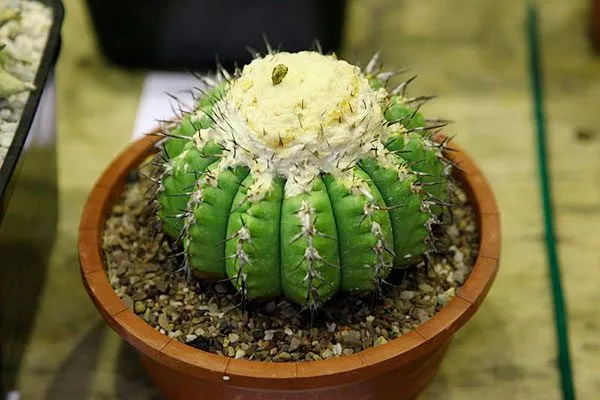
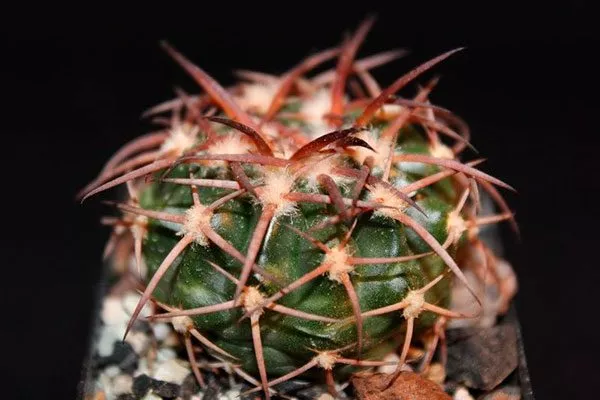
- Form: Most often, the stem has the shape of a ball or cylinder, less often - a flattened disk model.

- Size: The height varies from a few centimeters to a meter, the diameter of an adult plant reaches 10-20 cm.
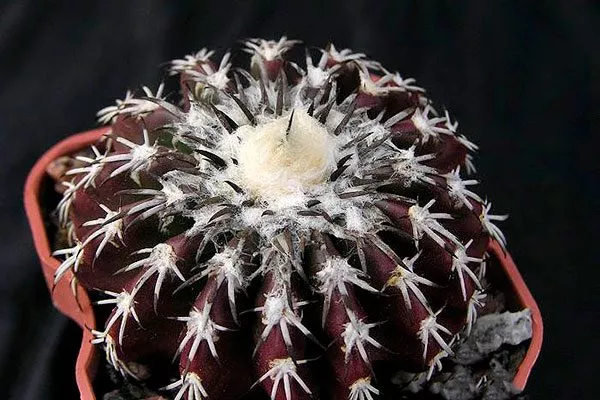
- Cover: The upper part of the stem is covered with dense hairs of white or grayish color, forming a felt shell that protects the plant from strong ultraviolet radiation and prevents moisture loss.
- Areolae: small bumps on the body of a cactus from which spines emerge and flowers form.
- Thorns: short, compacted, located in groups along the ribs of the stem, can have different lengths and thicknesses.
- Form: Most often, the stem has the shape of a ball or cylinder, less often - a flattened disk model.
- Discocactus flowers:
-
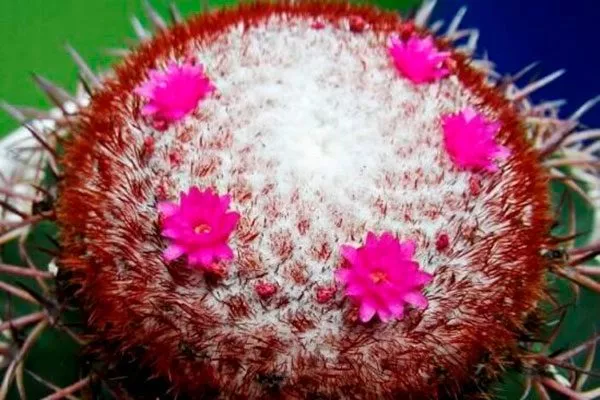
- Location: The buds form on the upper part of the stem, near the apex, often on a special floral disk.
- Dimensions: The diameter of the flowers varies from 5 to 10 cm, the shape of the calyx is similar to a funnel or a pipe.
- Color: The color palette is varied – from snow-white to deep violet-blue, orange, pink and almost black shades.
- Structure: The flower consists of numerous petals and long tubular columns, inside which are many stamens and an ovary.
- Smell: Some species of discocactus emit a pleasant sweet aroma that attracts nocturnal pollinators.
- Location: The buds form on the upper part of the stem, near the apex, often on a special floral disk.
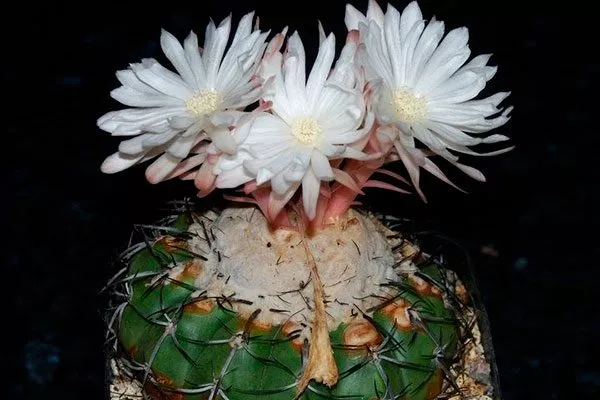
Thanks to this interesting combination of geometric shapes and vibrant colors, discocactus has become an object of attention for collectors and connoisseurs of succulent beauty around the world.
Timing and characteristics of discocactus flowering
Discocactus is particularly attractive during flowering, as its flowers truly deserve special attention.
Flowering period
Discocactus flowers typically bloom in late spring or early summer. A single bud can bloom for anywhere from one night to two or three days. Each flower blooms only once and quickly loses its freshness, turning into a dry seed capsule.
Features of flowering
To understand how discocactus budding occurs, pay attention to the following aspects:
- Flower lifespan: Each individual flowering lasts a couple of days, but the overall duration of the plant's budding continues for several weeks.
- Conditions for stimulating flowering: Provide good lighting, adequate nutrition, and comfortable growing conditions. Repotting the plant annually in the spring into fresh soil will also have a positive effect.
Pollination and fertilization
Since most discocactus rely on nocturnal pollinators (moths and bats), flowers open in the evening and close the following morning. This necessitates the presence of pollinators nearby or manual artificial pollination if the plant is kept indoors.
The blooming of the discocactus is an unforgettable sight, and for this moment it is worth putting in a little effort to create comfortable conditions for your pet.
Popular varieties and types of discocactus
Common varieties and types of discocactus with brief descriptions:
- Discocactus horstii. This species is distinguished by its large size and lush form. Its spherical trunk is covered in thick white fluff, from which emerge numerous long tufts of spines.
Adult specimens can reach a height of 30 cm. The flowers are large, wide-open, bright white, with a long greenish-yellow base. - Discocactus subterraneobracteatus. The name of this species speaks for itself: underground leaves. The stem itself develops partially underground, with only a small tip remaining above the surface. Snow-white hairs cover the entire upper part, giving the cactus an unusually elegant appearance.
Flowers are light purple, with long stamens and a large central disc. - Discocactus zehntneri. This is one of the most popular species among collectors. It is distinguished by its thick, short spines and large, yellowish-green flowers with a deep red center.
The flowers can reach over 10 cm in diameter, impressing observers. It is prized for its consistent blooming and relative ease of care. - Discocactus heptacanthus. A distinctive feature of this species are seven sharp, wide areoles (spiny-vascular structures) arranged in a circle at the top of the body. The spines themselves reach up to 5 cm in length and are light-colored.
The bright white flowers look very elegant, emitting a faint aroma. - Discocactus islei. One of the few species whose flowers have a distinct scent. The plant is short, rarely exceeding 15 cm in height, but the flowers are so large and beautiful that the cactus deserves special attention.
The flowers are white with a golden base, reaching 8-10 cm in diameter. - Discocactus ferrarii. The species is named after the renowned scientist Ferrari. It is a compact member of the genus, with a small body and thin spines. The main focus is on the luxurious blue or lilac-blue flowers, up to 7 cm in diameter.
Ease of care has made this species popular among beginning cactus growers.
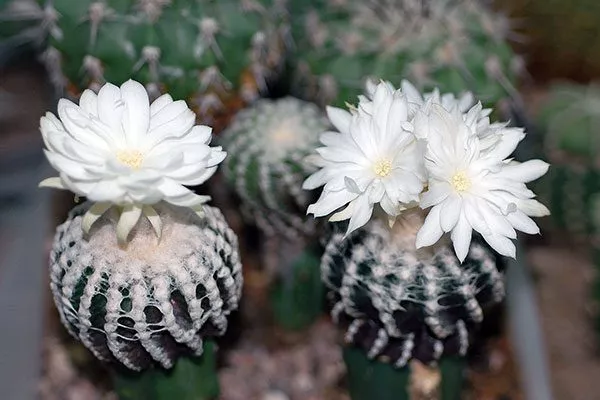
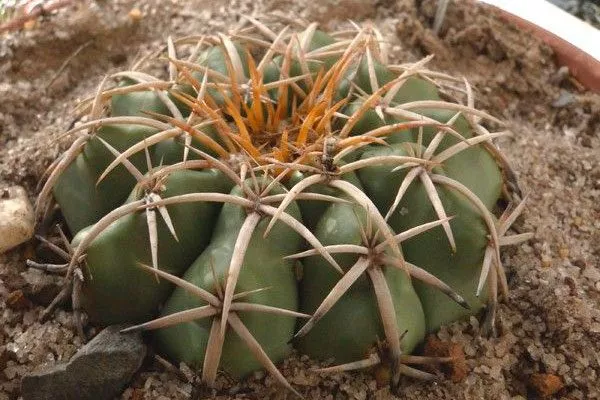
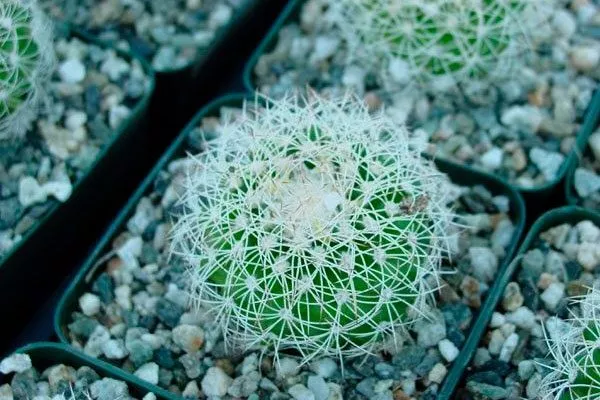
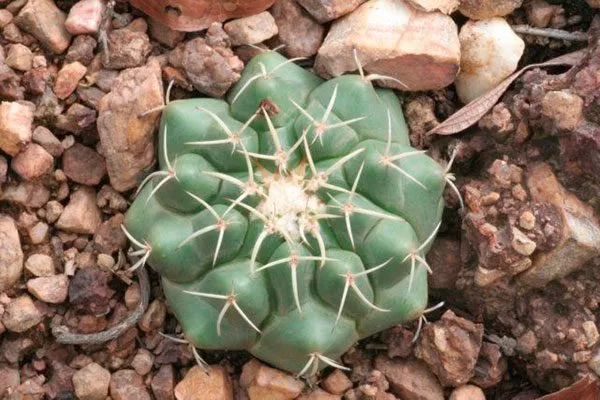
These descriptions give you an idea of the variety of discocactus and help you decide which one is right for you.
Conditions for growing indoor discocactus
Creating the right conditions will allow your discocactus to grow vigorously and delight you with beautiful blooms every year.
Lighting and placement
Discocactus prefer bright but indirect light. Direct sunlight can damage the plant's body, causing burns. It's best to place the cactus near an east- or west-facing window, away from direct sunlight.
Location features:
- Be sure to rotate the pot a quarter turn every week to ensure the plant reaches evenly toward the light.
- In winter, you can add additional lighting with daylight lamps.
Temperature and ventilation conditions
Discocactus tolerate temperatures ranging from +10°C to +30°C, but the best conditions are created at temperatures from +18°C to +25°C.
Tips for ensuring a comfortable microclimate:
- Protect the plant from cold air currents, such as from air conditioners or window vents.
- Periodically open the window to ventilate the room, as fresh air is beneficial for the cactus.
- Place the discocactus away from heating appliances and radiators.
Planting and care
In terms of cultivation, discocactus are almost no different from their relatives. However, there are some unique aspects to consider.
Soil and pot
Discocactus prefer light, breathable soil with good drainage. You can use a ready-made specialized soil for cacti and succulents, or prepare your own substrate by mixing equal parts:
- universal purchased soil;
- loosening material (fine gravel or perlite);
- peat.
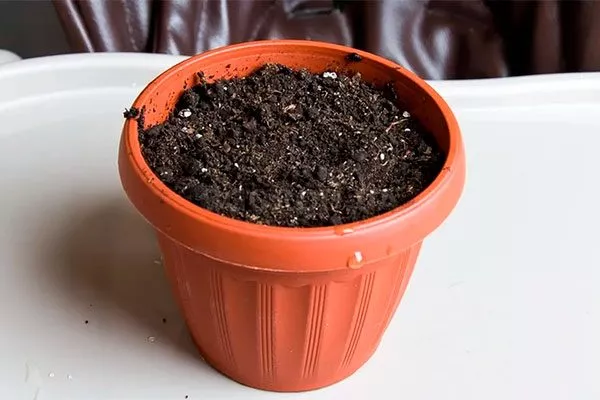
Choose a small ceramic or plastic pot, with drainage holes at the bottom. Ideally, the pot's width should be equal to the plant's diameter, plus a couple of centimeters of space.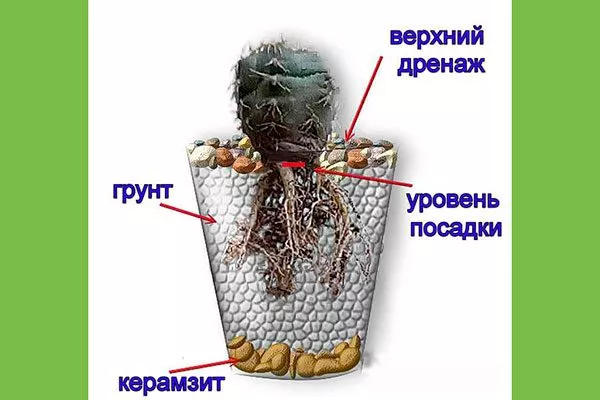
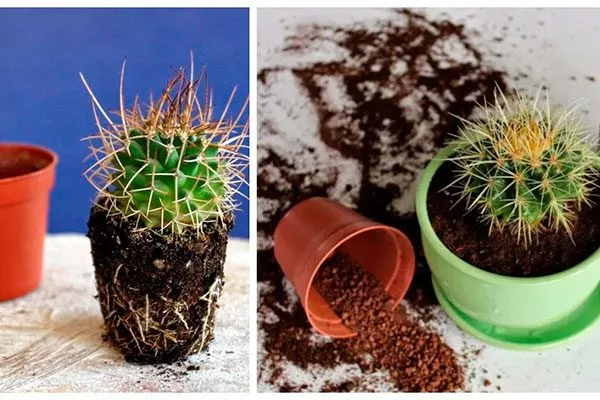
The landing process
Discocactus should be planted sequentially, following all the steps:
- Prepare the necessary materials: substrate, pot, drainage (for example, expanded clay or small crushed stone), gloves to protect your hands from thorns.
- Place a 2-3 cm thick drainage layer at the bottom of the pot to prevent water stagnation.
- Pour a thin layer of prepared substrate over the drainage.
- Carefully remove the discocactus from its old container or packaging, being careful not to damage the roots.
- Place the plant in the center of the pot, spreading out the root shoots and distributing them evenly around the bottom.
- Carefully add soil around the cactus, filling in any gaps and compacting the soil with your hands or a spoon, but not pressing too hard.
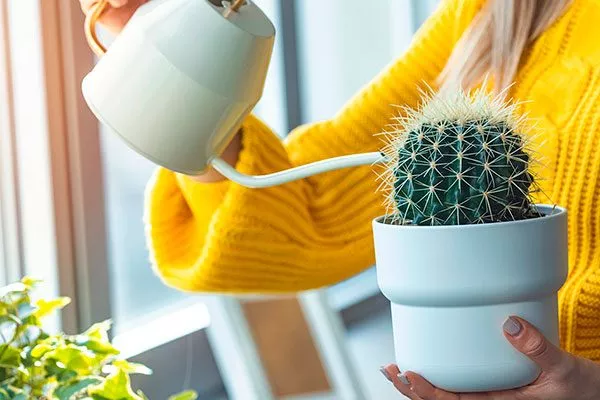
- Water the plant carefully, using a spray bottle or a watering can with a thin spout, so that water does not get inside the areoles.
- Place the pot in a shaded area for a couple of days until the plant acclimates, then move it to a permanent location with bright, filtered light.
Watering and air humidity
Discocactus, like most cacti, dislike excess moisture, but require regular watering during the active growth period (summer). Rules:
- In spring and summer, water the plant moderately but regularly, allowing the top layer of soil to dry out between waterings.
- During the autumn-winter period, reduce the frequency of treatments to a minimum, watering only when the soil is completely dry.
- The water should be at room temperature, settled or filtered.
Fertilizers and fertilizer composition
Fertilizers are applied only during the period of active growth (spring-summer), approximately once a month:
- It is preferable to use specialized fertilizers for cacti and succulents, containing a minimum amount of nitrogen and a balanced ratio of phosphorus and potassium.
- The concentration of the solution should be two or three times lower than that indicated by the manufacturer to avoid root burns.
- Before applying fertilizer, be sure to water the plant with clean water to prevent the solution from getting on the plant tissue itself.
Additionally, remember:
- Do not feed the plant under any circumstances during the winter dormant period.
- If you use organic mixtures, dilute them even more to eliminate the risk of root rot.
By following these recommendations, you will get a healthy and beautiful discocactus, pleasing to the eye with its bizarre shapes and bright colors.
Reproduction
Discocactus can be propagated in several ways, each with its own advantages and nuances. Below are the three main methods: cuttings, division, and seed.
Cuttings
Cuttings are the simplest and most reliable method of propagating discocactus. The procedure is simple and accessible even to novice growers.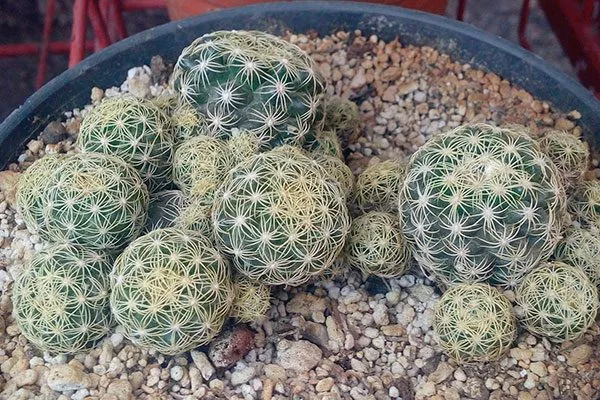
Instructions:
- Select an adult specimen with lateral shoots or babies.
- Separate the lateral shoot with a sharp, sterile instrument (scissors or a knife), leaving a short section of the mother stem.
- Leave the cutting in the air for a few days to allow the cut to heal and form a protective film.
- Plant the cutting in pre-prepared soil for cacti, burying the base 1-2 cm deep.
Keep the cutting in the shade and do not water it for the first few days, then water it moderately. After a while, the new plant will begin to root.
Dividing the bush
When the cactus becomes mature and forms several separate growth points, it can be divided into individual specimens.
Instructions:
- Carefully remove the plant from the pot and clean the roots of old soil.
- Find the division points that represent independent rosettes or stolons.
- Using a sharp tool, carefully divide the bush into sections, trying to preserve as many healthy roots as possible in each section.
- Plant each individual division in a new pot with a light, moisture- and air-permeable substrate.
During the first few days, keep new plants in partial shade and water moderately.
Seeds
The seed method is used much less frequently, as the process is long and labor-intensive, but it allows for expanding genetic diversity and experimenting with new species.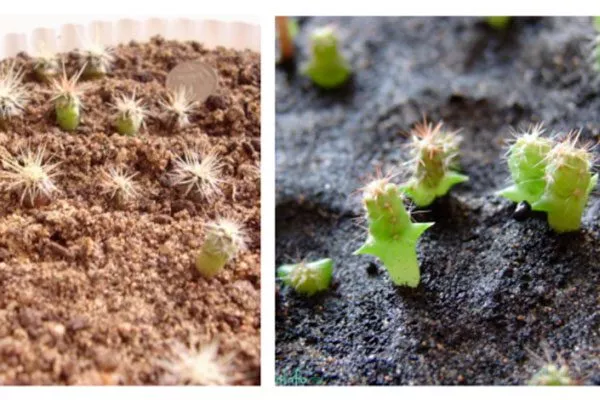
Instructions:
- Obtain seeds from ripe fruits or buy ready-made, high-quality ones.
- Soak the planting material in warm water for 24 hours.
- Prepare a container with sand or a mixture of sand and vermiculite.
- Spread the seeds evenly over the soil surface and lightly sprinkle sand on top.
- Cover the container with clear film or glass, creating a mini greenhouse.
Keep the seeds at a temperature of 20…25°C, regularly aerating and moistening the soil. The first shoots will appear in a few weeks or months, depending on the conditions and the seed type.
Diseases and pests
Discocactus, like any other plant, are susceptible to certain diseases and pest infestations. To detect problems early and take action, it's important to understand the symptoms and causes of illnesses.
Main diseases of discocactus
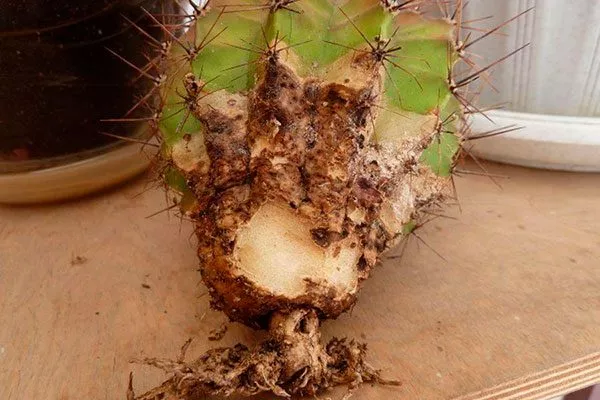
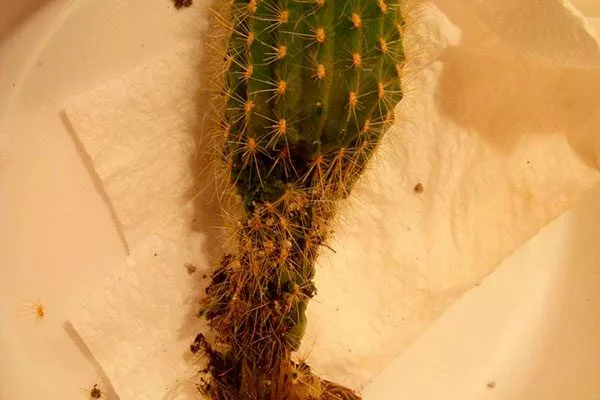
- Root rot. Cause: Overwatering, heavy soil, low temperatures. Symptoms: soft, dark spots at the base of the stem, loss of turgor. Treatment: Repot the plant in new soil, remove damaged roots, and reduce watering.
- Blackleg. Cause: High humidity, poor ventilation. Symptoms: Black spots at the base of the stem, gradual deterioration of the plant's overall condition. Treatment: Isolate the infected plant, apply copper preparations or fungicides.
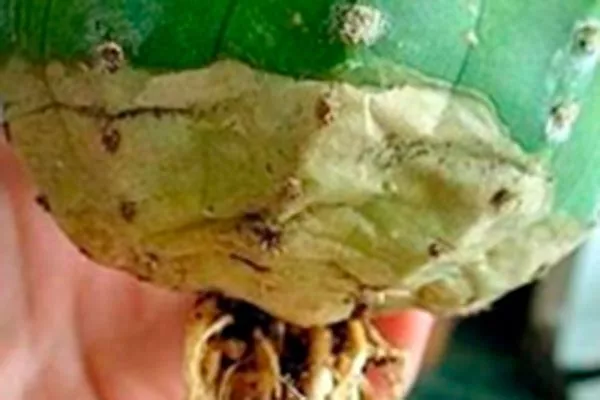
- Dry rot. Cause: High temperatures, low moisture. Symptoms: whitish coating, dry, cracked areas on the stem. Treatment: Remove affected areas and treat with a potassium permanganate solution.
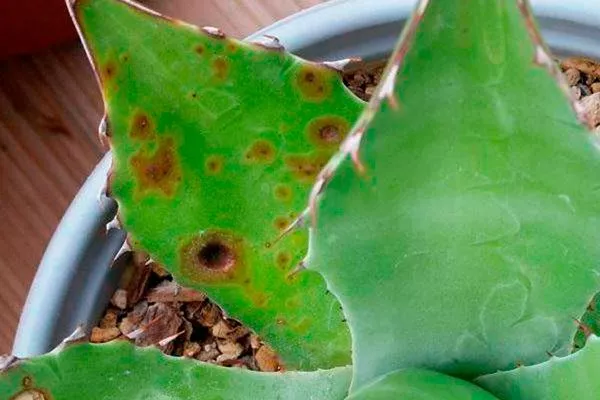
- Anthracnose. Cause: Fungal infection caused by high humidity and poor ventilation. Symptoms: Round brown spots on stems and shoots. Treatment: Use special preparations (fungicides).
The main pests of discocactus
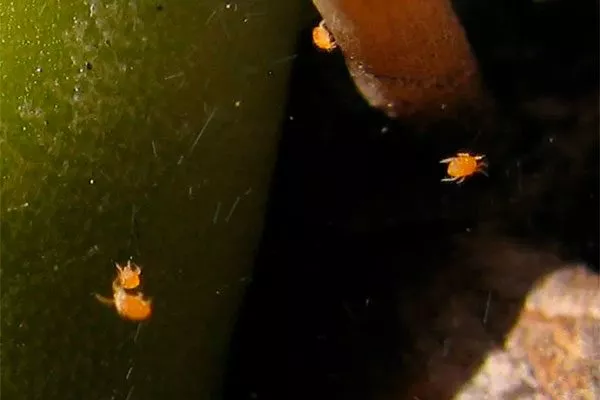
- Red spider mite. Causes: low humidity, warm climate. Symptoms: yellowing leaves, fine webbing on stems. Treatment: increased humidity, treatment with acaricides.
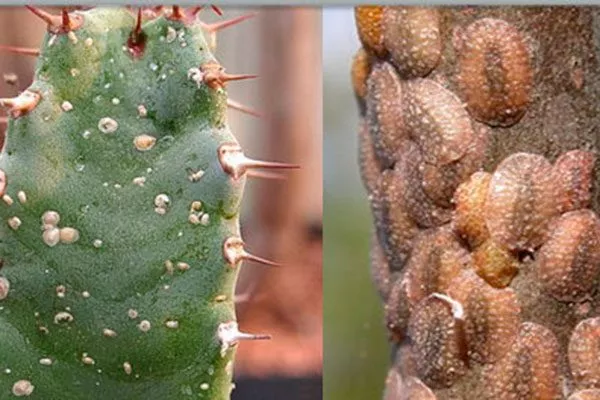
- Scale insect. Causes: High humidity, poor ventilation. Symptoms: Brown or yellow scales on stems and leaves. Treatment: Mechanical removal of scales with a cotton swab soaked in alcohol, insecticide treatment.
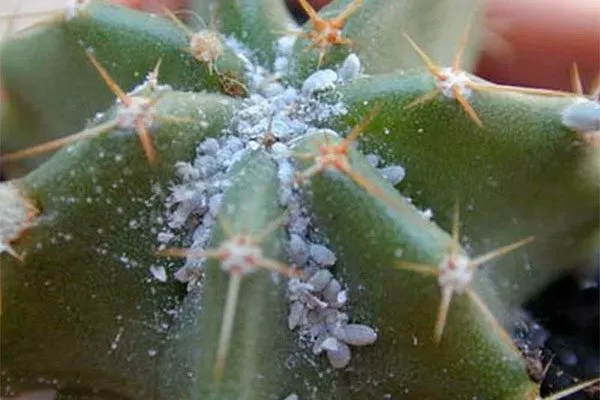
- Mealybug. Causes: irregular watering, heat, and humidity. Symptoms: white, cottony coating on stems and leaf axils. Treatment: clean affected areas with alcohol solution, treat with insecticides.
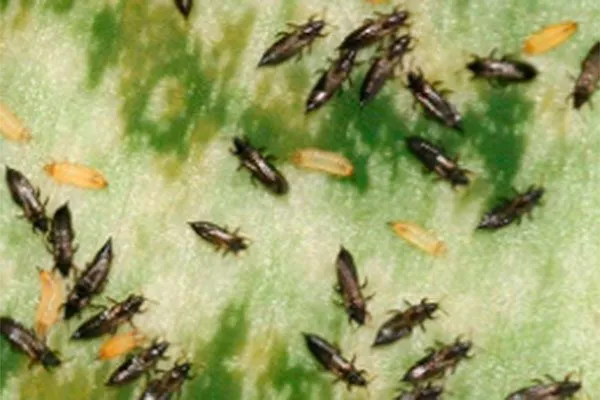
- Thrips. Causes: High temperatures, low humidity. Symptoms: Silvery marks and tissue deformation. Treatment: Improve ventilation, increase humidity, and treat with appropriate insecticides.
Advantages and Disadvantages of Growing Discocactus
In summary, growing discocactus is an interesting and enjoyable activity, although it requires some experience and knowledge.
Care tips
Experienced cactus growers are happy to share their experiences and provide important recommendations for caring for discocactus:
- water moderately, avoiding excess moisture;
- provide good drainage and aerated soil;
- place the plant in a place with bright but diffused light;
- control the temperature: optimal +25°C;
- clean dust regularly with a soft brush;
- periodically feed with a special fertilizer for cacti;
- Avoid water droplets getting on the plant body;
- move the pot to a warm place for the winter, reducing watering;
- Protect the plant from possible pests (spider mites, scale insects, etc.).
Reviews
So, despite the need for attention to a number of details, discocactus will make a wonderful addition to your houseplant collection thanks to its uniqueness and ease of care. The key is to choose your favorite variety and strictly follow the step-by-step instructions for planting, repotting, and overall cultivation.