
Cacti have long won the hearts of millions of fans, becoming a symbol of endurance and undemanding nature. But along with their popularity, various myths and misconceptions have emerged regarding their care. This applies to more than just care, so it's worth dispelling the most common myths and learning the truth.
Myth #1: Cacti don't need watering at all.
One of the most persistent stereotypes is that cacti require virtually no water. This is partly true, as most species are indeed adapted to life in arid regions. However, completely ignoring water will lead to the death of the plant.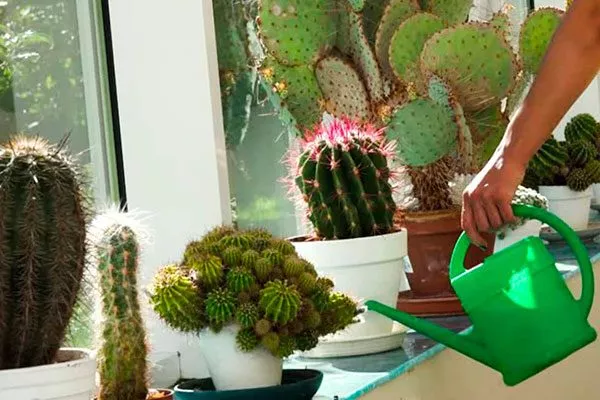
Many cacti even require regular watering, especially during active growing seasons. During the warmer months (summer and spring), watering should be done once every one to two weeks, and in winter, reduce watering to a minimum, depending on how dry the soil is.
Myth #2: All cacti are equally hardy and patient.
There's a common misconception that any cactus can withstand various challenges, be it heat, cold, low light, or poor soil. But this is far from true.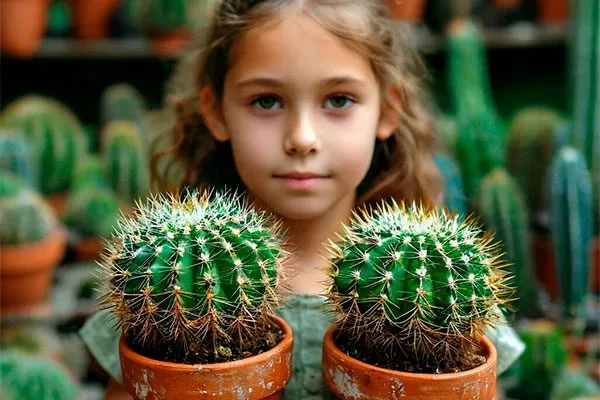
Each cactus species has its own unique environmental requirements. Some varieties thrive in hot climates, while others require specific conditions, such as partial shade or high humidity.
Myth #3: The less light, the better for a cactus.
Many people think cacti will thrive in a dimly lit corner of an apartment. But this is a misconception. Most members of this family require good light, especially bright natural light. A bright, south-facing window is ideal for many varieties.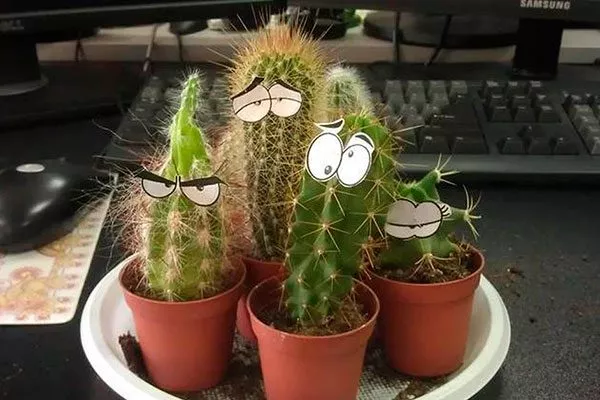
Myth #4: Any soil is suitable for cacti
Some people believe that cacti can be planted in any soil because they will survive anywhere. However, high-quality soil is essential for normal growth and plant health.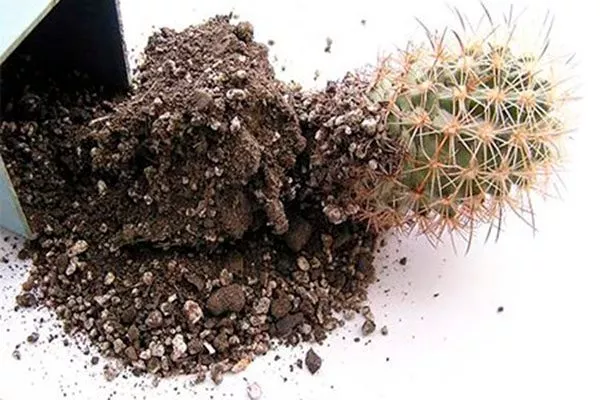
A specialized cactus substrate should be light, sandy, and well-drained. Soil used for regular houseplants is more likely to harm your cactus, causing waterlogging of the roots and subsequent rot.
Myth #5: Cacti never need fertilizer.
Some people are convinced that cacti require no feeding at all, believing they are capable of absorbing everything they need from their environment. In reality, any plant needs nutrition, and cacti are no exception.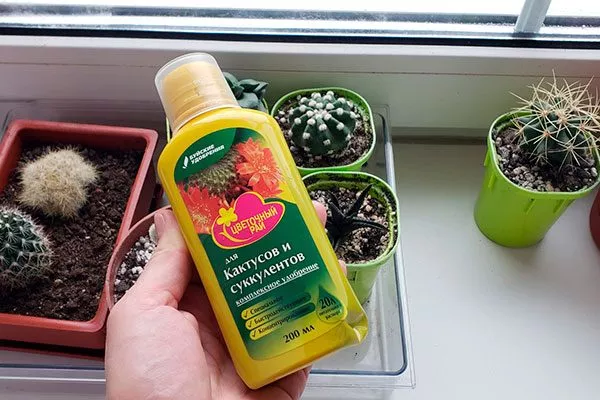
Periodic fertilization with special fertilizers designed for succulents will ensure proper development and a beautiful appearance.
Myth #6: They can tolerate any neighborhood
It's often assumed that cacti can be placed next to any other plants, regardless of compatibility. However, this is incorrect, as it's important to monitor the conditions in which cacti are grown.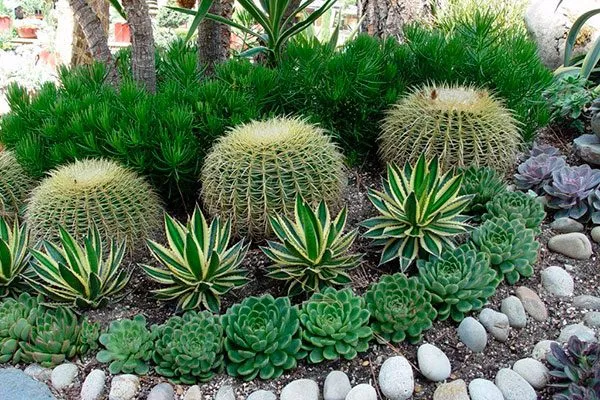
They may suffer from excess moisture next to moisture-loving plants, and they may experience a lack of light next to shade-loving plants. Choose your neighbors wisely.
Myth #7: Indoor cacti can survive in complete darkness.
Another misconception is that cacti can easily survive in complete darkness. This is another lie, because even indoor cacti need light. Without it, they will stop growing and developing, which will sooner or later lead to their death.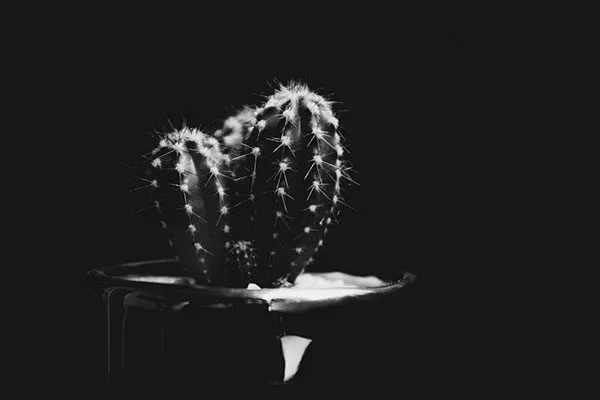
Myth No. 8: Cacti need monitor energy
There's a common misconception among generations about the ability of cacti to protect people from electromagnetic radiation from computers. In fact, placing these plants near a computer screen has no effect on radiation levels.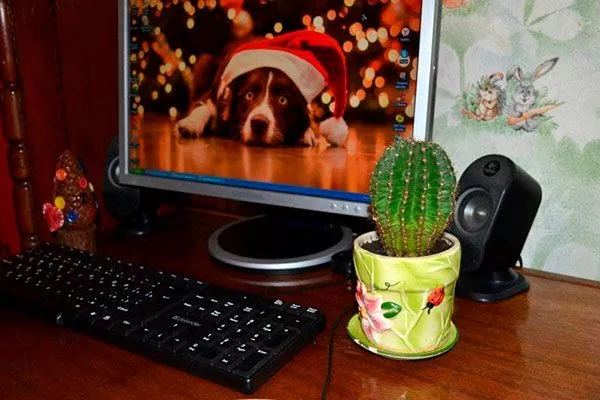
Interesting features:
- The source of this myth was an article written by a journalist after a discussion at a conference in the 1990s, where the possibility of using cacti to protect against radiation was mentioned (this was done as a joke, which not everyone took correctly).
- Scientific research confirms that magnetic fields are not absorbed by these plants, so such use is completely pointless.
- This theory is supported by flower growers, since flowers growing in partial shade (on a computer desk) begin to wilt, refuse to bloom, etc.
Remember, only a cactus placed in a well-lit area will develop normally, but by itself it is not capable of neutralizing the effects of electronics and absorbing all the negativity.
Myth #9: It's best never to repot a cactus.
It's a common belief that cacti don't require repotting, especially given their natural habitat, where root growth is virtually unlimited. But in indoor conditions, the situation changes dramatically:
- As the plant develops, it begins to need renewed soil and root space.
- Without timely replanting, the roots begin to die, which leads to a cessation of growth and a deterioration in the general condition of the plant.

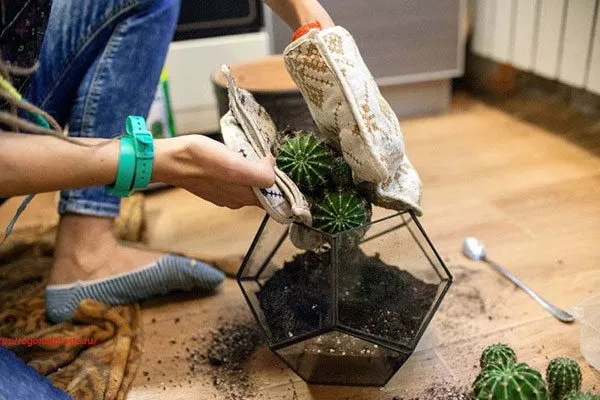
Therefore, regular repotting is the key to your cactus's health and longevity. Don't ignore this important aspect of care, and your green "pet" will reward you with a healthy appearance, blooms, and vigorous growth.
Myth #10: Cacti shouldn't be outdoors.
The notion that cacti are intolerant of outdoor conditions is incorrect. These plants adapt well to cool temperatures and even require temperature fluctuations to stimulate growth and strengthen their immune system:
- It is recommended to take them outdoors at a temperature of about 10-15 degrees Celsius, which promotes active development.
- Ultraviolet rays are beneficial for the full formation of stems and flowers.
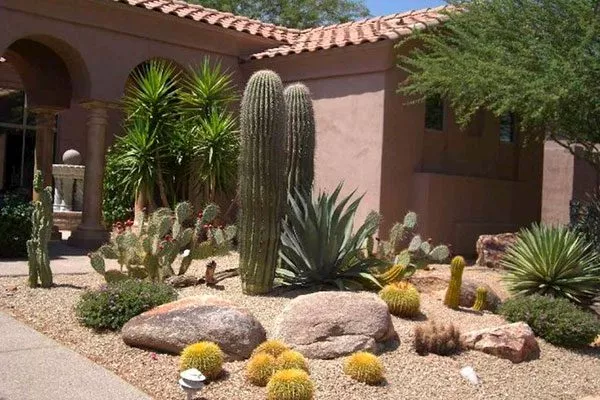
For the first walk, it's best to choose a cloudy day, simulating the gradual acclimatization of the seedlings. During rainy weather, it's advisable to bring the flowers indoors or protect them from moisture. The plants should be brought back indoors in the fall, when the temperature drops below 8°C (46°F), to avoid hypothermia.
Myth #11: Cacti love heat
It's impossible to generalize about the response of all cacti to direct sunlight. Some varieties thrive in full sun, while others prefer east- or west-facing windows. A common characteristic across all varieties is slower growth in hot weather.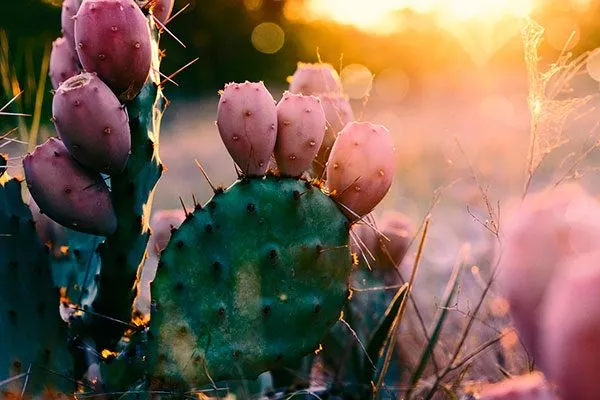
Myth #12: Fertilizers stimulate flowering
There's a common myth that applying large amounts of fertilizer stimulates cacti budding. However, this isn't true.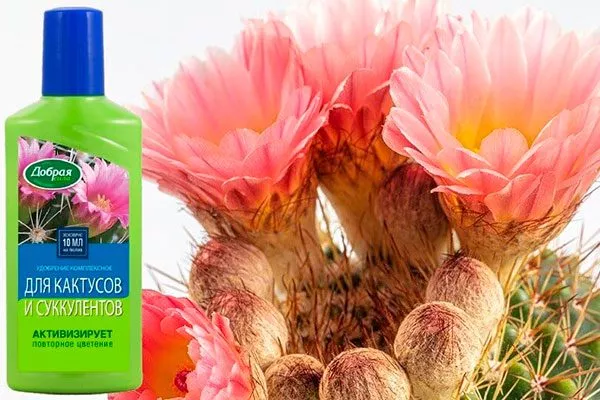
Excessive application of fertilizers not only provides no benefit but can also negatively impact the plant's health, preventing flower bud formation. Instead, it's important to practice moderation and follow the recommendations of cactus care professionals.
Myth #13: It blooms once in a lifetime
Cacti bloom reliably every year, provided nothing interferes with their growth and development. However, keep in mind that the plant can become overwhelmed and die if it produces too many flowers. If you notice excessive buds forming, it's best to remove some of them.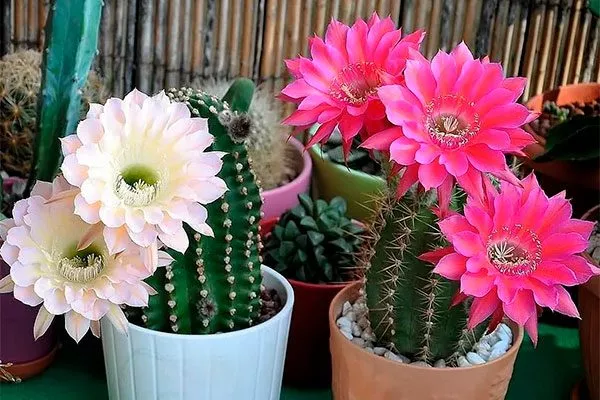
Myth #14: The more you look at your cacti, the better they grow.
This statement is absolutely true, but it's not just a folk belief, as many people think. Regular visual inspection of cacti allows you to quickly identify any problems—such as damage, disease, or pest infestations.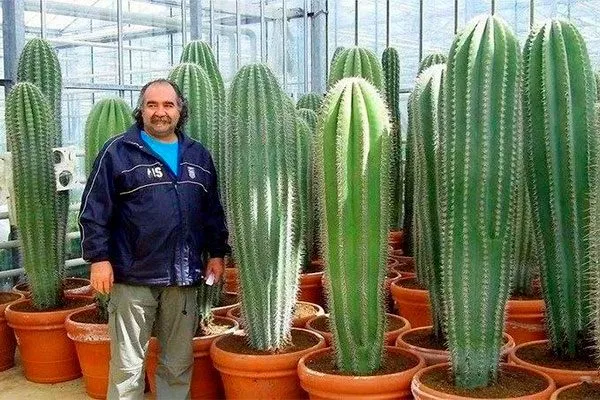
The more closely you monitor your plants, the faster you can take the necessary measures to eliminate threats and provide optimal conditions for their healthy growth and development.
Myth #15: They help you think
Cacti are believed to possess a special energy that helps improve mental processes. This is why many people prefer to place them in their offices.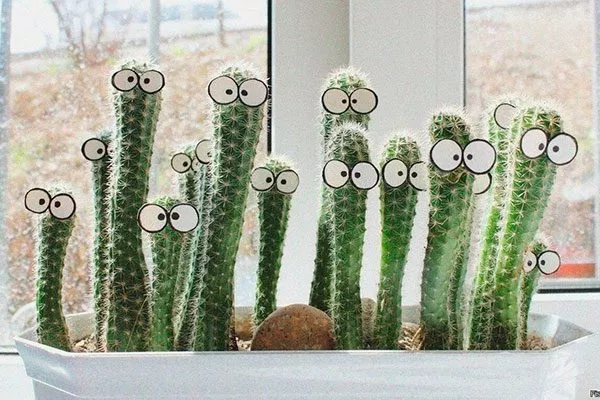
Although the impact of these plants on productivity has not been scientifically proven, they still fit perfectly into the interior of a work office due to their unpretentiousness and aesthetics.
Myth #16: A cactus that doesn't grow in the summer often dies in the winter.
That's a good statement. A cactus that doesn't actively grow during the summer is indeed at risk of not surviving the winter. If the plant is dormant and shows no signs of growth, this could indicate serious problems, such as root damage.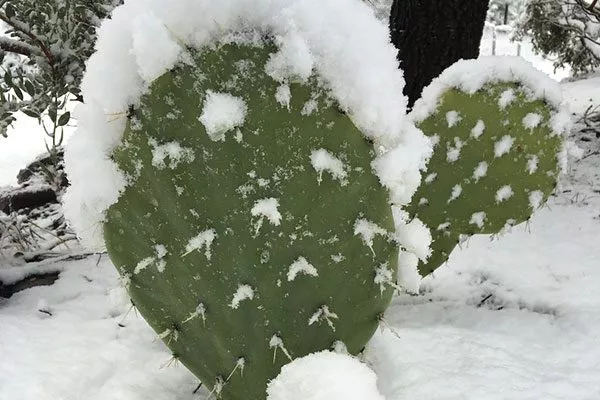
It's important to promptly identify the causes of growth delays and take appropriate care and treatment steps. This includes root inspection, repotting, cleaning, and any potential damage treatment. This is the only way to increase the chances of your green "pet" surviving.
Myth #17: The enemy will not pass
The belief in the protective power of cacti originated in South America, where hedges of these plants have long been used to protect homes from predators. Over time, this tradition migrated to our region, becoming a symbolic means of protection against unwelcome guests.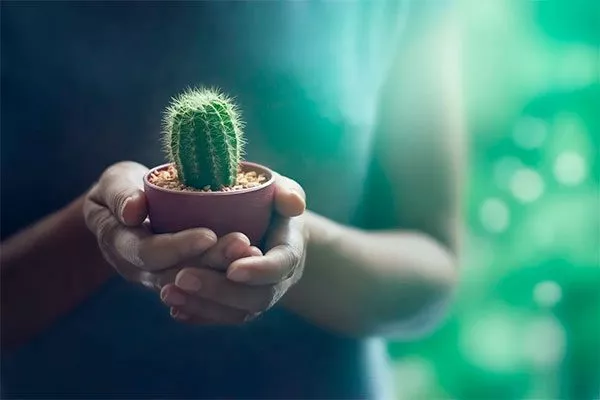
Superstitious people believe that the presence of a cactus in the home wards off intruders, envious people, and thieves. Interestingly, a similar practice existed in Russian villages, where hawthorn branches were used instead of cacti.
Myth #18: Protection from early marriage
There's a popular belief that keeping a cactus in an unmarried girl's bedroom protects against early marriage and extramarital affairs. The mechanism behind this superstition remains a mystery, except that a dense wall of cacti on the windowsill could theoretically make it difficult for suitors to enter through the window.
Another popular theory links cacti with loneliness, blaming them for divorce, infidelity, and conflicts with partners. Some even believe that acquiring a cactus will hasten the departure of an unwanted spouse.
Myth #19: Controls emotions
The belief that cacti promote emotional balance in their owner is based on the idea that liquid-containing plants symbolize calm and stability.
Unusual and interesting arguments:
- Proponents of esoteric teachings claim that these plants help to smooth out emotional outbursts, creating an atmosphere of harmony.
- According to the principles of Feng Shui, cacti act as barriers against negative energies and the formation of energy vortices.
- There is an alternative view that warns those with an irritable nature to avoid growing cacti, believing that the sharp needles will exacerbate negative temperamental traits.
A simple conclusion follows from this: blaming a prickly plant for one’s own psychological characteristics is illogical.
Myth #20: Friend of alcoholics
Among the many strange beliefs about the effects of cacti, the myth of their connection to alcohol addiction stands out. Esotericists claim that living near cacti increases the tendency to drink alcohol, but there is no scientific evidence to support this.
Myth #21: You can't give cacti as gifts.
There's a curious myth that a gift of a cactus can create discord within a family, imbuing the plant with peculiar "destructive" properties. Furthermore, there's a belief that the giver can transfer their negative energy, misfortune, and even illnesses to the plant, passing them on to the new owner.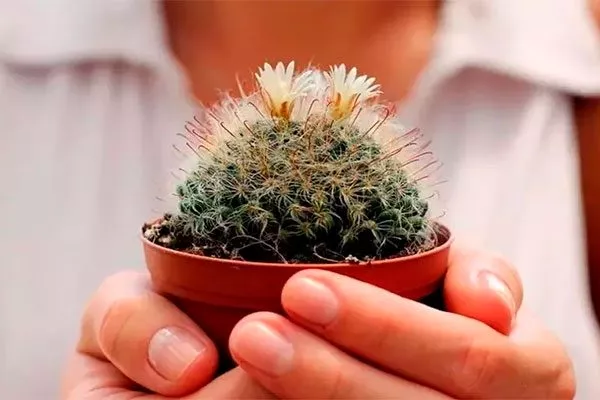
Despite the popularity of such beliefs, there is no scientific evidence to support them. People who are fond of these plants may well receive them as gifts and enjoy the beauty of their prickly "friends." Refusing such a gift would only make sense if you have a personal aversion to them; the best solution would be to give the plant to another enthusiast or place it in your workspace.
We've addressed many of the most common myths about cacti care and found that many of them are far from the truth. Now, armed with this knowledge, you can grow beautiful and healthy plants by following important care guidelines and providing your prickly plants with the proper conditions.