
Hydrangeas are popular plants, captivating with their large, beautiful blooms. However, these flowers require careful care and attention. One of the most common problems faced by hydrangea owners is wilting and drying out. To understand why this flower may be drying out, let's look at several common causes and possible solutions.
Lack of water
Hydrangeas are moisture-loving plants. If they don't receive enough moisture, the leaves begin to turn yellow and wilt.
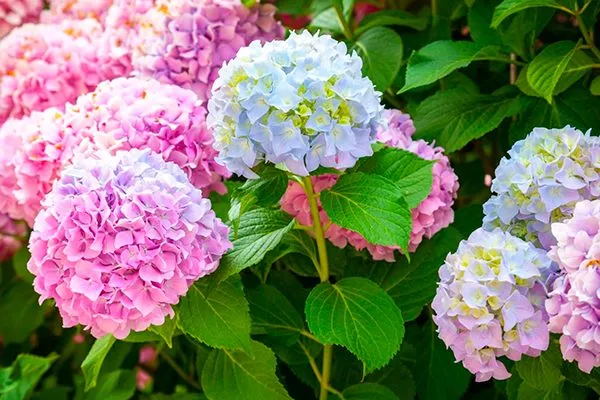
- ✓ Optimum water temperature for irrigation: 18-22°C to avoid root system stress.
- ✓ The soil moisture depth should reach 20-25 cm to provide moisture to the entire root zone.
To create optimal conditions for its growth, it is recommended to consider the following factors:
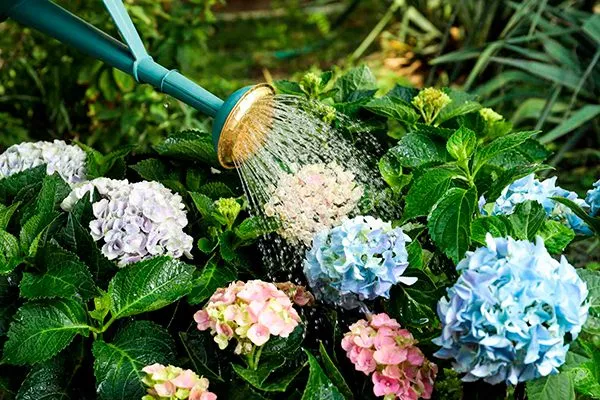
- Watering: Hydrangeas require regular and adequate watering, especially in hot weather or during the flowering period. The ideal time to water is in the morning or evening, when the sun is not as intense. The soil around the hydrangea should be moist but not soaking wet. During hot weather or high temperatures, increase the amount of water.

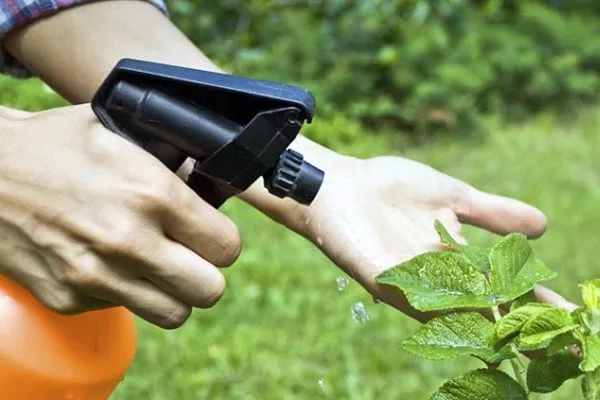
- Spraying: Hydrangeas respond well to foliar spraying. This is especially important when the hydrangea is indoors or exposed to direct sunlight.
- Blackout: If your hydrangea is starting to dry out, temporarily shading it can soften the sun's heat and reduce moisture evaporation. Shade material can be used. This approach is especially helpful during hot periods of the day or during periods of severe drought.
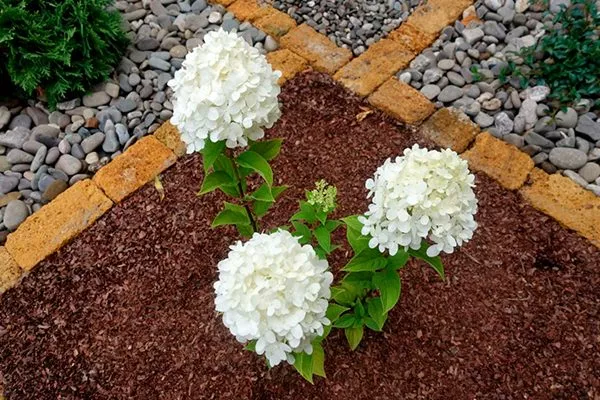
- Mulching: Applying a layer of mulch (wood chips, bark, or compost) around the hydrangea will help retain soil moisture and prevent rapid evaporation. Mulch will also help inhibit weed growth and maintain a more uniform soil temperature.
- Checking soil moisture: Regularly check the soil moisture around the hydrangea at a depth of 3-5 cm. If the soil feels dry, it needs watering. However, avoid overwatering the plant to prevent the risk of root rot.
Overwatering
Overwatering can also cause problems. Although hydrangeas require ample moisture, they do not tolerate waterlogging or standing water around the roots.
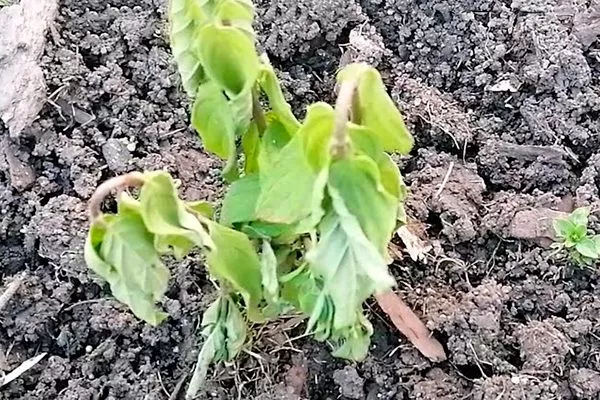
If there is excess moisture and a poor drainage system, the plant may suffer from overwatering, which can lead to diseases, root rot and drying out of the leaves.
Here are some guidelines regarding soil moisture and how to handle overwatering:
- Maintain optimal humidity levels: Hydrangeas prefer moist, but not waterlogged, soil. Ideally, the surface layer of soil should dry out slightly between waterings. Check the soil moisture using a moisture meter or simply by sticking your finger into the soil a few centimeters deep. If the soil is already damp or wet, there's no need to water.
- Ensure good drainage: These flowers are especially sensitive to overwatering in heavy clay soils or in pots with poor drainage. Allow excess water to drain freely from the pot into a saucer or ensure your garden has a good drainage layer. This will help prevent moisture retention in the hydrangea roots.
If you notice signs of overwatering and your hydrangea has started to dry out, take the following steps:
- Carefully remove the hydrangea from its pot or sort out the drainage in your garden.
- Trim off any rotten roots. They will be brown and smell foul. Sprinkle the cuts with charcoal or soot.
- Repot the hydrangea into a new pot with good drainage and quality hydrangea soil.
- Subsequent watering should be moderate, only watering when the top layer of soil has dried out.
- Watch for new healthy foliage to emerge as signs of recovery.
Incorrect landing location
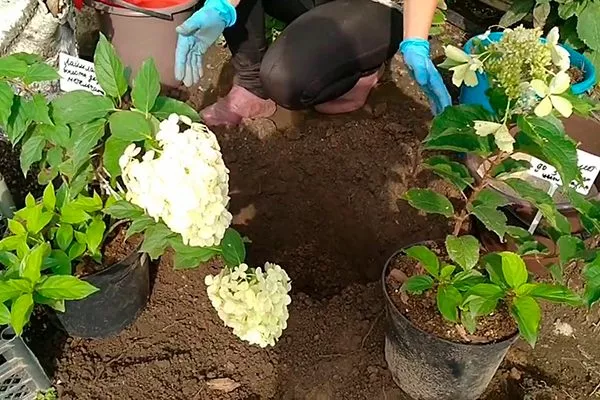
Hydrangeas require a well-lit location, but they also need protection from direct sunlight. If planted in an overly sunny spot, their leaves may dry out and burn.
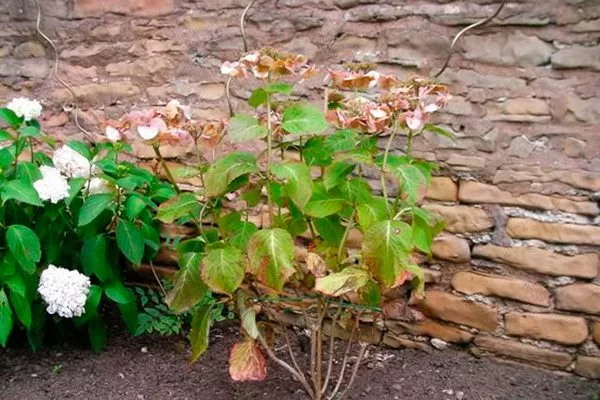
Choosing the right location for hydrangea, a few recommendations:
- Protection from direct sunlight: Place the hydrangea in a semi-shaded area, such as next to an arbor, pergola, or in the shade of taller plants.
- Morning light: The optimal location for hydrangeas is a location that receives gentle morning light. Morning sun is not as bright as midday and is favorable for growth.
- Creating an artificial canopy: If you don't have a suitable spot for planting hydrangeas, you can create an artificial canopy. This will protect the plant from bright sunlight and provide the necessary partial shade. Use a light, translucent material, such as white spunbond or gauze, to filter the sun's rays and prevent excessive light intensity.
It is also important to ensure that the hydrangea is not overwhelmed by neighboring, fast-growing or large plants, which can take nutrients from the soil and create too much shade, preventing the hydrangea from developing.
Diseases
Hydrangeas are susceptible to various diseases that can cause them to dry out. Be alert for signs of disease and take appropriate treatment.
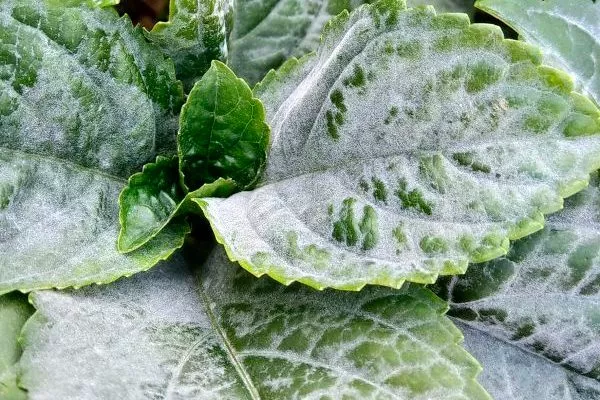
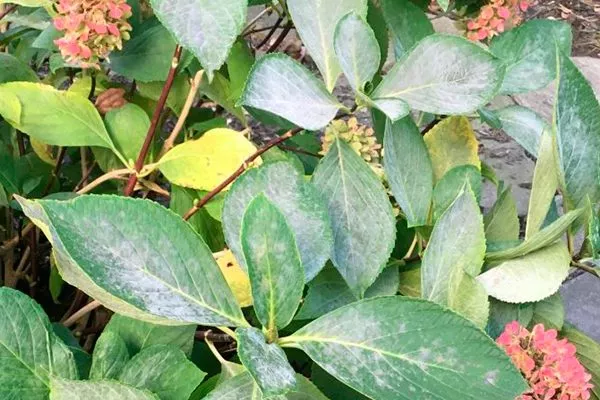
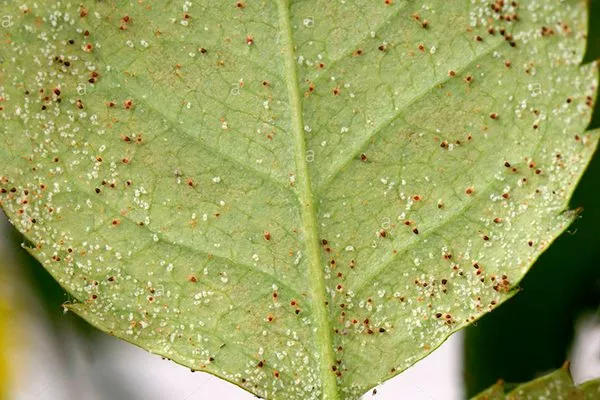
- ✓ First signs: the appearance of a white coating mainly on the underside of the leaves.
- ✓ As the disease progresses, leaves curl and fall off.
Here are some common diseases:
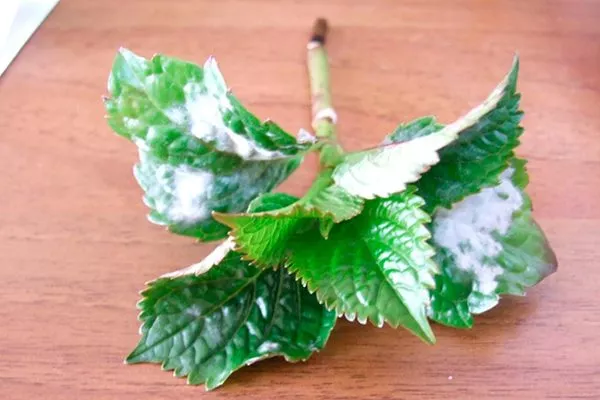
- Powdery mildew: A whitish, flour-like coating appears on the leaves and stems of hydrangeas. For treatment, fungicides recommended for this disease can be used.
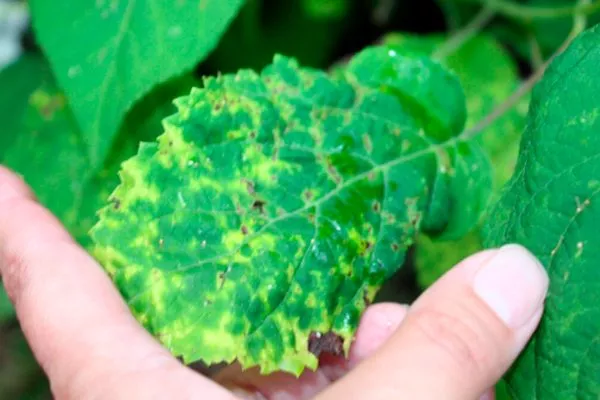
- Downy mildew, or false powdery mildew: This is a fungal infection that causes gray or yellow spots on hydrangea leaves. Treatment involves using fungicides and removing the affected parts of the plant.
- White and gray rot of hydrangea: These rots cause wilting and rotting of hydrangea leaves and stems. To prevent or treat them, it's important to ensure good air circulation around the hydrangea, regularly remove infected parts, and apply fungicides if necessary.
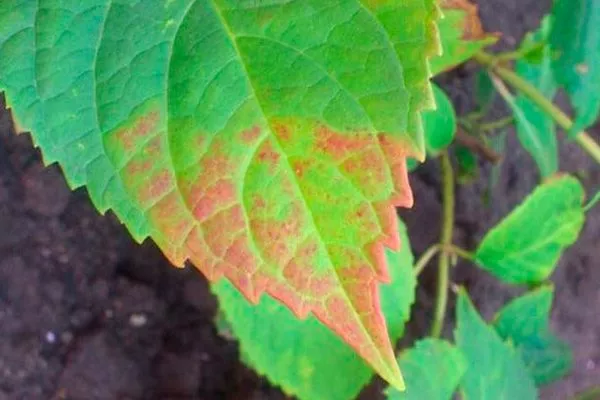
- Hydrangea rust: This disease manifests itself as rusty spots on the upper surface of leaves and spore formation on the underside. Treatment involves removing affected leaves and applying fungicides.
- Viral diseases: Typically, symptoms include leaf discoloration, deformation, wilting, and other abnormalities. Once infected, the plant most often dies and must be destroyed. There are no treatments available to combat this disease.
- Physiological problemsConditions such as improper care or unfavorable growing conditions can also cause problems for hydrangeas. In these cases, it's important to ensure proper growing conditions, regular care, and healthy plant maintenance.
Pests
Some pests can attack hydrangeas, causing damage to leaves and stems. Regular inspection and the use of insecticides will help control these insects.
Here are some common hydrangea pests and how to control them:
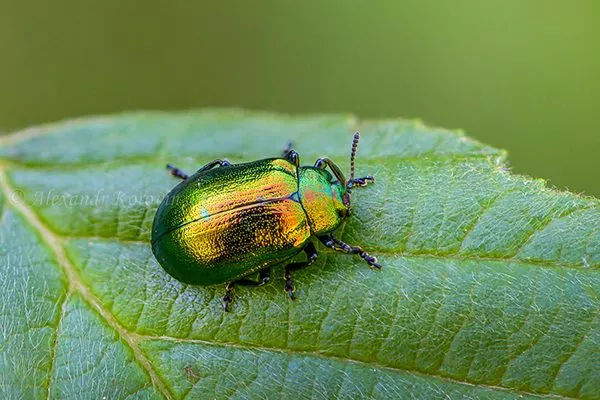
- Leaf beetles (longhorn beetles): They can cause significant damage to hydrangeas. The beetle larvae feed on the plant roots, which disrupts the supply of nutrients and moisture. The leaves become chlorotic (yellow), and the plant dries out. To control the beetles, inspect the plants regularly and apply insecticides if necessary.
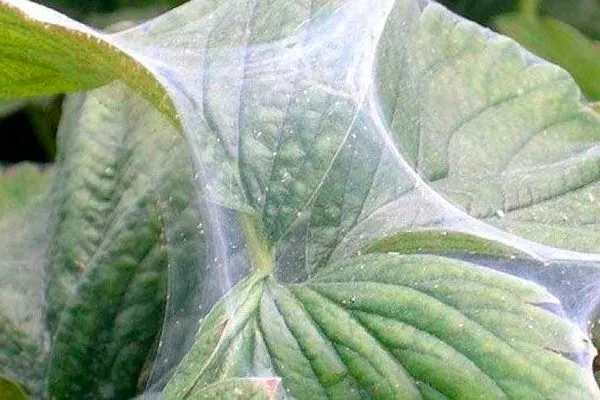
- Spider mite: A small spider-like pest that can cause serious damage to hydrangeas. It feeds on plant sap, causing yellow, dry spots to appear on the leaves. Damaged leaves may then fall off. These pests prefer dry, dusty environments, so maintain humidity levels around the plant, regularly moisten the leaves, and use insecticides specifically designed to control spider mites.
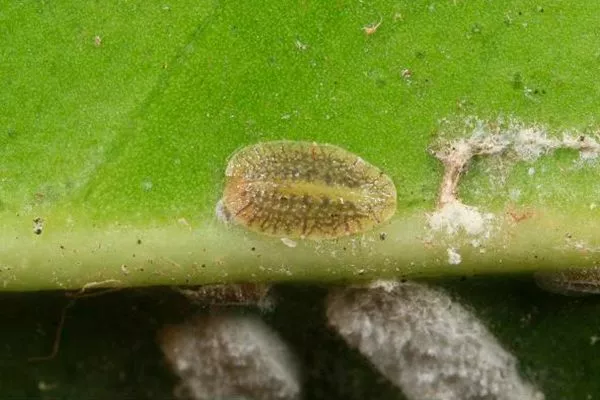
- Scale insects: A group of insects that can attack hydrangeas. They feed on the sap of leaves, stems, and flowers, which can cause them to dry out and fall off.
Scale insect control involves regularly inspecting plants, removing the most affected parts, and using insecticides to control the population of these pests.
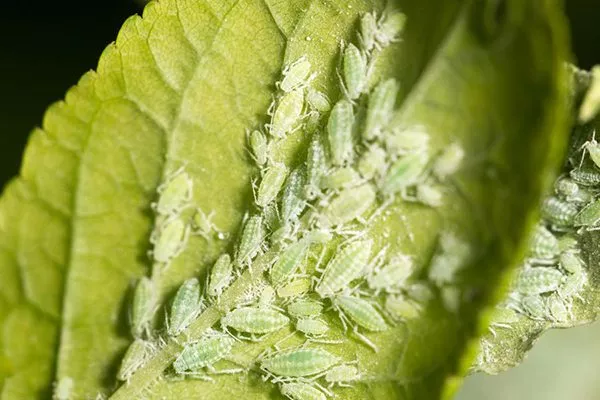
- Aphid: These are small insects that feed on plant sap and can cause leaf desiccation. They cause leaves to curl and turn yellow.
Aphid control may involve applying insecticides, using a soapy solution to wash the plants, or using a jet of water to flush the insects off the plant.
- Ticks: Insects that suck plant sap. They can leave yellow-brown spots on leaves and cause them to dry out.
Spider mite control involves using insecticides, regularly inspecting plants, and removing affected leaves. Maintaining adequate humidity around the plant is a good precaution, as spider mites prefer dry environments.
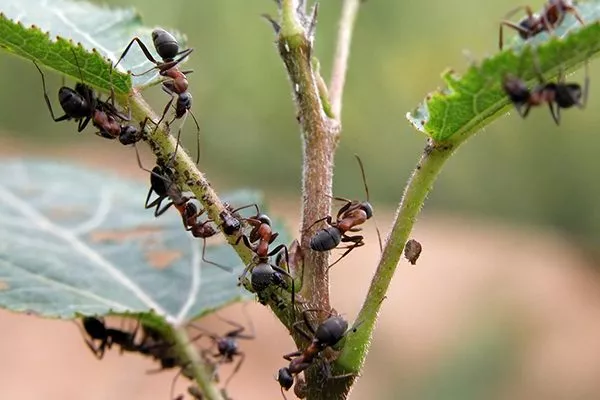
- Ants: Ants may not be direct pests of hydrangeas, but they can attract other pests, such as aphids. They can also create nests at the roots of hydrangeas, which negatively impacts the plant's health.
Ant control involves using barriers, such as chalk or special ant traps, to prevent them from accessing plants. Also, remove honeydew or copper mildew from leaves, which can attract ants.
Bad soil
Soil quality also plays a crucial role in hydrangea health. Drying and leaf drop can be caused by several factors, including low soil pH and heavy, compacted soil.
Too low or high soil acidity
Hydrangeas thrive in soil with a pH of around 5.5. The blooms on the bushes become lush and vibrant in color. Experienced gardeners pay attention to the shade of the petals to determine when to increase the soil's acidity.
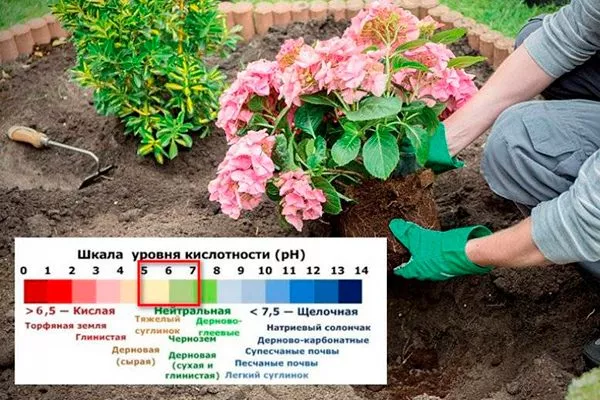
How to determine the soil acidity level by the shade of hydrangea flowers:
- In neutral soil, flowers turn white or have a faint blue tint.
- The pink color of the flowers indicates an acidity of 7.5-8 pH.
- The bright pink color of the petals indicates acidity in the range of 6.3-6.5 pH.
- The flowers turn blue at a pH of 4.8-5.5. The petals acquire a blue tint at a pH of 4.5.
- Purple flowers may be visible when the soil pH is 4.
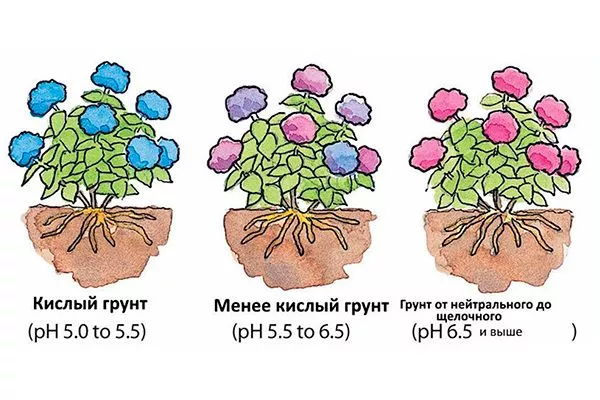
You can increase the acidity of your hydrangea's soil using simple methods, without the use of special chemicals. The most popular methods include:
- vinegar;
- oxalic acid;
- mineral supplements;
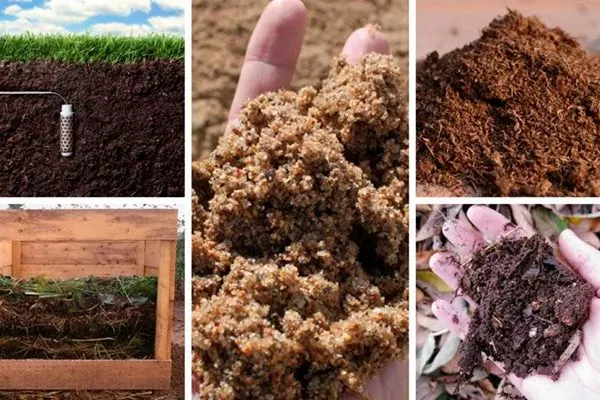
- adding peat, pine litter or rotted sawdust to the hole when planting.
If you use the wrong soil, the plant may experience problems.
If the soil is too acidic (low pH), it can lead to poor nutrient absorption, especially micronutrients like iron and nitrogen. However, if the soil is too acidic (high pH), it can block access to some micronutrients, which also negatively impacts plant health.
Heavy or dense soil
Hydrangeas prefer loose, nutritious, and well-drained soil that allows the roots to develop freely. If the soil is too heavy and compact, it will retain moisture and the plant will not receive sufficient nutrients and oxygen for growth and development. This can lead to desiccation.
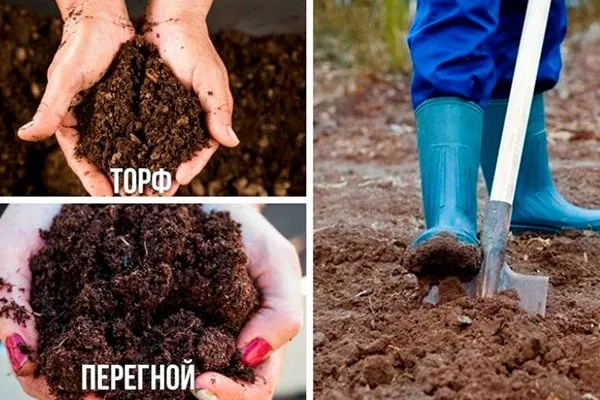
To improve the soil structure, you can add organic compost or humus, which will improve drainage and airiness of the soil.
Micronutrient deficiency
Hydrangeas require certain minerals and microelements (such as iron and nitrogen) for normal growth and development. If the soil lacks these nutrients or they become depleted, this can lead to chlorosis (yellowing) of the leaves and subsequent leaf drop.
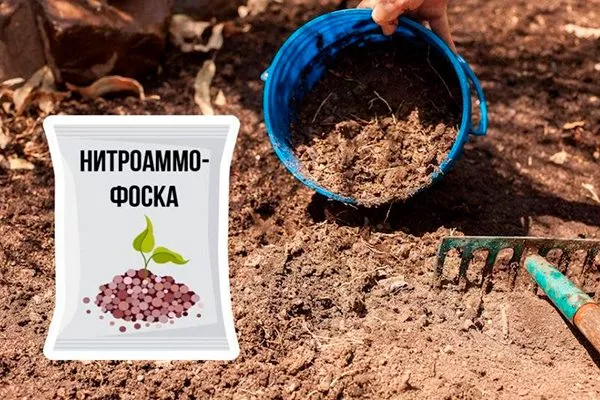
To prevent nutrient deficiencies, you can use fertilizers for acidic soils that contain appropriate elements, such as iron chelates or nitrogen-containing fertilizers such as nitrogen, phosphorus and potassium.
Errors during transplantation
Hydrangeas are sensitive to repotting, and improperly performing this procedure can damage the root system. Small roots are responsible for absorbing nutrients and moisture from the soil, and damage to them can cause problems with the plant's nutrition, stress, and drying out of the leaves or the bush itself.
Recommendations for replanting hydrangea:
- Repot hydrangeas in the spring when the plant is actively growing.
- Transport the plant together with the root ball and do not scatter it.
- Transplant the bush into a new, fairly spacious pot.
- Choose a moderately acidic and loose soil to ensure good drainage and aeration for the roots.
- When replanting, deepen the plant's collar by a few centimeters, but not too deep.
Low air humidity
Hydrangeas prefer a high-humidity environment. If the air is too dry, it can cause the plant to wilt and dry out. This is especially true in dry climates or when growing hydrangeas in a greenhouse. If your hydrangea is prone to drying out due to dry air, here are a few ways to help:
- Regular spraying: This will help moisten the leaves and create a more comfortable environment for the hydrangea. Use soft or filtered water to prevent mineral deposits from building up on the leaves. Mist as often as possible during hot periods.
- Microclimate creation: When growing hydrangea in a greenhouse, create a microclimate that is more favorable for the plant or place a small permanent greenhouse around the plant to retain moisture and prevent evaporation.
- Using a humidifier: Install a humidifier in the room where hydrangea is grown; this will help maintain an optimal level of air humidity.
- Regular ventilation: If hydrangeas are grown in a greenhouse, it's important to ventilate the room frequently. Opening doors and windows will allow air circulation, which will help reduce humidity and prevent condensation from forming on the leaves.
Drafts and sudden temperature changes
Drafts and temperature fluctuations can stress the plant. This can lead to dehydration, damage to leaves and stems, and ultimately, drying out.
Recommendations:
- Avoid drafts: Avoid placing hydrangeas near windows or doors. Position the plant where there is no direct flow of cold air. Drafts can cause dehydration and damage to the leaves. Choose a sheltered location or create a natural barrier, such as with other plants or a fence.
- Adjust the temperature: Avoid sudden temperature changes. Create comfortable conditions for the plant by maintaining a stable temperature of 20-23°C (68-73°F) throughout the day. Avoid placing hydrangeas near air conditioners or heaters.
- Provide a period of rest: If your hydrangea has stopped blooming, it may be helpful to create a dormant period to encourage it to bloom. During this dormant period, reduce the temperature to 10-13°C (50-55°F). This will help the plant rest, recharge, and prepare for the next period of active bloom.
Hard water
Hard water, which contains a large amount of minerals, can have a negative effect on hydrangeas and cause them to dry out.
Here's how it can affect you and how you can fix this situation:
- Accumulation of mineral deposits: Hard water can leave mineral deposits on hydrangea leaves and roots, creating a barrier to moisture and nutrient absorption. This can lead to the plant drying out. Furthermore, the accumulation of minerals causes changes in soil acidity, which also negatively impacts hydrangeas.
- Soil pH Correction: To correct the effects of hard water on hydrangeas, it's important to monitor the soil pH. If your water is hard and raising the soil pH, you can use special additives, such as sulfur or ammonium nitrate, to lower the pH.
- Using filtered or distilled water: This will reduce the amount of minerals that reach the soil and leaves and improve the plant's ability to absorb moisture.
- Spraying soft water: It will help wash away mineral deposits from the leaves and create a more favorable environment for the plant.
- Growing in soil with good drainage: This will prevent moisture retention in the soil and reduce the impact of hard water on hydrangeas. Poor drainage can be improved by adding perlite or sand.
Too much sun
Hydrangeas prefer partial shade or moderate light. They do not tolerate strong direct sunlight, especially during dry periods. Sun exposure can cause scorching, causing the leaves to turn black and dry out.
If your hydrangea is drying out due to too much sun, you can take the following steps:
- Move the plant: If the flower is grown outdoors, try replanting it in partial shade or shade, where it will receive morning or evening sun but is protected from the bright midday sun. This could be under a tree, near other plants, or next to a fence that provides protection from direct sunlight.
- Create artificial shade: If moving the plant is not possible, create artificial shade. Place shade cloth, a curtain, umbrella, or shade net over the hydrangea to limit direct sunlight. Make sure the plant still receives sufficient indirect light.
- Plan your watering: Excessive sun can cause rapid evaporation of moisture from the soil. Increase the frequency of watering your hydrangea to prevent the soil from drying out. However, be careful not to overwater.
Try watering your hydrangea in the morning or evening, when sunlight is less intense. This will allow the water to soak into the soil more effectively and reduce the risk of evaporation. - Mulching the soil: Applying a layer of mulch around the hydrangea's root zone will help retain moisture and create a protective layer from excess sun. It will also help keep the soil cool.
Hydrangeas can dry out for a variety of reasons, including watering and growing conditions, as well as diseases, pests, and soil quality. It's important to provide the plant with sufficient moisture, avoid overwatering, choose the right planting location, and provide optimal air and temperature conditions.