
Hydrangea attracts attention with its elegant form, vibrant colors, and the multitude of shades of its magnificent blooms. From early spring, this shrub requires special care, and its successful development and abundant blooms depend on its effectiveness.
Caring for hydrangeas in spring
Pruning hydrangeas plays a key role in their overall care, positively impacting the plant's health, flowering, bush shape, and even flower size. Here are a few important reasons why pruning hydrangeas is an essential part of gardening:
- Stimulating new growth. Pruning hydrangeas stimulates new growth, which in turn promotes the formation of stronger, healthier branches. This process promotes the renewal of the bush and the creation of a more lush crown.
- Formation of a beautiful crown. Proper pruning helps shape the bush so that it has a beautiful and harmonious crown. This is important for the aesthetic appeal of the garden and highlights the decorative qualities of the hydrangea.
- Adjustable size and shape. Pruning allows you to control the size and shape of the bush. This is especially useful when growing hydrangeas in a confined space or when maintaining a specific size for a garden's architectural design.
- Improving color quality. Pruning promotes the formation of large, vibrant blooms. Controlling certain growth parameters and directing the plant's energy toward flower formation improves their quality and visual appeal.
- Prevention of diseases and pests. Regular pruning removes diseased, damaged, and old branches, preventing the spread of disease and allowing light and air to reach the plant.
- ✓ Pruning should only be done with a sharp and sterile tool to prevent plant infection.
- ✓ For large-leaved, serrated and prickly hydrangeas, pruning of last year's inflorescences should be done before the start of active sap flow, so as not to damage new buds.
Pruning hydrangeas is not only a care method, but also an art that helps create a healthy, beautiful, and lushly flowering plant in the garden.
Removing the cover
When choosing plants for the garden, experienced gardeners prefer hydrangeas. During flowering, these shrubs are covered in large blooms that fill the air with a pleasant aroma. Proper hydrangea care in the spring guarantees abundant and long-lasting blooms until autumn.
Uncovering the bush should begin in late March, although in northern regions this period may shift to April or May. The main requirement is maintaining a positive temperature both day and night, avoiding frost.
Watering
After wintering, especially if the winter was dry and frosty, hydrangeas experience moisture deficits, so proper watering is essential. To stimulate a rapid awakening from hibernation, the plant needs to be "awakened." Here are a few key points for effective watering:
- One adult hydrangea bush requires approximately 12-15 liters of water.
- Avoid watering the plant with chlorinated water. Before watering, allow tap water to settle in open containers for 2-3 days.
- Add potassium permanganate to the prepared water for irrigation. The resulting solution should have a pale pink tint, which helps protect the plant from disease.
- Avoid watering hydrangeas with ice-cold water. Before watering, the water should be at 30-35°C.
- Water the solution once a week in warm weather. During rainy and cool springs, water every 10 days.
- ✓ Watering should be deep so that the water reaches the root system and not just moistens the soil surface.
- ✓ In hot weather, increase the frequency of watering, but reduce the amount of water at a time to avoid overwatering.
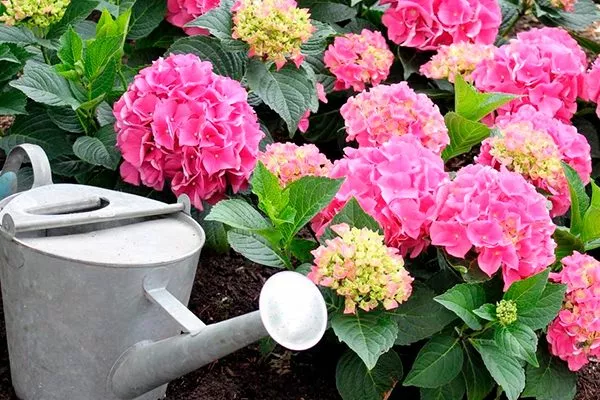
Following these steps will ensure your hydrangea receives the moisture it needs and supports healthy growth after the winter.
Top dressing
In early spring, hydrangeas are actively developing leaves and buds, requiring careful fertilizing to stimulate healthy growth and abundant blooms. Fertilizing is a two-step process:
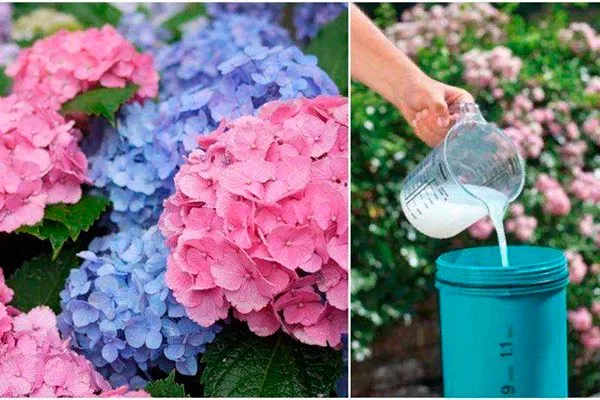
- Leaf formation phase. During the early leaf formation stage, use a mixture containing water, potassium sulfate, and urea. To prepare the solution, mix 1 teaspoon of each component per 5 liters of water. This amount is sufficient to feed one mature plant.
- Bud formation phase. When buds begin to form, the fertilizer composition changes to mineral mixtures rich in phosphorus and potassium. Use superphosphate, diluting 20-40 g of powder in 10 liters of water. Pour the solution (5 liters) under the root of one bush.
Loosening and mulching the soil
In early spring, caring for the soil around your hydrangea is crucial to ensuring its health and abundant blooms. Here are some recommendations:
- After winter, carefully remove the hydrangea's covering. Clear the area around the bush of dry leaves and branches, removing any dried weeds.
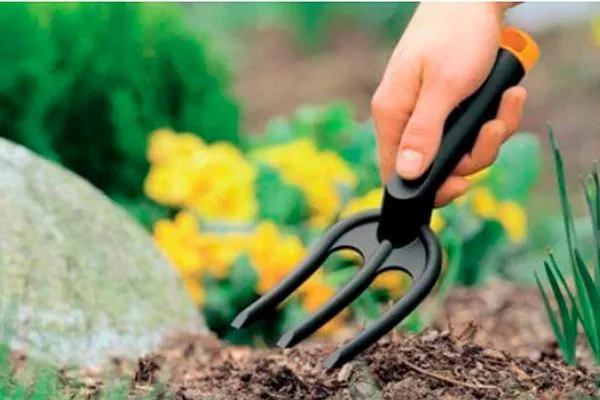
- Loosen the soil within a 1 m radius around the trunk to a depth of 5-10 cm. This will help ensure good soil aeration and improve air access to the hydrangea roots.
- Cover the soil around the hydrangea trunk with a layer of wood chips, peat, bark, or spruce branches. This layer will help prevent moisture evaporation, creating additional insulation. Mulching helps retain moisture in the soil and enriches it with minerals.
- ✓ The mulch layer should be at least 5 cm thick to effectively retain moisture and protect the roots from temperature changes.
- ✓ Avoid direct contact of mulch with the plant trunk to prevent rot.
Pinching, removing side shoots and spring pruning
To maintain the shrub's neat appearance, prune old and dead branches in early spring. Serious spring pruning should only be performed one year after planting, before new shoots begin to form. In subsequent years, prune in spring, including the following:
- Pinching. Pinch all hydrangea shoots to encourage lush growth and proper shape. This prevents the shrub from becoming too large, encouraging dense lateral branches. This procedure is performed in May.
- Pinching out stepsons. Remove excess lateral shoots to ensure voluminous blooms and large inflorescences. This allows flowering branches to receive more minerals, as shoots not contributing to flowering are removed.
- Sanitary pruning. Remove damaged, dried, and frozen branches and dead blossoms. This procedure helps maintain the health of the bush.
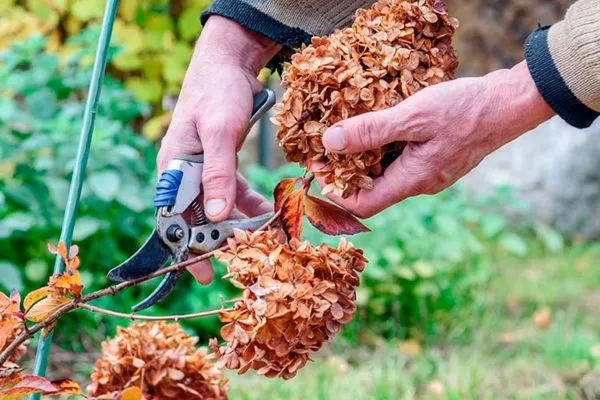
Leave 6 to 9 main, strong shoots after the procedure, removing weak branches and suckers. Prune shoots older than 4 years to stimulate new growth. Remove excess branches that are in the way, tangled, or growing within the crown. This procedure ensures proper bush formation.
Pruning large-leaved, serrate and prickly hydrangeas
There are several types of shrubs, the first group of which includes large-leaved, serrate, and prickly hydrangeas. These shrubs share the characteristic of forming new inflorescences on the previous year's shoots.

Shrubs in the first group don't require heavy pruning; on fertile shoots, only last year's blooms need to be removed. Prune carefully to avoid damaging new buds. The ideal time to prune these plants is early spring, when buds begin to open or the first leaves appear.
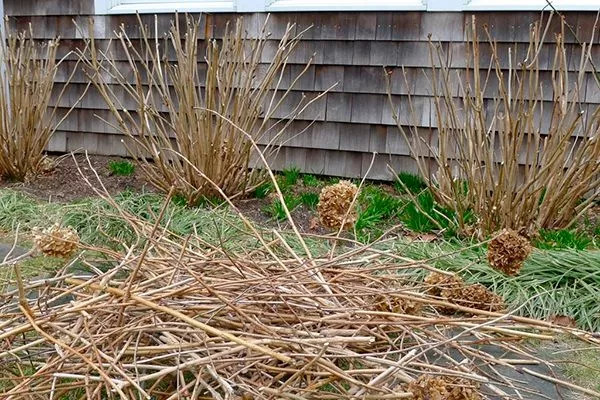
In early spring, thin out the shrubs in the first group, removing dead and frozen branches. Avoid heavy pruning—it won't harm the shrub, but it will delay flowering for another year.
Pruning tree and panicle hydrangea
The second group of plants includes panicle and arborescent hydrangeas. They are characterized by their inflorescences forming on new shoots formed during the current year. It's important to prune these shrubs promptly to avoid delayed flowering.
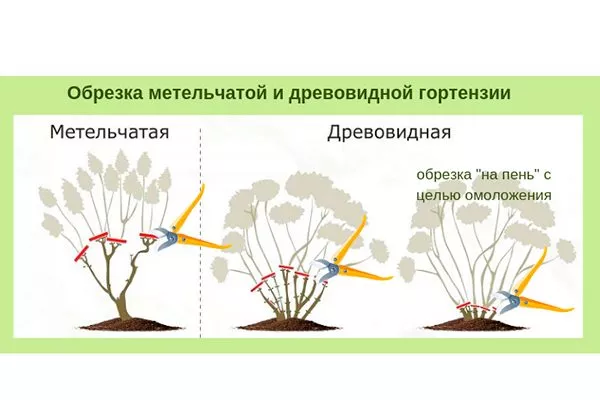
There are pruning peculiarities for different varieties:
- Tree hydrangea. Prune the shoots, leaving 2-3 buds. On mature bushes, leave only 1 bud. This step is necessary to prevent excessive branch growth, which can lead to smaller flowers over time.
- Panicle hydrangea. Shorten branches by 1/3 of their length. Thin out dense crowns, removing crooked and weak branches.
Every 5 years, rejuvenate the bushes by removing almost all branches and leaving only the main strong branches along with a few young shoots.
Replanting hydrangeas after winter to another location
The best time to replant hydrangeas is early spring, before the flowering season begins, approximately from late March to early April. This is the optimal time for this procedure because the soil may not be warm enough and may be firm.
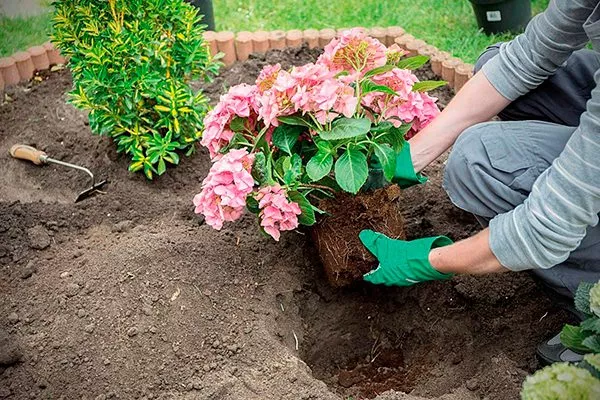
Step-by-step instructions:
- After the hydrangea has finished blooming, gather the branches into a bundle and tie them with a thick rope.
- Dig a narrow trench 20-30 cm deep around the trunk in a radius of 40-50 cm (or more for large shrubs). Fill it with compost and water it well.
- Prepare a new site for the hydrangea in the fall by digging and loosening the soil, removing weeds and debris. Mix the soil with organic matter, such as coarse sand, peat, or pine needles. Use 3 to 5 kg of any of these components per bush. Fertilize the soil with superphosphate or another mineral fertilizer.
- Dig a planting hole at least 50 x 50 cm in size and the same depth. Place a drainage layer of pebbles or crushed brick at the bottom of the hole.
- In spring, dig up the bush along with a large lump of soil to avoid damaging the root system. Transport the hydrangea to its new location.
- Place the hydrangea in the hole and fill in the soil around the bush, leaving a lump of soil. Firm the soil with your hands, install the supports, and tie the hydrangea in place.
- Spread sawdust, small branches or bark around the bush for mulching.
- Water the hydrangea every other day, regardless of the weather, using 10-15 liters of settled water per bush.
Proper spring care for hydrangeas plays a key role in creating healthy, beautiful bushes capable of delighting with abundant blooms. Key activities, such as spring pruning, fertilizing, watering, and repotting, ensure optimal conditions for active plant growth and development.