
Hydrangea is a beautiful plant that can brighten up a garden with its vibrant blooms. However, sometimes it refuses to bloom. Let's explore why this happens and how to resolve it.
Incorrect landing
Hydrangea blooming depends on the conditions created for it, but there are cases that are beyond the grower's control—plants that previously delighted with abundant blooms begin to "stop blooming":
- In early summer, hydrangeas begin to form future flower buds. If the weather is very hot and dry, or if there's insufficient moisture, the flower buds won't form, and even frequent watering won't help. In this case, be patient and wait until the season is over.
- Paniculata hydrangea begins blooming 2-3 years after planting, while arborescens hydrangea begins blooming the following year. If the plant is young, it needs time to establish roots and develop.
Let's look at cases in which you can adjust your plant care to help your hydrangea bloom.
Inappropriate landing site
Hydrangeas generally prefer semi-shaded locations with soft light. They require fertile soil with good drainage.
Recommendations for choosing a location for hydrangea:
- Avoid direct, scorching midday sun, as this can cause leaf burn. It's best to choose a location that receives morning or evening sun and midday shade or filtered light.
- Choose a location protected from strong gusts of wind, or create a natural barrier, for example, using other plants or a fence.
- Avoid planting in areas with flooded or very wet soil, as this can lead to root rot. If the planting site has poor drainage, create a raised bed to improve drainage.
- Hydrangeas prefer acidic soils with a pH between 5.2 and 6.2. If your soil is alkaline (high pH), you can add special fertilizers or peat moss to lower the pH and create a suitable growing environment for hydrangeas.
- Hydrangeas do not tolerate extreme cold and frost. Ambient temperatures should not drop below -15°C.
| Type of hydrangea | First flowering period | Optimal soil pH | Frost resistance |
|---|---|---|---|
| Paniculata | 2-3 years | 5.5-6.5 | up to -25°C |
| Tree-like | 1 year | 5.0-6.5 | up to -20°C |
| Large-leaved | 2 years | 5.2-6.2 | up to -15°C |
| Petiolate | 3-4 years | 5.5-6.0 | up to -30°C |
Landing errors
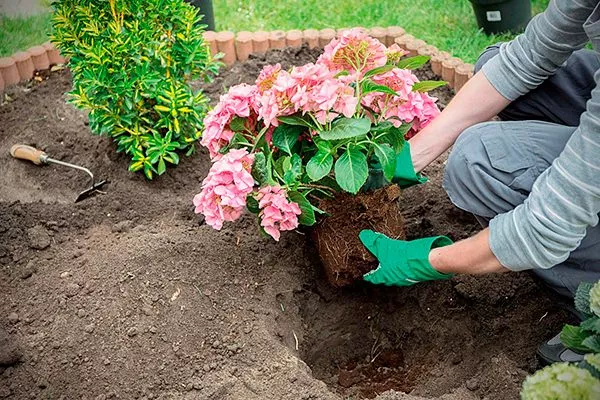
The correct planting process of hydrangea is also of great importance for good flowering.
Here are some important rules to follow when planting hydrangeas:
- Prepare a hole large enough to easily accommodate the root system.
- Mix the soil with compost or peat to improve soil fertility and drainage.
- Place the hydrangea in the hole so that the root collar is at ground level.
- Fill the hole with a mixture of soil and humus, pressing the soil firmly around the roots.
- Place a layer of mulch around the plant to retain moisture, improve drainage, and prevent weed growth.
Poor soil composition
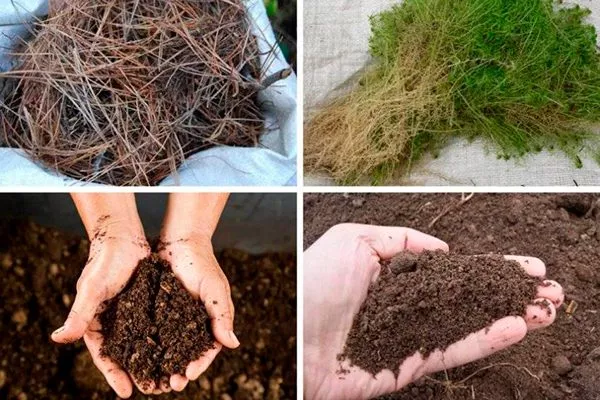
Hydrangeas prefer acidic soils with good drainage and air permeability. If the soil is unsuitably acidic or does not retain moisture well, this may result in a lack of blooms or poor flowering. It is recommended to add peat or compost to the soil to improve its acidity and structure.
Problems with the root system
If the roots were damaged during planting or are suffering from overwatering or lack of oxygen, flowering may be disrupted. Ensure the plant has sufficient root space and is watered correctly.
Incorrect watering
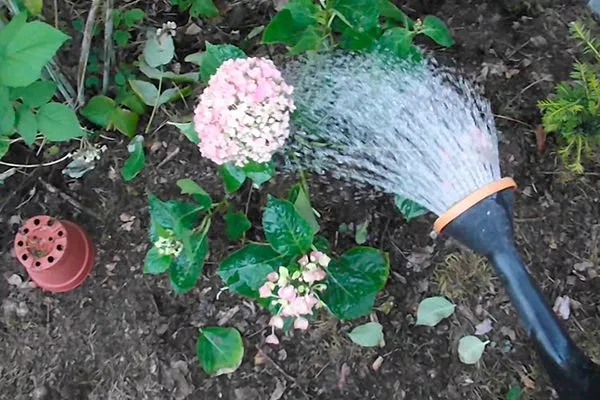
Hydrangeas require regular watering, especially during active growth and flowering. Avoid overwatering or allowing the soil to dry out.
Tips for proper watering:
- Avoid overwatering, as this can lead to root rot and drainage problems. Ensure the pot or garden soil has good drainage to remove excess moisture. Water to keep the soil moist but not soggy. Avoid prolonged dry periods followed by heavy watering.
- Hard water can contain excess chemicals or salts that negatively affect hydrangeas' root systems. If tap water isn't suitable, try using rainwater or filtered water.
Lighting problems
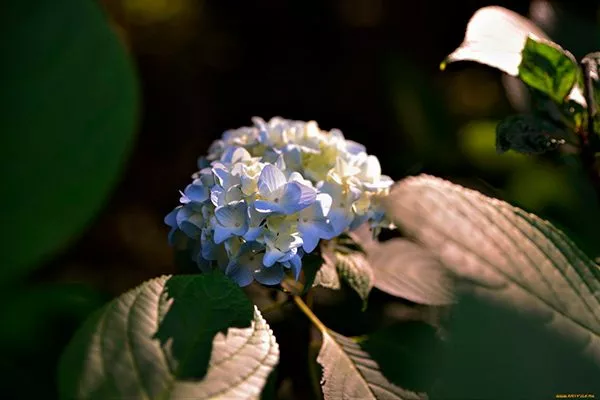
Incorrect lighting may be one of the reasons why hydrangea does not bloom.
Recommendations for proper lighting:
- Hydrangeas require bright, but filtered light for at least 4-6 hours per day. If the growing location is shaded or receives only limited light, move the plant to a brighter location.
Too much direct sunlight can burn and damage the leaves. If the plant is exposed to bright sunlight throughout the day, move it to partial shade. Use curtains or drapes to provide shade. - Hydrangeas require a dormant period. If the plant is illuminated by artificial light at night, consider creating a dormant period where the hydrangeas will be in complete darkness for 8-10 hours a day.
- If hydrangea is grown indoors, supplemental lighting from lamps or LED panels may be needed to provide the required light intensity.
| Period | Watering frequency | Water standard | Water temperature |
|---|---|---|---|
| Spring | Once a week | 10-15 l/bush | +15…+20°C |
| Summer | 2-3 times a week | 15-20 l/bush | +18…+22°C |
| Autumn | Once every 10 days | 10 l/bush | not below +12°C |
Excess or lack of fertilizers
Too much or too little nutrients can also cause problems with hydrangea blooms.
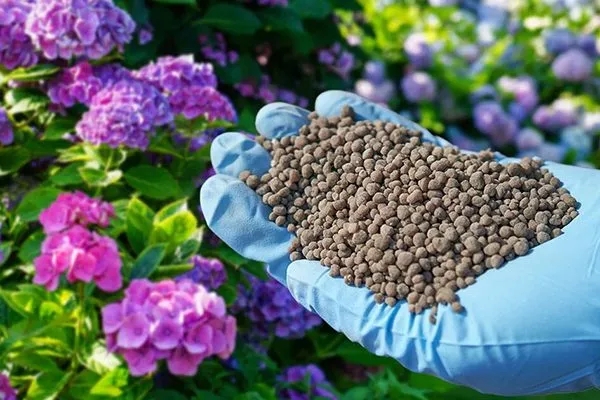
Recommendations for ensuring the correct soil nutrient level:
- Excessive fertilizer concentrations, especially nitrogen, can promote abundant foliage at the expense of flowering. Choose fertilizers low in nitrogen and high in phosphorus and potassium, such as those labeled NPK, which has a ratio of N (nitrogen) to P (phosphorus) to K (potassium) of approximately 1:2:1.
- If your hydrangea isn't blooming, it could be due to a nutrient deficiency in the soil. Apply organic or mineral fertilizers regularly. Slow-release fertilizers will provide a gradual release of nutrients over a long period.
- Fertilize hydrangeas at the right time. Fertilizer is typically applied in the spring before active growth begins and in the summer to ensure consistent growth and flowering.
Hydrangea is being suppressed by neighboring plants
Some plants may compete with hydrangeas for moisture, nutrients, and light. Plants with aggressive root systems or tall foliage may prevent them from fully developing and blooming.
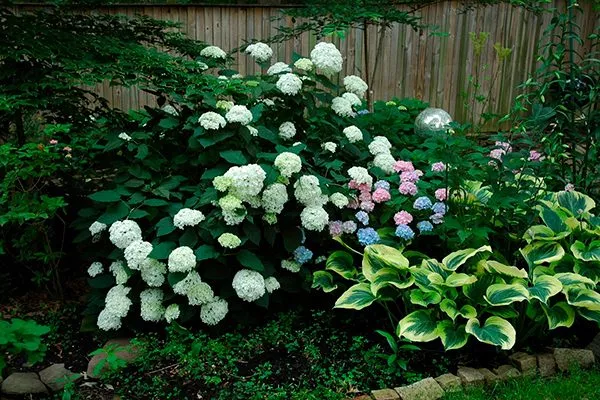
The following plants make good neighbors for hydrangea:
- Rhododendrons.Both of these shrubs have similar needs, particularly acidic soil. They also prefer partial shade and acidic soil, so their growing conditions are quite compatible.
- Verbenas and daylilies.They combine well with hydrangeas in garden design due to the variety of colors and shapes.
- Asters.Companions for hydrangea, because they also bloom in the second half of summer.
Avoid planting hydrangeas near:
- Plants that require full sun and dry soil, such as cacti or succulents.
- Shrubs or trees that can heavily shade the hydrangea compete with the hydrangea for nutrients and interfere with its normal growth and flowering.
- Alpine rock gardens. Hydrangeas prefer more acidic soil, while rocks can increase alkalinity.
If your hydrangea isn't blooming due to pressure from neighboring plants, here are some tips:
- Make sure the hydrangea has enough space to grow and develop. Neighboring plants shouldn't be too close together to avoid restricting light and airflow.
- If possible, remove or replant plants that are crowding out the hydrangea.
- Adjust the soil level around the hydrangea to its needs. Use mulch to suppress weed growth and reduce competition for space, water, and nutrients.
- Regular pruning can help control the growth of neighboring plants and give your hydrangea the space it needs.
Provide your hydrangea with optimal sunlight, water, and fertilizer. A strong, healthy hydrangea will better cope with competition from neighboring plants and will bloom.
Freezing of shoots
Freezing of shoots can lead to loss of flowering in the following season.
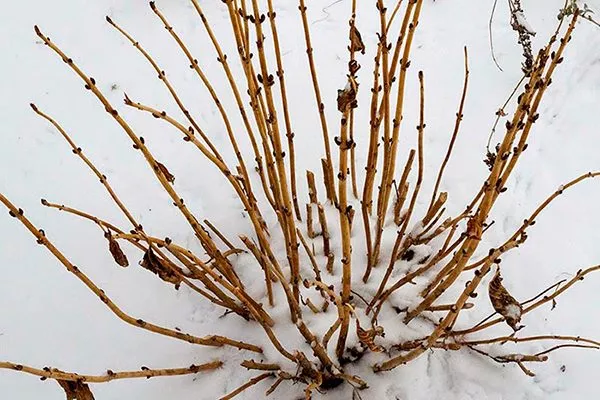
Here are a few tips that can help you protect your hydrangea from the cold and restore it if the shoots have frozen:
- If you live in a climate zone with cold winters, choose frost-hardy varieties.
- A layer of mulch will help protect hydrangeas from freezing temperatures. Use dry leaves, straw, sawdust, or other material.
- Protect the bush by covering it with non-woven material and film during cold periods.
- If hydrangea shoots are frozen, don't rush to remove them until spring. Wait until warm weather arrives to determine which shoots are still alive. Prune only dead or damaged shoots back to healthy wood.
- In spring, shape the bush. Feed the hydrangea with organic fertilizer to promote growth and flowering.
Monitor weather conditions and adjust accordingly to your hydrangea's specific needs.
Diseases and pests
Some diseases and pests can attack hydrangea, which leads to its weakening and lack of flowering.
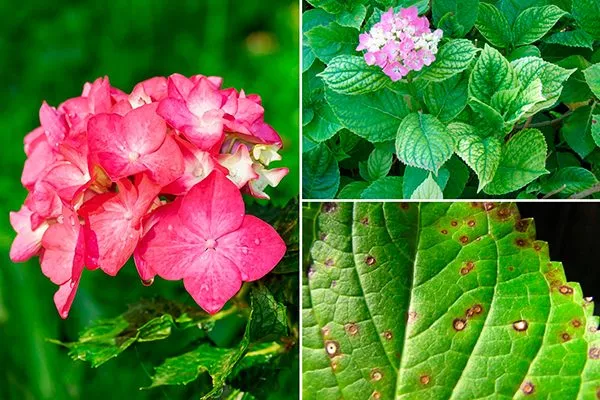
Some common diseases and ways to combat them:
- Powdery mildew.A white coating appears on leaves and stems. Use fungicides specifically designed to combat powdery mildew.
- Bacterial wilt.Leaves begin to turn yellow, and stems become soft and rotten. Remove and destroy the affected parts, then treat the plant with an antiseptic.
- Root rot.The roots are turning dark and rotten. Make sure the hydrangea is in well-drained soil and avoid overwatering.
Treatment schedule
- Early spring: 3% Bordeaux mixture
- Before flowering: Fitoverm (2 ml/1 l of water)
- After flowering: Topaz (2 ml/10 l of water)
- In autumn: Copper sulfate 1%
Hydrangea pests, their consequences and tips for dealing with them:
- Aphid.Aphids attach themselves to the plant, sucking out its sap and leaving behind sugary secretions that serve as a breeding ground for sooty mold. This can cause leaf wilting, deformation, and damage to flowering plants.
Signs include curling and yellowing of leaves and the presence of a sticky secretion on the plant.
Control: mechanical removal with a jet of water, the use of a soap solution or insecticides. - Scale insect.These are small insects that live on the leaves and stems of plants. They feed on the plant's sap, causing yellowing and disfigurement of the leaves.
Control of scale insects includes mechanical removal, use of insecticides or oil solutions. - Night owl.These insects feed on hydrangea leaves, leaving holes and pits in the leaves. They are active at night and can be difficult to spot.
Use hand picking or insecticides to control night armyworms. - May beetle.They eat leaves and flowers.
Control of May beetles includes hand picking, traps, or insecticides. - Spider mite.May cause leaf discoloration and webbing on the plant. They typically thrive in dry conditions.
Use insecticides or oil solutions to control spider mites.
Weak greenhouse seedlings
If hydrangeas are purchased as greenhouse seedlings, they may be weak and underdeveloped. Such plants may require additional time and care, sometimes even several seasons, to establish a strong root system and bloom successfully.
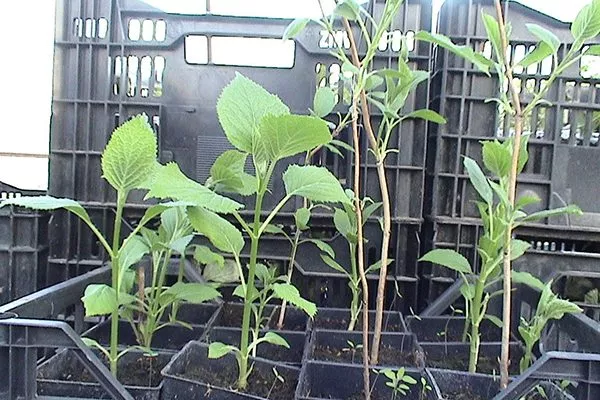
Purchase plants from reputable suppliers to increase your chances of successful and abundant flowering.
Incorrectly performed pruning
Pruning can be helpful in encouraging hydrangea blooms, but if done incorrectly, it can result in loss of blooms.
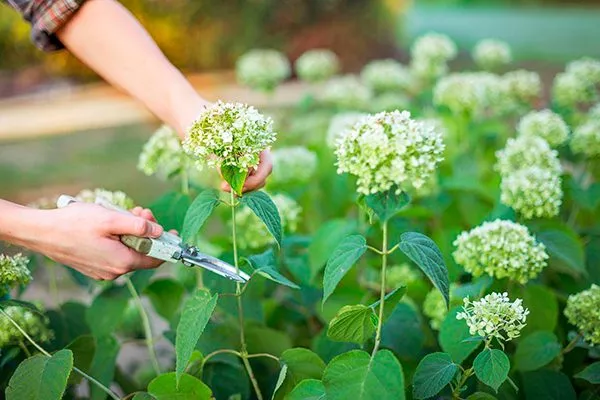
Here are some tips for pruning hydrangeas:
- Pruning is usually done in spring or fall, after flowering. However, if your hydrangea is a variety that blooms on the current year's growth, pruning should be done in spring before active growth begins.
- Remove old and damaged shoots, leaving only healthy and strong ones. This will help concentrate the plant's energy on the formation of new shoots and flowering.
- Some varieties bloom on the previous year's growth. When pruning, be sure not to remove shoots that are expected to bloom.
- When pruning, maintain the natural shape of the plant and avoid abrupt or forceful pruning.
- Gradual and regular pruning is preferable to a single, heavy pruning. This will help the hydrangea recover better and prepare for future blooms.
- If you're unsure about proper pruning, choose a hydrangea variety that doesn't require heavy pruning to bloom.
If pruning was done incorrectly and disrupted the normal formation of the hydrangea, you need to give the plant time to recover and then prune it correctly next season.
Wrong variety
Some hydrangea varieties may have specific growing conditions and prefer certain climate zones.
To choose the right hydrangea variety, it is recommended to pay attention to the following points:
- Some varieties are more tolerant of low temperatures, while others require warmth and humidity. Find out the appropriate temperature range and climate conditions for your chosen variety.
- Before purchasing a seedling, read the variety characteristics and requirements to get recommendations on varieties best suited to your region and growing conditions.
| Type of hydrangea | Pruning period | Intensity | What to delete |
|---|---|---|---|
| Paniculata | Late autumn | Strong | Old shoots |
| Tree-like | Early spring | Moderate | Weak branches |
| Large-leaved | After flowering | Minimum | Only dry inflorescences |
Stimulation of flowering
There are methods to stimulate flowering that can help your hydrangea bloom. You can adjust the soil's acidity or use special fertilizers that promote bud formation.
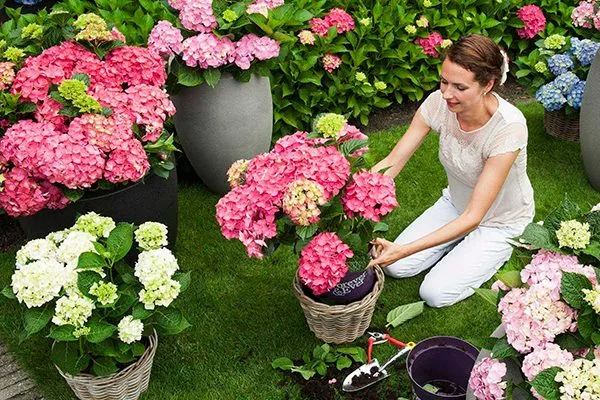
Here are some recommendations:
- Some hydrangea varieties bloom much longer in partial shade, slowly fading to purple or green rather than quickly wilting in full sun. Provide light shade to prolong blooms.
- If you're getting a wonderful "green boom" with almost no blooms, you may have added too much nitrogen to the soil. Use a slow-release fertilizer a couple of times during the growing season.
- Hydrangeas require a period of rest and relaxation to prepare for flowering. Make sure you provide your hydrangea with sufficient rest time, rather than forcing it to grow and bloom all year long.
If you've been caring for your hydrangeas and following all the proper gardening practices, but they haven't bloomed for more than 5 years, they'll need some extra stimulation. Here are a few ways to help:
- In early spring, apply fertilizer to the soil to nourish the stems and strengthen the root system. Follow the dosage instructions on the package, as the fertilizer is highly potent.
- From May to June, water your hydrangea with a nitroammophoska solution at a rate of 2 tablespoons per bucket of water, or use a complete fertilizer for ornamental flowering shrubs. Fertilize every 2 weeks.
- Fertilize regularly throughout the growing season, especially from May to July. During this period, hydrangeas respond well to potassium superphosphate, which can be applied by dissolving 1 tablespoon in 10 liters of water. You can also use the ready-made Fertika fertilizer.
- Fertilize the hydrangea once with a hydrangea fertilizer. Fertilize the plant in the spring when the second leaf emerges.
- In the fall, use organic fertilizer to feed your hydrangea to help it survive the winter. Humus or rotted manure are suitable.
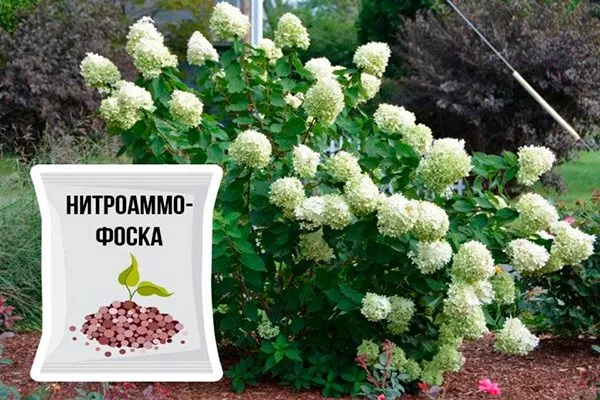
To stimulate flowering, you can use preparations and fertilizers:
- Phosphorus fertilizers.Hydrangeas prefer soil with high phosphorus content. Use phosphorus-rich fertilizers such as superphosphate or phosphate rock.
- Fertilizers with high potassium content.Potassium promotes strong, vibrant flowers. Use fertilizers high in potassium, such as potassium salt or wood ash.
- Organic fertilizers.Using organic fertilizers such as humus or compost helps improve soil quality and provides plants with essential nutrients.
- Fertilizers for acidic soils.Use special fertilizers for acidic soils to help maintain optimal pH levels.
- "Hydro-Gardens. Hydrangea Fertilizer" – the dosage is approximately 1 tablespoon per 4 liters of water. Apply this fertilizer every two weeks from spring until the end of summer.
- "Bonide. Liquid. Iron/Zinc Concentrate" – the dosage is 1 tablespoon per 4 liters of water. Spray the hydrangea foliage with this solution once a month from spring to late summer.
- Miracle-Gro. Water Soluble. Bloom Booster Flower Food – 1 tablespoon per 4 liters of water. Apply this fertilizer once a week during the active growth period.
- Hormonal plant growth stimulants:
- Indolilux – dosage 1-2 ml per 1 liter of water, use every 7-10 days.
- Kornevin – dosage 2 ml per 1 liter of water, use every 10-14 days.
- Epin-Extra – dosage 1 ml per 1 liter of water, use every 7-10 days.
It's important to carefully consider growing conditions, soil composition, watering schedule, and other factors that can affect the plant's development. With appropriate precautions and care, you can help your hydrangea bloom in all its glory!