
Flowering shrubs often adorn gardens. They can be found everywhere—from hedges to flower beds and even containers. In the world of ornamental plants, panicle hydrangea holds a special place, being the unrivaled queen of this floral kingdom. We'll share detailed instructions for growing this ornamental plant.
Description of the species
This plant is a beautiful addition to any garden and is popular with gardeners worldwide. One of its main advantages is its abundant and long-lasting blooms. The first flowers appear in early summer, and their blooming period lasts until the arrival of cold weather in late autumn.
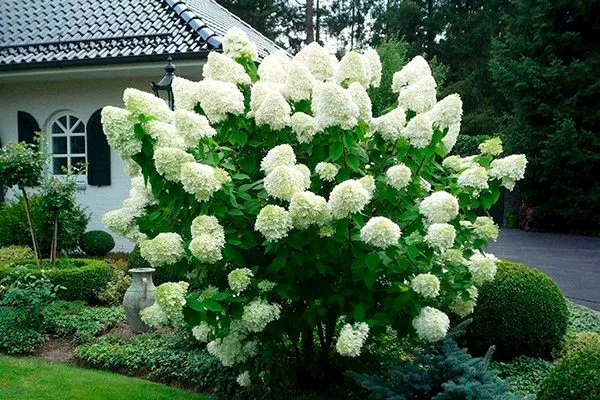
Features of panicle hydrangea
Many varieties of this hydrangea change color during the flowering period. Initially, the flowers may be white, greenish, or creamy, but by autumn they acquire a bright pink or even red hue, reminiscent of a ripe pomegranate.
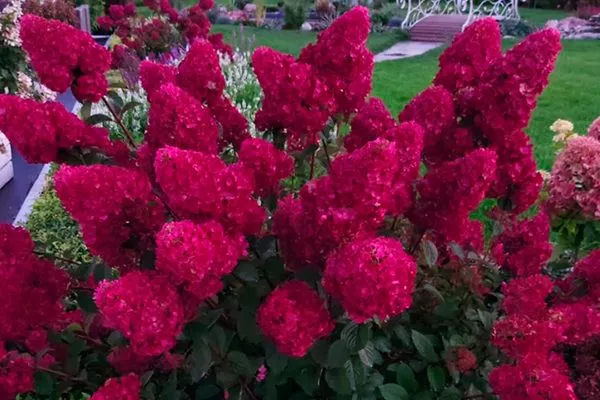
Benefits of panicle hydrangea
Paniculata hydrangeas, or Hydrangeas Paniculata, have several advantages that make them popular among gardeners. These include:
- abundant flowering;
- wide color spectrum;
- decorative foliage;
- winter hardiness;
- ease of care;
- suitable for pruning;
- disease resistance.
These benefits make panicle hydrangeas attractive to those looking to create a colorful and easily accessible garden corner.
Hydrangea paniculata: varieties and photos
Depending on the specific variety, hydrangeas can vary in parameters such as plant height, flower color, and flowering period. The bush's shape and winter hardiness also play a role. There are many varieties.
| Name | Plant height | Color of inflorescences | Flowering period |
|---|---|---|---|
| Vanilla Fries | 2 m | White, pink, raspberry | Early summer – late autumn |
| Weems Red | 1.5 m | White, pink, bright red | June - autumn frosts |
| Grandiflora | 2 m | Creamy white, pink, greenish red | June - October |
| Diamond Rouge | 1.5 m | White-greenish, red-crimson | Early summer – late autumn |
| Diamantino | 1.2 m | Bright green, white, light pink | Early summer – late autumn |
| Dolly | 1.5 m | Yellow-green, cream, white, pink | Early summer – autumn frosts |
| Kyushu | 2.5 m | White | The beginning of summer is September |
| Limelight | 2.5 m | White, pink | Early summer – late autumn |
| Magical Candle | 1.5 m | White-cream, pink, raspberry | July - September |
| Magical Moonlight | 2-2.5 m | Lime, white, pink | July – late autumn |
| Magical Fire | 1.5 m | White, purple-red | July - October |
| Pink Diamond | 2.5 m | Creamy white, pink, crimson | July - October |
| Pink Lady | 1.5-2 m | Cream, pink | Midsummer - September |
| Pinky Winky | 2 m | White, purple-pink | Early summer – late autumn |
| Polar Bear | 2 m | Snow-white | Early summer – late autumn |
| Samara Lydia | 1.5 m | White, crimson | Midsummer – late autumn |
| Summer Snow | 1 m | White | Midsummer - autumn |
| Sunday Fries | 1.2 m | White, pink-lilac | Early summer – late autumn |
| Silver Dollar | 2 m | Greenish-white, pinkish-silver | Midsummer - September |
| Phantom | 2.5 m | Light cream, soft pink | June - late autumn |
| Fries Melba | 2 m | White, pink, burgundy-red | Midsummer – late autumn |
| Unique | 2.5-3 m | Creamy white, pink | Midsummer – late September |
Vanilla Fraise
This variety, bred in France, attracts attention with its impressive appearance. The inflorescences reach 30 cm in length, and during flowering, the color transitions harmoniously from pure white to pink.
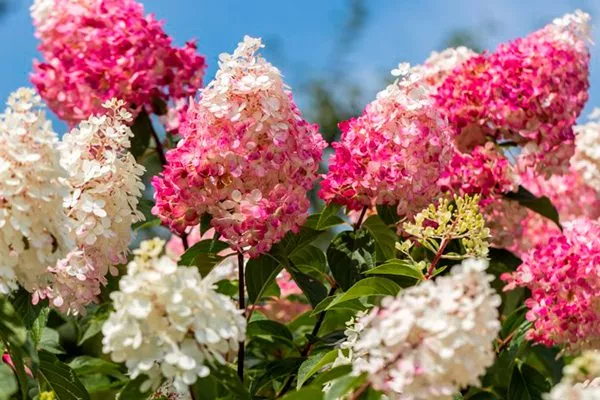
In autumn, the panicles acquire a crimson colour, retaining a white tip; their colour shades and saturation can vary depending on the soil composition, weather conditions and level of care.
The bushes quickly reach a height of 2 meters. This variety is characterized by high hardiness, ease of care, and frost resistance. Abundant flowering is another attractive feature of this plant.
Wim's Red
The conical inflorescences reach 30-35 cm in size and emit a delicate, honey-like aroma. The color of the inflorescences changes throughout the summer: initially white, the flowers gradually acquire a pink hue and, by autumn, turn a vibrant red.
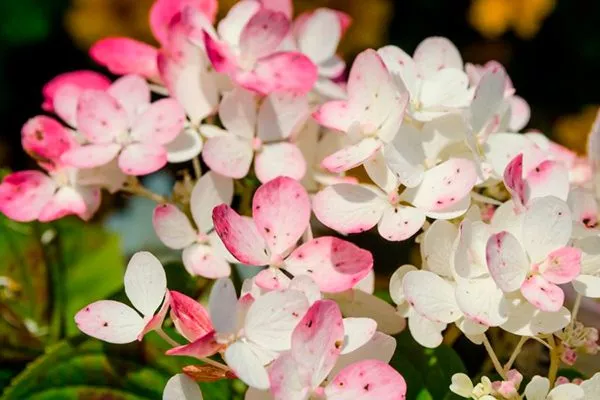
This hydrangea variety grows as short (up to 1.5 m) upright shrubs. The branches grow upward, requiring no support. Flowering begins in the first half of June and continues until the first frosts of autumn.
In autumn, the leaves also change color, turning orange, purple, or cherry. This variety is characterized by its hardiness, low maintenance, and frost resistance.
Grandiflora
The Grandiflora variety is extremely popular among gardeners due to its impressive inflorescences, reaching up to 40 cm in length. The creamy-white flowers fully open in early summer, taking on a white hue, then gradually turn pink, and in autumn, acquire a greenish-red color.
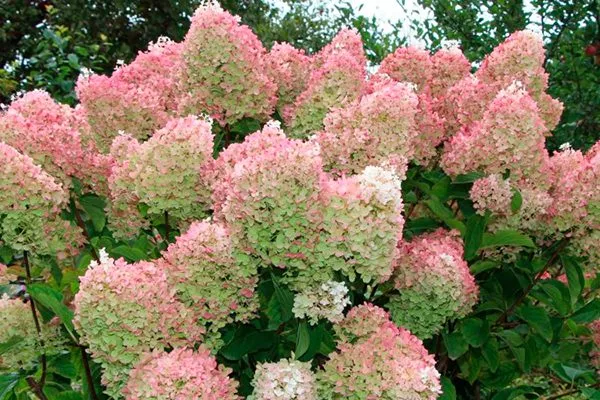
Mature bushes, reaching 2 m in height, may require support. The plant's crown is dense, forming a rounded shape. Thanks to its rapid growth, abundant blooms, low maintenance, and frost resistance, this hydrangea becomes an indispensable element of the garden. Flowering occurs from June to October.
Diamond Rouge
This low-growing variety grows only 1.5 meters tall. Its red-pink flowers form lush clusters. During flowering, the color changes from white-greenish to crimson-red, with the intensity of the color depending on weather conditions and soil composition.
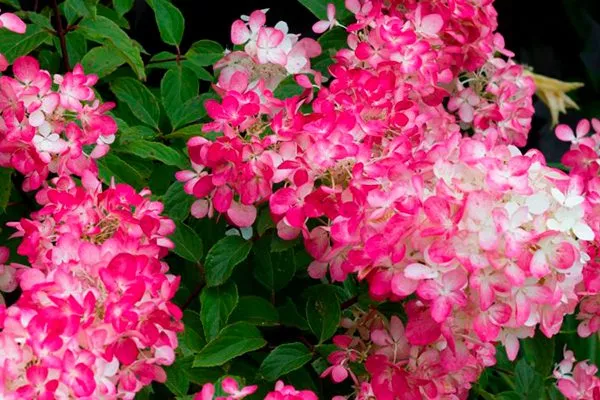
The inflorescences reach 35 cm in height. In autumn, the leaves acquire purple-orange hues. This variety is characterized by excellent frost resistance, disease resistance, and pest resistance.
Diamantino
Despite its short height (up to 1.2 m), the bush has strong branches that extend upward and require no staking. Abundant inflorescences reach 25 cm in length. In early summer, they are bright green, then turn white, and in autumn, the petals turn a light pink.
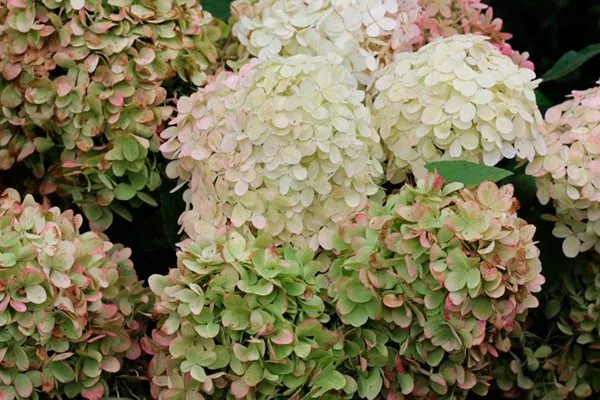
The flowers emit a pleasant, delicate fragrance. The plant is easy to care for, hardy, and frost-resistant, making it a wonderful addition to a landscape design, especially when paired with tall flowers and ornamental shrubs. The bush blooms from early summer until late fall.
Dolly
The Dolly hydrangea bush has spreading branches but remains compact, never exceeding 1.5 m in height. Its inflorescences reach 30-35 cm in size. The flowers open with a pleasant yellow-green color, gradually changing to a creamy, then white hue, and by autumn, the petals acquire a pink hue.
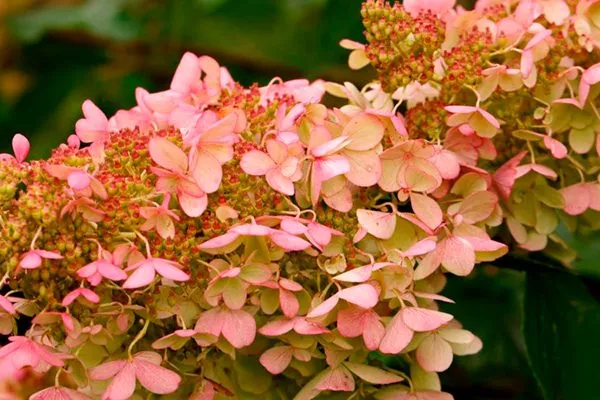
The flowering process begins in early summer and continues until the autumn frosts. This hydrangea variety is hardy and undemanding, requiring no frost protection in winter.
Kyushu
This tall variety is a magnificent shrub that, with proper care, can reach a height of up to 2.5 m. The crown is dense, and the inflorescences are pyramidal in shape and reach up to 25 cm in size.
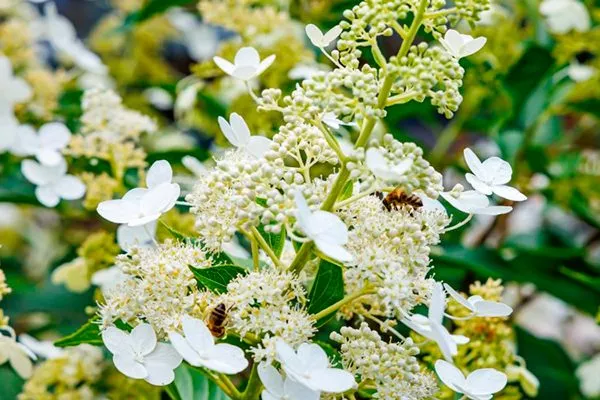
The white flowers exude a rich fragrance. Flowering begins in early summer and continues until September. In autumn, the glossy green foliage takes on a yellowish tint. This plant is resistant to air pollution, making it a popular choice for urban landscaping.
Limelight
This tall hydrangea variety originates from Holland. Its distinctive features include strong stems capable of supporting large blooms even without additional support. The bushes reach a height of 2.5 m.
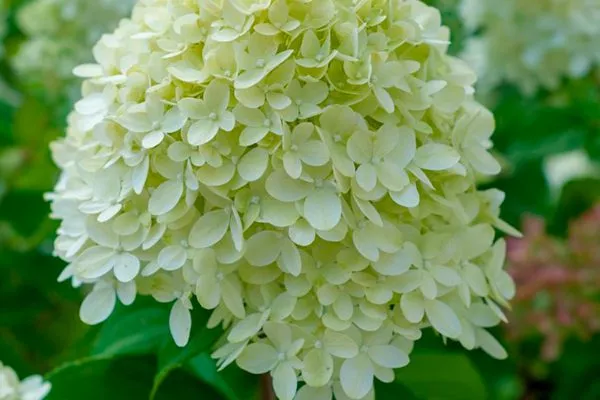
The velvety foliage displays varietal-specific shades, especially in shaded areas. When exposed to direct sunlight, the flowers turn white, turning pink toward the end of the flowering period.
In autumn, the leaves of this hydrangea variety take on a lilac hue. It is often used as a hedge due to its increased tolerance to various climatic conditions and frost resistance.
Magical Candle
This variety is characterized by bushy, curly-crowned shrubs, elongated leaves with serrated edges, and large, fragrant inflorescences that fill the air with a pleasant aroma. The flowers open in shades of white and cream with a green undertone, gradually turning pink and eventually raspberry toward the end of flowering.
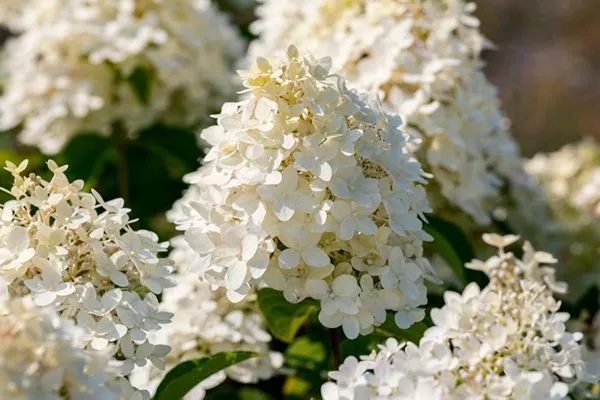
The bush grows to a height of no more than 1.5 m. Flowering continues from July to September. This hydrangea variety tolerates frost well and requires little care.
Magical Moonlight
The inflorescences are large, lush, and richly fragrant, reaching sizes of up to 40 cm. At the beginning of flowering, they acquire a lime hue, then the petals change to white, and by autumn they turn pink.
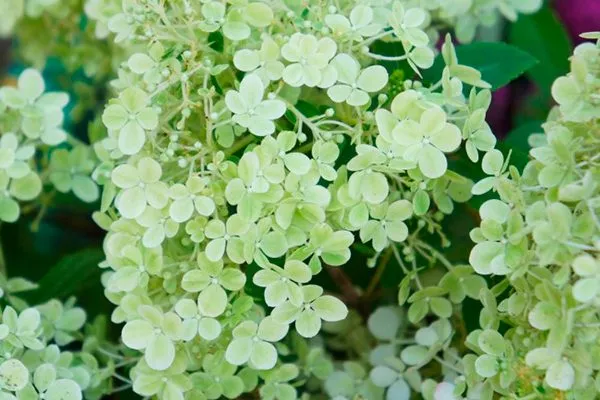
This tall hydrangea variety forms bushes reaching 2-2.5 meters in height. Magnificent blooms begin in July and continue until late autumn. The plant is easy to grow, although it can suffer slightly in severe frosts.
Magical Fire
This variety's bushes are compact, reaching up to 1.5 m in height. Their sturdy shoots grow upward. Flowering continues from July to October, and the inflorescences reach up to 35 cm in length.
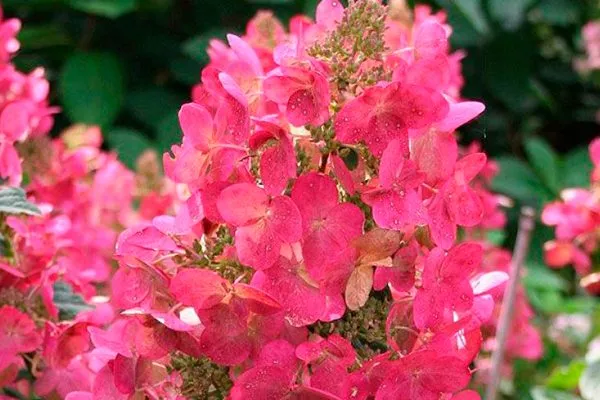
At the beginning of the flowering period, the petals appear white, but with the arrival of autumn, they acquire a purple-red hue. This variety exhibits resistance to frost and adverse weather conditions.
Pink Diamond
This hydrangea grows up to 2.5 meters tall, with a spreading crown. Its distinctive feature is its long flowering period, from July to October. At the beginning of the blooming season, the flowers are creamy white, turning pink in the fall, and by the end of the flowering season, they have acquired a rich crimson-red hue.
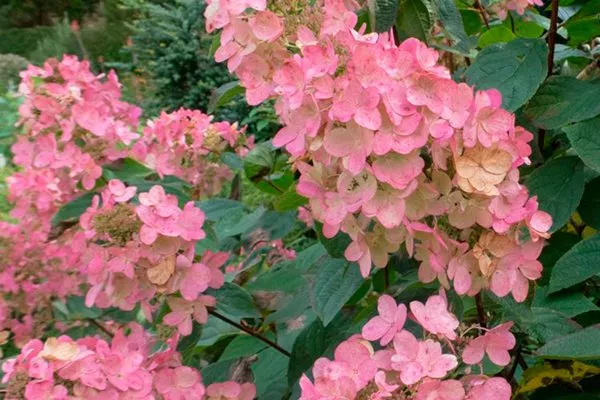
The plant is characterized by rapid growth, adding up to 30 cm per season. This variety is resistant to air pollution and exhibits high tolerance to low temperatures, withstanding frosts down to -35°C. The plant easily recovers from shoot damage.
Pink Lady
This variety forms a fan-shaped crown, reaching a height of 1.5 to 2 meters. The leaves are large and dark green. Sturdy shoots prevent the bush from losing its shape even under the weight of its large inflorescences.
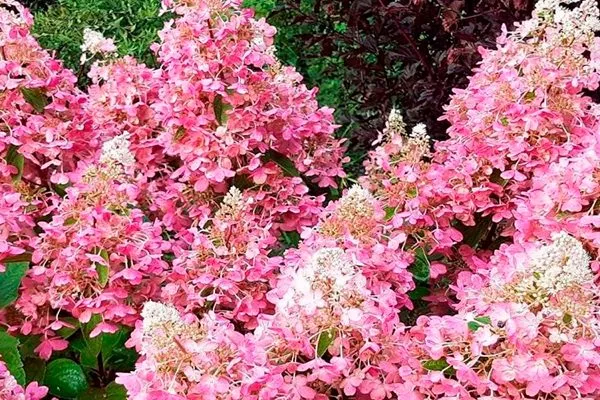
The abundant blooms almost completely conceal the foliage, creating a voluminous and lush appearance. The buds are creamy in color, and as they open, the flowers take on a pink hue. This variety blooms from midsummer to September.
Pinky Winky
This hydrangea variety originates from Belgium and attracts attention not only with its magnificent blooms but also with its decorative foliage. It grows approximately 30 cm annually, reaching a mature height of up to 2 m.
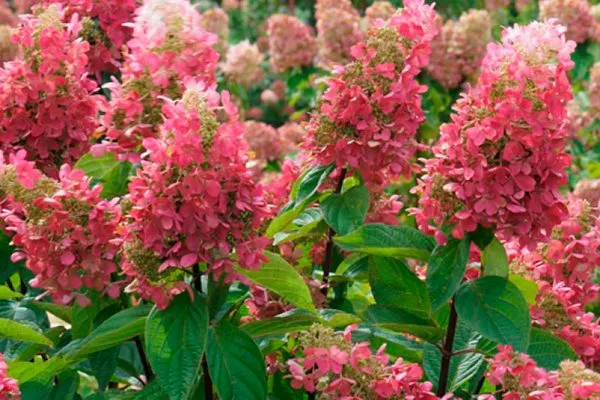
The inflorescences are white at first, turning purple-pink in autumn. The green foliage turns purple-red in autumn. The Pinky Winky variety requires no winter protection; it is easy-to-care-for and pest-resistant.
Polar Bear
A successful cross between the paniculata hydrangea Limelight and Grandiflora resulted in a variety that embodies the best characteristics of both parent plants. This variety's spreading bush, reaching a height of 2 m when mature, is distinguished by its straight and strong shoots.
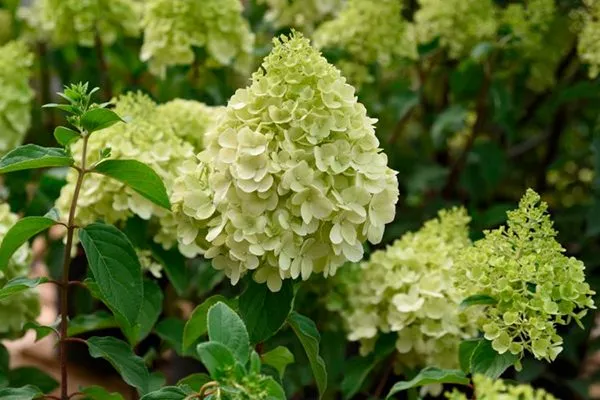
The leaves are elongated and green. Large flowers, gathered in sprawling inflorescences up to 45 cm in diameter, are pure white. This variety exhibits low-temperature tolerance and is characterized by its undemanding nature and considerable hardiness.
Samara Lidia
This plant reaches a mature height of 1.5 m, with strong shoots and large inflorescences. Flowering begins in midsummer and continues until late autumn. The cone-shaped inflorescences, 15 cm long, are white in the early stages of flowering, turning crimson by autumn.
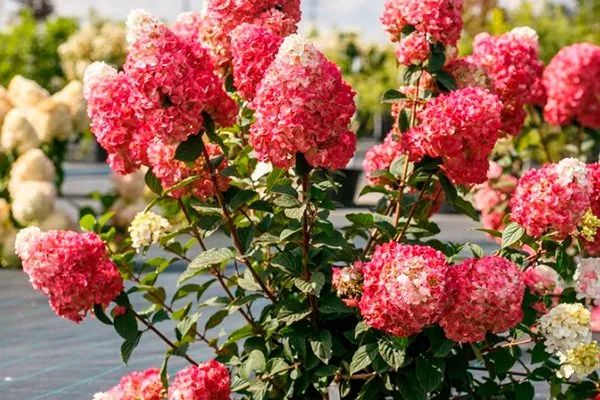
This compact shrub effectively complements other ornamental plants in the garden and can be successfully grown in containers. It is well-adapted to temperate climates.
Summer Snow
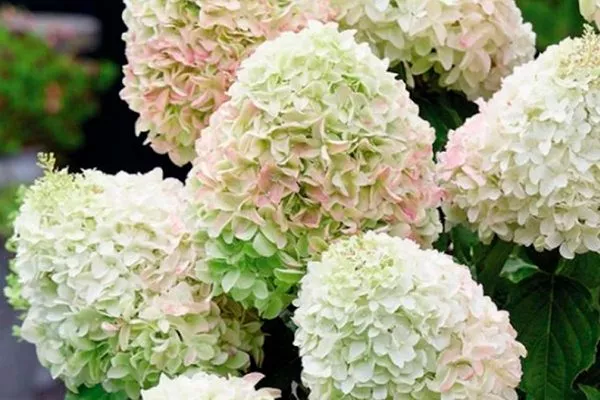
Summer Snow is characterized by a compact growth habit, never exceeding 1 m in height. Its cone-shaped inflorescences are dense and reach up to 25 cm in size. Flowering begins in midsummer and continues until autumn. The plant demonstrates frost resistance and is easy to care for.
Sunday Fraise
This variety was imported from France and developed from the popular Vanille-Fraise variety. The plant is a compact shrub, no more than 1.2 m tall, yet has a regular shape and dense branches.
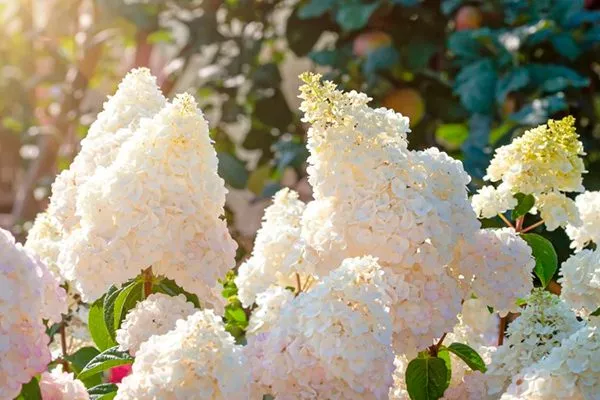
At the beginning of flowering, hydrangea shoots take on a reddish-brown hue. As the flowers emerge, they turn white, and as autumn approaches, they acquire a distinct pinkish-lilac hue. The plant blooms profusely.
Silver Dollar
This variety's name reflects its unique combination of colors during flowering. In early summer, the blooms are greenish-white, turning pinkish-silver in autumn. The plant features bright green foliage and sturdy burgundy stems that require no staking.
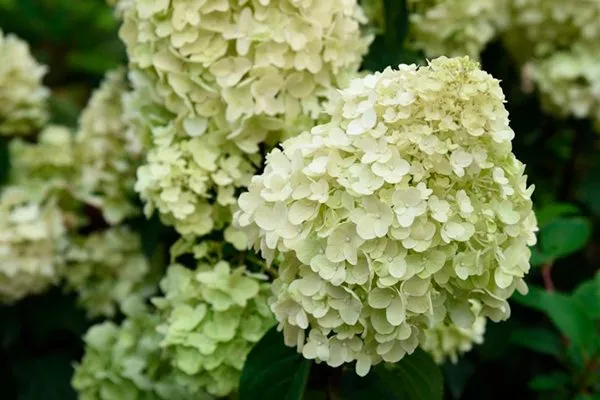
Mature bushes reach a height of 2 m, and the inflorescences are large and conical. Flowering begins in midsummer and continues until September. Initially, the inflorescence is light and lush, then becomes denser. This hydrangea variety requires no winter protection and is hardy and undemanding.
Phantom
Hydrangea is distinguished by its abundant blooms and pleasant honey-like aroma during the flowering period. The shrub delights with large, light cream-colored inflorescences that appear as early as early June and can reach up to 40 cm in length. By autumn, the inflorescences turn a soft pink.
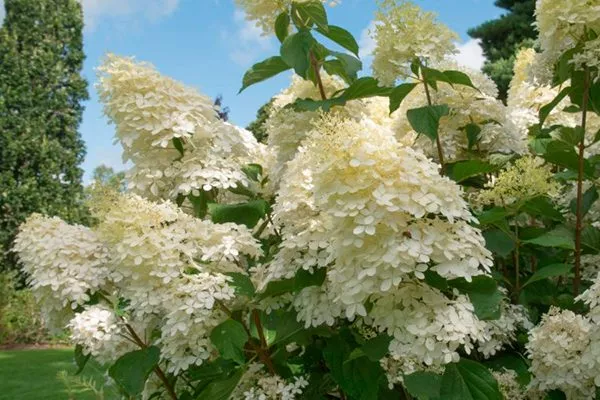
The plant grows vigorously, and the mature bush form can reach a height of up to 2.5 m. The variety tolerates low winter temperatures, easily surviving down to -35°C. It exhibits resistance to adverse climatic conditions.
Fraise Melba
This relatively new variety is easy to care for and highly resistant to adverse weather conditions. Its spreading crown and abundant blooms make it an attractive addition to garden landscapes. Its upright shoots and dark green, pointed leaves give the bush a distinctive appearance.
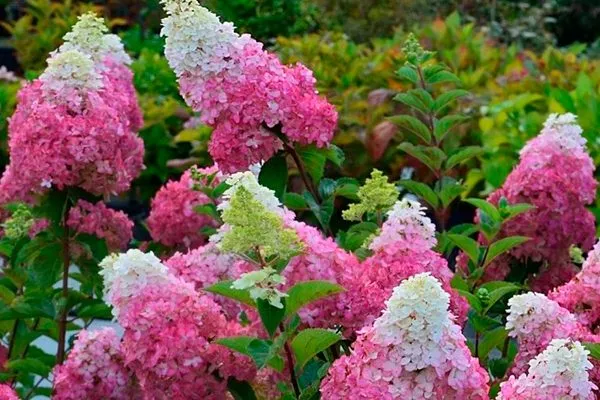
This variety is characterized by slow growth, but a mature bush can reach a height of up to 2 m. One of the outstanding qualities of this hydrangea is its lush inflorescences, which are initially predominantly white, then develop delicate pink hues, and by autumn the flowers acquire a burgundy-red hue.
Unique
This Belgian variety, under favorable conditions, reaches a height of 2.5 to 3 m. During the flowering period, which lasts from mid-summer to the end of September, the creamy-white flowers in summer take on a pink hue in autumn.
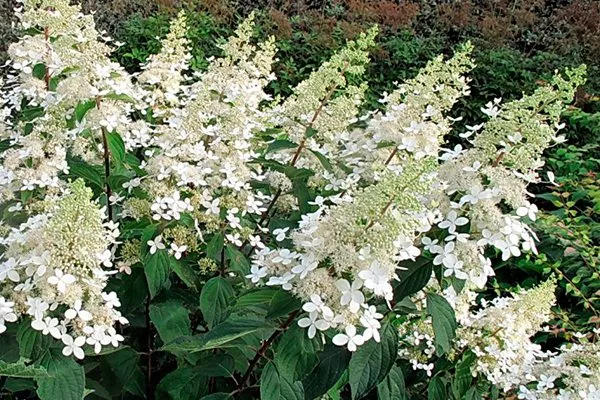
The plant's dark green foliage contrasts beautifully with the light tones of its flowers, creating a harmonious appearance. The flowers of this variety bloom up to 25 cm. Hydrangea Unique is characterized by its resistance to winter frosts, making it a reliable and attractive plant for gardens and landscapes.
Planting panicle hydrangea
To successfully acclimate an ornamental shrub and prevent diseases, proper planting is essential. This process is not difficult.
- ✓ Soil pH should be between 5.5-6.5 for optimal nutrient absorption.
- ✓ The soil should be rich in organic matter, such as humus or compost, to maintain moisture and nutrients.
Soil
This plant prefers fertile, well-drained soils with an acidic or slightly acidic pH, and responds favorably to the addition of peat. It does not thrive in alkaline soils. Hydrangeas benefit from supplemental watering and do not tolerate periods of drought or soil compaction.
Landing site
Hydrangea paniculata thrives in partial shade but can also thrive in sunny areas, although its blooms may be smaller. Choose a planting site that will thrive.
Preparation of planting material and soil
Begin preparing the planting site 3-4 weeks before planting. Thoroughly remove all weeds and dig the soil to a depth roughly equal to the depth of a spade.
Prepare a soil mixture for the planting holes. Make a mixture of equal parts peat, humus, and leaf mold or turf soil. Add fertilizer to this mixture: 25 g each of urea and potassium sulfate, plus 70 g of superphosphate per hole.
Dig planting holes measuring 70x70x50 cm. Remove all soil from the holes, replacing it with pre-prepared substrate.
Planting step by step
Before planting a panicle hydrangea, the first step is to remove the plant from its pot or bag and carefully inspect the roots, looking for any dried or damaged areas that should be removed.
If the seedling was purchased in a pot, leave the root ball intact. Follow these instructions:
- Having prepared the planting site in advance, take half of the soil mixture.
- Place the seedling in the planting hole, carefully spreading out its roots.
- Fill the resulting voids with the extracted soil mixture.
- After compacting the planting site, form a depression around the seedling shoots, creating a convenient space for watering.
- Water the planted plant generously and be sure to cover it with mulch, for which pine needles or small spruce branches are suitable.
How to care for panicle hydrangea?
For panicle hydrangea to thrive and bloom profusely, it requires careful care. Ensure it's watered, fertilized, and treated for diseases and pests. These measures will help protect the plant from problems.
How often should I water?
The plant requires regular watering, especially during the first few weeks after planting. Water deeply 1-2 times a week, depending on weather conditions and soil conditions.

Avoid overwatering, which can cause root rot and other diseases. At the same time, avoid allowing the soil to dry out too much, as this can cause foliage to wilt and, ultimately, damage or death of the plant.
Mulching hydrangeas
Spread a 5-7 cm layer of organic mulch evenly around each hydrangea. Mulch can include shredded leaves, tree bark or wood shavings, pine needles, or peat moss. This layer will help prevent weed growth and retain soil moisture.
Fertilizing panicle hydrangea
Start fertilizing your hydrangea at the beginning of the growing season. Specialized fertilizers are available at the store. In the spring, you can use fertilizers with a higher nitrogen content. Follow the package instructions carefully.
Diseases and pests of hydrangea
Panicle hydrangeas are almost disease-free, and most problems arise from improper care. This can include sunburn, poor soil quality, mineral deficiencies, or improper watering.
Signs of trouble include leaves drying out, curling, or turning black due to sudden changes in temperature or humidity. Fungal diseases that can affect hydrangeas include powdery mildew, white and gray mold, rust, and septoria leaf spot.
Helpful tips:
- Control methods include removing damaged areas and treating the bush with fungicides.
- Ring spot is a dangerous virus that interferes with flowering and can lead to plant death, so prevention is important.
- To control leaf aphids, start with mechanical removal by washing the bush with water or using a soap solution.
- In case of spider mites, insecticides are more effective, while slugs should be collected by hand.
Trimming
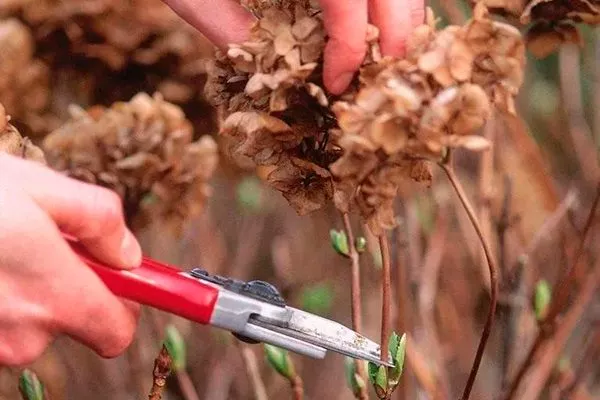
Paniculata hydrangea requires regular sanitary and formative pruning, which directly affects the number and size of its inflorescences. Formative pruning should be performed in the fall, but you can combine sanitary and formative pruning in the spring before active sap flow (bud swelling) begins.
Pruning typically begins in the plant's third year in the garden to allow the shrub to establish itself and develop shoots. It's important to remove all broken, thin, and inward-growing shoots, leaving 5-7 of the strongest.
Helpful tips:
- The degree of formative pruning depends on the desired result. Lower pruning delays flowering, makes the bush more compact, and the inflorescences larger.
- When pruning hard, cut the plant back to 1-2 buds from the bottom using clean, sharp pruning shears at a 45-degree angle, 1-1.5 cm above the bud. Each remaining bud will produce two shoots, ending in panicles.
- When pruning lightly, leave 3-5 buds on each shoot, which results in a larger bush, early flowering, and large inflorescences.
- Treat cuts the size of a pencil with ash or garden pitch.
Winter hardiness
Paniculata hydrangea is quite hardy in temperate climates, but for additional protection, mulching the trunk area before winter is recommended. Cover young plants with a breathable material, such as white spunbond or spruce branches, for the first two years.
Panicle hydrangea in the garden
Paniculata hydrangea is a wonderful landscaping plant thanks to its exquisite beauty and variety of forms. These plants can be used as stand-alone accent plants, or to create hedges or flower arrangements. They are also suitable for container growing.
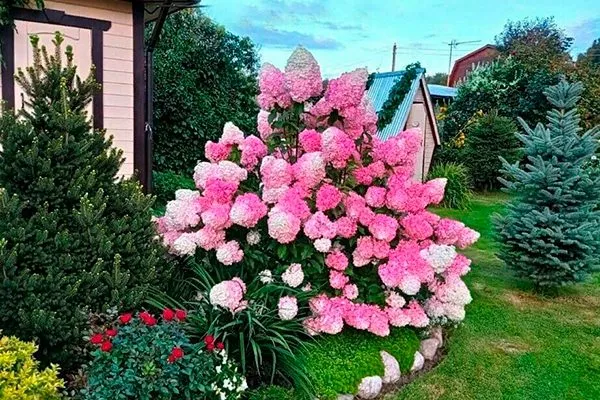
Panicle hydrangea impresses with its exquisite blooms, long-lasting decorative qualities, and adaptability to a variety of climates. Thanks to its diverse varieties and flower shapes, panicle hydrangea is a versatile solution for creating cozy garden arrangements.