
Hydrangeas are increasingly decorating gardens and windowsills, delighting with their long bloom period and beautiful, spherical buds. While they require careful care, they are not particularly difficult. There are numerous varieties, varying in frost resistance, shape, and size. They include a wide variety of vortas.
Description
Hydrangea belongs to the Hydrangeaceae family and is native to Asia, but also grows wild in other countries, including the Americas (both south and north), Japan, and Russia. These specimens reach up to 3 meters in height and resemble a small tree with a spreading crown. They can also be vines or shrubs.
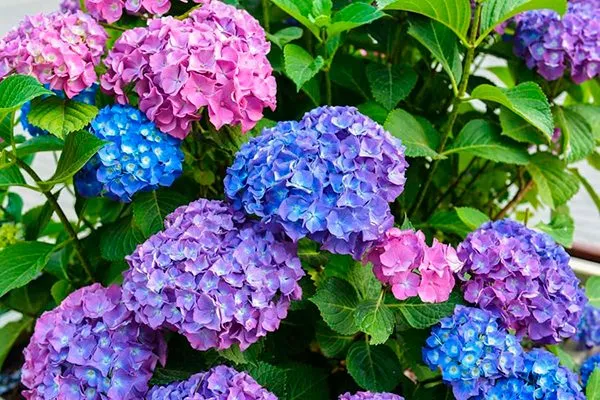
Domesticated hydrangeas are slightly different from wild ones and have the following characteristics:
- Bush. The average height varies from 100 to 300 cm, less when grown indoors.
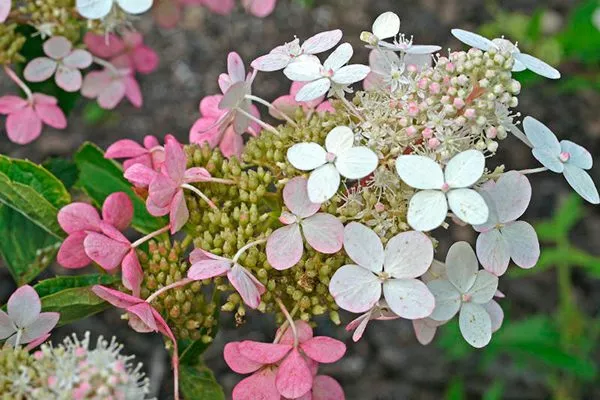
- Flowers. The inflorescences are spherical, corymb-shaped, or paniculate. Each inflorescence contains two types of flowers—fertile and sterile. The former are located inside, the latter at the edges. However, there are varieties with only fertile flowers.
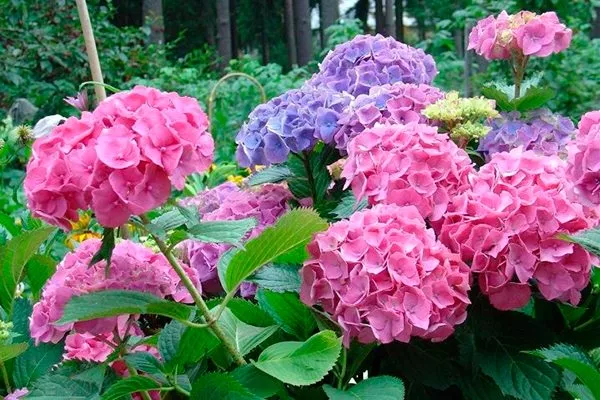
- Color. The color palette is wide – white, purple, pink, lilac, light blue, blue, burgundy, red, etc.
- Leaves. The leaves are arranged oppositely, large in size, and typically oval in shape with a pointed upper edge. The leaf edges are serrated, the texture is veined, and the color is usually green.
- Fruit. These are capsules with internal chambers containing many small seeds.
- Flowering phase. It starts in spring and ends in late autumn.
The name "Hydrangea" is given in honor of a princess of the Holy Roman Empire. Botanists named the flower Hydrangea in Latin (which translates to "water vessel"). This refers to its increased resilience and love of moisture. In Asian countries, hydrangea is called the purple sun (Ajisai).
Types
There are a huge number of hydrangea varieties, as well as cultivars, but only a few are grown indoors and outdoors. This is because they are considered the most low-maintenance, resistant to our climate, and characterized by a long flowering period.
| Name | Bush height (cm) | Inflorescence shape | Frost resistance (°C) |
|---|---|---|---|
| Paniculata | 200-300 | Paniculata | -25 |
| Large-leaved | up to 200 | Spherical | -18 |
| Tree-like | up to 200 | Spherical | -40 |
| Petiolate | up to 600 (in the southern regions) | Shield | -35 |
| Oakleaf | 200-250 | Paniculata | -29 |
| Radiant | 200-250 | Shield | Requires shelter |
| Ash | up to 200 (in the south) | Spherical | -23 |
| Serrated | 120 | Spherical | -25 |
| Hydrangea Sargentiana | 100-300 | Umbrella | -23 |
Paniculata
You can recognize the paniculate variety by its appearance, which, unlike other varieties, has a unique flower structure—a panicle-like shape. Features to look out for:
- height – from 2 to 3 m;
- second name - paniculata;
- likes to be next to oak trees;
- the aroma is very strong, so bees flock to it;
- refers to a honey plant;
- growth rate – high;
- demanding - for pruning and shaping the bush;
- The shape of the tree is elliptical.
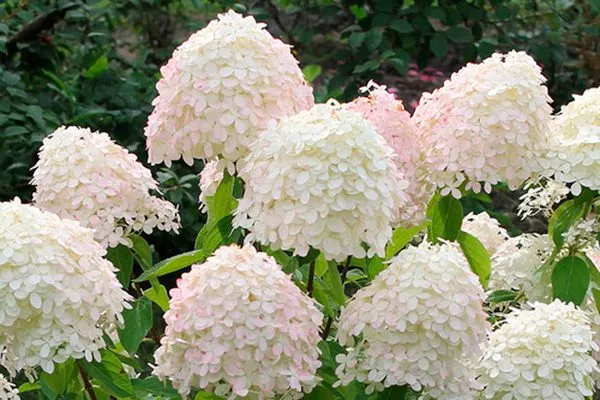
Hydrangea with flowers like butterfly wings can withstand temperatures down to -25 degrees and is not afraid of direct sunlight.
Large-leaved
This perennial is characterized by very large leaves against a backdrop of small flower buds. Features to note:
- height – maximum 2 m;
- enters the flowering phase later than all others – in August;
- never bears fruit;
- The varieties have absolutely all shades of hydrangeas;
- frost resistance at the highest level.
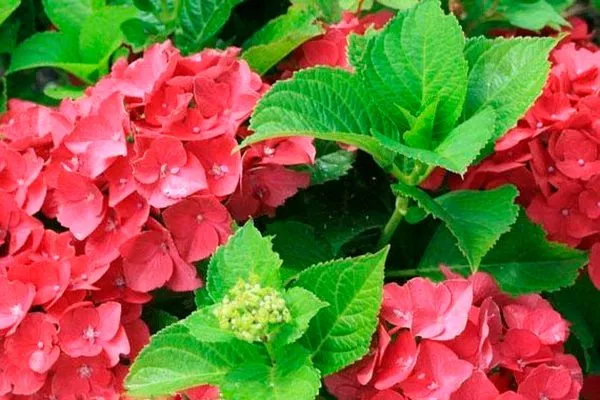
The hydrangea with the largest leaves survives freezing temperatures of -18 degrees Celsius. It's the only variety that can have its petals dyed.
Tree-like
This hydrangea develops as a shrub with erect shoots and is distinguished by very lush and huge spherical buds.
Features to look out for:
- the height of decorative tree-like hydrangeas is maximum 2 m;
- the shades are mostly white, but blue and pink ones are also found;
- Other names: smooth, wild.
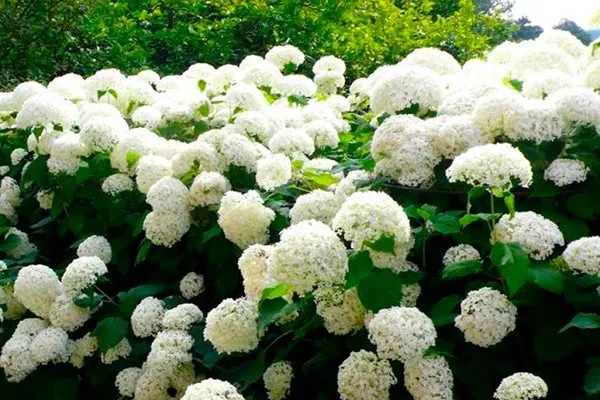
This is the most frost-hardy variety, suitable for regions with harsh climates. Some varieties can withstand temperatures as low as -40 degrees Celsius.
Petiolate
This is a liana-like hydrangea, whose vines grow up to 25 m in the southern regions, but in the north their length does not exceed 6 m. The bush grows up to 2 m in width.
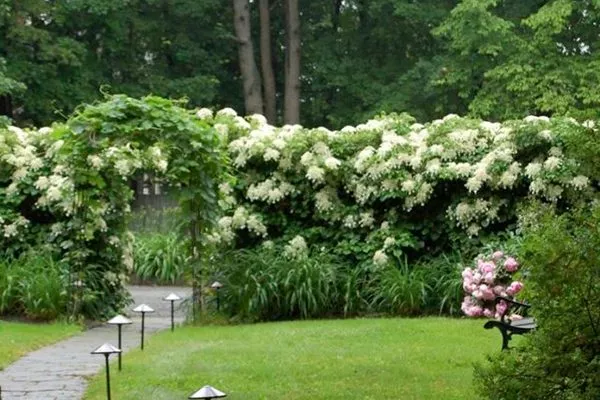
Features to look out for:
- used only for vertical gardening;
- must be equipped with supports;
- color - only white and pink, but with different shades;
- refers to honey plant;
- the most unpretentious type;
- The flowering period is short – from June 10 to August 15.
Frost resistance of some varieties of petiole hydrangea reaches up to -35 degrees.
Oakleaf
It's characterized by leaves that closely resemble oak leaves, hence the name. The flowers, however, are paniculate and exclusively white.
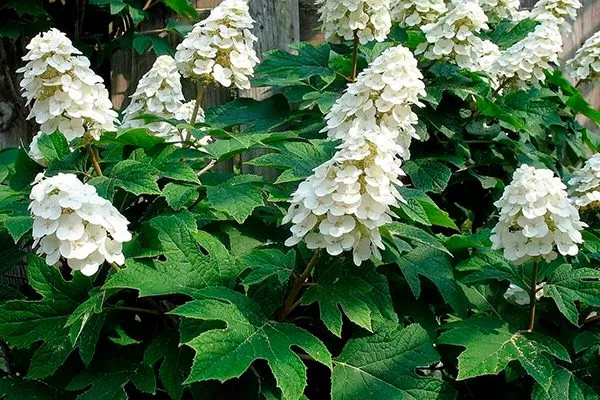
Features to look out for:
- flowering lasts for a long time – until mid-September;
- the leaves turn crimson in autumn;
- height – from 2 to 2.5 m.
Frost resistance is normal – many varieties do not freeze at air temperatures of -29 degrees.
Radiant
This is a bush-like hydrangea with white, corymbose inflorescences.
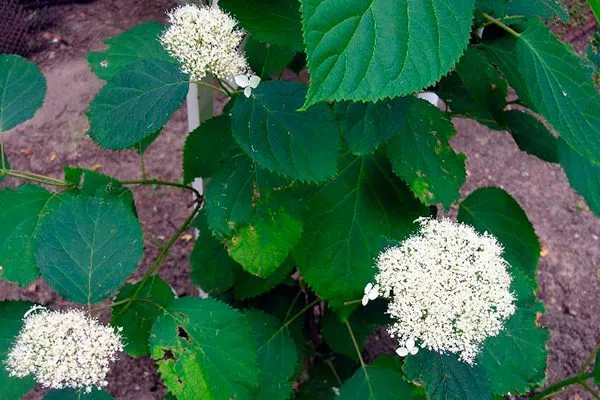
Features to look out for:
- height – from 2 to 2.5 m;
- flowering period – 30 days;
- flower type – exclusively sterile;
- growth is very rapid (growth per season is 20 cm).
Frost resistance is almost absent, so winter shelter is required.
Ash
This hydrangea only comes in white, but the color is close to ash. It's a shrub with upright stems. Features to note:
- height – maximum 2 m in the south, in other regions no more than 1 m;
- there are no requirements regarding soil composition;
- growth - very fast;
- flowering – from summer to autumn.
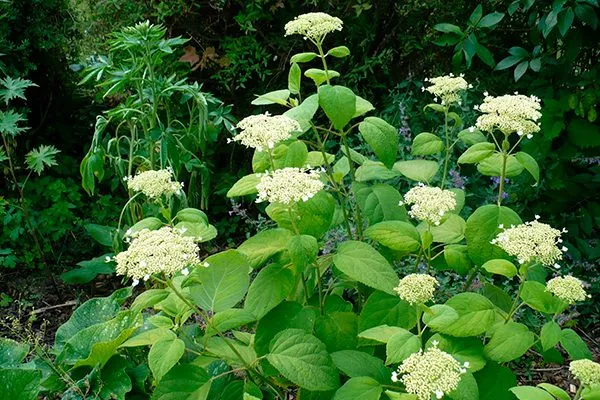
Frost resistance is -23 degrees Celsius. Ash hydrangea has one unique feature: the plant doesn't die if frozen in winter, but rather recovers on its own in the spring.
Serrated
The serrated shrub hydrangea is an annual plant with a beautiful, spherical inflorescence. It differs from other species in that it has a blue center and whitish edges.
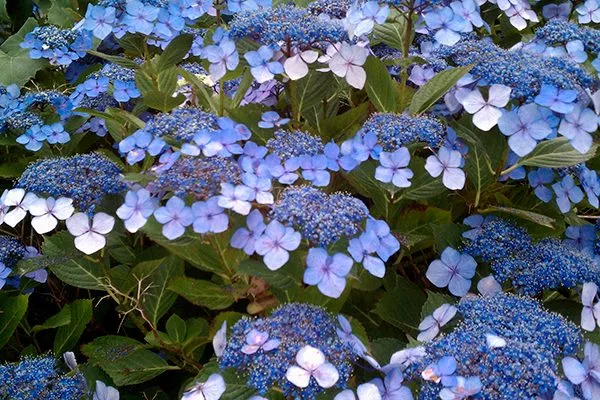 Features to look out for:
- height – 120 cm;
- is not at all afraid of the scorching rays of the sun;
- other names - heavenly tea, mountain hydrangea;
- flowering – until autumn;
- without constantly moist soil it dies.
Despite the fact that its homeland is Japan, serrated hydrangea can withstand frosts down to -25 degrees.
Hydrangea Sargentiana
This variety of hydrangea is called "rough" due to the intense hairiness of its foliage.
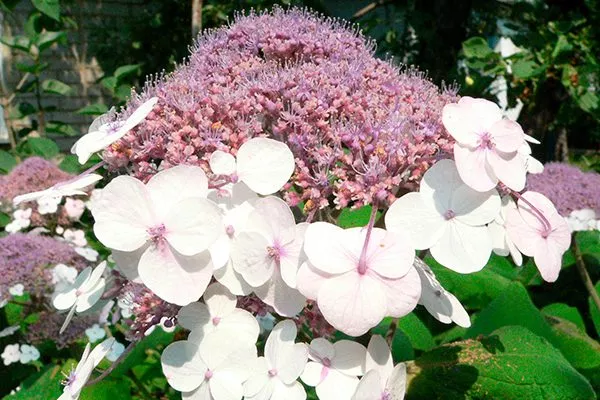
Features to look out for:
- height – from 100 to 300 cm;
- flowering period: July-September;
- inflorescences - umbellate;
- color - initially lilac or violet, white by the end of flowering, one color in the center, another at the edges;
- spherical buds - large.
Frost resistance is average – the bush does not freeze at temperatures of -23 degrees.
Popular varieties and their shades
There are many varieties of hydrangeas of each type, but among all this diversity, gardeners highlight only a few of the most popular:
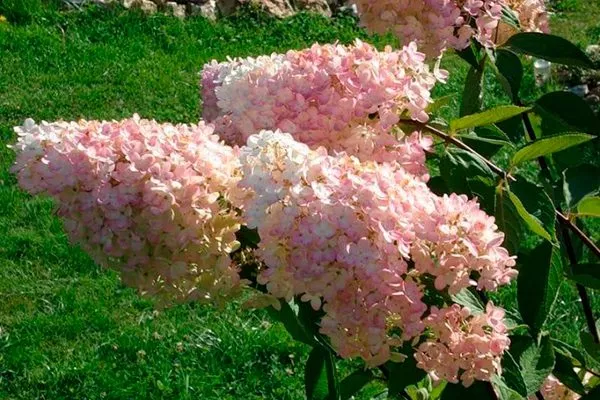
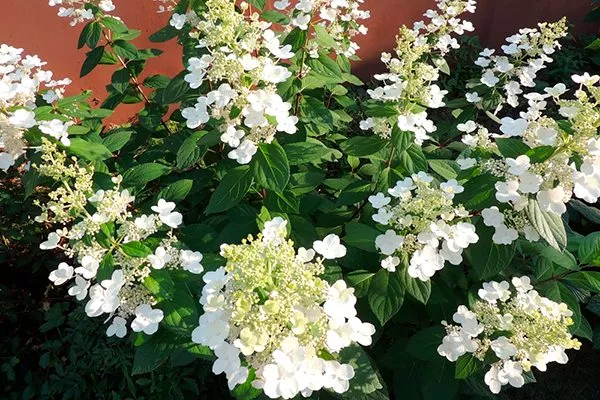
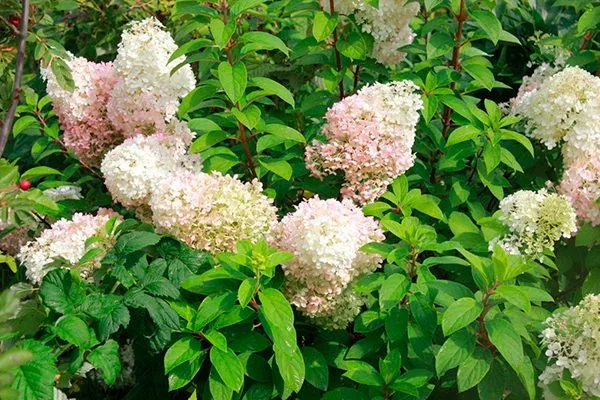
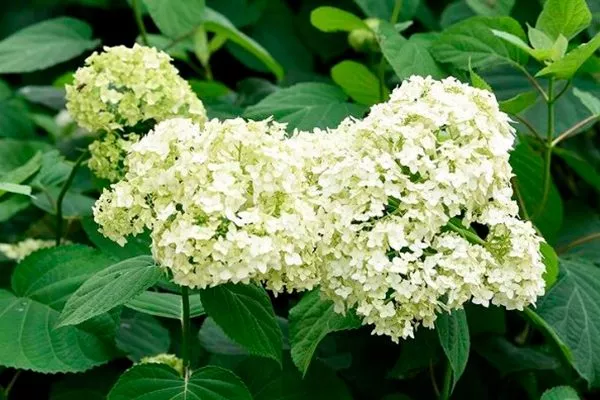
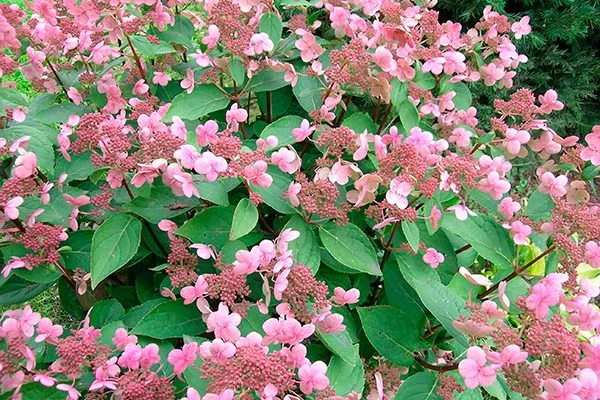
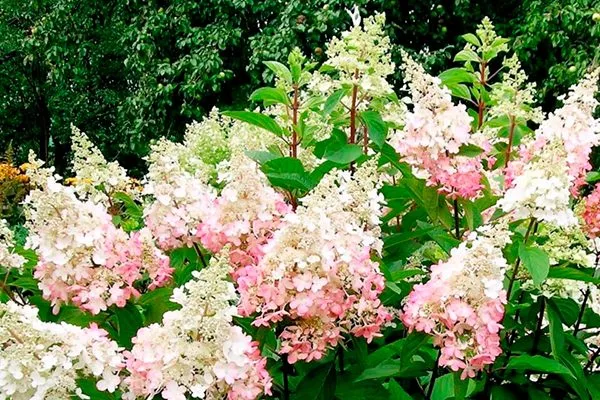
- Grandiflora. It is distinguished by the presence of only sterile (infertile) flowers, making it impossible to propagate by seed. Its shape is pyramidal, and its color is initially creamy pink, later turning pure white, and finally turning reddish-green.

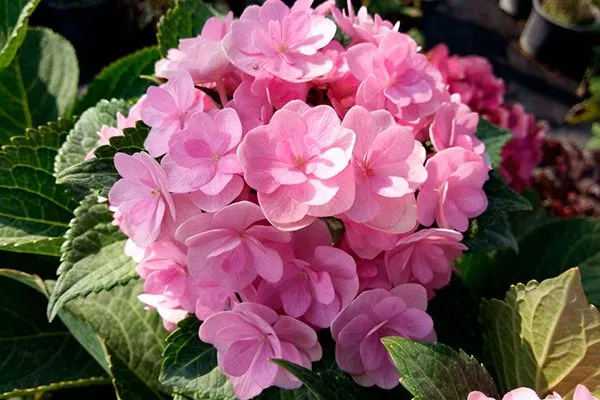
- Brussels Lace. It is characterized by a huge number of inflorescences on one bush, has a white-pink hue, and prefers exclusively sunny places (without shade).
- Kyushu. A snow-white and frost-resistant plant with a very long flowering period and a pronounced aroma.
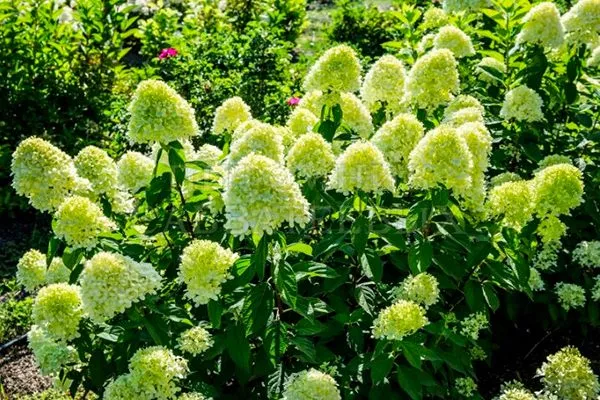
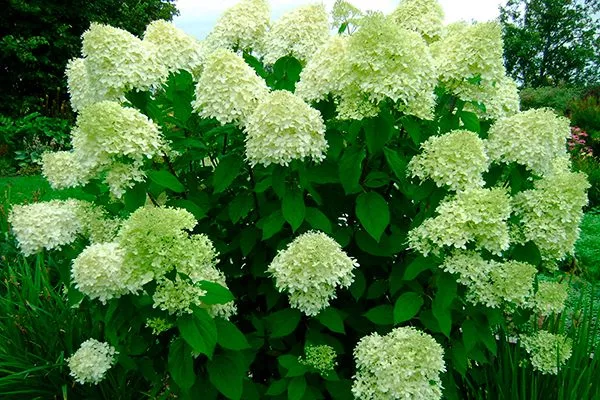
- Limelight. A tall bush with elongated inflorescences, which are initially covered with light green flowers, and then white or cream ones.
- Mathilda. An amazing variety that changes color three times during the flowering period – from cream to pink, and then to red-green.
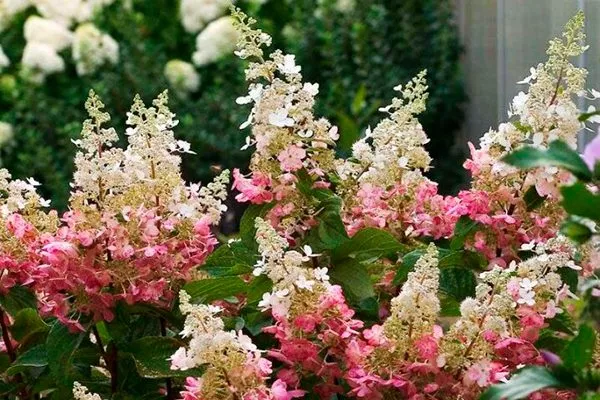
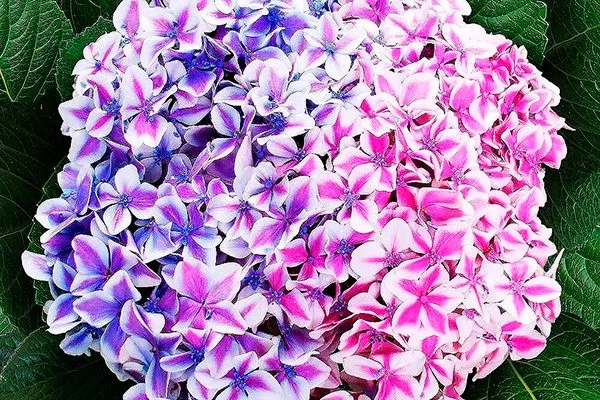
- Pinky winky. A two-color gradation hydrangea with white and pink petals. Blooms until the end of October.
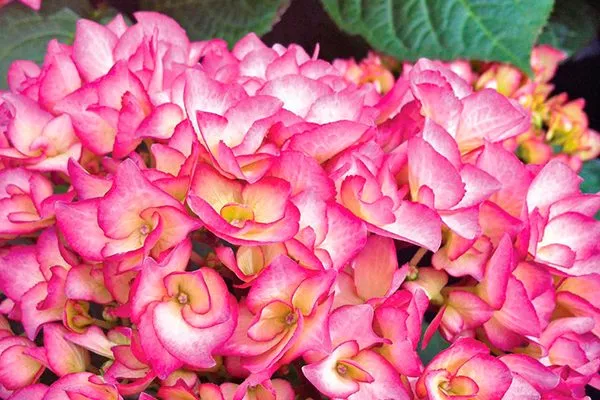
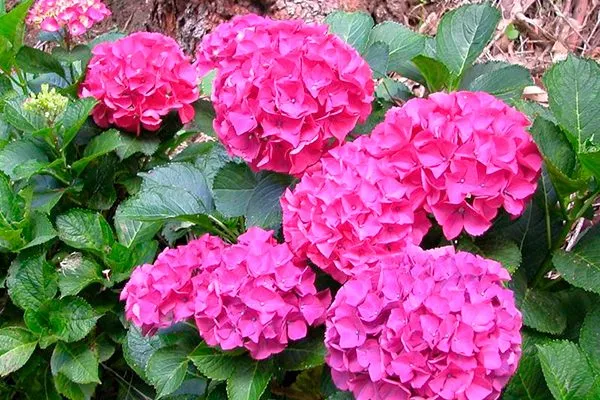
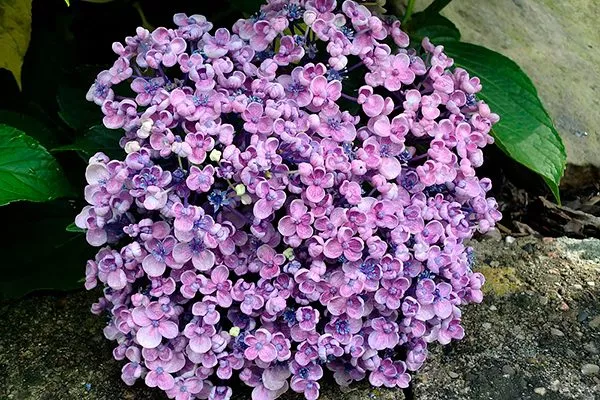
- Expression. A beautiful multi-colored hydrangea with vibrant pink and purple hues.
- Ever Peppermint. This bicolor hydrangea is a miniature plant (no more than 60 cm tall). Petals can be pink and white, purple and white, or mixed.
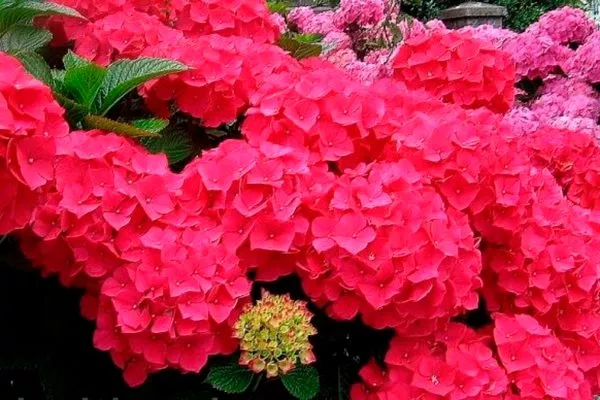
- Red Sensation. A very colourful variety with juicy pink flowers and burgundy shoots.
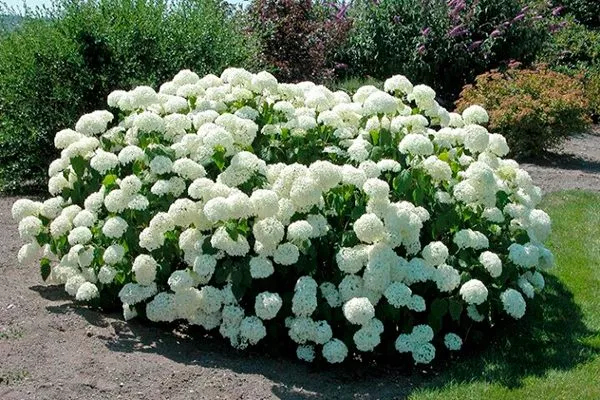
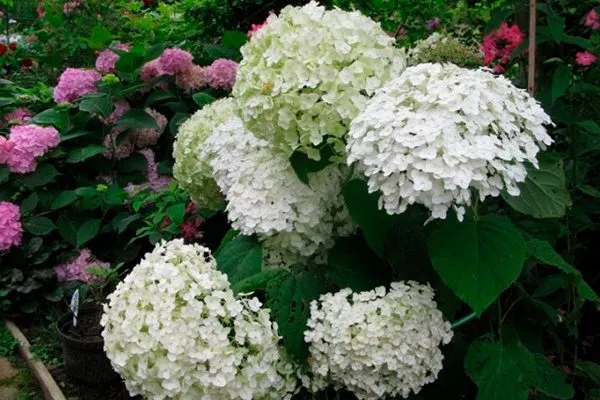
- Annabelle. Characterized by increased winter hardiness and a small size (maximum height 100 cm). The spherical inflorescences are usually white, but can have other colors.
- Sterilis. Considered the most valuable variety, it boasts lush and long-lasting blooms. At the beginning of budding, the flowers are greenish-white, but by the end of the blooming period, they become pure white.
- Hayes starburst. This is the owner of delicate snow-white flowers with average height parameters - 150 cm.
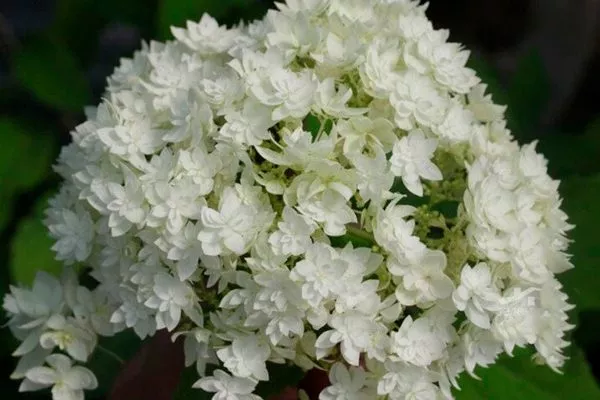
- Incrediball. Unlike other varieties, this hydrangea has spherical inflorescences that appear to float in the air. The color is white.
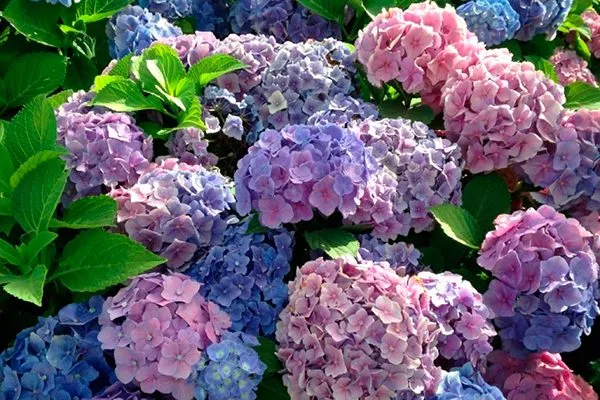
- Countess Kozel. This compact hydrangea can vary in hue from pinkish-purple to blue and light blue. It is these blooms that are traditionally used for dried bouquets (the flowers do not fall off).
- Alpenglüchen. It belongs to the large-flowered type, distinguished by its red-pink or blood-red petals. It grows up to 1.5 m, but its frost resistance is weak, so it is not grown in harsh climates.
- You and Me Forever. This large-leaf hydrangea features vibrant, double blooms that are white at budding and pink/lilac afterward. It is characterized by very strong stems and high frost resistance.
- Bodensee. A compact plant (up to half a meter in height) with delicate blue or purple flowers. Most often grown indoors. Frost intolerant.
- Aisha. A large-leaf hydrangea with lilac or purple flowers, but delicate pink or bright blue can also be achieved. It is distinguished by its very long blooming period.
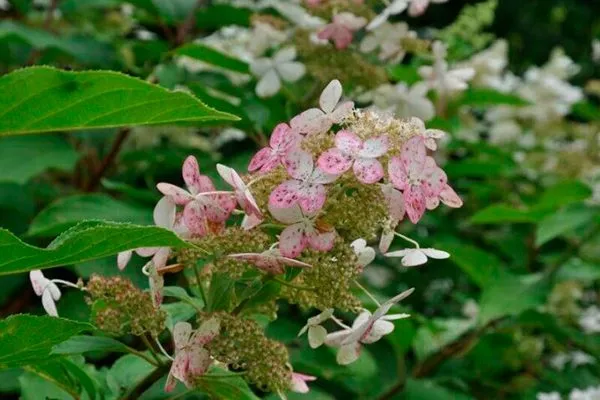
- Daruma. This panicle hydrangea is highly frost-hardy. It reaches a height of up to 120 cm, with white petals that later turn pink. Flowering continues until late autumn.
- Confetti. A conical paniculate type with lacy inflorescences in various shades—the tips are light cream, the base is pink. The last flowers appear in late October.
- Big Ben. A stunning rose that changes its hue automatically throughout the blooming period—its petals start out white, then turn pink, and finally red. Some specimens even combine several shades.
- Limelight. An unusual hydrangea that begins budding a rich lime green, but fades to a whitish (not pure white) color over time. This is a tall variety, reaching up to 250 cm.
Landing
Planting is done in spring and fall, but in regions with harsh climates, it's not advisable to do this before winter, otherwise the young bushes won't have time to fully establish roots and adapt. The exact timing depends not only on the climate but also on the specific hydrangea species and variety. On average, when planting in spring, the minimum air temperature should be 10-12 degrees Celsius.
It is important to pay attention to the general indicators of the conditions:
- Plot. Most often, you need to choose a location with full sun until midday and then shade. Some varieties prefer fully sunny beds, but none like full shade. It's especially important to provide diffused light for tree-like and climbing varieties.
- Priming. Regardless of the species or variety, the soil should be well-drained and loose. It's important to provide it with organic fertilizer. Hydrangeas prefer acidic or neutral soil, but this largely depends on the specific variety.
- Neighborhood. You should not plant crops with a shallow root system next to hydrangeas, as this will prevent them from being fully saturated with nutrients and moisture.
Planting operations are carried out in two stages. First, preparation is carried out:
- Plot and planting hole. It's best to do this 2-4 weeks before planting. To do this, clear the future beds of debris, branches, leaves, etc. Then add organic matter along with the soil. The soil surface should be carefully leveled and the holes dug.
The distance between bushes, as well as the depth of the holes, depends on the width and height of the plants. For climbing hydrangeas, a support post must be installed in advance.
- Planting material. To prepare the seedlings, inspect them and remove any damaged, dried, or rotted parts. The roots and shoots are trimmed slightly. Ten hours before planting, the root system is immersed in a rooting agent (Epin Extra, Kornevin, or Heteroauxin). However, this is only done if the planting material has a root ball.
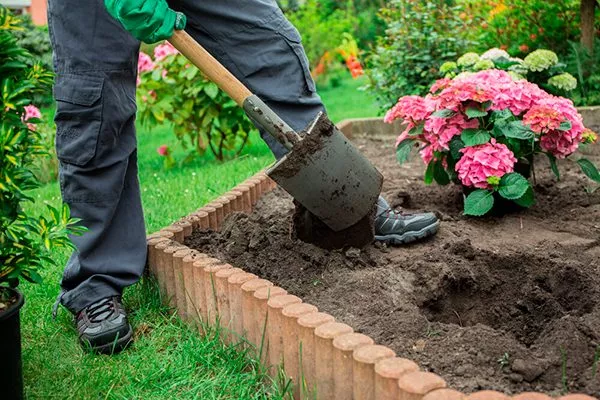
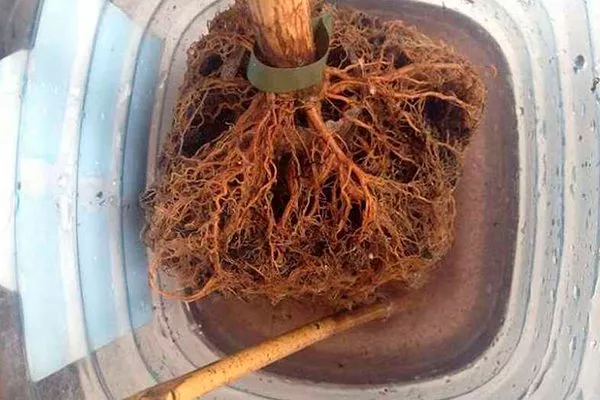
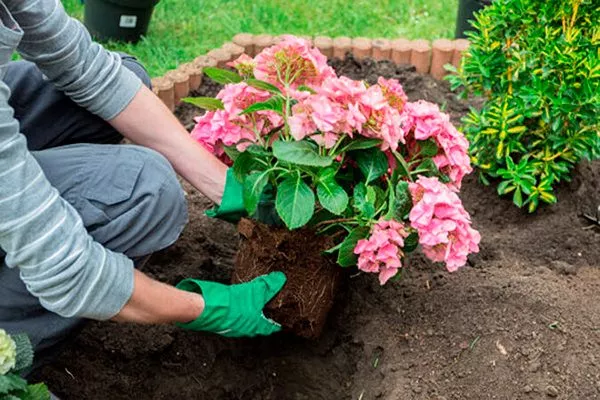
Planting takes place on a warm, sunny day. The process is as follows:
- Fill the dug holes with potting soil (the composition depends on the variety) to half the depth. If the seedling has a closed root system, make a depression in the center and insert the plant removed from its container. If the root system is open, form a mound and place the plant on it, carefully spreading the roots out to all sides.
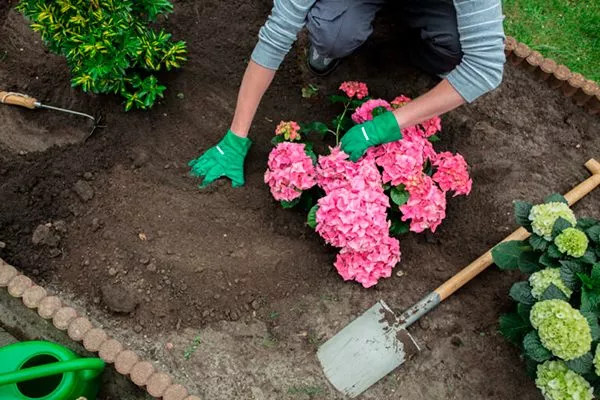
- Fill with soil. Do this gradually, compacting the soil mixture periodically to ensure there are no empty spaces between the roots. The root collar should be no more than 1-2 cm below ground level. Otherwise, it will rot.
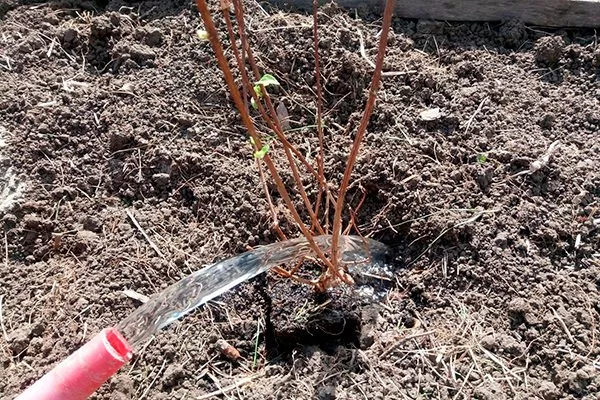
- Water generously with warm water.
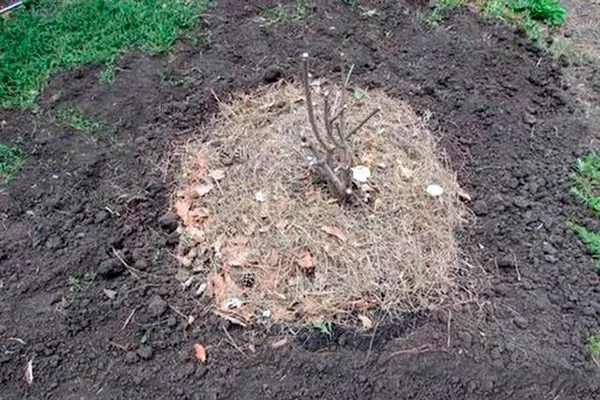
- Be sure to mulch, as hydrangeas prefer higher humidity. Use only organic mulch, such as peat, manure, etc. Wood shavings and spruce branches are also suitable.
Aftercare
Hydrangeas are demanding plants, but not so demanding that they pose a challenge to the gardener. The main challenge when growing them is maintaining the soil, which should be frequently moistened. Monitoring the soil's pH is also important.
Watering
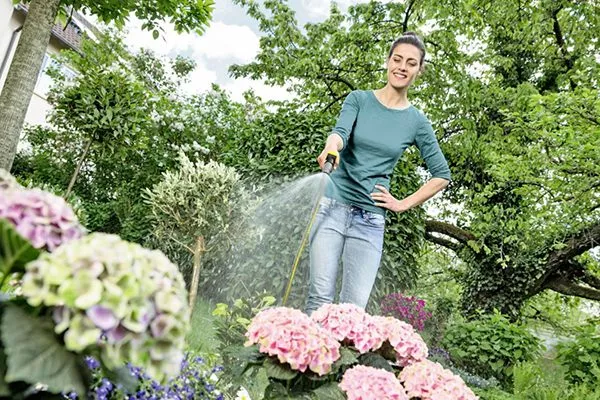
Soil moisture levels are essential for lush and abundant flowering, as well as for the plant's full development and growth. Therefore, hydrangeas should be watered according to the following general guidelines (specific rates vary by variety):
- in spring, moisturize once a week;
- In summer, it is important to add water 2 to 3-4 times a week;
- in autumn, after flowering has finished, there is no need to water (only if the weather is too dry);
- the amount of water for one young bush is 15-30 liters, for an adult – from 30 to 50 liters.
- ✓ The water temperature for irrigation should not be lower than +20°C, so as not to cause stress to the plant.
- ✓ Use only settled water for 48 hours to reduce the concentration of chlorine and other harmful substances.
The water should be free of harmful elements, so always let it settle for 2-3 days. The water should be at least room temperature, but warm is better. Never add cool water, as hydrangeas are heat-loving plants.
Top dressing
Give preference to natural plant food. However, complex fertilizers are also necessary to ensure a balanced nutrient composition not only in the soil but also in the plant itself.
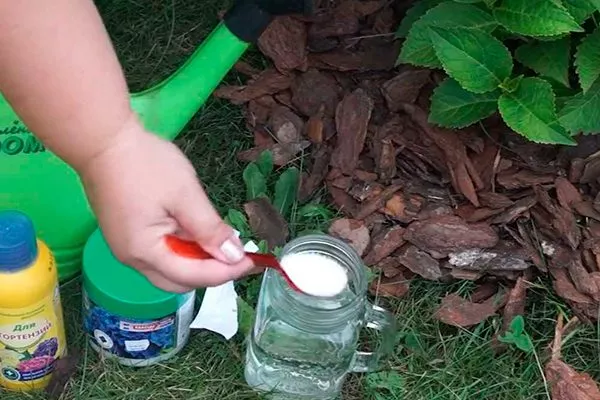
It is recommended to fertilize twice a year, but experienced gardeners do it three times:
- In the spring. When a plant awakens from dormancy, it requires energy to recover. Organic matter, such as urea, can help with this. It accelerates growth and promotes the buildup of green mass, which is crucial for the start of the growing season.
The time for applying fertilizer is when buds are forming. The composition is 10 liters of water, 20 g of urea. The norm for one adult bush is from 25 to 30 liters. - In summer. Fertilizing hydrangeas is rare during this time, but supplementing will help the plant retain more vigor. This will, therefore, result in more abundant and prolonged flowering. It's best to use any organic matter—slurry, liquid chicken manure, compost, etc.
- In autumn. Over the summer, the bush also loses strength because all its energy is expended on flowering. Consequently, minerals, microelements, and other nutrients become catastrophically low. Fertilizing is carried out immediately after the flowering period ends, using complex preparations designed for flowering hydrangeas.
The dosage depends on the specific fertilizer (read the instructions carefully).
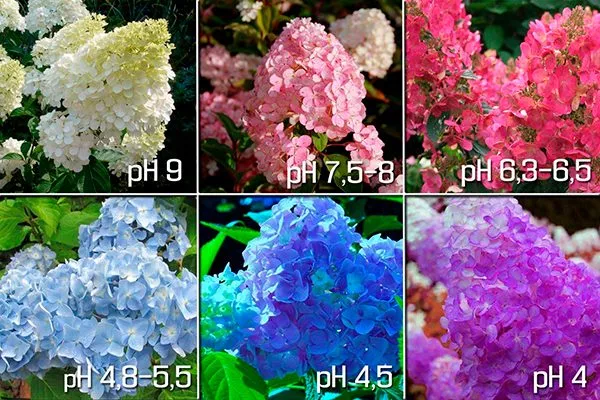
Hydrangea is blessed with a unique gift: its petals can be dyed. However, keep in mind that this can only be done with one type of hydrangea—the large-leaved variety. This requires adjusting the pH balance.
Trimming
Not all varieties and cultivars require constant pruning, but the vast majority of hydrangeas require bush shaping. This is done once they reach at least three years of age.
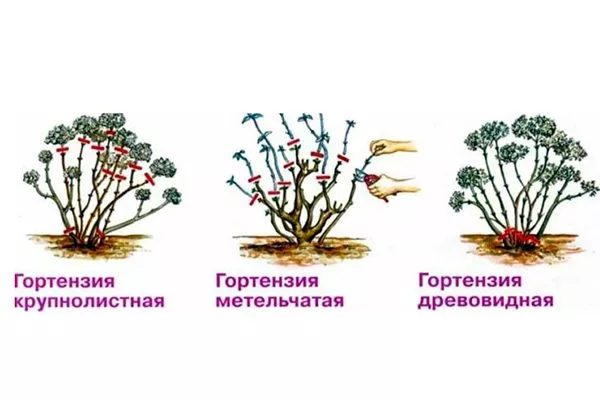
- ✓ For panicle hydrangea, prune in early spring before the sap begins to flow.
- ✓ Prune large-leaved hydrangea after flowering, as it blooms on last year’s shoots.
There are two main tasks: removing damaged shoots (sanitary pruning) and trimming stems for flowering in the current season. Sanitary pruning is performed in spring and fall, while stimulating pruning is done only after wintering (before the sap begins to flow).
Pest and disease control
Many hydrangea species and varieties are considered disease- and pest-resistant. However, sometimes problems arise. These are most often caused by improper cultivation practices. What to watch out for:
- Dry blackening of leaves. This is a non-infectious disease that occurs due to the use of excessively hard water. Another cause is constant exposure to sunlight on the plant's green foliage. Signs include the formation of dry spots, initially brown and then black. Treatment involves removing the affected leaves and normalizing care/maintenance.
- Wet blackening of leaves. Another non-contagious disease, this one is more likely a problem associated with excessive humidity (even for hydrangeas) and heavy soil. This can occur with prolonged rainfall, excessively frequent spraying of foliage, and sudden temperature changes.
To treat the plant, you need to lighten the soil (or replant it in a new location), reduce the humidity level, etc. - Chlorosis. This is an iron deficiency anemia in plants, caused by a lack of iron and other components that facilitate the absorption of this element. Symptoms include light-colored foliage, but persistently dark veins. Flowers and foliage also become smaller.
For treatment, iron sulfate, Ferovit, Agricola, and Antichlorosis are used. - Gray rot. A fungal disease caused by waterlogging. Symptoms include softening of the plant's parts and waterlogging. Treatment involves fungicide application. Fundazol is most commonly used.
- Peronosporosis. This is a downy mildew that develops as a result of infection by oomycete pseudofungi. It can be recognized by the yellow spots that appear in the initial stages. As the disease progresses, they enlarge and take on a brownish tint.
Copper sulfate can be used for processing. - Powdery mildew. This is a fungal disease that manifests itself as yellow-green spots with a grayish coating. Fitosporin-M is used for treatment.
- Septoria. This is white spot (in simple terms), a fungal disease. Symptoms include brown spots on the foliage, which cause the plant to die back and die. Treatment is best with copper-based products.
- Pests. Hydrangeas are most often attacked by nematodes, aphids, and spider mites. To combat these, insecticides such as Tanrek, Komandor, and Akarin are used.
Preparing for winter
Many hydrangea varieties are highly frost-resistant, but others require winter protection. This must be done correctly, otherwise, the risk of frost damage and rot increases, not only to the shoots but also to the root system.

The process of preparing for winter and shelter:
- After the flowering period is over, carry out sanitary pruning.
- Then fertilize the bushes.
- If the hydrangea is tall or climbing, be sure to tie up the stems.
- Hill up the shoots, which should be tied together beforehand. The mound should be about 20 cm high.
- Cover the hilled area and the trunk area with mulch. Young plants will require one more step: lay roofing felt or dry soil on top of the mulch.
- Make a frame around the bush from wire or wooden elements.
- Fill the space formed inside the frame with dry leaves.
- Cover the structure with any material other than polyethylene film (agrofibre, spunbond, etc.).
Reproduction
Hydrangea is a versatile plant when it comes to propagation methods, as almost any technique can be used. However, each method has its own advantages and disadvantages, as well as specific features that are important to be aware of.
Germination of seeds
The seed method is not popular among flower growers, but it is loved by experimental gardeners, because generative propagation makes it possible to obtain a completely new variety.
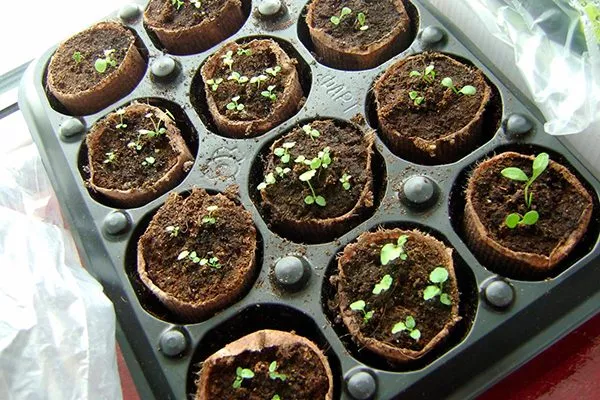
The disadvantage is the time it takes to obtain a mature bush, as the procedure looks like this:
- First you need to collect (buy) seed material;
- then sow the seeds in a common container and grow them until they produce a sprout with two or three true leaves;
- after this, the picking is carried out, twice;
- then you need to harden the seedlings and only then root them.
Cuttings
This is the most popular and sought-after method. Cuttings can be taken at any time of year, using both green and woody shoots.
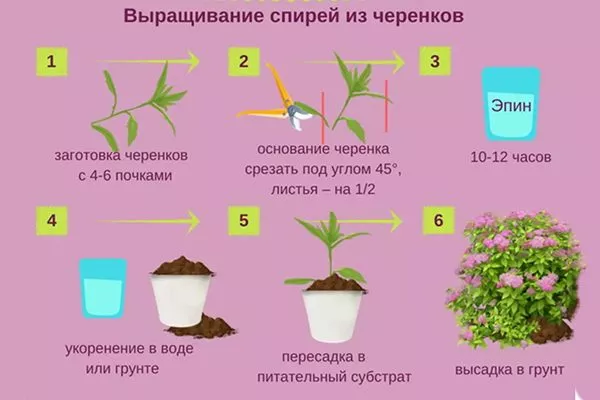
The procedure is roughly as follows:
- the stem is cut;
- divided into pieces of the required length (depending on the variety);
- takes root in water or nutrient substrate;
- is transplanted to a permanent location.
If cuttings are taken in the fall, then planting is carried out in the spring; if in the summer or spring, then the seedling is transferred to a permanent location in the fall.
Dividing the bush
This method is best used when replanting an adult bush, so as not to further injure the plant.
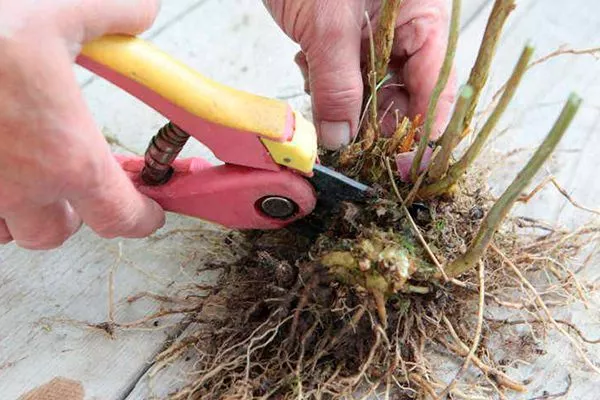
To do this, the bush is removed from the soil and cut into sections, each containing buds and leaves in addition to root shoots. Each section is then replanted in a new location. The process is quick, and rooting is always successful.
Layering method
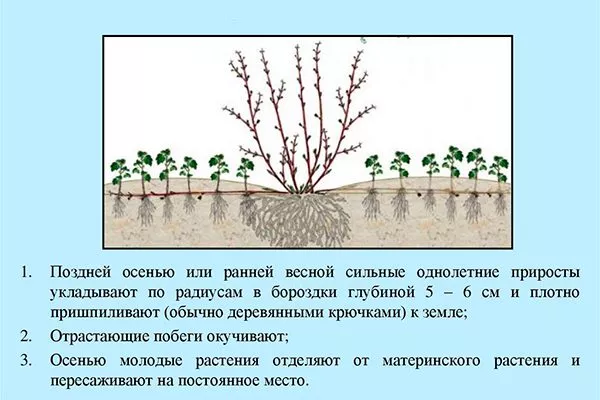
This technique is best used with hydrangea varieties whose stems bend easily. It's important to bend the shoot toward the ground and cover it with soil, which will encourage new shoots to form from the cuts in the correct location.
Examples in landscape design
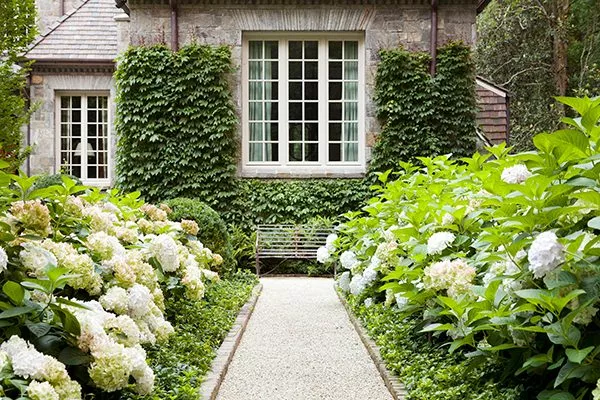
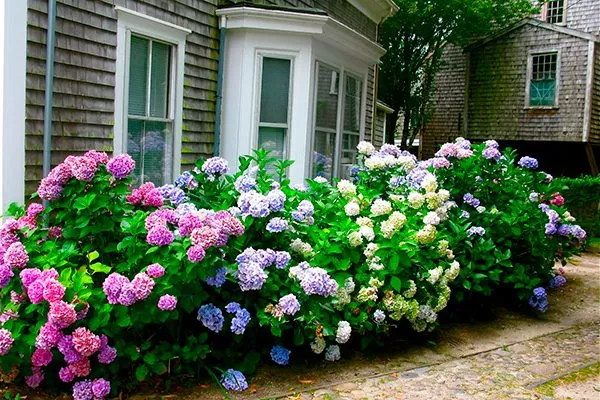
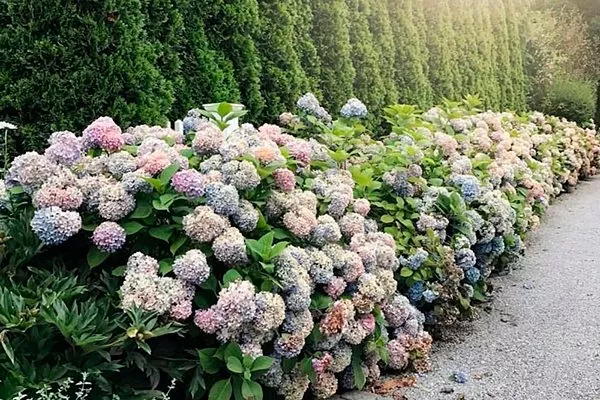
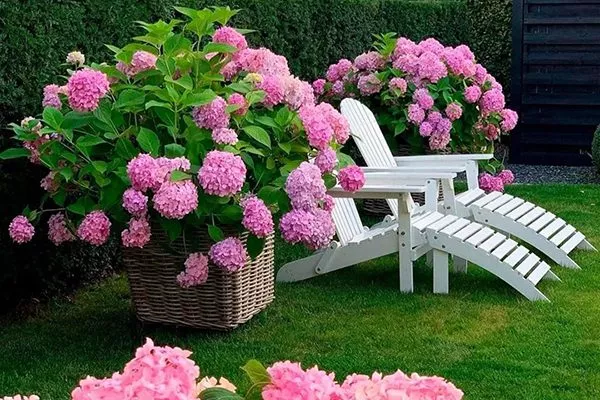
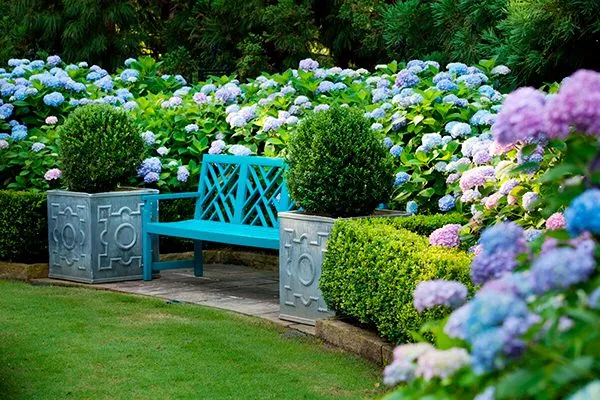
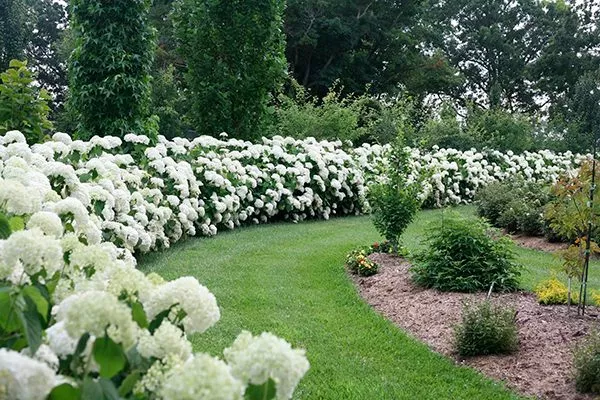
Regardless of the hydrangea variety, all its species are actively used in landscaping parks, alleys, garden plots and windowsills.
Climbing shrubs can decorate the walls of houses, cover gazebos, arches, and fences. All other varieties are planted singly or in groups, and can be combined with other crops, especially evergreens.
We invite you to familiarize yourself with successful landscape design solutions for decorating areas with hydrangeas:
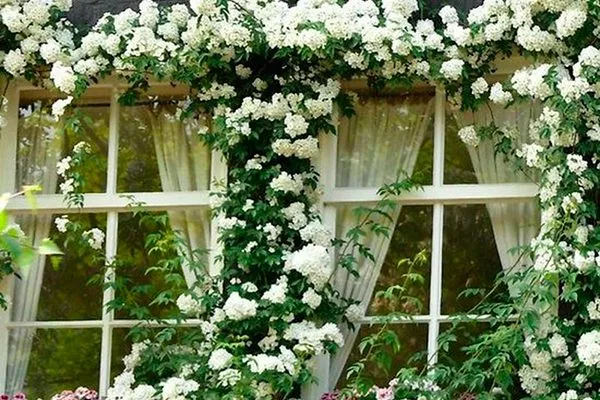
Hydrangea is a unique plant with spherical, pleasantly scented flowers in a variety of unusual hues. It can brighten up even the most unremarkable space and can be grown indoors, but it requires careful care. This involves monitoring soil moisture and acidity.