
Hydrangea is a stunning plant, captivating with its beauty and vibrant blooms throughout much of the summer. To enjoy its exquisite beauty year after year, it requires pruning. Spring pruning is a key step in promoting proper plant formation and ensuring abundant blooms.
Why do you need to prune hydrangeas?
Hydrangeas growing as shrubs can survive without pruning, but their appeal extends beyond their blooms. A beautiful, lush crown plays an important role in creating a luxurious shrub.
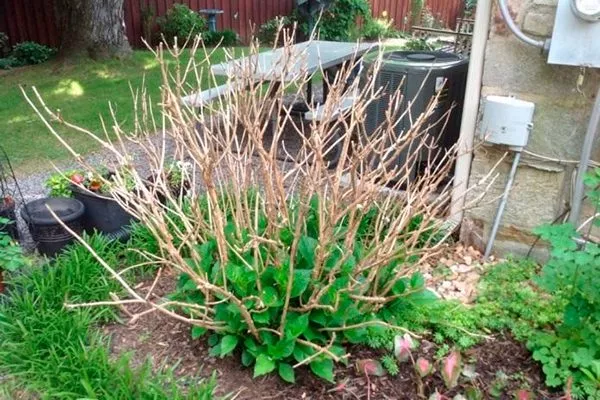
Hydrangeas that haven't been pruned and shaped at least once begin to look neglected, lose their neatness and grooming, and the quality of their blooms deteriorates exponentially. The size of their blooms directly depends on proper shaping.
Pruning hydrangeas is necessary for several reasons:
- maintaining plant health;
- formation of a beautiful silhouette and a lush crown with dense foliage;
- ensuring lush and powerful flowering;
- constant rejuvenation and preservation of decorative properties from year to year.
The best time to prune hydrangeas
The best time to prune hydrangeas is spring. This is due to several important factors:
- Spring pruning is performed before the plant's active growth period begins, when the hydrangea is just preparing for its growing season. At this time, the plant's energy is focused on the formation of new shoots and leaves, which promotes more effective healing of cuts and the plant's recovery after pruning.
- Spring pruning allows you to remove damaged, frozen, or diseased parts of the plant, preventing the spread of infection and further damage. At this time, hydrangeas are still in a dormant phase, which reduces stress on the plant and promotes a more successful recovery.
The optimal time for spring pruning of hydrangeas is considered to be early to mid-spring, when the buds are just beginning to open and the average temperature is between 5-10°C. This time creates ideal conditions for successful pruning and subsequent healthy growth of the hydrangea throughout the season.
How to prune hydrangeas in spring: diagrams and rules
Pruning garden hydrangeas isn't essential—the bushes will still thrive and bloom. However, a lack of proper care and regular pruning can lead to them becoming overgrown, giving them an untidy appearance, and their lush blooms will gradually give way to sparser, less noticeable ones.
Formative pruning of young hydrangeas
Avoid heavy pruning during the first year after planting to avoid stressing the plant during the adaptation period and root development. Perform light, sanitary pruning, removing damaged and weak shoots at planting. Postpone major pruning until March-April.
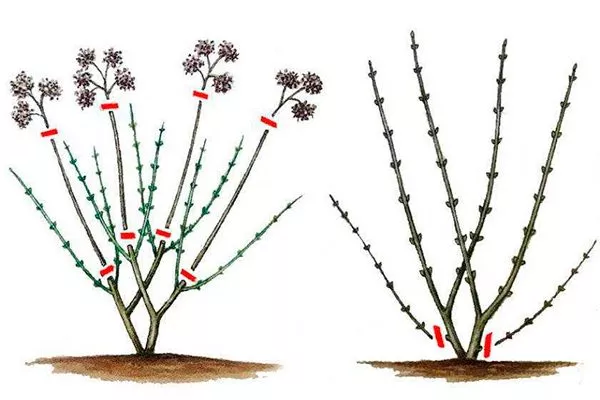
Carry out the first heavy pruning of the bushes in the spring of the second year. Drastically shorten last year's growth, leaving only 2-3 well-developed buds above the older part of the stem.
In the second year, create the bush's skeletal base by selecting strong, outward-facing shoots and shaping a uniform crown. These steps will help shape the bush, ensuring proper growth and flowering of hydrangeas.
Pruning mature bush hydrangeas
Standard pruning begins in the third year. It includes the following steps:
- Stimulating pruning for strong growth of flowering shoots. Shorten last year's growth on plants to 2-4 buds, from which new strong flowering branches will grow.
- Pruning frozen ends of shoots and damaged, dry branches. Remove damaged areas to promote overall plant health.
- Thinning and shaping. If the tree thickens and branches actively grow inward, be sure to remove any “extra” shoots to prevent the bush from becoming overly dense.
Pay special attention to small shoots that do not bloom and are directed towards the center of the crown, as well as “zero” shoots that come from the rhizome and are too weak to bloom. - Rejuvenating pruning. It is recommended to leave 6-10 strong shoots on the bush annually (of which only 2-5 branches should be from the previous year's growth). Remove old (3-4 year old) shoots to the base, and be sure to prune branches producing weak new growth.
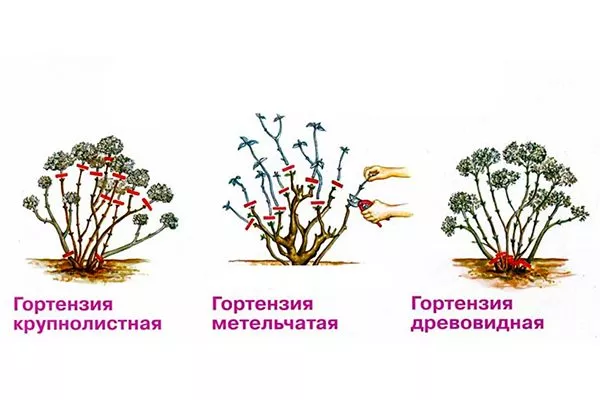
These steps will ensure that your hydrangeas are cared for, promoting healthy growth and abundant blooms.
Radical rejuvenation
Old hydrangea bushes and plants affected by diseases and pests are often stunted or neglected. They are rejuvenated using a more radical method. Hydrangeas are pruned back to the ground, which affects not only new growth but also the old wood.
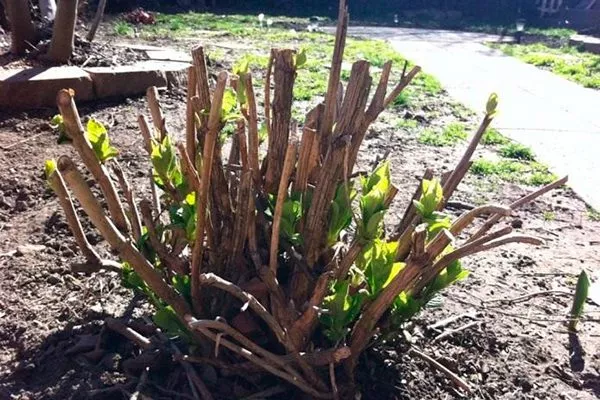
Typically, pruning to 50-80 cm from the soil surface is used. Although this may cause the hydrangea to miss a flowering season, the bushes actively recover, forming an attractive and healthy crown.
Pruning tree hydrangea in spring
Pruning arborescens hydrangea in spring is an important part of plant care, promoting healthy growth, a beautiful crown, and abundant flowering. Detailed instructions for spring pruning of arborescens hydrangea:
- The best time for spring pruning is early to mid-spring, when the average temperature is between 5-10°C and the buds are just beginning to swell.
- Use sharp pruning shears or loppers with a clean and disinfected blade.
- Carefully inspect the plant and remove all damaged, dead, and weak branches. This promotes overall plant health and prevents the spread of disease.
- Trim overly long or uneven branches to create a beautiful, well-groomed crown. Tree hydrangeas have a spherical or free-form crown, so maintain the plant's natural harmony.
- Prune old branches, retaining healthy buds. This will encourage the growth of strong new branches and abundant flowering.
- Prune young shoots, leaving a few buds on each. This promotes compact and bushier growth.
- After pruning, sprinkle the cuts with ash or crushed charcoal to prevent possible infections.
- Carry out pruning in dry weather, preferably in the evening.
- ✓ Pruning shears with sharp blades for clean cuts.
- ✓ Lopper for thick branches.
- ✓ Disinfectant for treating instruments between cuts.
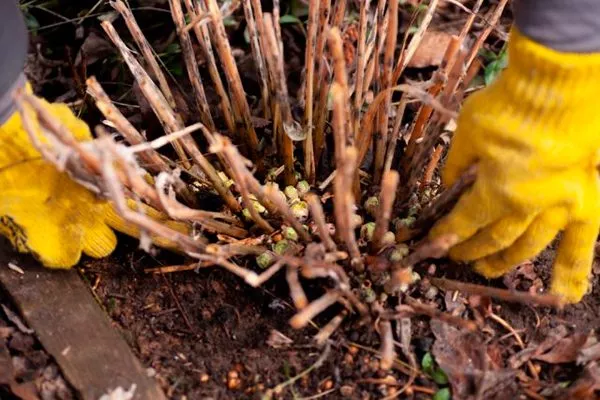
Spring pruning of panicle hydrangea
Spring pruning of panicle hydrangea is key to ensuring a beautiful shape, healthy growth, and abundant blooms. Instructions for easy and gentle spring pruning of panicle hydrangea:
- The best time for spring pruning is early spring, when frosts have passed but the buds have not yet bloomed.
- Use sharp, clean pruning shears or loppers to prevent damage to the plant.
- Inspect the hydrangea and carefully remove any dry, damaged or dead branches, starting at the base.
- Prune branches back to healthy buds, leaving about 2-4 buds on each branch. This helps stimulate new growth.
- Prune last year's growth, leaving 2-3 healthy buds on each shoot. This will help create compact and attractive bushes.
- Carefully remove dead flowers and inflorescences. This will not only create a beautiful appearance but also stimulate the formation of new buds.
- Prune weak and overly thin branches, especially those growing inwards, to improve air circulation and light penetration.
- After pruning, treat the cuts with an antiseptic or sprinkle them with charcoal to prevent possible infections.
- After pruning, provide hydrangeas with adequate watering to speed up recovery.
- Prune during dry weather to prevent the spread of diseases.
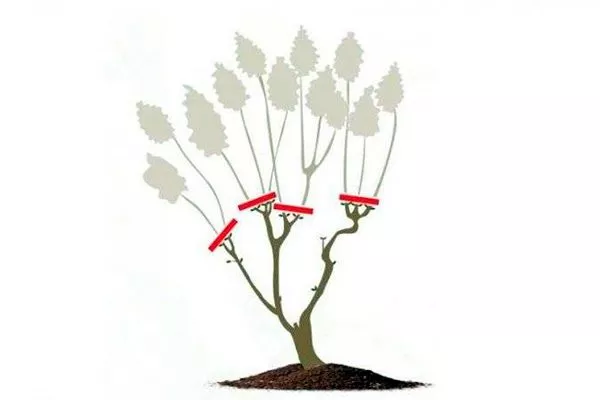
By following these instructions, you will prune your panicle hydrangea in the spring in a way that minimizes stress on the plant and ensures its beautiful appearance and abundant flowering.
Pruning large-leaved hydrangea in spring
Pruning bigleaf hydrangeas in spring is important for shaping the bush, stimulating flowering, and maintaining the plant's health. For painless and effective spring pruning of bigleaf hydrangeas, follow these instructions:
- The optimal time is early spring, before active growth begins and the buds open.
- Carefully trim spent flowers back to the nearest healthy bud or above a branch.
- Check the bush for damaged, broken, or dead branches. Remove them by pruning back to a healthy bud or branch.
- Remove all dry, weak, and diseased branches. This will help maintain the hydrangea's health and prevent the spread of disease.
- Cut off last year's growth, leaving 2-3 healthy buds on each shoot.
- Remove old branches, especially those that are becoming too long or crowding the bush. This will maintain space within the bush and ensure even light distribution.
- If necessary, perform rejuvenation pruning, removing old branches to the ground. This helps stimulate new growth.
- Be sure to treat the cut areas with charcoal to prevent the plant from becoming infected with infectious diseases.
- Provide your hydrangea with proper care, including watering and fertilizing.
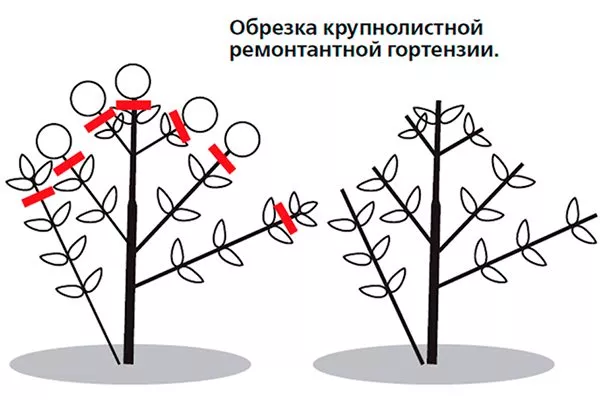
This characteristic requires special attention during pruning, which should be done carefully, aiming to simultaneously rejuvenate and improve the bush's condition. This procedure helps stimulate flowering without disrupting it.
Caring for hydrangeas after pruning
After properly pruning your hydrangea in spring, it's important to provide it with proper care to promote healthy growth and abundant blooms. Consider the following:
- Watering. Regular watering is essential for hydrangeas. Keep the soil around the plant moist, especially during hot weather.
- Fertilizer. To encourage abundant flowering, fertilize hydrangeas with mineral fertilizers rich in phosphorus and potassium. Fertilize several times a year—in the spring, before flowering begins, and after flowering has finished.
- Protection from pests and diseases. Hydrangeas can be susceptible to attacks from various pests and diseases, such as black spot, powdery mildew, and gray mold fungus.
Regular inspections of the plant will help to promptly identify problems and take the necessary measures to eliminate them. - Shelter for the winter. In some cold regions, hydrangeas may require winter protection. Dry leaves, straw, or special overwintering materials can be used for this purpose.
- Removing faded flowers. After flowering has finished, remove faded flowers to encourage new buds to form and further blooms to follow.
Check out the instructions on how to properly prune hydrangea:
Hydrangea is a stunning plant, captivating with its beauty and vibrant blooms throughout much of the summer. To enjoy its exquisite beauty year after year, it requires pruning. Spring pruning is a key step in promoting proper plant formation and ensuring abundant blooms.