
The petiolaris hydrangea attracts attention with its resilience and magnificent ornamental qualities. It is considered an excellent choice for decorating the east or north-facing walls of buildings, gazebos, facades, and shady areas of the garden. To ensure a beautiful and healthy plant that will delight you with lush blooms, it is important to provide it with proper care.
Features of petiole hydrangea
The petiole hydrangea is a species of ornamental shrub belonging to the hydrangea family. The plant gets its name from its characteristic cone-shaped inflorescences, reminiscent of petioles.
Story
In 1865, a popular subspecies of hydrangea, Petiolaris, was discovered in the forests of Japan. It is especially popular in Russia. Franz von Siebold and Josen Gerhard Zuccarini named it after its long petioles.
In the wild, it grows in the Americas and Asia, including Sakhalin Island in Russia, as well as regions of Korea, Japan, and China. In its natural habitat, this vine can climb up tree trunks to heights of up to 25 meters.
Dimensions
It grows tall, reaching 5-8 meters in height. Hydrangeas can be either climbing or trailing. In some cases, mature specimens are impressive in size, reaching 10-20 meters in height. The petiole hydrangea is a climbing variety, and its aerial roots allow it to easily attach to supports.
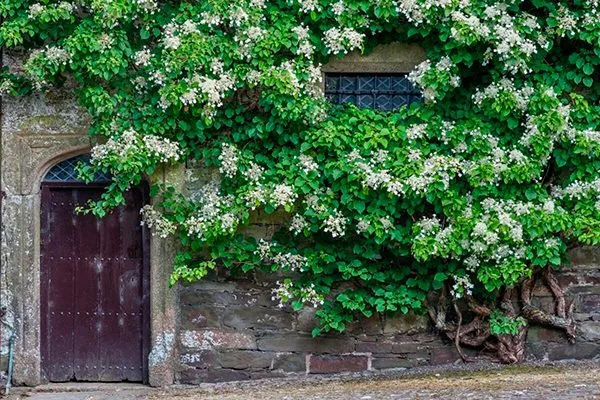
Shoots, foliage
The oppositely arranged, heart-shaped leaves reach 8 to 12 cm in length, with a serrated edge. They fall in the fall, usually in the second half of October. During this period, they acquire a pale yellow hue with a golden sheen.
The stems become leafy from April to May, and fall in the second half of October. In winter, the shoots are highly branched and woody, becoming clearly visible.
They are highly durable and come in red or brown colors. The vines retain their aesthetic appeal even after the leaves fall.
Bloom
The petiole hydrangea is a shrub in the hydrangea family known for its large, beautiful inflorescences. The flowers of the petiole hydrangea are clustered in dense, cone-shaped clusters, giving the plant an elegant and refined appearance.
Each inflorescence consists of numerous small flowers, which can be white or pink depending on the variety. Flowering of the petiole hydrangea begins in midsummer and can continue until early fall, making it an attractive long-lasting garden plant.
Varieties of petiolate hydrangea
Hydrangea petiolaris comes in a variety of cultivars, including a wide range of flower shapes and colors. Some may have unique growth habits, sizes, and foliage textures. This diversity allows you to choose a plant to suit your color and shape preferences.
| Name | Plant height | Leaf color | Flowering period |
|---|---|---|---|
| Miranda | 10 m | Bright green with yellow edging | Almost the entire summer season |
| Cordifolia | 1.5 m | Slightly whitish color on the underside | Not specified |
| Semiola | Not specified | Green even in the cold season | Not specified |
| Silver Lining | 2-7 m | Deep green with white edging | Not specified |
| Take a chance | Not specified | Dark green with white trim | Not specified |
| Retiolaris | 25 m | Dark green | Not specified |
| Winter Surprise | 2 m | Green, reddish, dark burgundy or cherry in autumn | Not specified |
Miranda
The plant reaches approximately 10 m in height and blooms almost the entire summer season with white flowers that emit a pleasant sweet aroma.
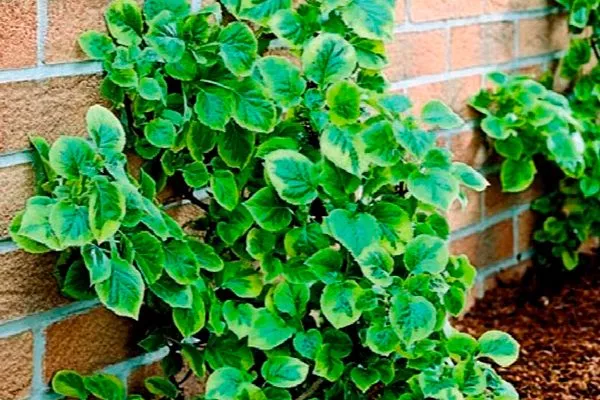
This variety is considered one of the most attractive due to its decorative leaves, which stand out with their bright green center and yellow border along the edges.
Cordifolia
Dwarf petiole hydrangea typically reaches a height of no more than 1.5 m. The cultivar's distinctive features can be identified not only by the plant's compact size, but also by the color of its leaves: their undersides are not bright green, but rather slightly whitish.
Semiola
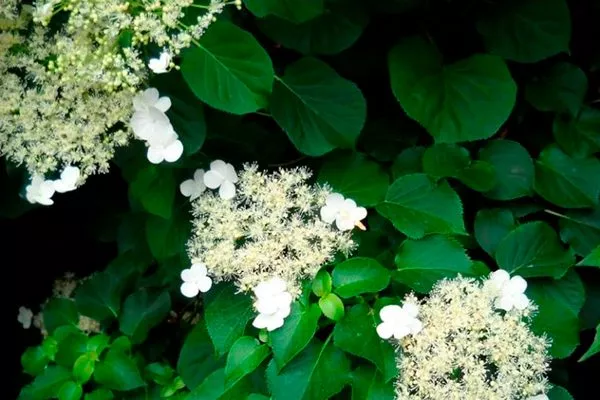
This species was discovered relatively recently. Its inflorescences are white. In regions with mild winters, the leaves of this bush remain green even during the cold season. This variety is capable of growing vertically, even without support. It is widely used as a highly decorative ground cover.
Silver Lining
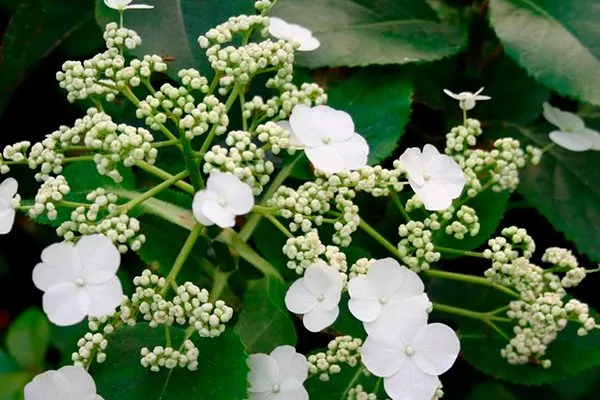
The petiole hydrangea averages 2 m in height, sometimes reaching up to 7 m. It is characterized by deep green leaves with a white border, and a reddish tint appears on the underside of the foliage.
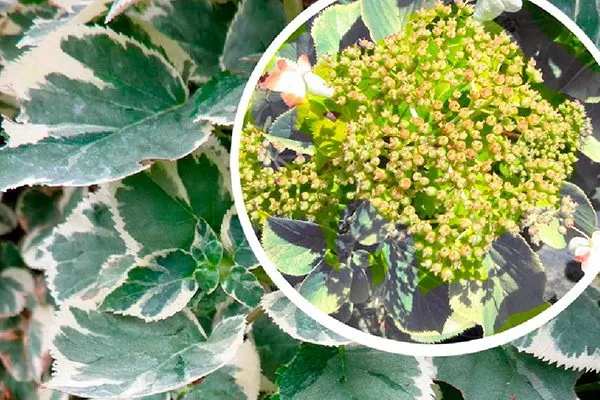
Take a chance
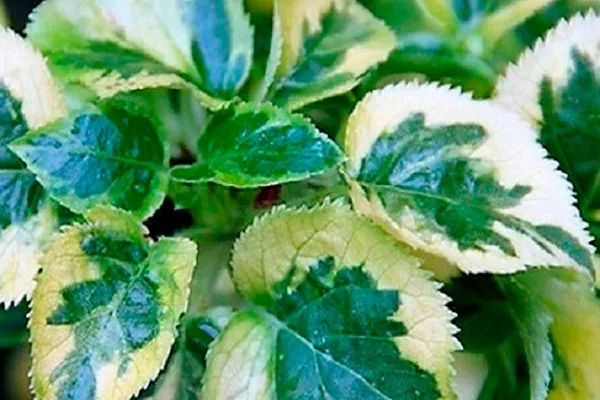
A unique appearance characterizes the beautiful petiole hydrangea. Its leaves are dark green with white edges and a marbled texture, sometimes completely white. The flowers are white, but with a slight creamy tint.
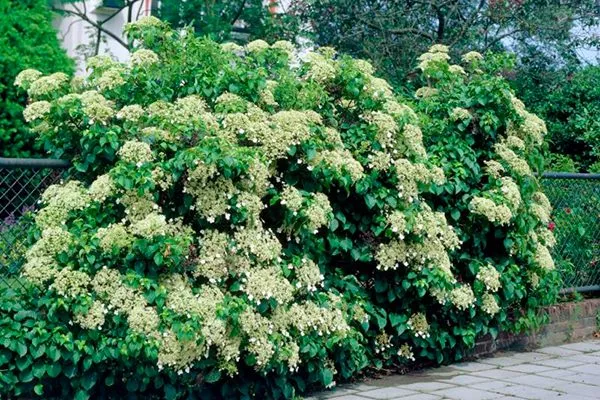
Retiolaris
This hydrangea variety can reach heights of up to 25 meters and is ideal for landscaping. Petiolaris is often used to decorate architectural elements, fences, and tall trees. The leaves are dark green, and the flowers can be greenish or white.
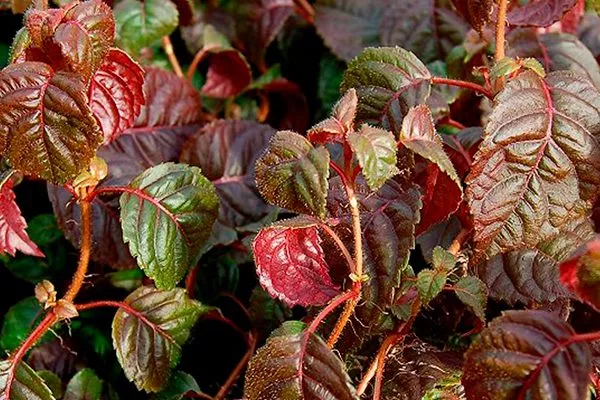
Winter Surprise
This variety typically reaches a height of no more than 2 meters. The leaves start out green, but by autumn they take on a reddish, dark burgundy, or cherry hue. The plant displays large, snow-white flowers during flowering, which is where its name comes from.
Planting in open ground
Planting hydrangeas isn't particularly difficult. The key steps are choosing a suitable site and preparing the seedling—the plant's development depends on these factors.
Choosing a location
Before purchasing a petiole hydrangea, decide where you plan to plant it. This plant prefers partial shade to shade, so choose a site with adequate shade from trees or buildings. Hydrangeas require fertile, well-drained soil.
- ✓ The presence of aerial roots in a seedling indicates its good survival rate.
- ✓ The seedling must have at least 3 healthy shoots without signs of disease.
Preparing the planting site and seedlings
Preparing the planting site and hydrangea seedlings is a key step for the plant's successful development. Ensure the soil is well-drained and the area is not prone to standing water.
Check the soil pH. Hydrangeas prefer slightly acidic or neutral soil. If necessary, add limestone or acidic amendments. Amend the soil with organic matter, such as compost. This will improve the soil structure and provide essential nutrients.
Landing rules
Planting of petiole hydrangea seedlings is done in open ground in the fall or spring, after preparing the site. In regions with milder climates, especially in the south, it is recommended to plant in the fall, approximately four weeks before the first frost.
Step-by-step instructions for planting in open ground:
- Prepare the area by digging and removing rocks. Add drainage material or fertilizer if needed.
- Immerse the root system of the seedling in water for a few minutes before planting.
- Make a planting hole twice the size of the plant's root ball. Mix garden soil with compost.
- Place the root ball in the hole 20 cm from the support, so that the weight of the future vine's shoots won't create any problems for the wall. When choosing arches or supports, ensure they are strong enough to support the weight of a mature plant.
- Fill the hole with nutritious soil mixture and compact its surface. Water. Cover the area around the tree trunk with mulch to reduce moisture evaporation.
Caring for petiolate hydrangea
Petiolate hydrangeas require regular watering and fertilization, as well as necessary pruning. During the first few years of growth, it's recommended to train young shoots toward support and, if necessary, tie them up.
How to water?
Hydrangeas planted on an east-facing side require regular watering during the first few years of growth, especially since the soil in this location can be too dry. During the summer, cover the soil surface with a layer of mulch, such as pine bark, to reduce moisture evaporation.
Mature plants that have been growing in the same spot for several years usually don't require additional watering, as they develop a strong root system that penetrates deep into the soil. Water carefully, focusing only on the area around the trunk and avoiding contact with the leaves.
Top dressing
Fertilize your hydrangea during the first few years after planting it outdoors, using organic fertilizers such as compost. This process has a positive effect on the growth and development of the bush.
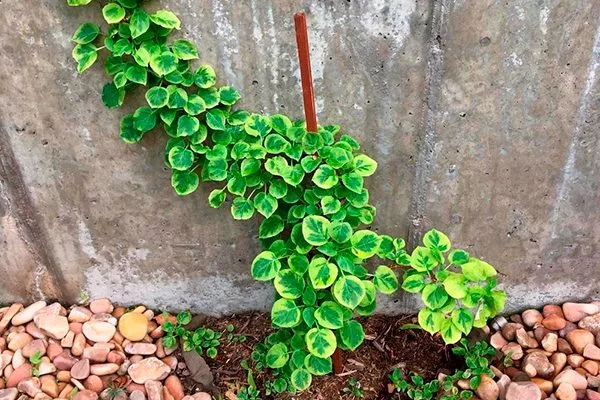
Mature plants also require fertilization, and this has a beneficial effect on their overall health. To do this, mulch the area around the trunk with compost, first mixing it with one or two handfuls of acidic soil. Then, till the top layer of soil together with the compost.
Wintering
Hydrangeas are frost-resistant and can easily withstand temperatures down to -25°C. If you're growing hydrangeas in the Moscow region, choose a planting site protected from cold winds. It's important to provide the plants with winter shelter.
Pruning petiolate hydrangea
During the initial years of growth, pruning is not recommended for petiole hydrangeas, as the plant needs time to acclimate and establish roots. Avoid unnecessary disturbance, and over time, it will grow strong and healthy.
Pruning petiole hydrangeas is usually done in July, when the bush has finished blooming. Remove excess horizontal shoots if necessary. Pruning can also be done to control excessive shoot growth.
Pests and diseases
Petiole hydrangea exhibits high disease resistance, but can be affected by certain ailments. Common diseases of petiole hydrangea include:
- Leaf spot. Yellow or brown spots of varying sizes appear on the leaves. This is due to improper care. Use specialized antifungal products to treat and eliminate the disease.
- Powdery mildew. A white, flour-like coating covers the leaves and stems. The disease is caused by high humidity and insufficient light. To prevent the disease, provide the plant with adequate ventilation and light. Take care of your hydrangea with antifungal treatments.
- Blackleg. The appearance of black, rotten areas on the roots, leading to the plant dying, is a sign of this disease. It can be caused by overwatering, poor drainage, or a fungal infection.
Prevention includes good soil drainage and avoiding overwatering.
Among the pests of petiolate hydrangea are:
- Spider mite. The appearance of thin, web-like coverings on the leaves, which feed on the plant's sap. Regularly treat the hydrangea with acaricides to control insects.
- Aphid. These are small insects that feed on young shoots and leaves, sucking out the plant's sap. Prevention involves treating hydrangeas with insecticides to prevent aphids from infesting them.
- Leaf beetle. Holes of various shapes and sizes on leaves are caused by beetles feeding. Regular insecticide treatments will help control this pest.
If diseases or pests are detected on petiolaris hydrangea, it's important to take treatment and preventative measures. Regular inspections, proper care, and timely application of necessary treatments help maintain the plant's health and beauty.
Methods of reproduction
Most often, petiole hydrangeas are propagated using layering in the spring. Some gardeners practice propagation via cuttings, but successful rooting is not guaranteed.
Layers
Petiolate hydrangea is propagated by layering. This process allows for increasing the number of plants.
- ✓ The soil temperature must be at least +10°C for successful rooting.
- ✓ Soil moisture should be maintained at 70-80% without over-watering.
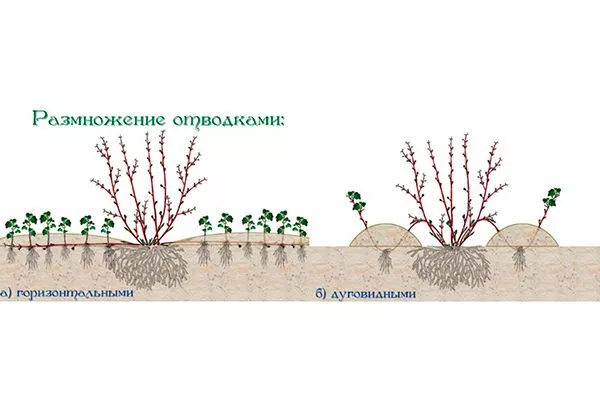
Step by step process:
- Select a healthy, low-growing stem and bend it down to the soil surface, especially if it has aerial roots.
- Dig in the stem and aerial roots, securing them with hooks.
- Tie the top of the shoot to a support so that it remains upright.
- Once the roots on the buried part of the shoot have developed sufficiently, separate the layer from the main bush.
- If the cutting is well developed, plant it directly in its permanent location.
Air layering
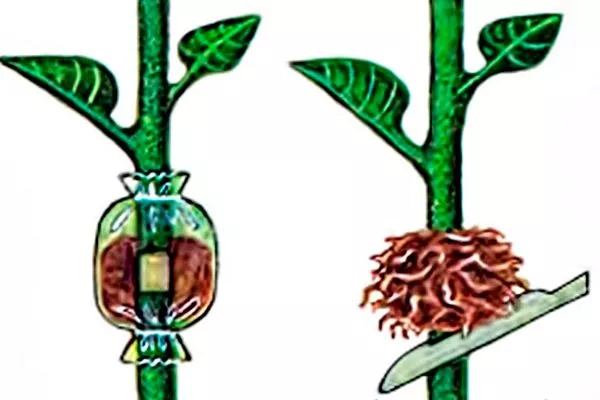
Mature petiole hydrangeas are characterized by stiff stems that bend with difficulty. Air layering is used to propagate this plant:
- Select a healthy shoot from the current year.
- Cut off all the leaf blades, leaving only the top ones.
- Using a sharp tool, make several cuts in the bark or remove the surface bark around the shoot, creating a wide ring. If necessary, treat the cuts with a root growth stimulant.
- Wrap the shoot in a black plastic bag, securing it at the base. Fill the bag with a high-quality, moist potting mix, tie it tightly, and secure it to the shoot with tape.
- Wait for the shoot to root, monitoring the moisture level of the soil mixture in the bag. The rooting process can take at least 8 weeks.
- When the roots fill the entire bag, separate the layer from the main bush at the base.
- Plant it in a container with moistened soil and place it in a shaded area. The foliage may drop during the first week, but new leaves will soon appear in their place.
A bush of an adult plant propagated in this way often attracts birds, which help maintain balance in the area by destroying pests.
How to cover petiolate hydrangea for the winter?
Thanks to its high winter hardiness, mature petiole hydrangeas require no special winter protection. Even in the harsh Siberian climate, this vine-like plant successfully tolerates severe frosts.
If some shoots freeze during the winter, hydrangeas quickly recover, actively producing new shoots in the spring. Only vines less than three years old require winter protection.
Before the onset of cold weather, such plants are removed from their supports and carefully laid out on boards, covered with spruce branches or non-woven material. A thick layer of fallen leaves is also acceptable.
Petiolate hydrangea in landscape design
Hydrangea petiolaris is a shrub distinguished by large, attractive inflorescences. This species has become popular in landscape design due to its resilience, decorative qualities, and variety of cultivars.
The use of petiolate hydrangea in landscape design can be varied:
- As a separate plant. Large and vibrant inflorescences look great when planted individually, creating a striking floral accent in the garden.
- In group plantings. Hydrangea fits harmoniously into compositions with other plants, such as herbaceous perennials or other types of hydrangeas.
- In the creation of hedges. Thanks to its height and abundant flowering, hydrangea can be used to form hedges, performing not only a decorative function, but also serving as a protective or zoning element on the site.
The petiolaris hydrangea is a valuable asset for gardeners and landscape enthusiasts. Its hardiness, frost resistance, and attractive appearance earn it a well-deserved place in garden design. Its vibrant blooms and leaf coloring throughout the seasons add aesthetic appeal to any garden.