
Hibiscus – a heat-loving plant that requires special attention during the winter. Drops in temperature, short daylight hours, and dry indoor air are stress factors that can weaken the plant and affect its health. To maintain its decorative appearance and prepare the plant for active spring growth, comprehensive care is essential.
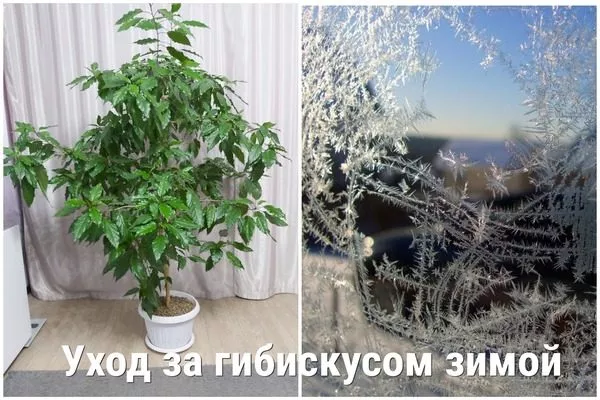
The importance of winter care to maintain the decorative appearance of the plant
Winter is a serious challenge for Chinese hibiscus, often grown indoors. Insufficient light, dry air from heating appliances, and temperature fluctuations can significantly weaken the plant and negatively impact its decorative qualities.
Proper winter care is crucial for maintaining the health and abundant blooms of hibiscus. Neglecting these guidelines can lead to the following consequences:
- loss of leaves;
- growth retardation;
- weakening of the immune system;
- reduction or complete absence of flowering.
Timely and correct care allows Chinese hibiscus to successfully survive the winter. Key measures include:
- organization of additional lighting;
- maintaining optimal air humidity;
- moderate watering;
- protection from drafts.

This not only preserves the plant's decorative appearance but also ensures vigorous growth and abundant flowering in the coming spring and summer. Thus, the investment of time and effort in winter care pays off with a healthy and beautiful plant, delighting the eye with lush blooms.
You can read about the different varieties of hibiscus and which of them are the most decorative. Here.
Features of wintering Chinese hibiscus
The plant requires special attention, as it undergoes significant physiological changes during the winter and is exposed to adverse factors. The key care goal at this stage is to maintain the hibiscus's vitality and ensure its full flowering in the future.
Plant physiology in the cold season
With the onset of cold weather, hibiscus slows its vital processes. The rate of photosynthesis decreases, and the need for nutrients and water is reduced.
The plant enters a state of relative dormancy, which must be taken into account when organizing care.
Transition to a state of rest and decreased activity
During the dormant period, hibiscus growth virtually ceases. Some leaf drop may occur, which is a natural response to insufficient light and a drop in temperature.
Risk factors in winter
In winter, hibiscus is especially vulnerable to cold, dry air from heating appliances, and lack of sunlight. Here's what to watch out for:
- cold - may lead to hypothermia of the root system;
- dry air – promotes the appearance of pests (spider mites);
- lack of light – weakens the plant and reduces its ability to flower.
To minimize these risks, it is necessary to provide the plant with optimal conditions and not neglect agricultural practices.
Temperature and humidity
Key aspects of successfully overwintering Chinese hibiscus include maintaining optimal temperature and humidity. These factors directly impact the plant's health, its decorative appearance, and its ability to bloom in the coming season.
Recommended temperature
During the winter, temperatures between 10°C and 18°C are considered optimal for Chinese hibiscus. Higher temperatures, especially when combined with dry air, can cause the plant to awaken prematurely and deplete its resources.
Consequences of hypothermia and overheating
Overcooling the root system can lead to root rot and plant death. Conversely, overheating causes excessive transpiration and, as a result, leaf drop.
Therefore, it is important to monitor the temperature of the soil and air around the crop, especially near heating devices.
Regulating indoor air humidity
During the winter, the air in heated rooms often becomes too dry, which negatively affects hibiscus. The optimal humidity for this plant is 50-60%.
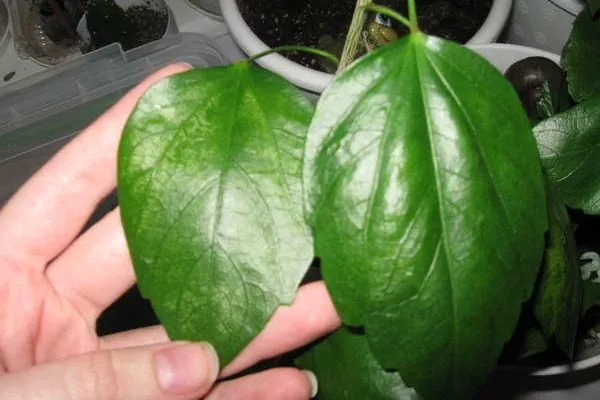
Maintaining the required level helps prevent pests and keep leaves looking healthy.
Foliar sprays and humidifiers
Regularly misting the foliage with warm, settled water is an effective way to increase the humidity around the plant. You can also use special humidifiers to create a favorable microclimate for hibiscus.
To prevent buds and flowers from rotting, it is important to follow the basic rule: water so that water does not come into contact with them.
Lighting and placement
During the winter months, when daylight hours are significantly reduced, proper lighting and placement play a critical role in maintaining the health and beauty of Chinese hibiscus. These factors directly affect the plant's ability to photosynthesize and, consequently, its growth and flowering.

Lighting in winter: optimal location
Ideally, place hibiscus in a well-lit location during winter, preferably in an east- or southeast-facing window. This will allow the plant to receive sufficient diffused sunlight throughout the day.
Additional artificial lighting
To compensate for the lack of natural light, you can use phyto- or fluorescent lamps. It's important to provide hibiscus with at least 10-12 hours of light per day.
Place the lamps 20-30 cm away from the plant to avoid leaf burn. Using a timer to automatically turn the lights on and off will help maintain a stable light level.
Avoid direct sunlight
Although hibiscus requires adequate light, direct sunlight in winter can cause leaf burn. This is especially true if the plant is placed on a south-facing windowsill.
It is recommended to use light curtains or blinds to diffuse sunlight. It is important to regularly inspect the leaves for signs of sunburn and adjust the plant's position if necessary.
Watering and soil moistening
During the winter, Chinese hibiscus's water requirements decrease significantly. Improper watering is one of the most common mistakes that can cause problems. Therefore, it's important to strictly adhere to the watering schedule to avoid overwatering or overdrying the soil.
Watering regime in winter
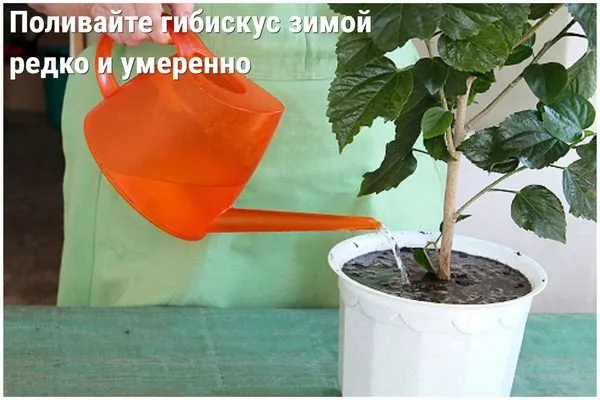
In winter, water sparingly and moderately. The frequency depends on the room temperature, humidity, and pot size. Typically, watering once every 1-2 weeks is sufficient.
Checking the soil condition before watering
Before each watering, check the soil condition. It should be slightly moist, but not wet. If the top layer of soil is dry but the deeper soil remains moist, do not water.
To check the moisture level, you can use a wooden stick: if wet particles of soil remain on it after being immersed in the soil, watering is not required.
Using settled water at room temperature
Water your hibiscus only with settled, warm water. Cold water can stress the plant and damage the root system.
Settling removes chlorine and other harmful impurities from tap water. It should be soft and free of excess salts.
You will find more details about the intricacies of watering this indoor flower, as well as its fertilizing and pruning. Here.
Fertilizer and feeding
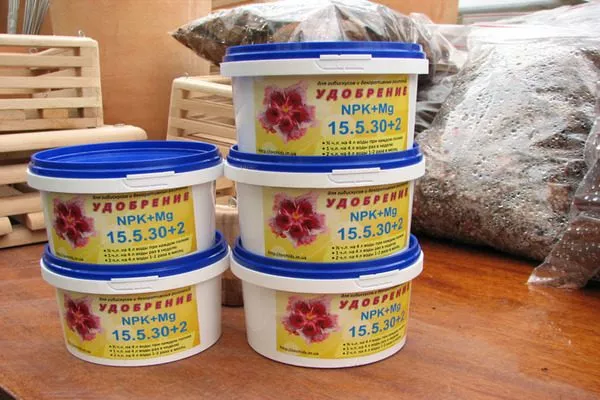
During the winter, Chinese hibiscus's need for nutrients decreases significantly due to a slowdown in metabolic processes and a relative dormancy. Overfeeding the plant during this period can lead to a buildup of salts in the soil, which will negatively impact its health.
Fertilizer needs in winter
In winter, hibiscus should be fed minimally or not at all. If the plant continues to grow and bloom vigorously, which is rare with supplemental lighting, small doses of fertilizer may be added, but no more than once a month.
Fertilizer composition and frequency of application
For winter feeding, it's best to choose complex mineral supplements for flowering plants, diluted to 2-3 times the recommended dose. The ratio of essential elements (nitrogen, phosphorus, potassium) should be biased toward phosphorus and potassium.
These elements help strengthen the root system and increase disease resistance. Fertilizer application frequency should be strictly controlled, avoiding overdosing.
Alternative ways of eating
As an alternative to mineral fertilizers, you can use organic fertilizers, including a weak humus or vermicompost solution. However, it's important to remember that organic components contain nutrients, so their use should be done sparingly.
Some gardeners prefer folk remedies, such as wood ash infusion (rich in potassium and trace elements), but before using it, you need to make sure it is safe for hibiscus.
Pruning and shaping the bush
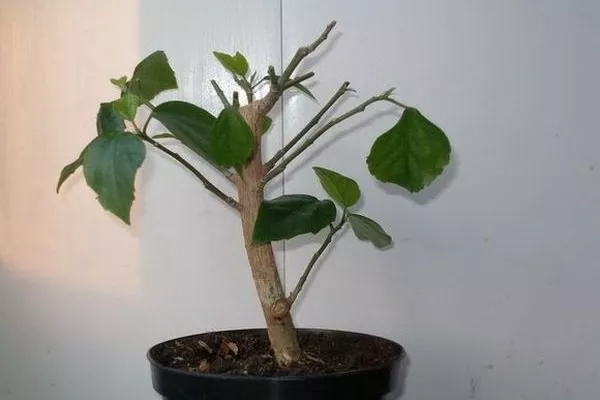
Winter pruning of Chinese hibiscus is an important cultivation technique aimed at maintaining the plant's health, creating a beautiful crown, and stimulating abundant flowering in the coming season. This procedure removes damaged, diseased, and weak shoots and shapes the bush into the desired shape.
Winter sanitary pruning: why and how to do it
The main purpose of winter pruning is sanitary. Carefully inspect the bush and remove all dry, broken, frost-damaged, and diseased branches.
Please follow these guidelines:
- Carry out the procedure with a sharp and disinfected tool to avoid infecting the plant.
- Make cuts at an angle of 45 degrees, leaving 0.5-1 cm from the healthy bud.
The correct technique for pruning old and weak shoots
Prune old and weak shoots back to healthy wood or remove them completely at the base of the bush. This improves air circulation within the crown and allows light to reach all parts of the plant.
Overly dense areas should also be thinned out, removing crossing branches and branches growing inward into the bush.
Expected effect of winter pruning in spring
Winter pruning stimulates new shoot growth and flower bud formation in the spring. After pruning, the plant focuses all its energy on developing the remaining branches, resulting in more abundant and prolonged flowering.
Pest and disease control
Despite the slower growth of hibiscus during the winter, there's still a risk of disease and pest infestation. The plant's weakened immune system makes it more vulnerable to infections and insect attacks. Timely prevention and proper treatment are key to the plant's health and longevity.
The most common diseases and pests in winter
In winter, hibiscus is most often attacked by spider mites, aphids, and scale insects. These parasites weaken the plant by sucking the sap from the leaves and stems.
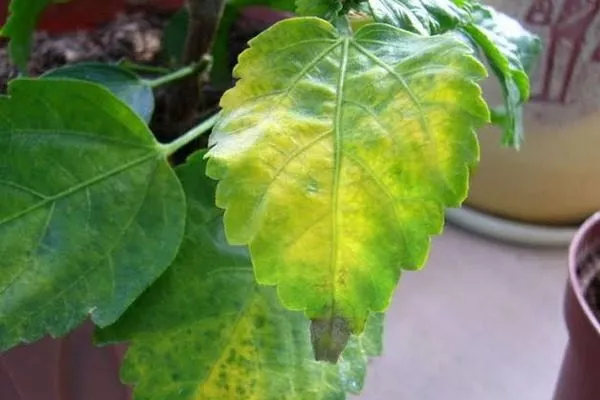
Common diseases include:
- chlorosis – leaves turn yellow due to iron deficiency;
- fungal infections – arise due to waterlogged soil and poor ventilation.
Preventive measures and treatment methods
Maintain optimal humidity, ventilate the room regularly, and avoid overwatering the soil. Other measures to consider include:
- If pests are detected, treat the plant with insecticides (Actellic, Fitoverm) according to the instructions.
- For fungal diseases, use fungicides (Fitosporin, Fundazol).
The role of regular plant inspection
Regularly inspecting your hibiscus will help you spot signs of disease and pests early. Follow these recommendations:
- Pay attention to the condition of the leaves, stems and soil.
- If any abnormalities are detected, take action immediately.
Early detection of the problem significantly simplifies the treatment process and prevents serious consequences for the plant.
Transfer and preparation for spring
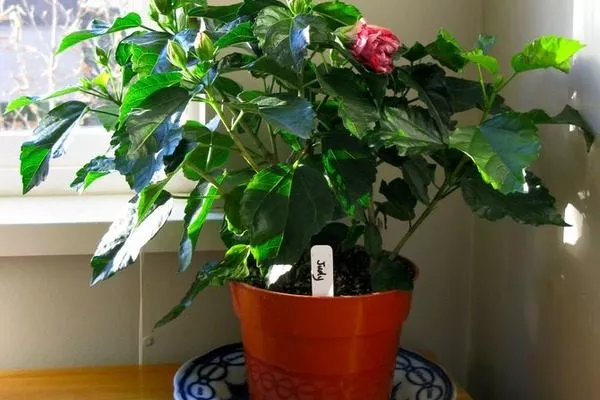
With the arrival of spring, the plant enters a period of awakening and active growth. It's important to create optimal conditions for the plant to successfully adapt after its winter dormancy and prepare it for abundant flowering. This process involves several key stages aimed at gradually restoring vitality.
Gradually increase the temperature and increase watering
As daylight hours increase and temperatures rise, hibiscus plants need to be gradually adapted to the new conditions. Follow these guidelines:
- Increase room temperature gradually, avoiding sudden changes.
- Increase watering gradually as the top layer of soil dries out. Remember that excess moisture can lead to root rot.
Start of feeding and growth stimulation
During active growth, you can begin fertilizing your hibiscus with complex mineral fertilizers for flowering plants. Apply regularly, but in moderation to avoid overloading the plant.
Determining when hibiscus is ready for spring growth
There are several signs that a culture is ready for further development. These include:
- the emergence of new shoots and leaves;
- increase in the size of buds;
- general improvement of the plant's appearance.
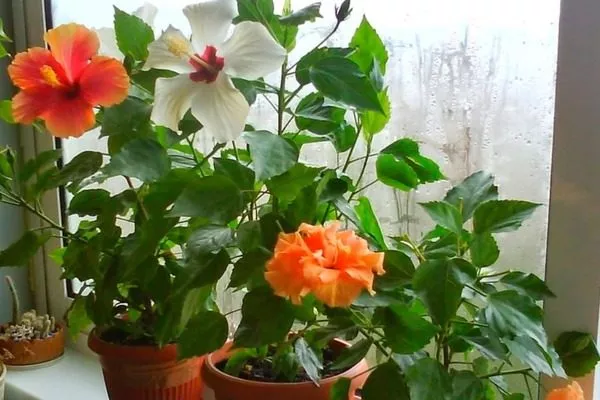
If the hibiscus is actively growing and developing, it means it has successfully adapted to the new conditions and is ready for abundant flowering.
Winter care for Chinese hibiscus doesn't require complex procedures, but consistency and attention to detail are crucial. Providing the right conditions will protect the plant from disease and lay the foundation for abundant flowering next season. Proper wintering is the key to the plant's health and beauty all year round.