
Indoor hibiscus is an ornamental plant, captivating with its large, vibrant flowers and dense foliage. However, choosing the perfect pot can often be challenging. An incorrectly chosen container can lead to water retention, leading to root rot, or, conversely, limit the flow of essential nutrients. This issue is especially important when planting young seedlings and replanting mature bushes.
Types of pots and containers
Today, the market offers a wide range of products in various materials and formats. Each has unique characteristics, advantages, and disadvantages, and understanding these will help you choose the ideal option for your specific needs.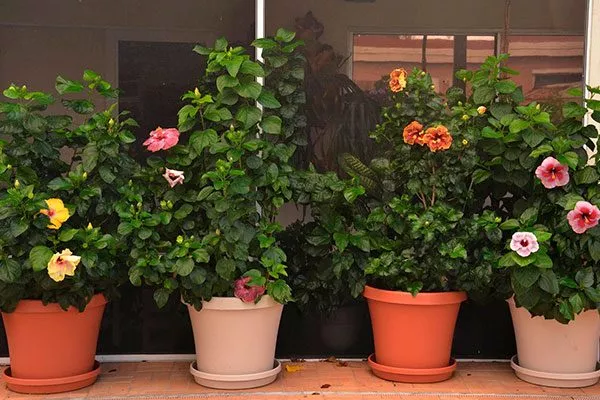
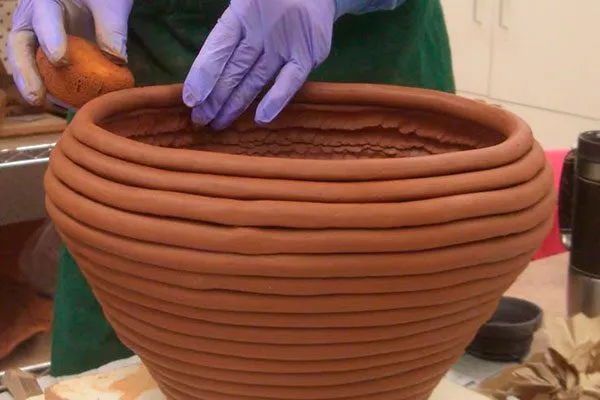
Ceramic pots
Made from clay and fired in a kiln, they provide excellent ventilation and drainage, which is beneficial for most plants.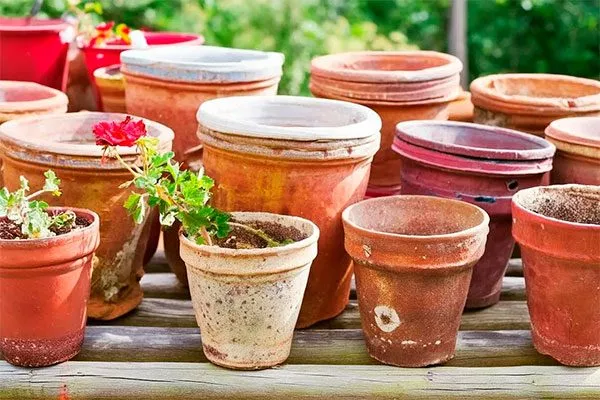
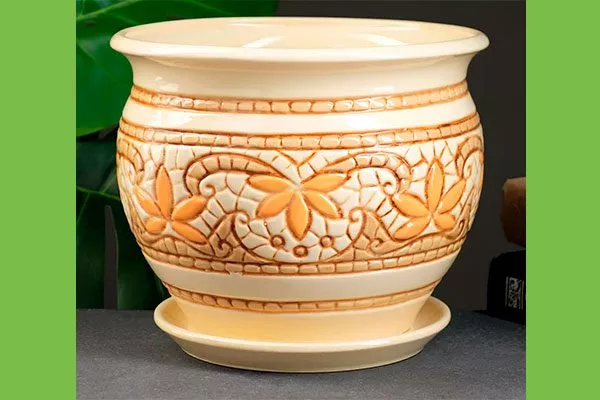
Recommendations for use:
- Use primarily for large plants and as interior decoration.
- Periodically check the integrity of the surface, pay attention to the formation of salts and deposits.
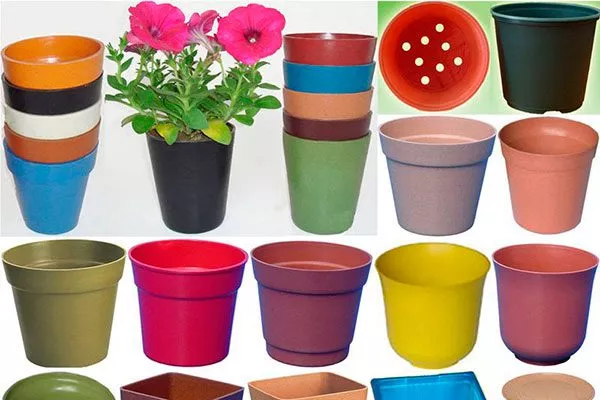
Plastic pots
Thanks to modern production technologies, they are available in a variety of shapes and colours, making it easier to design any interior style.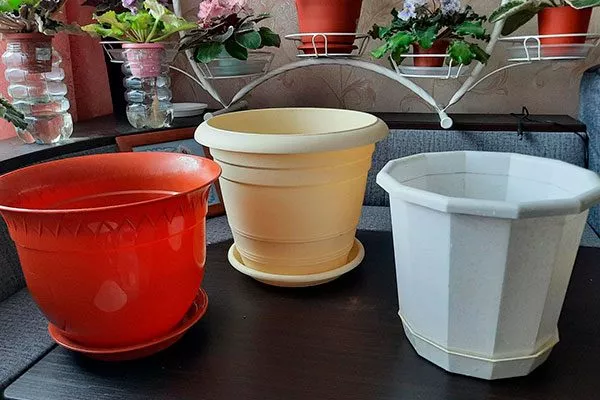
Directions for use:
- Monitor soil moisture.
- Ventilate the room regularly.
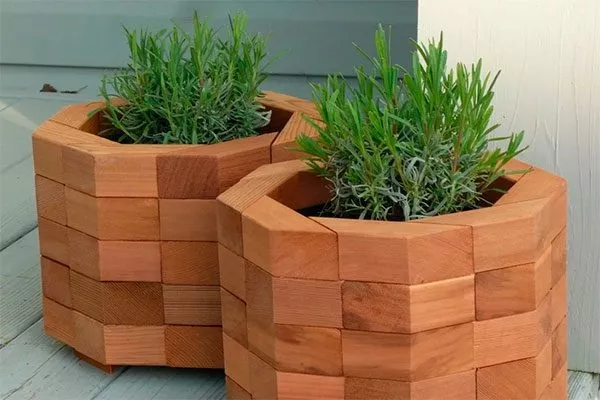
Wooden containers
Wooden containers are an excellent choice for those who value naturalness and eco-friendliness.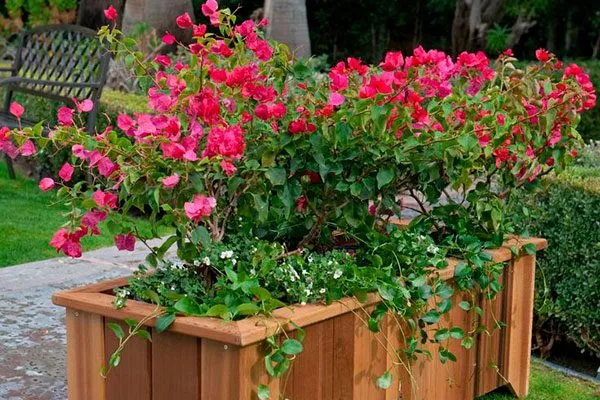
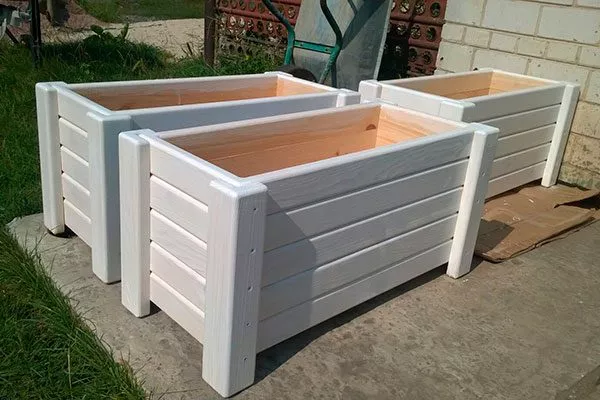
Recommendations for use:
- Use for small plants and to create striking compositions.
- Keep away from heat and moisture.
Terracotta products
Designed for moisture-loving plants that require constant access of air to the roots.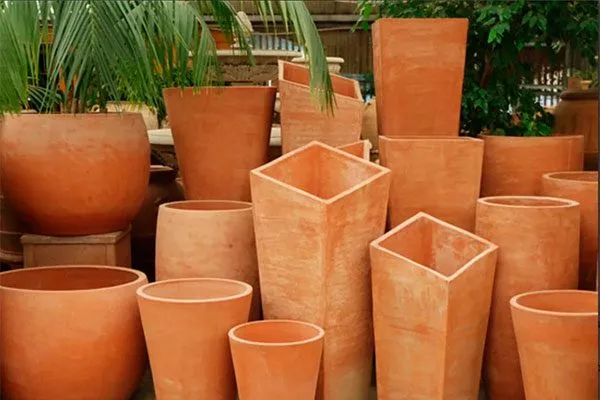
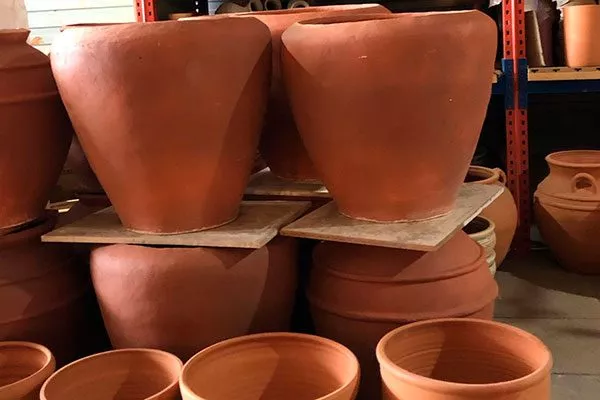
Recommendations for use:
- Additionally, cover the surface with a special primer mixture to prevent the soil from drying out quickly.
- Protect from falls and strong impacts, especially if the plant is large.
Metal flowerpots
They are usually used as decorative outdoor containers, inside which plastic or clay pots with plants are placed.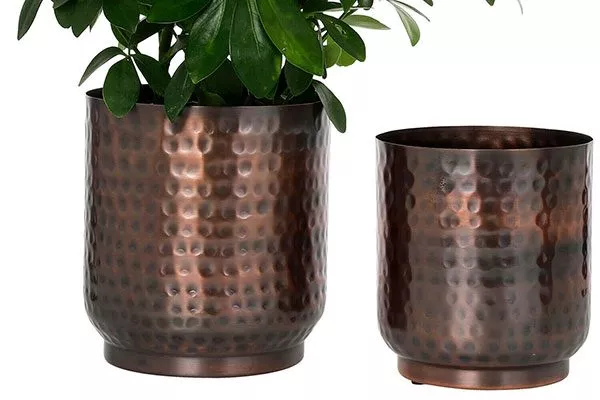
Recommendations for use:
- Make sure there are drainage holes or add a layer of gravel to drain away excess moisture.
- Avoid placing metal planters directly in sunny areas to prevent the soil from overheating.
Raw materials for production
The materials used to make pots and containers have a significant impact on plant growth and development. Choosing the right ones will ensure comfortable conditions for roots, improve air circulation, and maintain optimal humidity:
- Clay and ceramics. Ideal for most plants, especially those that require good drainage and adequate ventilation, clay or ceramic pots maintain stable humidity and promote healthy root development.

- Polymers. Polymer pots are made from synthetic materials such as polyethylene, polypropylene, and acrylic. They are suitable for hardy plants that can adapt to limited airflow.
For demanding crops with delicate roots, they can cause problems related to humidity and lack of air access. - Natural wood. Wooden pots are made from solid woods such as pine, oak, ash, or beech. They are ideal for plants that prefer dry soil and good ventilation. This material minimizes the risk of infection and mold, but requires constant monitoring of humidity levels and the quality of the soil.
- Combined materials. They are a combination of several components, such as plastic, glass, wood, or even fabric. These products combine the best qualities of individual materials, offering a wide range of garden design options.
Combination pots are suitable for most plants, providing comprehensive humidity control and protection from adverse conditions. However, careful selection of materials is essential to avoid potential risks to the plant's health.
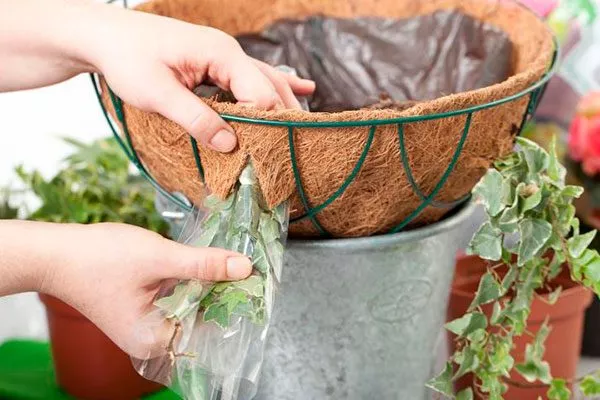
Pot sizes and shapes
The plant's root system must have enough space to grow and function normally, otherwise the flower will begin to suffer from a lack of nutrients and air.
Below are some guidelines for choosing the appropriate size and shape of pot for your hibiscus, depending on its age and stage of development.
Small seedlings and young plants
Young hibiscus plants are usually grown in small pots, ranging from 1 to 3 liters. This is due to their small root system and the plant's modest size. A flower in a small container is easier to move, care for, and monitor watering and fertilizing.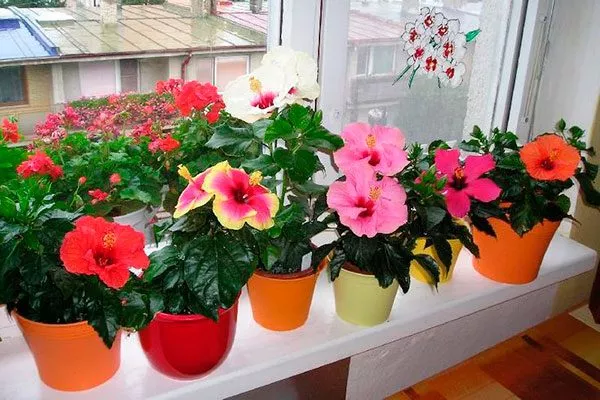
Peculiarities:
- The small volume of root mass allows the plant to fit comfortably in a small space.
- Space for the plant to develop and adapt to new conditions.
- The optimal ratio of the root system size to the soil volume ensures better nutrition and normal water exchange.
Recommendation:
- Size: pot diameter from 10 to 15 cm, height from 10 to 15 cm.
- Shape: Round or oval shape is suitable for even distribution of roots.
Mature plants
When a hibiscus reaches maturity, its root system expands noticeably, increasing in size. A mature plant's pot should be between 5 and 10 liters (5 and 10 liters), sometimes more, depending on the height and width of the plant.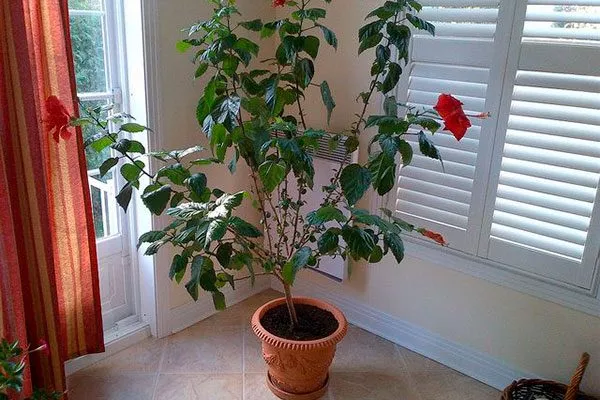
Peculiarities:
- The plant requires a stable position and stability to withstand the weight of its branches and leaves.
- A large area of contact with the soil allows for greater retention of water and nutrients.
Advice:
- Recommended size: pot diameter from 20 to 30 cm, height from 20 to 30 cm.
- Shape: square or rectangular, which will provide additional stability and capacity.
Large garden specimens
Large hibiscus plants intended for garden or outdoor planting require special consideration when choosing a pot. Garden cultivation requires a larger volume of substrate and root mass, so the pot must provide ample space for growth.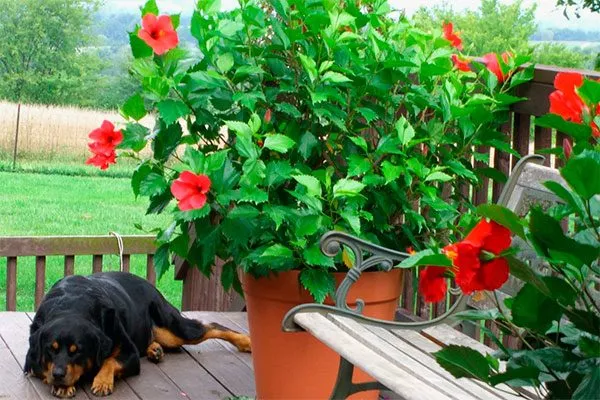
Peculiarities:
- A huge root system that requires a lot of free space.
- Needs a lot of moisture and nutrients.
- The desire to create a stable foundation to support a large shrub.
Recommendation:
- Size: pot diameter from 40 to 60 cm, height from 40 to 60 cm.
- Shape: A cylindrical or square shape is preferred for better root distribution and plant stability.
Maintaining a balance between the root system size and the available space within the container will ensure the normal development and productive life of your hibiscus. Remember that each plant's age and condition require specific potting recommendations.
Care features for different types of containers
The pot you choose for growing hibiscus plays a crucial role in caring for the plant. The material it's made of determines watering, fertilizing, and repotting procedures. Below, we'll discuss the key aspects of hibiscus care based on the pot type and material.
Ceramic and clay products
Ceramic and clay pots are highly breathable and allow excess moisture to drain away, eliminating the problem of overwatering. These materials naturally stabilize humidity levels, preventing acidification and water stagnation.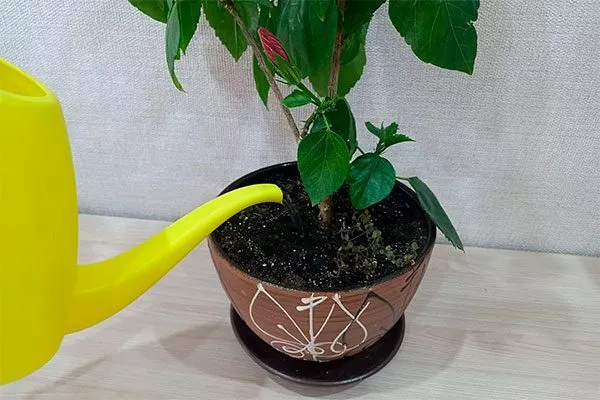
Care instructions:
- Watering: Water moderately, allowing the top layer of soil to dry completely before watering again. Due to the porous nature of the pots, the soil dries out faster than in plastic containers.
- Top dressing: the frequency of top dressing is standard, twice a month with liquid mineral fertilizers, starting in spring and ending in autumn.
- Repotting: Repot the plant annually in the spring, choosing a new pot with a slightly larger diameter.
Plastic pots
Plastic containers are lightweight, inexpensive, and come in a wide range of shapes and sizes. Their main drawback is poor ventilation and rapid moisture accumulation, requiring a special approach to watering.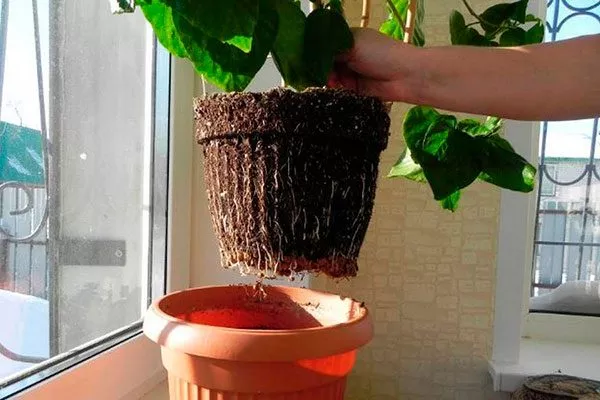
Care instructions:
- Watering: Water less frequently, monitoring the soil moisture with your finger. It dries out much more slowly in a plastic pot than in a clay one.
- Fertilizing: Since plastic prevents mineral salts from escaping, the frequency of fertilizing should be increased to compensate for the decreased penetration of minerals through the walls of the pot.
- Repotting: young plants are repotted annually, adults every 2-3 years.
Metal flowerpots
They are used primarily as decorative elements, as most metals conduct heat and cold, negatively affecting plant roots. Therefore, such pots are used with a plastic or ceramic inner liner.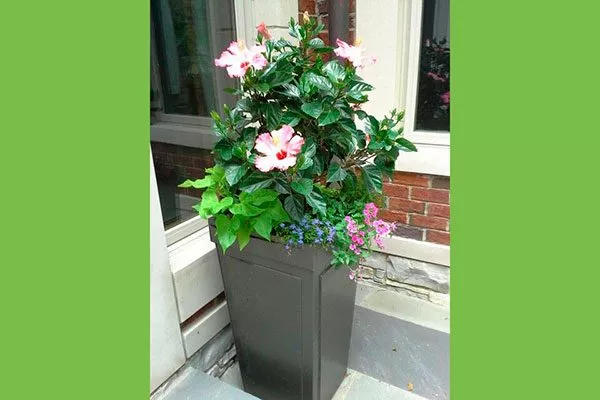
Care instructions:
- Watering: The main goal is to ensure proper drainage and prevent water from accumulating at the bottom of the metal planter.
- Fertilizing: Feed the plant with liquid fertilizer twice a month, trying to avoid contact of the solution with metal.
- Repotting: Change inner pots annually, thoroughly cleaning the metal pot and replacing the soil with new one.
Stone and concrete pots
Stone and concrete containers are known for their extreme weight and increased moisture retention. These containers are suitable for larger plants, but require special attention to soil moisture levels.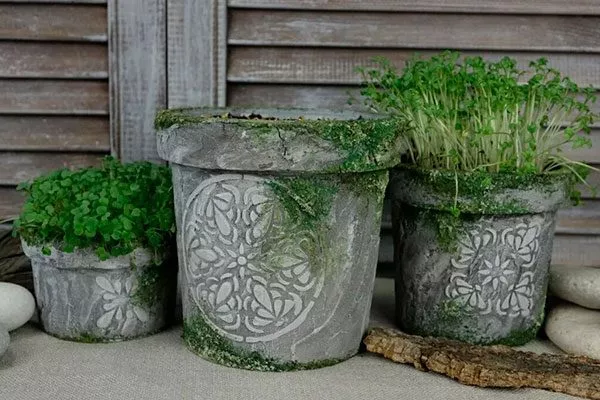
Care instructions:
- Watering: a very careful approach to watering, regular monitoring of the soil moisture level.
- Top dressing: one-time monthly top dressing with balanced mineral fertilizers.
- Repotting: done every 2-3 years, choosing the largest possible pot, as the root system develops slowly.
Bamboo and wicker baskets
These types of pots look unusual and interesting, but they're not suitable for long-term planting. The soil dries out quickly in a bamboo basket, and the roots are at risk of damage when removed.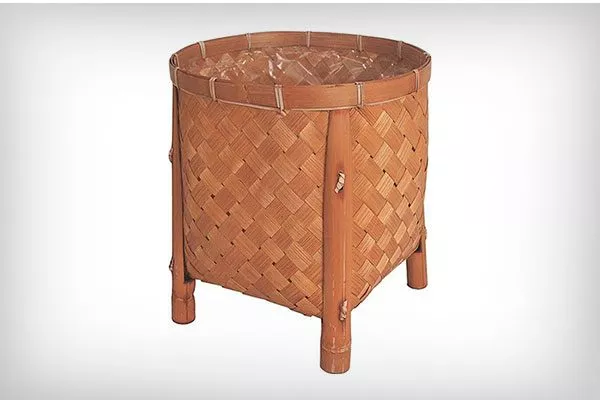
Care instructions:
- Watering: Daily or almost daily in small doses to maintain a minimum level of humidity.
- Top dressing: once a week with small portions of soluble fertilizers.
- Repotting: Every six months to nine months, change the soil and replace the baskets with new ones.
The type of pot and the material it's made from dictate specific care guidelines for hibiscus. It's important to properly regulate watering, consider the soil's drying rate, and the intensity of fertilizing. Pay particular attention to the repotting process, taking into account the plant's age and size.
Common mistakes beginners make and how to avoid them
Sometimes difficulties arise when growing hibiscus. There are several reasons for this:
- One of the biggest mistakes when choosing a pot for hibiscus is neglecting the principle of gradually increasing the container's size. Often, gardeners try to make life easier by planting a young plant directly into a larger container.
This leads to the roots not being able to occupy the entire available area, and the soil becomes sour, leading to the development of dangerous fungal infections and root rot.
To avoid such problems, you need to follow a simple rule: the new pot should be no more than 3-4 cm larger in diameter than the previous one. - The second common mistake is planting hibiscus in containers without proper drainage or with minimal holes. Some manufacturers of decorative planters often sell products with a single small hole, which is insufficient to adequately drain excess moisture.
In such situations, it is advisable to resort to a dual system:- install an internal plastic pot with the required number of drainage holes inside the decorative element;
- After watering, be sure to drain any accumulated water from the tray or outer planter.
- Another common mistake is using pots that are too small for mature plants. This causes roots to quickly fill the entire pot, resulting in roots protruding to the surface of the substrate and even emerging through the drainage holes.
In this case, the hibiscus stops growing and forming buds, and its leaves turn yellow and fall off. By regularly checking the condition of the root system, you can determine in advance when it's time to repot it into a larger container. - It's important to have a sufficient number of drainage holes in the bottom of the container—the optimal number is 3-4 holes, each approximately 1 cm in diameter. This design ensures that excess liquid is removed after watering and prevents damaging soil waterlogging.
If the pot you purchased doesn't come with drainage holes, you'll need to make them yourself or place a smaller inner pot with special holes inside the outer decorative pot. The pot's depth should be equal to its width, ensuring the hibiscus roots are evenly distributed in all directions.
Answers to frequently asked questions about hibiscus pots
To quickly find answers to some questions, please review the following information:
Can I use homemade pots? Yes, as long as they meet the basic criteria: they have the required number of drainage holes, are made of safe materials, and allow the roots to breathe.
Extra caution should be exercised when using metal or painted containers, as they may release hazardous substances that can negatively affect the health of the plant.
Light-colored containers and matte surfaces are preferred, especially if the plant is located on a south-facing surface. When using brightly colored decorative planters, additional shading is recommended.
- How often should I change my hibiscus pot? Annual repotting of young plants into larger containers is essential for their healthy growth. Mature plants require this procedure less frequently—once every 2-3 years, once the roots have completely filled their original volume, is sufficient.
A key point: the new pot should be only slightly larger than the old one to avoid moisture stagnation and root rot. - Can I use homemade pots? Yes, the main thing is that they meet the basic criteria: provide the required number of drainage holes, are made of safe materials, and allow the roots to breathe.
Extra caution should be exercised when using metal or painted containers, as they may release hazardous substances that can negatively affect the health of the plant. - How deep should the pot be? The depth should match the width, as the hibiscus root system grows evenly in all directions. The recommended ratio is 2:3 (depth to width). The minimum recommended depth for a mature plant is 25-30 cm.
- How to choose the right color of a pot? The color of the container significantly affects the temperature of the root zone. Dark pots become hotter when exposed to sunlight, which can lead to root overheating.
Light-colored containers and matte surfaces are preferred, especially if the plant is located on a south-facing surface. When using brightly colored decorative planters, additional shading is recommended. - What should I do if roots have grown through the drainage holes?Roots emerging through the drainage holes indicate that the plant is experiencing space constraints. In this situation, immediate repotting into a larger pot is necessary.
Choosing the right pot material and size has a significant impact on the plant's health and development. When choosing, consider the individual needs of each hibiscus variety, as well as the room's climate. The importance of considering the material's properties cannot be overstated, as the comfort and longevity of your green "pets" depend on it.