
When growing hibiscus (China rose), it's important to create a favorable environment for it. Lighting plays a key role, especially when growing indoors. This article will tell you where to place this tropical plant in your home to ensure it receives enough light for growth and lush blooms.
Hibiscus's biological needs for light
This member of the Malvaceae family, popular among Russian gardeners, is quite demanding in terms of light. In the wild, it is found in tropical and subtropical regions where there is plenty of sun and warmth year-round.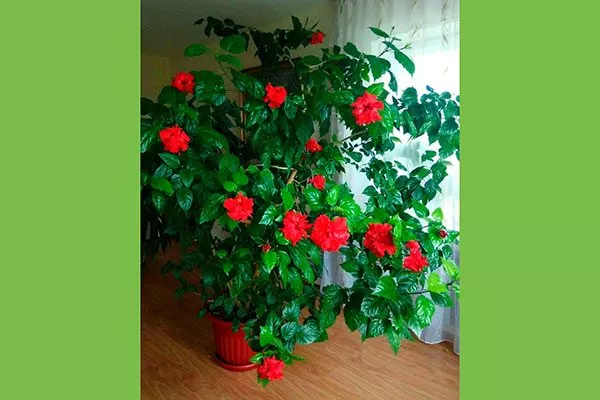
Hibiscus grown in our region also require plenty of light:
- in city apartments and offices;
- on glazed balconies;
- on terraces in large tubs;
- in the greenhouse;
- in the garden.
Photosynthesis and the role of light in plant life
Solar radiation is extremely important for the flora of our planet, including hibiscus. It ensures the vital process of photosynthesis in leaves.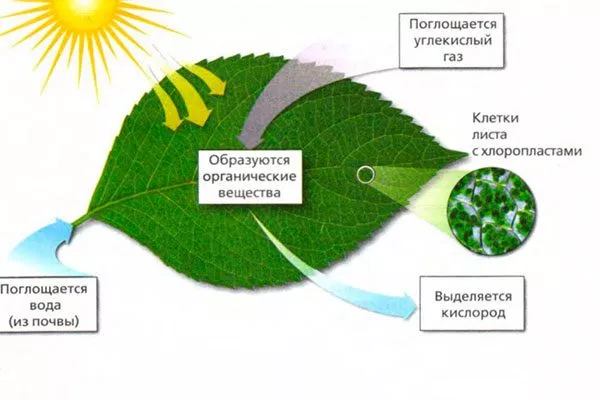
The pigments contained in plants, particularly chlorophyll, absorb external light. The sun's energy allows green organisms to convert water and carbon dioxide into glucose, which fuels them. This is why light is essential for growth and development, for the very existence of grasses, shrubs, and trees.
Photosynthesis, which occurs in plants thanks to natural light, helps preserve life on Earth. It ensures:
- saturating the air with oxygen, which is necessary for most organisms inhabiting the planet;
- carbon cycling in the environment due to the absorption of carbon dioxide by leaves.
Light wavelengths of different wavelengths have different effects on this vital process. It is believed that the blue and red wavelengths of the solar spectrum have the most pronounced effects. Green light, however, is less effective. Leaves reflect it, causing us to see it as that color.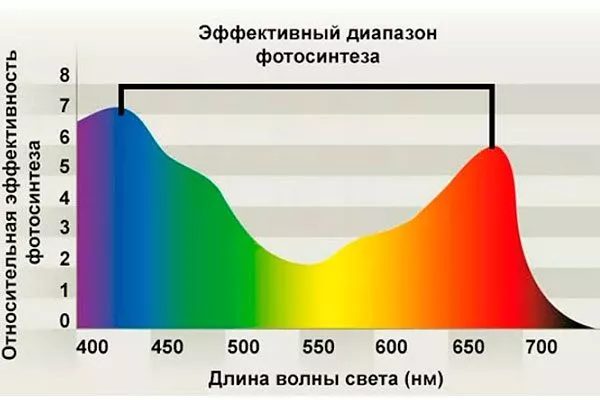
The effect of light waves on plants, in particular on the Chinese rose, is as follows:
- blue and purple (their length is 380-490 nm) - stimulation of protein formation, activation of the growth process, they are useful for crops at the beginning of the growing season;
- ultraviolet (length - 315-380 nm) - in small doses they ensure the destruction of pathogenic microflora, increase cold resistance, prevent stem elongation, and in large doses they cause harm to plants;
- orange and red (length - 595-720 nm) - they are necessary for the green organism in the flowering phase, as well as at the stage of ovary formation and crop ripening (in fruit-bearing crops);
- yellow and green (length - 490-600 nm) - have a minimal effect on plants, but with sufficient intensity can promote deep penetration of light into the layers of the leaf, accumulating bioactive flavonoids in it.
The sun is also a source of information for flora. By the ratio of daylight to nighttime, plants "understand" when a particular developmental phase (the start of vegetation, budding, or dormancy) should begin.
The influence of light on the growth, development and flowering of hibiscus
Depending on their lighting needs, all plants are conventionally divided into several categories:
- light-loving;
- shade-tolerant;
- shade-loving.
Hibiscus belongs to the first group. Its companions include palms, succulents, citrus, and many ornamental plants. What they all have in common is that they require plenty of bright, but diffused sunlight to thrive. They do not respond well to reduced duration or intensity.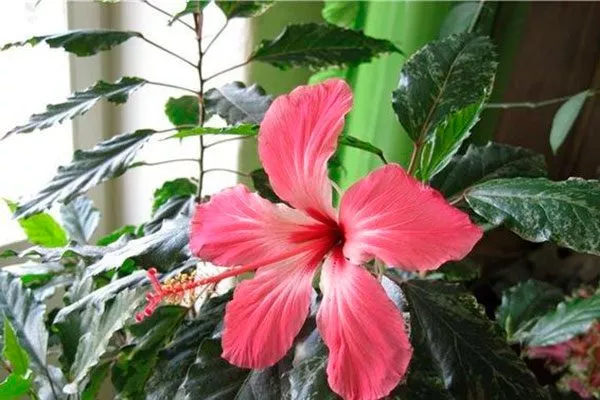
If you grow this flower in regions with a temperate climate or harsh winters, it requires special attention from the gardener to ensure it receives adequate light. Otherwise, its health and beauty will suffer. Place hibiscus in your garden or home in locations with the following characteristics:
- solar;
- warm;
- protected from drafts and gusts of wind.
If your China rose is kept in a large tub on a balcony or veranda, avoid moving it from one location to another in search of more sunlight. The plant doesn't like this.
For lush blooms, the bush requires 6-8 hours of bright, but filtered light per day. A lack of light will negatively impact the number of buds. There will be few of them, and they will fade quickly. Some will fade before fully opening.
The plant doesn't like direct sunlight. It's unsafe for it in summer, especially midday and in the south. In such conditions, the hibiscus is at risk of overheating. Provide protection from the sun:
- shade with a light cloth;
- build a canopy for it (if the bush grows in the garden or yard).
In winter, due to shorter daylight hours and reduced solar activity, China roses lack natural light. Without supplemental lighting, they will lose their attractiveness and weaken.
Why does too little or too much light harm a plant?
Solar radiation can also negatively impact photosynthesis. This occurs when its intensity is too high or too low:
- In the first case, partial destruction of chlorophyll and a decrease in the efficiency of the process are observed, and plant cells are damaged;
- in the second, the conversion of carbon dioxide and water into glucose slows down to the point of complete deactivation of this process, which provokes starvation of the green organism and even its death.
The table shows the consequences of insufficient and excessive lighting for ornamental crops.
| Signs of insufficient lighting | Signs of increased solar activity |
|
|
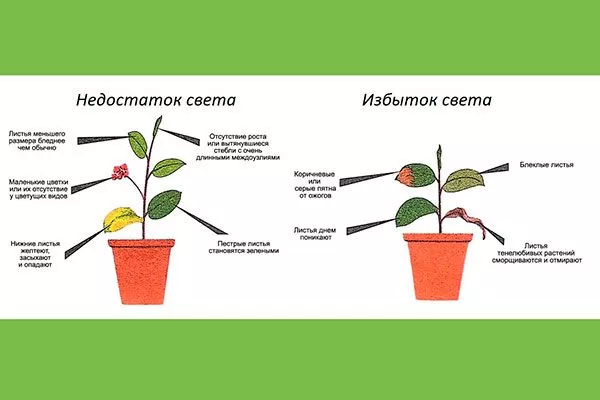
Light deficiency is particularly detrimental to crops. This refers not only to insufficient sunlight but also to short daylight hours. Under such conditions, hibiscus plants produce inadequate phytohormones. Growth slows, developmental defects appear, and flowering is sparse or absent.
Types of Lighting for Hibiscus
When growing a tropical guest at home, you will need to provide it with an abundance of light of various origins: natural and artificial.
Natural light: sunlight
To prevent your hibiscus from suffering from insufficient light, place it near a window. The sun's rays will fall through the glass and hit the plant. You'll need to rotate the pot periodically to ensure even exposure. Otherwise, it will become tilted to one side.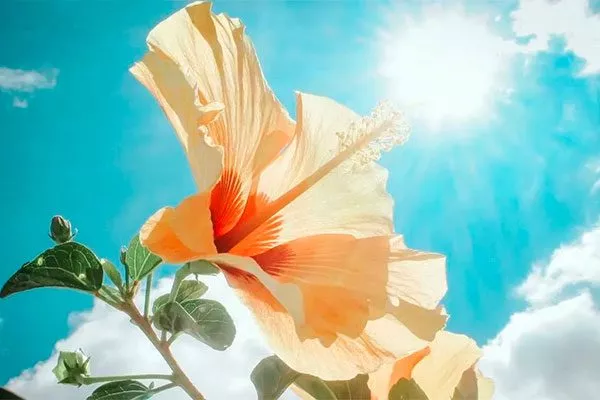
Natural light is beneficial for hibiscus. It increases its vitality and strengthens its immune system. Morning light is especially beneficial, as its abundance encourages the formation of large, vibrant buds. However, midday sun is harmful to the plant, especially in summer. It should be shaded to avoid it.
Florists consider the following to be the most suitable places in the house for a beautiful tropical plant:
- A window facing eastThis location will provide the Chinese rose with maximum light in the morning hours. This light is not harsh, but rather soft. It doesn't overheat the flower or create a risk of burning. It has a beneficial effect on photosynthesis, helping to properly initiate this process at the start of the new day.

- A window that "looks" to the westThe hibiscus next to it will receive plenty of light in the afternoon. The plant will be illuminated by the sun's rays until sunset. In the afternoon, the rays are less intense than at midday, reducing the risk of sunburn.
However, in hot climates, a plant on a west-facing window will need to be shaded due to increased solar activity. Otherwise, it may overheat, causing foliage burns.
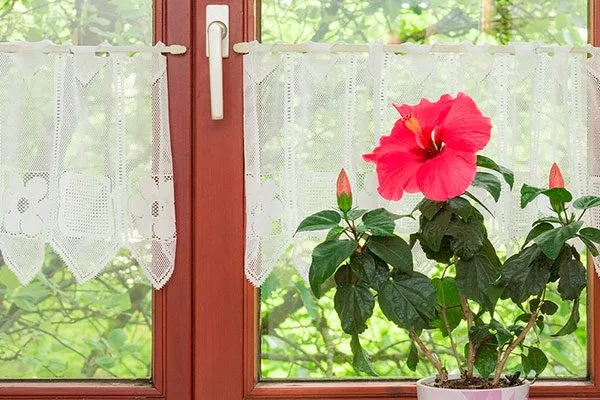
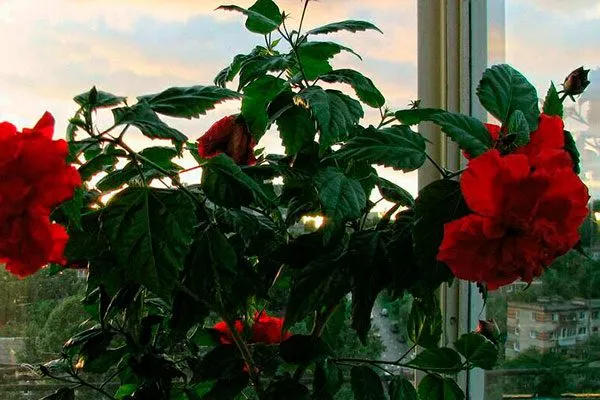
Experienced gardeners don't recommend placing a hibiscus pot directly on the windowsill. Instead, place it 60-80 cm from the glass. The plant requires diffused light and dislikes direct sunlight. Installing a special light-diffusing screen is recommended, especially if you're planting the plant on a south-facing window.
Artificial and combined lighting
When natural light is insufficient for ornamental plants, supplemental lighting comes to the rescue. Using phytolamps can solve this problem. They are essential when growing hibiscus in greenhouses and indoors during the winter, when daylight hours are short.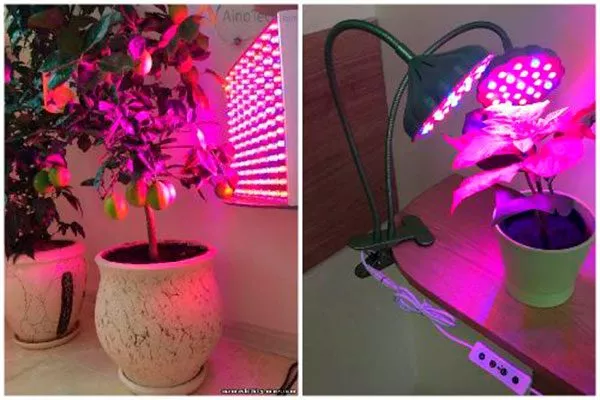
When keeping hibiscus in conditions where there is a lack of sunlight, use lamps that meet the following requirements to replenish it:
- simulating natural daylight;
- with a range of waves of all lengths that ensure the normal course of the photosynthesis process in leaves (full spectrum sources);
- plants that do not cause overheating.
If you can't afford special phytolamps, don't try to illuminate your Chinese rose with a regular incandescent bulb. Yellow light is ineffective for photosynthesis. Furthermore, such lamps generate a lot of heat, which is harmful to the plant.
Light intensity and duration
To grow a healthy, robust plant that will delight you with abundant blooms, simply placing it near a window isn't enough. Lighting must meet all of the plant's needs:
- The required number of hours of light per dayIdeally, this indicator for hibiscus is 12 hours, of which the bush should receive 6-8 hours of bright sunlight. The latter is necessary for proper growth and development.
The remaining time is covered by a diffuse soft glow, as well as a dim twilight. - Light intensity requirementsHibiscus lighting has its own characteristics at different times of the year:
- In summerWhen the bush is actively growing and flowering, it requires plenty of bright light. Direct sunlight is acceptable only in the morning and evening, when its intensity is reduced. At midday, the plant requires shade.
- In winterWhen daylight hours are short, the plant enters a dormant state. To maintain its health, use supplemental lighting with phytolamps to ensure the plant receives 10 hours of soft, diffused light per day.
- In the spring monthsWhen sunlight increases, the plant begins to grow faster. Continue to provide supplemental lighting to meet the plant's increased need for long daylight hours.
- In the autumn periodWhen the China rose gradually enters dormancy, the use of phytolamps should be limited. It does not require intense or prolonged lighting. Reduced sunlight exposure helps the plant prepare for winter.
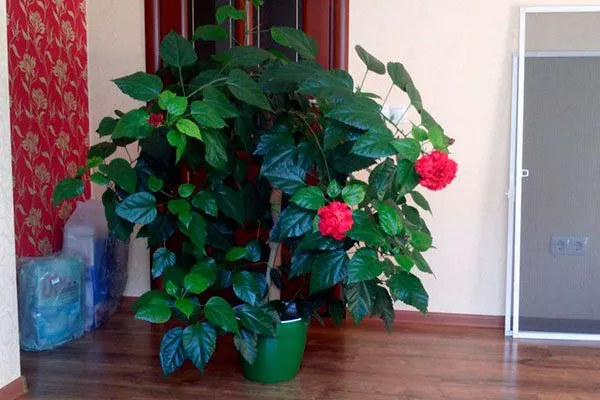
How can you tell if a plant is getting enough light?
To determine if your hibiscus is suffering from insufficient light, observe its appearance and behavior. The following signs will tell you that it's not suffering from this problem:
- rich green color of foliage, dense and shiny;
- regular and abundant flowering, especially in the spring and summer;
- compact bush shape without stretching shoots.
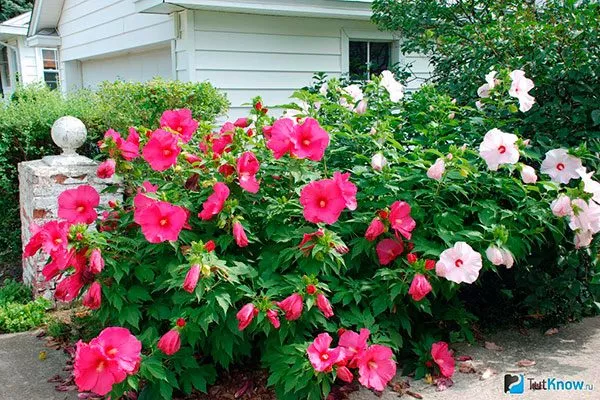
If the foliage of a China rose appears pale or yellowed, and the shoots are thin, elongated, and stretching toward the window, it's not getting enough light. Such a plant blooms sparsely or doesn't produce buds at all. The flowers are small and dull in color. They often fall off before their petals open.
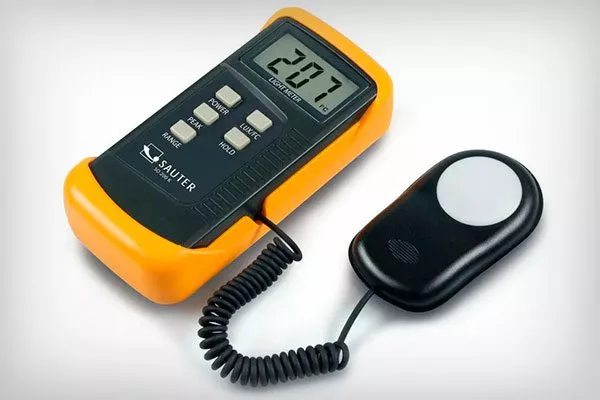
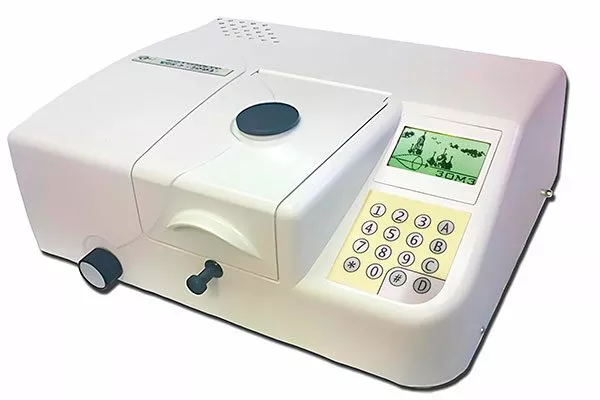
You can check whether your green pet is receiving enough light particles (photons) using special devices:
- lux meter;
- photometer.
Ways to improve lighting
If your tropical flower is not receiving enough light particles for normal growth and development, resort to simple methods that will allow you to solve this problem.
Choosing the Right Place for Hibiscus in Your Home or Garden
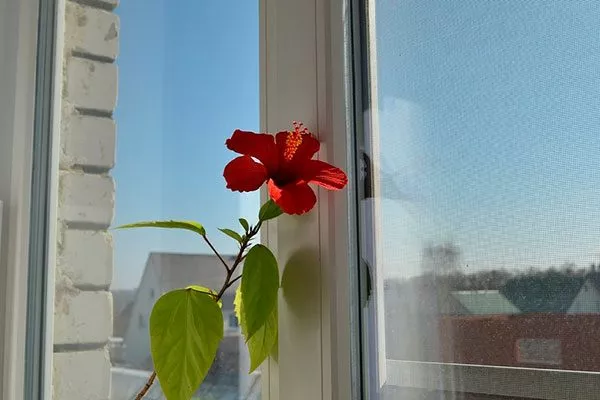
To ensure your China rose receives plenty of sunlight while preventing its foliage from burning, move the pot closer to an east, west, or southwest-facing window. There, the plant will receive ample bright, diffused natural light.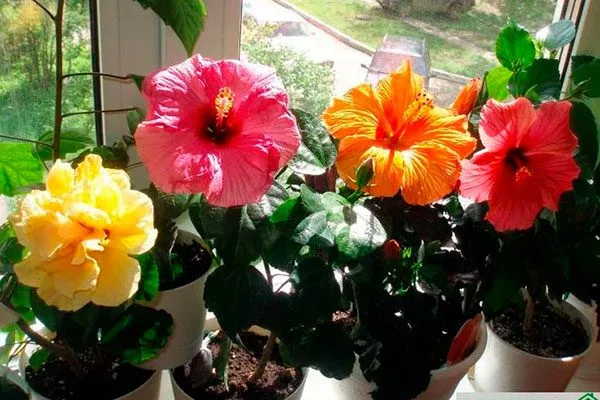
If you plan to grow hibiscus in your garden, choose the right planting location for this sun-loving plant. It should receive 4-6 hours of direct sunlight per day, plus the same amount of diffused light. A sunny spot with the following characteristics is suitable for this purpose:
- located in the western or southern sector of the garden;
- spacious, as the bush can grow very large;
- with well-drained soil;
- windless.
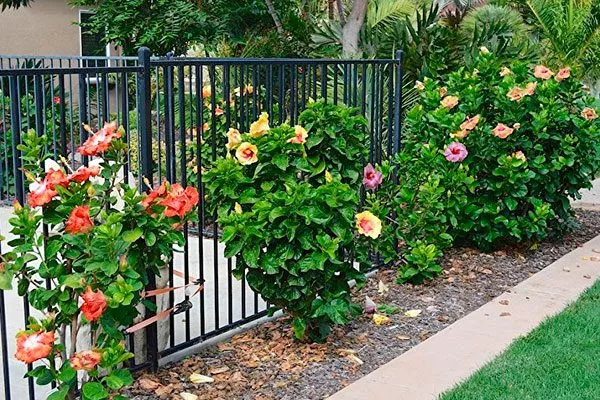
You can plant the plant near a fence, house, or gazebo, provided it receives the sun from the right direction (south or west). It can also be planted near tall trees with sparse canopies. These will provide the plant with light shade at midday.
Using reflectors and mirrors to increase the amount of light
If your hibiscus doesn't get enough natural light, especially during winter or when growing in northern regions, use reflective surfaces. They will help increase the light flow.
Light rays falling on such a surface are redirected toward the plant, allowing for increased light intensity without the need for phytolamps or LED sources. Use the following as reflectors:
- MirrorsPlace them opposite a window or lamp. Place them near the plant so that the reflected light doesn't fall directly on the foliage. This can cause sunburn. You can also use reflective film, which is sold at garden centers.
- White matte panelsThis is an affordable and effective way to improve lighting in a room. These surfaces reflect light softly and evenly.
- Foil or special screensUse these materials to create a mini greenhouse or a special box with light-reflecting walls.
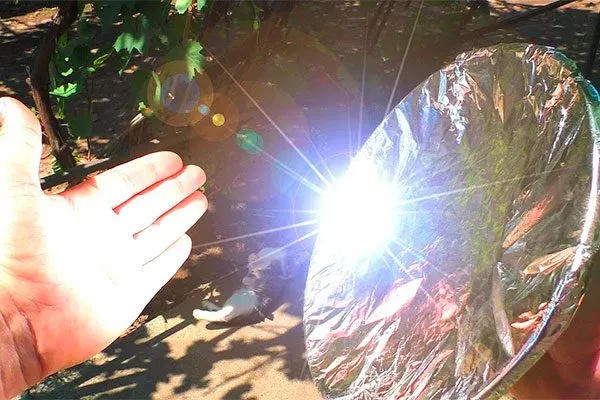
When using these devices, remember to regularly clean their surfaces of dust. Combine them with phytolamps for greater efficiency. Avoid overheating the plant, as reflected light can increase its temperature.
Installation of additional light sources: lamps and fixtures
This method is recommended for providing supplemental lighting for Chinese roses in winter or when growing the flower in a dark room. A good alternative to phytolamps are artificial light sources, which we use in our homes:
- LED panels, economical and durable;
- Fluorescent lamps, which produce little heat and consume less electricity than incandescent bulbs.
Both types produce a white light that's beneficial for the plant without overheating it. Place them at least 50 cm from the top of the plant. It's best to position them at a 45-degree angle for a more even light distribution.
To calculate the required lighting power, use a simple formula: for every 10 cm of hibiscus height, there should be 20-30 W of lamp power.
Common Lighting Problems
Hibiscus is sensitive to both insufficient and excessive sunlight. The plant signals to the grower that the lighting is inadequate by deteriorating its appearance. There are many signs that indicate this problem.
Leaves turn pale or yellow
If the greenery of the bush has changed color, examine it carefully to make the correct diagnosis:
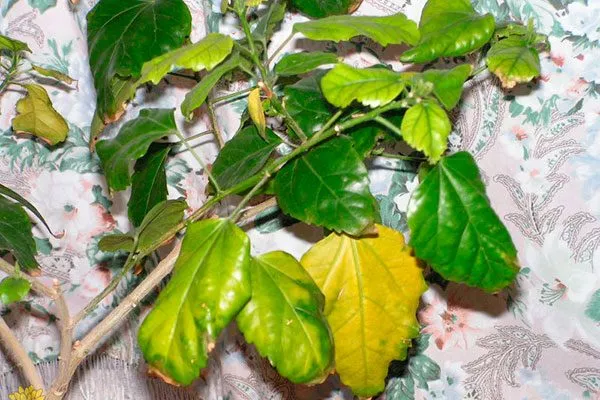
- Discoloration, yellowingThis is what scorched leaves look like due to prolonged exposure to direct sunlight.
To solve this problem, move the plant to an east-facing window, where it will receive the gentle morning light it needs. Shade it from the sun at midday. - Faded green color with a yellowish tintThis is a sign of a chlorophyll deficiency in the foliage, caused by insufficient light. The hibiscus will need to be moved to a location where it will receive more sunlight (for example, a west- or southwest-facing window). It would be a good idea to supplement it with phytolamps.
The plant stretches upward without flowers
If your China rose is growing tall but appears weak and isn't blooming, it's suffering from a light deficiency (receiving less than 6 hours of bright sunlight per day). In this case, the plant will also exhibit other "symptoms":
- stem elongation and thinning;
- formation of long internodes;
- absence of flower ovaries.
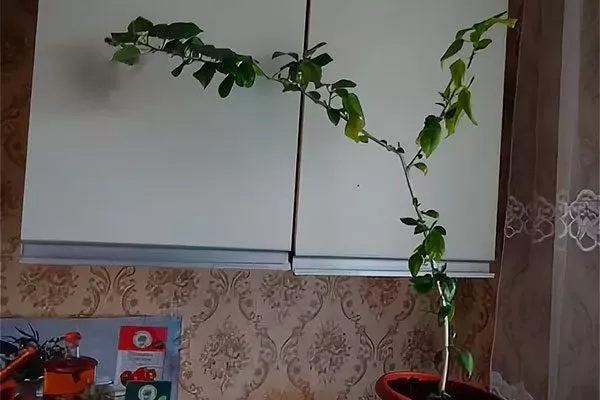
Moving the hibiscus closer to a west- or east-facing window can help solve the problem. The use of phytolamps, especially those with red and blue light, which have a beneficial effect on photosynthesis, is also recommended.
The appearance of spots on the leaves
If a bush has been exposed to direct sunlight for a long time, brown spots with dry edges may appear on its green foliage. These are burns, a reaction to severe stress.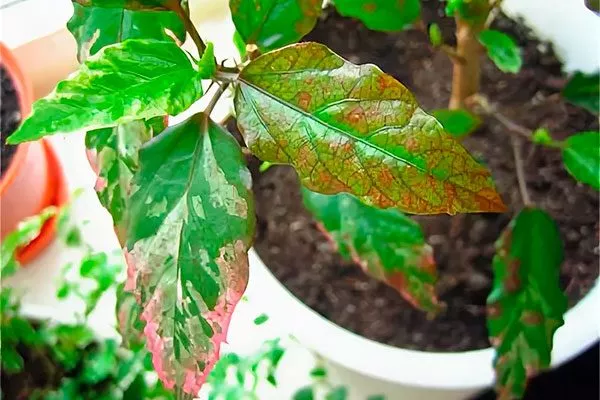
This problem is observed due to mistakes made by the florist:
- placing hibiscus on a south-facing window without shading from the sun;
- no screen to diffuse light;
- Insufficient watering (combined with aggressive solar radiation causes dehydration of leaf tissue, causing it to become brittle and crack).
Moving the flower pot to an east or west facing window and shading it during midday will help improve the situation.
If the problem occurs during the heating season while using phytolamps, reduce the radiation intensity, increase the distance between the lighting fixture and the bush, and use air humidifiers.
Hibiscus Care Tips for Different Lighting Conditions
The China rose requires care adjusted depending on the duration and intensity of light it receives.
Special recommendations for rooms with insufficient sunlight
If you are unable to provide your hibiscus with plenty of natural light (for example, the window in the room faces north), resort to using artificial sources:
- phytolamp;
- LED lamps with a red-blue spectrum (they stimulate growth and flowering);
- LED or fluorescent lamps.
Apply them for 12-14 hours a day, including in winter. Increase the light by placing reflectors near the plant. Monitor indoor air quality:
- temperature regime: +18-25°C in summer months, +15-17°C in winter;
- humidity - not less than 60% percent (install humidifiers or pour some water into the tray if the air in the room is dry).
To stimulate flowering, prune the plant in the spring. This will stimulate the growth of new shoots, which will eventually produce buds. Don't neglect the application of potassium-rich fertilizers. These should be low in phosphorus.
Summer and winter care rules
When planning care, the season is also important. This is because solar activity varies between the summer and winter months, meaning the plant receives different amounts of light.
In summer, hibiscus grows and blooms vigorously. It requires special conditions:
- bright and diffused sunlight for 6 hours daily (to achieve this, place it on a western or eastern window);
- moderate moisture of the soil in the pot (regular watering is recommended as the top layer of soil dries out, daily watering in hot weather);
- air temperature ranging from +22°C to +28°C;
- air humidity at 60–80% (it is necessary to spray the foliage or use a humidifier);
- daily ventilation without drafts;
- additional nutrition (use formulations with potassium and magnesium).
During the winter, hibiscus goes dormant. During this period, it requires completely different conditions:
- 12-14 hours of daylight (the use of phytolamps is recommended);
- air temperature —+15-18°C;
- air humidity - 50-60%;
- placing the pot away from the radiator;
- moderate irrigation once a week;
- rare use of fertilizers with phosphorus and potassium (no more than once a month).
Don't disturb the plant unnecessarily. Prune at the end of winter, before the plant begins its intensive growth phase.
Adapting hibiscus to new lighting conditions
To adapt the culture to changes in light intensity, gradually acclimate it to new living conditions:
- First, place the flower in a shaded area, and then gradually move it towards the sunniest part of the room;
- Use adjustable lighting with a timer to simulate natural light (start with 6-8 hours, gradually increase the lighting time to 12-14 hours a day).
Reviews
Hibiscus is a light-loving ornamental plant. Lighting plays a crucial role in its growth and health. If you provide your green plant with plenty of bright, diffused sunlight and supplemental lighting with phytolamps on cloudy days, it will surely delight you with its luxurious blooms.