
Choosing the right location for your hibiscus (China rose) is essential for its harmonious development and robust health. By creating a favorable environment for it, you can achieve lush blooms. This article will help you find the best place to place this beautiful tropical plant in your home or garden.
Features of growth and development
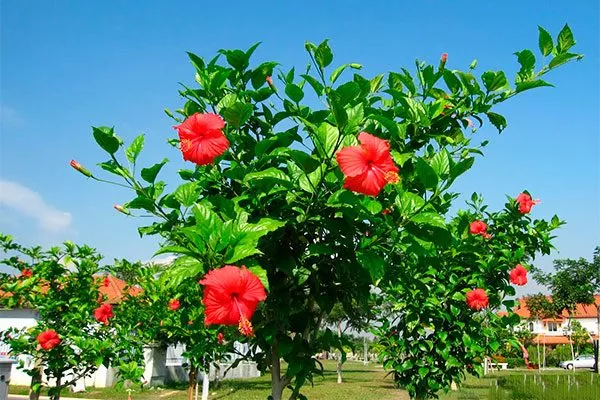
Hibiscus is a striking member of the Malvaceae family, native to tropical and subtropical regions of the planet. It can grow as a shrub or small tree, ranging from 1-3 meters tall (in its natural habitat, it can reach up to 20 meters).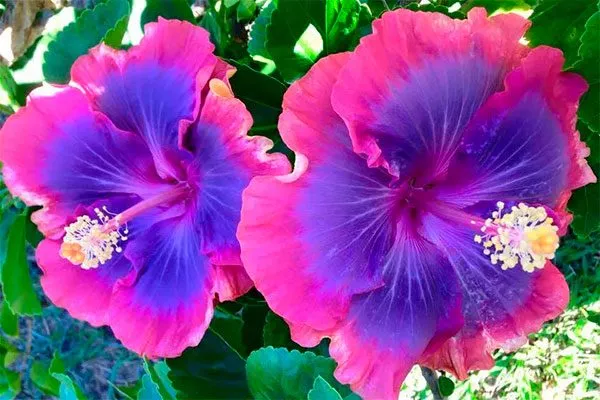
The China rose blooms from May until late summer. It produces large, single, funnel-shaped buds. The petals come in a variety of colors: pink, red, yellow, and white. The flowers last only 1-2 days, but appear regularly.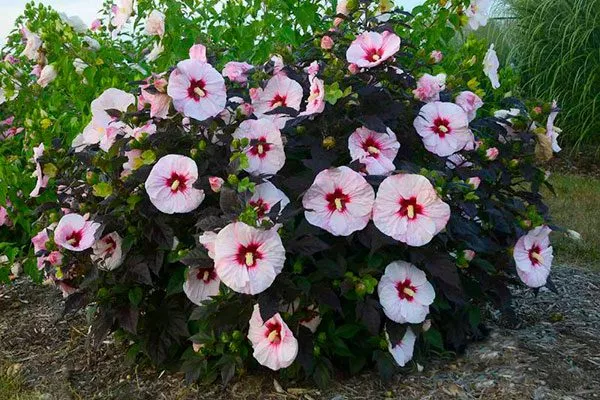
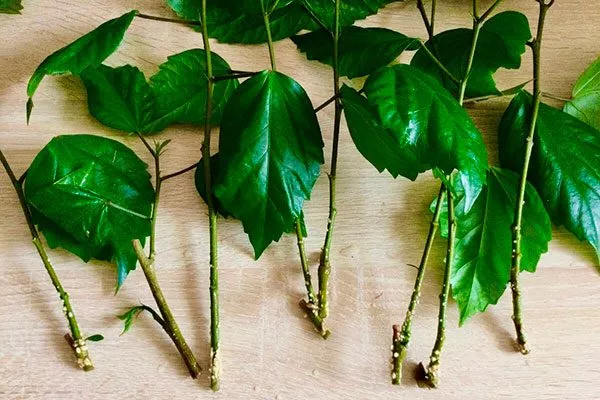
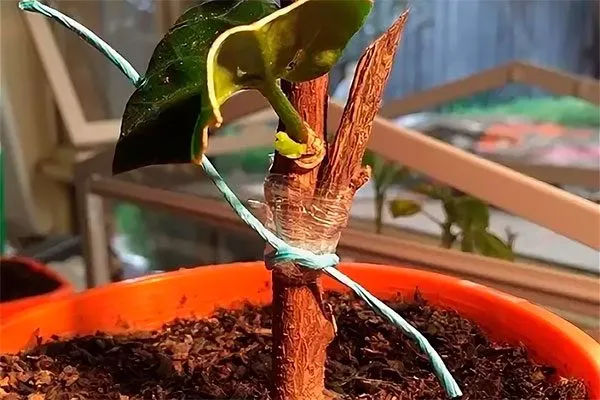
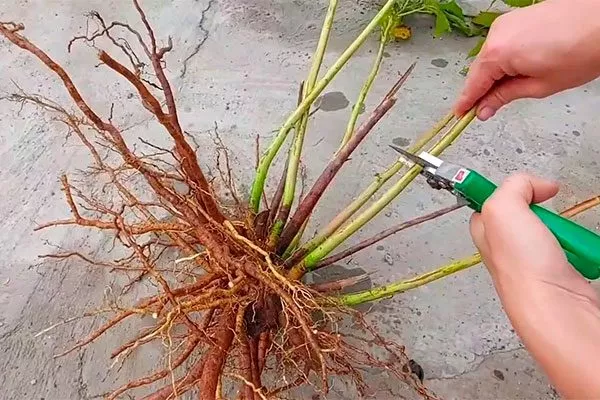
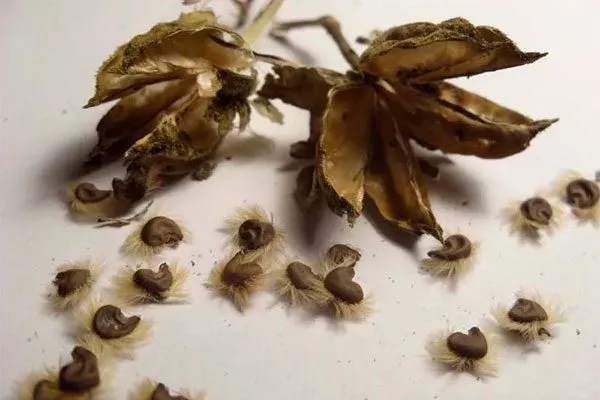
Gardeners who grow hibiscus as an ornamental plant at home or in the garden propagate it in various ways (the choice depends on the species):
- cuttings;

- vaccination;
- dividing the bush;
- seeds.
Requirements for soil, climate conditions and lighting
This exotic tropical plant loves both light and heat, which is important to consider when choosing a location for its cultivation. It's quite demanding when it comes to soil composition. To ensure the plant thrives in your home or flowerbed, provide it with comfortable conditions.
Lighting
The plant requires at least 6-8 hours of bright, but filtered, light per day. This requirement is heightened during active growth and budding. Insufficient sun exposure negatively impacts the number and size of flowers. The buds fade quickly, and some wither without ever opening their petals.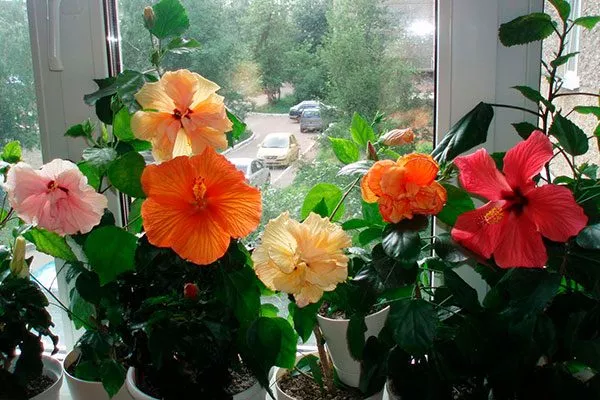
Direct sunlight is dangerous for hibiscus in summer, especially at midday. It needs to be shaded. In winter, when daylight hours are short, supplemental lighting with phytolamps is necessary. Without it, the bush will weaken and lose its decorative appeal.
Climate
This exotic flower can be grown as a houseplant or garden plant in various geographic zones. In the wild, it is common in warm and sunny areas: Southeast Asia, India, China, Korea, and even Africa. Florists cultivate it outdoors in the following regions:
- Florida, California, Hawaii - Chinese hibiscus;
- Mediterranean, southern Europe - Syrian hibiscus (it can withstand temperatures down to -29°C, provided it is properly prepared for winter);
- southern Russia, Caucasus, Crimea - frost-resistant varieties, in particular hibiscus trifoliate and marsh hibiscus;
- Northern Europe, Siberia, Canada - only indoor cultivation of the flower in pots and tubs is shown.
Priming
The China rose prefers a light, fertile, and well-drained soil that is neutral or slightly acidic (pH 6-6.5). Loam or sandy loam is considered optimal for this plant.
Hibiscus is not grown on heavy clay soil; it does not tolerate stagnant moisture.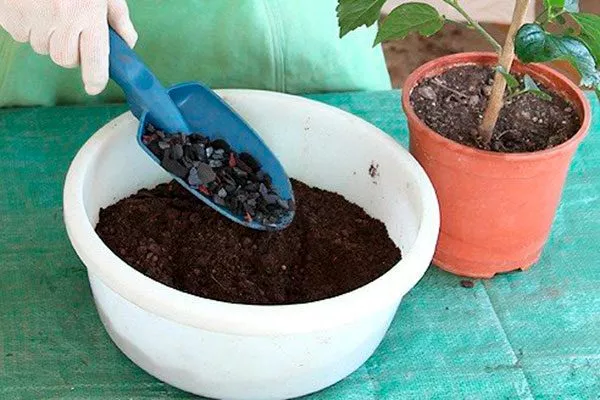
Criteria for choosing a location for hibiscus
When deciding where to place a Chinese rose in your apartment or garden, consider several important criteria.
Sunlight: Impact on Flowering and Appearance
Without solar energy, a plant withers. It's needed for photosynthesis (the conversion of carbon dioxide and water into glucose, the main source of energy for green plants) to occur normally in the leaves. Without or insufficient light, this process stops, causing the plant to stop growing.
In conditions of insufficient sunlight, hibiscus does not grow, its health suffers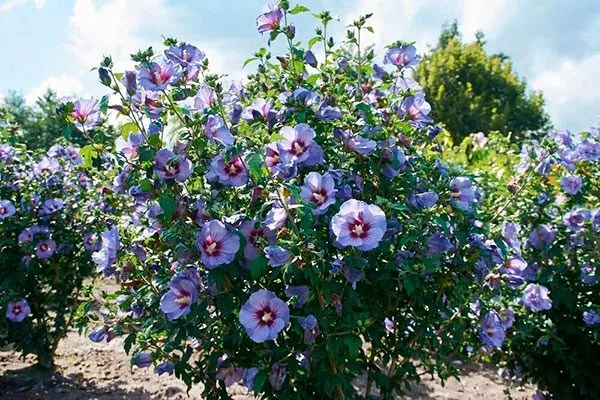 For their beauty and decorative value, budding does not occur. Their abundance is the key to luxurious blooms. The location where you will grow the bush should be well-lit throughout the day (at least 6-8 hours). Suitable for this purpose:
- southern or southwestern sector of the garden (the presence of a fence or building that protects the plant from wind, drafts and does not block it from the sun is acceptable);
- an east or west window in the room, shaded in the summer at midday (on the south there is a high risk of foliage getting burned, and on the north the lighting will be poor).
To determine if your hibiscus is getting enough sunlight, evaluate its appearance:
- dense bright green leaves, large buds of rich color, neat compact bush shape - good lighting;
- pale yellowish color of foliage, leaf fall, elongated shoots, small flowers or their absence, asymmetrical shape of the bush are signs of a lack of light;
- Discoloration and fragility of foliage, its yellowing or reddening, wilting and dying, the appearance of brown tips, the presence of burns are symptoms of excess sun.
Air and soil humidity levels, drainage
This tropical plant thrives in hot and humid climates, where humidity reaches 90%. Indoors, this level should not fall below 60% during the active growth and flowering period. When the plant is dormant, it should be lowered along with the temperature.
The following measures help maintain a comfortable level of humidity in the room for hibiscus:
- regular spraying of leaves with lukewarm water (daily in summer during hot weather and during the heating season);
- placing the pot on a tray with wet pebbles or wet sand;
- placing bowls of water next to the plant;
- using a special household appliance (it's called an "air washer").
China rose thrives in moderately moist soil (50-60%) with good drainage. Water regularly. Don't let the potting soil dry out or become overwatered. It shouldn't be wet or waterlogged. Water after the top 1-2 cm of soil has dried out.
To prevent root rot due to stagnant water in the pot, line the bottom with expanded clay, pebbles, broken brick, or ceramic shards before planting. The drainage layer should be at least 3 cm thick.
Ambient temperature and wind protection
Hibiscus is a heat-loving plant, but it's not a fussy one. It adapts to the climate of its growing region. For optimal health, it requires the following temperatures:
- +20-25°С — during the period of active growth and flowering;
- +12-15°С — from November to February (in a dormant state).
When growing in the garden, be sure to protect the ornamental shrub from wind. This is especially important in winter. Plant it near a fence or house wall. This will protect it from breaking and freezing. Don't forget to tie branches and provide shelter before the onset of cold weather.
Distance between plants and other objects
If you plan to plant China roses in your garden, remember to provide them with sufficient space for normal growth and development. When planting in groups, maintain the following distance between bushes:
- 1.5 m - for most types of crops;
- 1.2 m - for compact varieties (Small Wonder, Robert Flemming);
- 2-3 m - for large species (for example, the Ardens variety, which reaches a height of 3 m and spreads 2 m in width);
- 0.9-1 m - when creating a hedge (in this case there will be no luxurious flowering due to dense planting).
When planting a China rose near a wall or fence, leave a 1-meter gap to avoid shading. It should be at least 1.5-2 meters away from other trees and shrubs in the garden, especially if nearby plants provide dense shade or compete for water.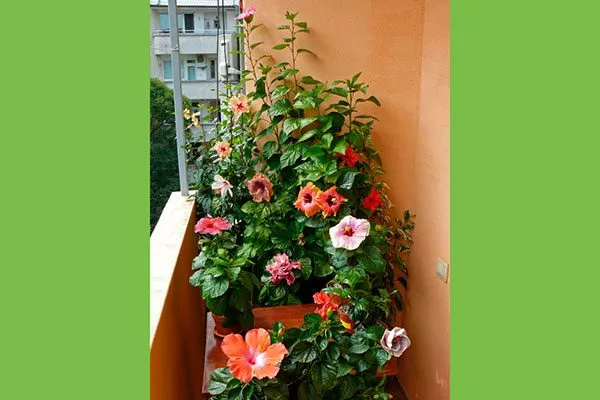
The best places to plant hibiscus
To ensure this tropical plant delights you with bright, large buds in the future, select the best spot for it in your dacha or apartment. Experienced gardeners recommend the following locations:
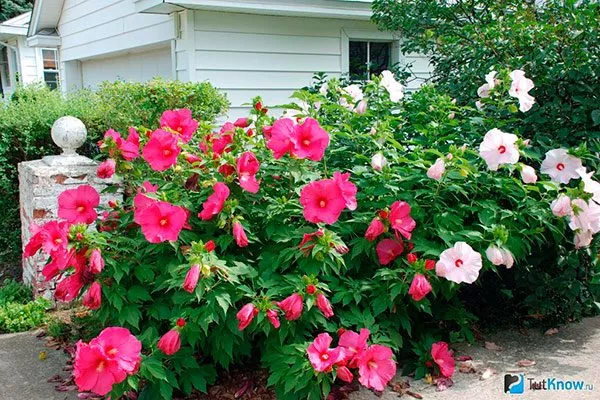
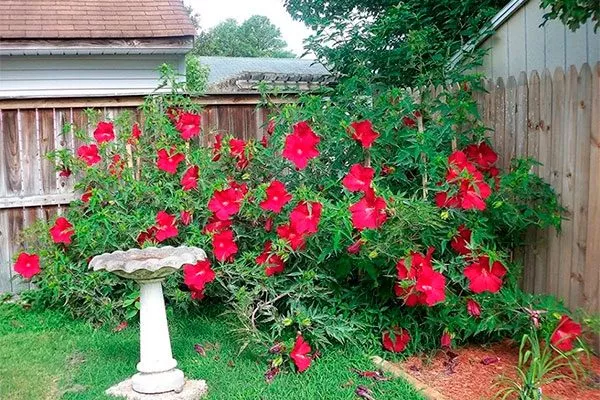
- Open sunny areas of the gardenThey ensure abundant flowering. Here, the plant receives the necessary 6-8 hours of bright daylight per day. Thanks to intensive photosynthesis, shoots grow strong, leaves are green, and buds are large. A southwest or southeast exposure is especially good for this purpose.
- Wind-protected corners of the yardThese locations ensure that the flowers and leaves remain in perfect condition and protect the bush from breaking and freezing in winter. Place the hibiscus near the walls of a house or under a fence, leaving a distance of 1 meter. Make sure the structure doesn't block light.
Windbreak plantings are also used to create a comfortable microclimate:- shrubs;
- trees;
- hedges.
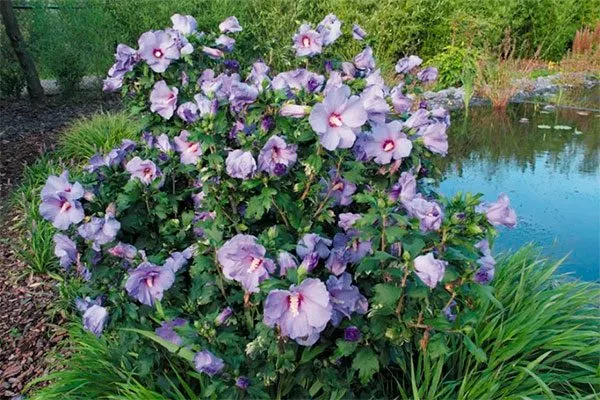
- Areas near water bodies and ornamental pondsIn warm climates, these are an excellent location for the plant. Here, it will satisfy its need for moisture, which will contribute to its decorative appearance. Just make sure there's good drainage to prevent root rot.
Among the advantages of growing hibiscus near a water source, gardeners highlight:- increased air humidity, which promotes good growth of the crop and its bright flowering;
- the reservoir softens temperature fluctuations, especially in summer, which helps maintain a microclimate that is comfortable for hibiscus;
- aesthetic appearance: a bush with large buds looks beautiful against the backdrop of a water surface, organically combined with lilies and reeds (such a plant-water composition increases the decorative value of the garden, making it more picturesque);
- Attracting pollinators: ponds attract butterflies, bees, and dragonflies, which is beneficial for the site's ecosystem.
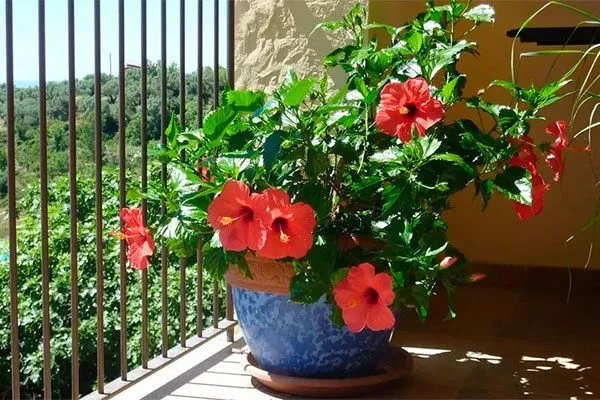
- Window sills, terraces and balconiesHibiscus thrives as a houseplant. During the warmer months, it thrives on a sunny balcony or terrace, and on an east- or west-facing windowsill year-round. Here, the plant receives plenty of light. Just make sure to protect it from drafts and direct sunlight.
The worst places for hibiscus
If you grow a China rose in unfavorable conditions, you'll likely encounter complications: the bush will experience stunted growth, its ornamental appearance will suffer, and its immunity will be weakened. A weakened plant will often become ill and have trouble flowering.
To avoid such problems, do not place hibiscus in places that are not suitable for its cultivation:
- Shady areas with low light intensityThe plant won't be able to develop normally here. Insufficient light can slow down or even stop photosynthesis, starving the plant. The bush will lose its decorative appeal: shoots will stretch, foliage will become pale, and it will produce few or no flowers.
It is especially harmful to place Chinese roses in the following places:- on the north side of a building or fence;
- under trees with dense and spreading crowns;
- in the back of the room, away from the window;
- on the northern windowsill;
- in a room without windows.
- Wind fields and open spaces. An ornamental tree shouldn't be placed in elevated areas where it's exposed to wind from all sides. It's sensitive to gusts of wind and doesn't tolerate drafts. It requires a stable microclimate. In such locations, complications are inevitable:
- damage to delicate buds;
- drying of leaves;
- breaking of shoots;
- stress due to increased evaporation of moisture, especially in hot weather;
- freezing of the root system and the lower part of the bush in winter.
- Clay soils with poor drainage. They're too dense, don't breathe, and don't allow moisture to pass through well, causing water to stagnate in the root zone. If you plant hibiscus in this type of soil, you'll likely encounter problems with root rot and fungal attack. The plant will wither and may even die.
- Proximity to aggressive chemicals and pollution sourcesPlanting Chinese roses in ecologically unfavorable areas can result in damage to foliage and roots, as well as a lack of flowering. Exhaust fumes and industrial emissions are harmful to the plant. Areas near the following are considered particularly unsuitable:
- garages;
- highways;
- chemical storage areas;
- industrial zones.
How to evaluate the chosen place?
To determine whether you have correctly identified the location for hibiscus in your garden or apartment, the following steps will help you:
- Observing the condition of the plant for several weeksMonitor the plant's appearance for changes. If the location is right, its foliage will remain richly green and won't show signs of yellowing or curling. With adequate light, growth will be uniform, without the stems becoming elongated.
- Checking light levels and soil qualityUse a lux meter to determine if the plant is getting enough sun in the location you've chosen. The meter should read between 10,000 and 15,000 lux.
Make sure the soil beneath the plant is not only nutritious, loose, and well-drained, but also has a pH level suitable for hibiscus (6.0-7.0). To check, use test strips, litmus paper, or a pH meter.
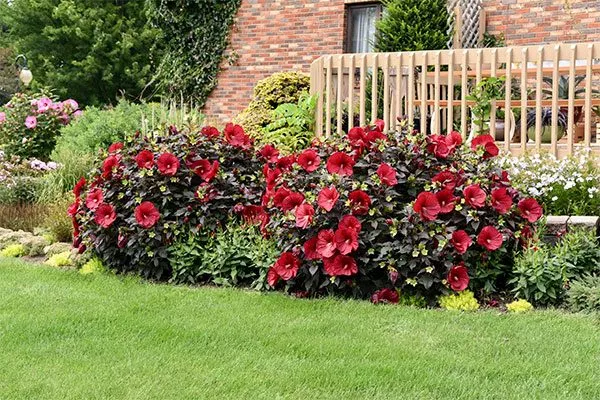
Choosing a location for your hibiscus is key to growing this tropical flower. Choose a sunny, warm spot in your garden (or apartment). Provide protection from drafts and wind. Ensure the soil is loose and fertile, and the air is sufficiently humid. Meeting all these conditions will ensure the plant's robust health and beauty.