
Hibiscus is a beautiful flowering plant that enhances both home interiors and gardens. However, to maintain its beauty and health, it's important to promptly recognize signs of disease and pests. A weakened plant not only loses its appeal but also becomes vulnerable to infections and pests.
The importance of diagnosing and protecting hibiscus from pests and diseases
Timely diagnosis and protection of crops from diseases and pests are crucial for maintaining plant health and its decorative appeal. Key features:
- In the early stages of damage, many problems can be resolved quickly and without serious consequences, while advanced cases often lead to weakening of the bush, cessation of flowering, and even death.
- Hibiscus can be damaged by both unfavorable conditions (overwatering, drafts, lack of light) and external factors such as fungi, bacteria, and insects. The symptoms of various diseases are often similar, so it's important to learn how to recognize them correctly. Accurate signs are the key to choosing the right treatment.

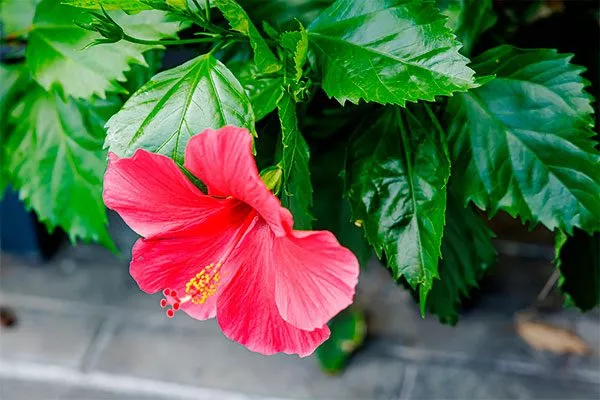
Regular inspection of leaves, shoots, and soil allows you to notice the first deviations from the norm in time and take preventative measures:
- adjust watering;
- improve ventilation;
- carry out treatment with fungicides or insecticides.
Description of the main diseases of hibiscus
Despite its good resilience, the crop is susceptible to a number of diseases, especially under improper growing conditions. Overwatering, insufficient light, or poor ventilation can weaken the plant and make it vulnerable to fungal, bacterial, and viral infections.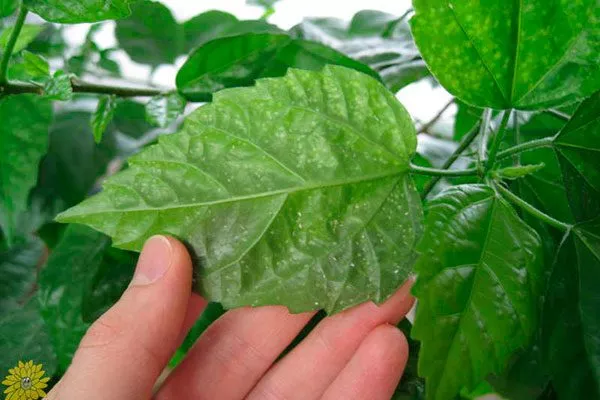
Fungal
Fungal diseases pose a serious threat to hibiscus, causing weakening, poor appearance, and even death. Early diagnosis and prompt treatment are critical to maintaining the plant's health.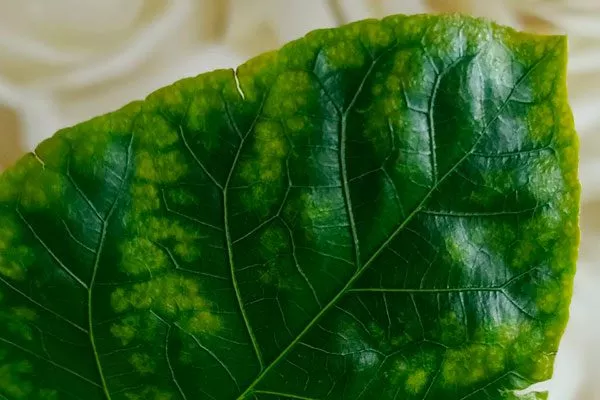
Causes of occurrence
The crop often suffers due to high humidity – excessive watering, insufficient air circulation and high ambient humidity create favorable conditions for the development of fungi.
Other causes of defeat:
- Contaminated soil. Using unsuitable soil or unsterilized gardening tools can lead to infection.
- Plant damage. Mechanical defects caused by pests or improper care pave the way for fungal infection.
- Weakened immunity. Lack of nutrients, improper watering, or temperature fluctuations make the plant weak, making it more vulnerable to disease.
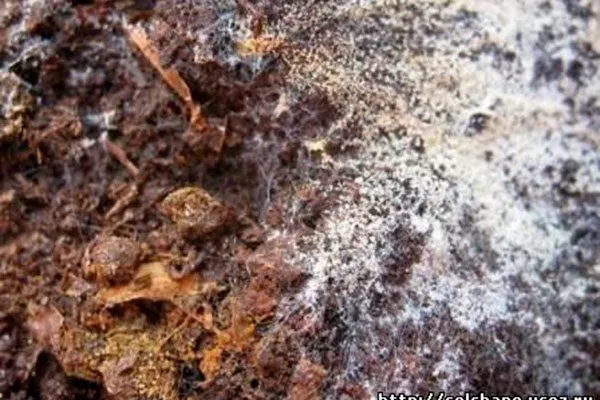
Symptoms
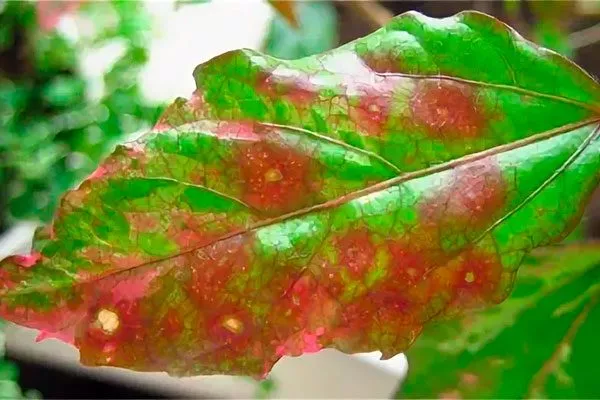
Symptoms of fungal infections can vary depending on the type of fungus. However, the most common signs include:
- spots of various shapes and colors on the leaves (brown, yellow, black);
- softening and blackening of stems and roots;
- the presence of a white or gray coating;
- premature wilting and falling of leaves;
- slowing or stopping of plant growth.
Treatment methods and prevention
Treating fungal diseases of hibiscus involves several steps. Follow these recommendations:
- Remove and destroy affected leaves, stems and flowers.
- Treat the crop with fungicides designed to combat the specific type of fungus. The most effective products include Topaz, Skor, and Fundazol.
- Provide good air circulation, moderate watering and adequate lighting.

Preventive measures:
- When replanting hibiscus, use sterilized soil;
- avoid over-watering the soil;
- Place the plant in a location with good air circulation;
- inspect the plant regularly for signs of disease;
Bacterial infections
Bacterial infections pose a serious threat to hibiscus—they can spread quickly and cause significant damage to the plant. Early detection and appropriate treatment are critical to maintaining the plant's health.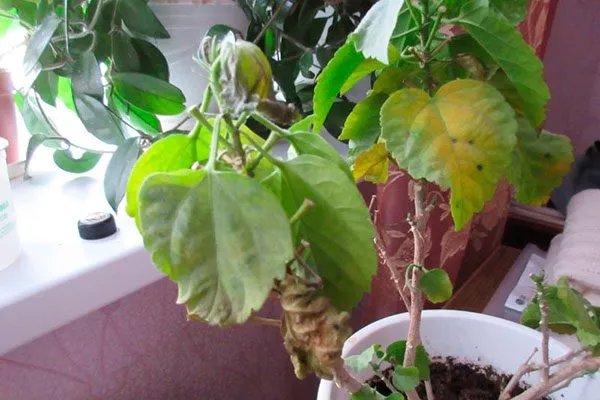
How to recognize them and where do they come from?
Bacterial infections of hibiscus often appear as water-soaked spots on the leaves that quickly darken and spread. Stems may darken and rot, and leaves may also wither and fall off. A characteristic symptom is a slimy exudate on the affected areas of the plant.
Bacterial infections usually occur due to:
- damage to the plant (for example, during pruning or replanting);
- contaminated soil or tools;
- excessive humidity and poor air circulation;
- spread through insect pests.
What to do if you notice symptoms?
If signs of a bacterial infection are detected, isolate the infected plant to prevent the disease from spreading to other plants. Other steps include:
- Remove all affected parts of the plant (leaves, stems).
- Treat the plant with bactericidal agents designed to treat bacterial infections. The most effective agents include copper sulfate, HOM, Oxychom, and Bordeaux mixture.
- Provide good air circulation and reduce humidity around the plant.
- If necessary, replace the soil with clean soil.

Regular inspection of plants, maintaining optimal growing conditions, and using sterile equipment will help prevent bacterial infections in hibiscus.
Viral diseases
These diseases pose a serious threat because they are not directly treatable. Viruses invade plant cells, disrupting their functioning and causing various deformities. The primary damage is reduced ornamental value and stunted growth.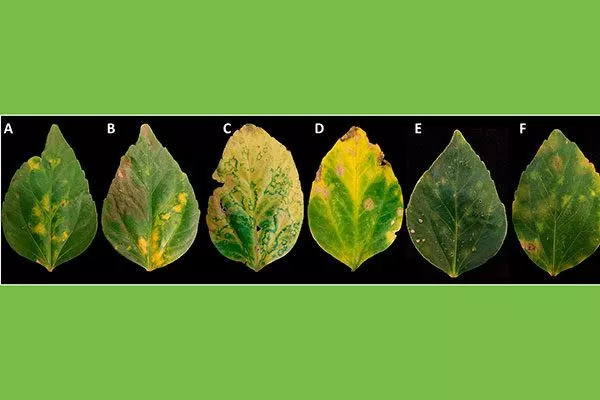
Characteristics of the manifestation of viral infections
Viral infections in hibiscus can manifest in a variety of ways. A mosaic pattern of leaf coloration—alternating green and yellow patches—is often observed.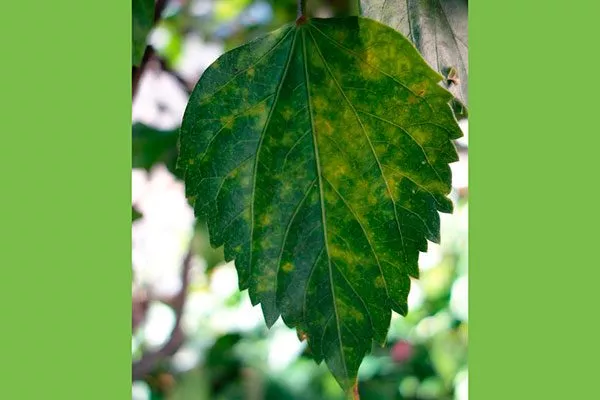
Other symptoms:
- Leaves may become deformed, curled, or covered with ring spots.
- The growth of shoots slows down, the intensity of flowering decreases, flowers may become smaller and deformed.
- Sometimes a change in the color of the flowers, the appearance of uncharacteristic stripes or spots, is observed.
Effective ways to prevent the spread of viruses
There's no cure for hibiscus viral disease, so the primary focus is on preventing the spread of viruses. Follow these guidelines:
- Isolate plants showing signs of viral infection from healthy specimens.
- Thoroughly disinfect all tools (pruning shears, knives) after contact with an infected plant.
- Viruses are often spread by insect pests such as aphids and thrips. These vectors must be controlled promptly.
- Purchase planting material only from trusted suppliers to avoid virus contamination from the very beginning.
- In case of severe damage, when the plant loses its decorative appearance and vitality, it is recommended to destroy it to prevent further spread of the virus.
The most common pests of hibiscus
When growing plants indoors or in a greenhouse, they can be attacked by various pests. These insects feed on the sap of leaves and shoots, weakening the plant, slowing its growth, and often causing disease. However, there are effective ways to control them.
Spider mites
Microscopic pests pose a serious threat to hibiscus, sucking the sap from the leaves and weakening the plant. Their presence can quickly lead to a loss of ornamental beauty and, ultimately, death.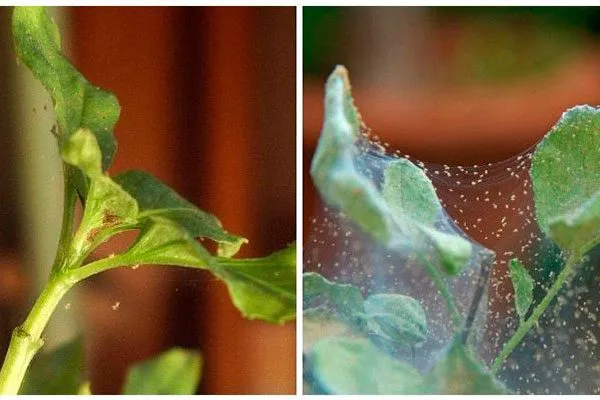
Signs of infection
The first signs of a spider mite infestation often go unnoticed due to the tiny size of the pests. Careful observation of the plant reveals the following symptoms:
- the presence of small light spots on the leaves, especially on the underside;
- a fine web that weaves around leaves and stems;
- yellowing and drying of leaves;
- slowing down of plant growth;
- deformation of buds and flowers.
Methods of control and preventive measures
Controlling spider mites requires a comprehensive approach. Follow these guidelines:
- Rinse plants with strong water pressure – this helps wash away ticks and cobwebs.
- Use specialized acaricides designed to combat mites. Effective products include Apollo, Sanmite, Flumite, Actellic, and Fitoverm. Apply several times, spaced several days apart, to eliminate all stages of the pest's development.
- Spider mites prefer dry air. Regularly misting the plant and maintaining high humidity around it will prevent them from spreading.
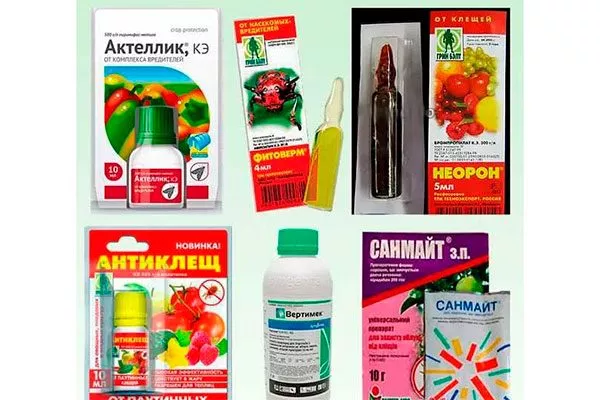
Regular inspection of plants, maintaining optimal growing conditions, moderate watering and good lighting help strengthen the hibiscus's immunity and increase its resistance to pests.
Scale insects
These are among the most insidious pests of houseplants, including hibiscus. Their danger lies in the fact that they disguise themselves as small growths or plaques, making them difficult to detect. These sucking parasites attach themselves to stems and leaves, sucking out the sap and weakening the plant.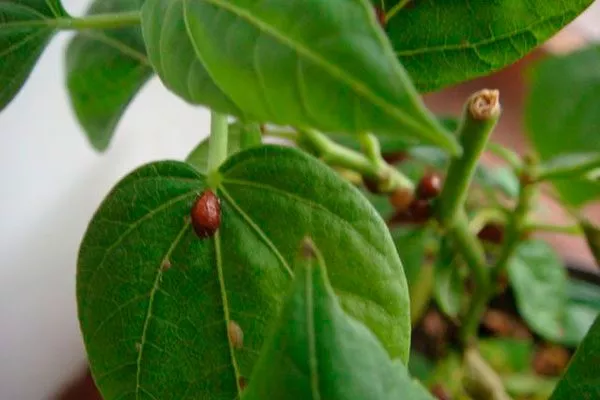
What symptoms indicate the presence of scale insects?
The main symptom is the appearance of small, raised plaques of various colors (brown, gray, yellowish) on the leaves and stems. Leaves may turn yellow, become deformed, and fall off.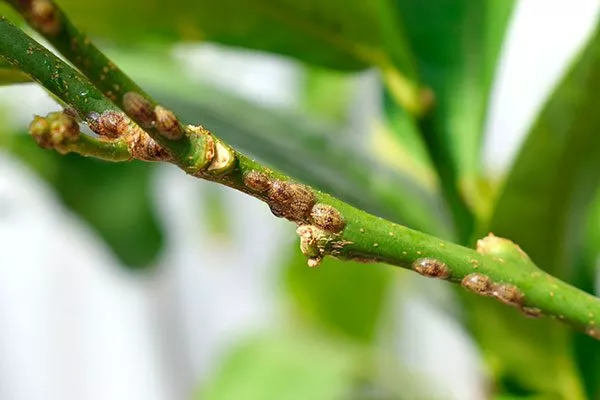
The plant's growth slows, and flowering ceases. A sticky coating is often observed on the leaves and stems—this is a byproduct of scale insects and attracts sooty mold.
Remedies to get rid of these parasites
Controlling scale insects is a labor-intensive process that requires patience and consistency. Follow these recommendations:
- Remove parasites from the plant manually using a cotton pad soaked in alcohol or soapy water.
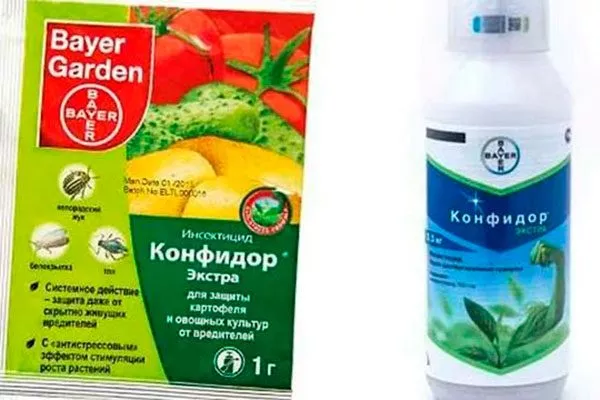
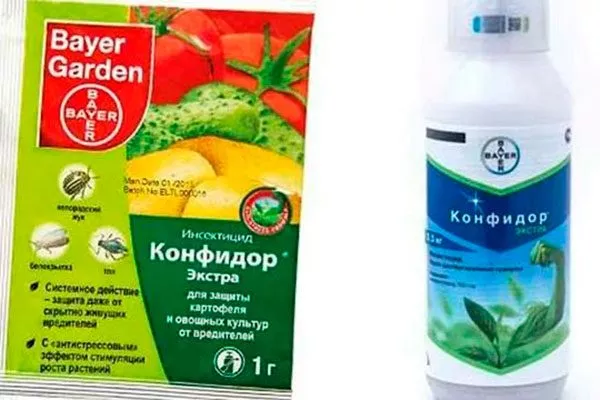
- Use systemic insecticides that penetrate plant tissue and make it toxic to scale insects. It's important to follow the instructions and apply the treatment several times, spaced 1-2 weeks apart. Experienced gardeners recommend the following products: Aktara, Confidor Extra, Tanrek, Biotlin, and Apache.
- Spraying with garlic or onion infusions or a soap solution is effective. These treatments are less toxic but require more frequent application.
Whiteflies
These tiny insects resemble miniature white moths. They often attack hibiscus and other houseplants, sucking the sap from the leaves and weakening them. They reproduce quickly and can cause significant damage if left untreated.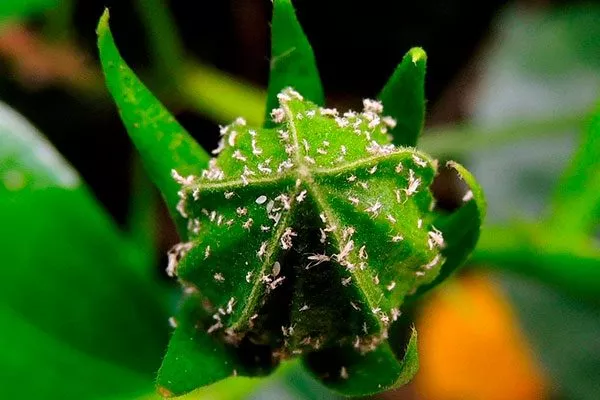
Signs of a pest infestation
The main sign of a whitefly infestation is the presence of small white moths flying around the plant, especially when touched. The pest's larvae, which look like small, transparent or yellowish scales, can be found on the underside of leaves.
Folk remedies and chemical preparations against insects
Regularly spraying the plant with a soap solution (20-30 g of soap per 1 liter of water) helps wash away insects and larvae. Garlic or yarrow infusions are also effective. It's important to spray regularly, every 3-5 days.
In case of severe infestation, insecticides are used:
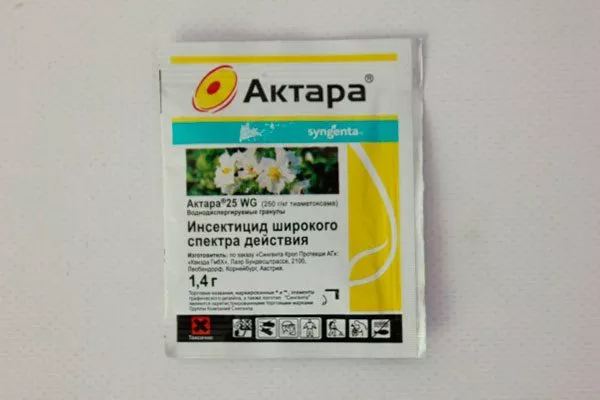
- Aktara;
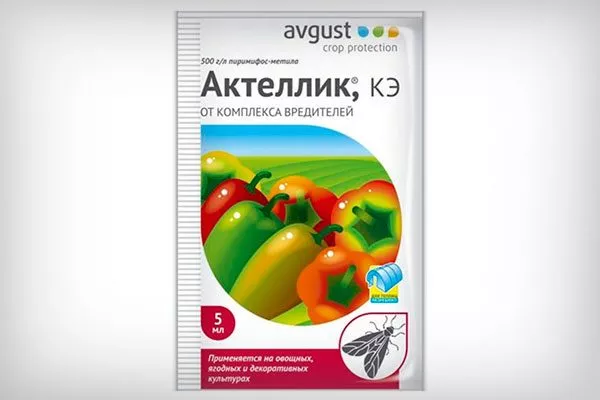
- Actellic;
- Confidor.
Prevention methods
Disease and pest prevention are essential for healthy growth and abundant flowering of hibiscus. Regular protection prevents problems and avoids the need for aggressive treatments.
Key measures:
- Prevent diseases and pests by regularly inspecting plants. Regular inspection is the first line of defense. Carefully inspect the leaves (especially the undersides), stems, and buds for signs of pest or disease damage.
Early detection of a problem allows for action to be taken at an early stage. - Use of natural remedies. Using natural remedies is an environmentally friendly and effective method of prevention. Spraying with infusions of garlic, onion, tobacco dust, or chamomile tea repels many pests.
A solution of laundry soap is also a good preventative measure. - Organizing a proper irrigation and lighting system. Optimal growing conditions are the key to plant health. Avoid overwatering the soil, as this promotes the development of fungal diseases.
Provide your hibiscus with sufficient light, but avoid direct midday sun. Regular ventilation helps prevent disease. - Treatments with different means. Preventative spraying with specialized products is an important part of a comprehensive approach. Use fungicides and insecticides according to the instructions, alternating solutions to prevent the development of resistance in pests and pathogens.
Conduct activities in early spring and fall and at the first sign of problems.
The key to a healthy hibiscus is proper care, careful observation, and prompt response to the first signs of problems. Understanding the causes of diseases and recognizing pests will help keep the plant strong and allow you to take timely measures to address any problems.