
The ficus is a popular houseplant that brightens up interiors and brings a cozy feel to any home. However, even with regular care, novice gardeners often notice that the leaves lose their vibrant color and become dull. This is a warning sign, as such changes often indicate improper care or hidden problems.
Why do ficus leaves lose their brightness?
Even with good care, leaves can gradually lose their luster, becoming pale or dull. There are several reasons for this, each related to specific growing conditions or natural processes in the plant's life.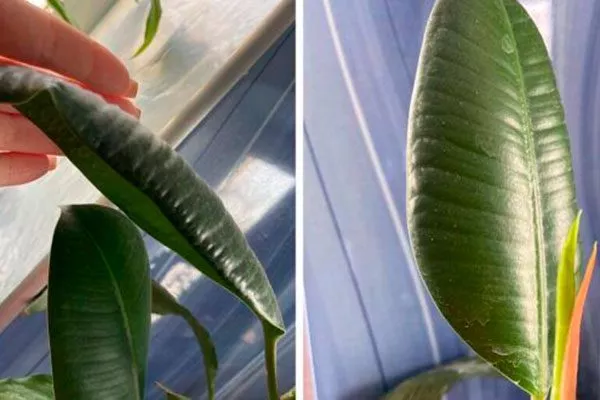
Lack of light
One of the most common factors is insufficient light. Ficus is a sun-loving plant, and when kept in the shade, photosynthesis slows down. Cells produce less chlorophyll, causing the green pigment to lose its richness.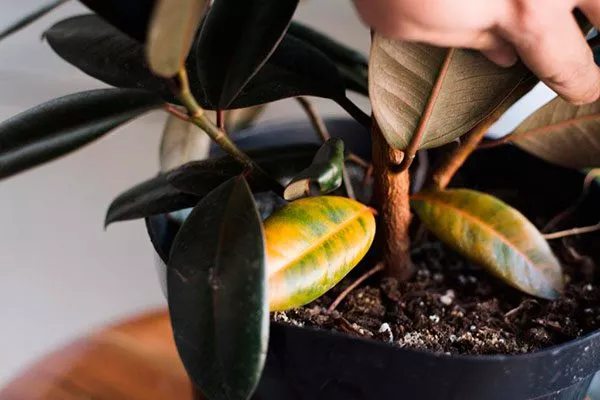
This is especially noticeable in variegated varieties: white and yellow areas begin to turn green without sufficient light, and the overall coloring becomes monotonous and dull. With a constant lack of sun, the leaves shrink in size, the internodes elongate, and the crown becomes loose.
Problems with watering
Water imbalances directly affect the appearance of foliage. What difficulties arise:
- At excess moisture The roots are deprived of oxygen and begin to suffer from hypoxia. This is reflected in the leaf blade: pale spots appear, the gloss dulls, and over time, deformation and loss of elasticity are possible.

- At water shortage Plant cells don't receive enough moisture for normal physiological processes. Leaves lose turgor, become limp, and their surfaces appear dull and dehydrated.
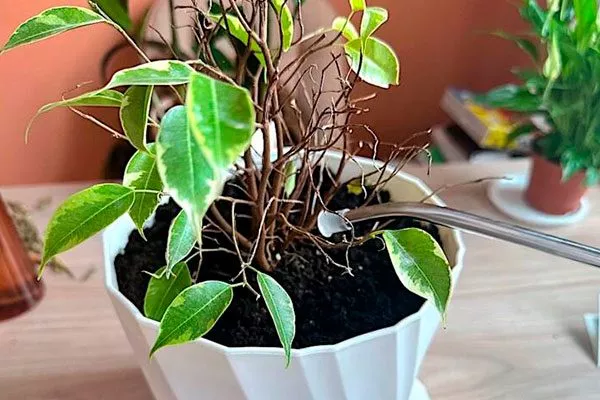
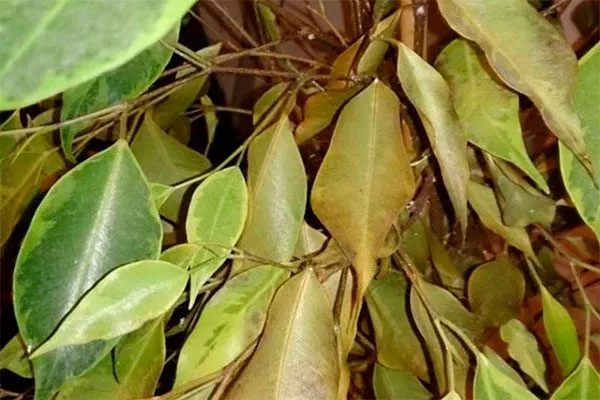
Inappropriate temperature conditions
Sudden temperature fluctuations and extreme cold or heat can also cause leaf loss. At low temperatures, metabolism slows, causing leaves to turn pale. Overheating, especially when combined with dry air, disrupts stomatal function, causing leaf tissue to lose moisture faster than it receives.
Drafts can cause stress, causing leaves to react by changing color and even shedding their leaves en masse. In an unfavorable environment, the ficus cannot maintain its vibrant color, causing the foliage to lose its natural luster.
Diseases and pests
Infectious diseases and insect attacks are other causes of dull foliage. The main problems are:
- Fungal infections cause spots of various colors to appear on the surface, which disrupt the uniformity of the color.
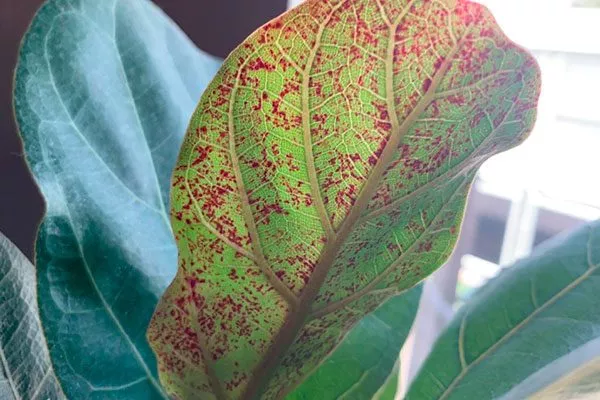
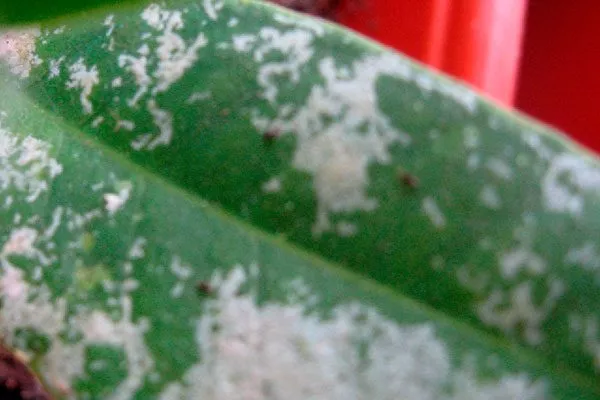
- Insects such as spider mites, scale insects, and thrips feed on the plant's cell sap. As a result, the leaves become thin, pale, and covered with small punctures or a coating.
- The waste products of pests can lead to changes in the structure and color of the leaf surface.
Plant aging
Even under ideal conditions, a ficus tree will eventually undergo natural age-related changes. The lower leaves begin to lose their color intensity, become pale, lose their luster, and gradually fall off.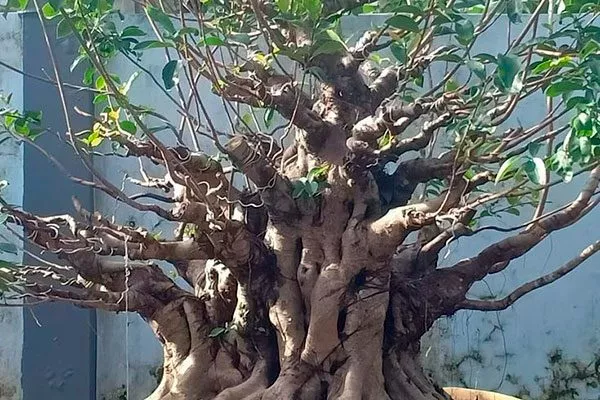
This is due to the redistribution of nutrients: the plant directs resources toward the growth of new shoots and foliage, while older leaves gradually degrade. This process is completely natural and part of the ficus's life cycle.
Effective methods for restoring the brightness of leaves
Sometimes ficus leaves become dull and lose their appeal. The causes vary, but each has a specific solution. If the source of the problem is eliminated, the plant quickly regains its fresh, vibrant appearance.
Transferring the plant to a well-lit place
Insufficient light leads to pale coloring and loss of their characteristic luster. Variegated varieties are particularly susceptible, with their pattern becoming monochromatic. The solution is simple: move the ficus closer to a source of natural light. An east or southeast-facing window, where the sun's rays are soft and diffused, is the best option.
If this isn't possible, installing a grow light can help, compensating for the lack of light on cloudy days and in winter. Gradually acclimating the plant to the new light regimen helps prevent stress and sunburn.
Regulating watering and checking soil composition
When watering is irregular or excessive, roots suffer: from overwatering due to a lack of air, and from drying out due to dehydration. In both cases, the leaves lose their elasticity and vibrancy.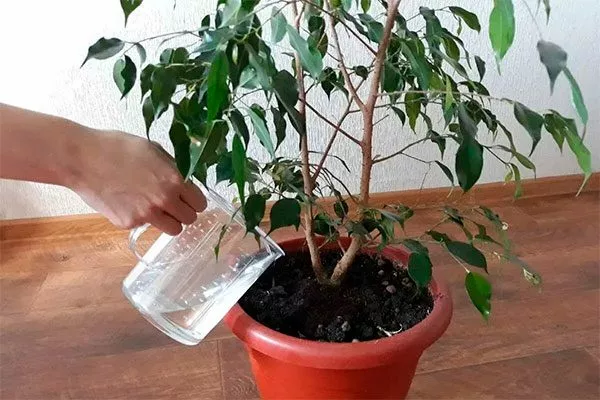
To correct the situation, it is necessary to develop a correct watering schedule: moisten the soil only after the top layer has dried out and be sure to drain excess water from the tray.
Pay attention to the soil itself. If it's dense or saline, the plant isn't receiving enough nutrients, so it will need to be repotted into fresh, light, breathable soil with good drainage.
Temperature and humidity control
Sudden temperature changes, cold drafts, or excessively dry air can make leaves look dull and lifeless. The solution is to create stable conditions:
- The temperature should be moderate, without sudden changes, and the air should be sufficiently humid.
- During the heating season, it is useful to place a humidifier or a tray with water and expanded clay next to the ficus.
- If the plant is on a windowsill, it must be protected from cold glass and drafts, and in summer – from overheating.
Control of diseases and insect pests
If leaves are losing their color due to pests or diseases, the problem can only be solved by treatment. Follow these recommendations:
- Wash off parasites with a warm shower and treat with insecticidal or acaricidal preparations.
- For fungal diseases, use fungicides, and also regulate watering and ventilation to avoid dampness.
Use of special products and fertilizers
If the cause of the pale color is a nutritional deficiency, fertilizers can help. Complex formulations containing nitrogen, phosphorus, potassium, and microelements promote normal growth and supply the leaves with essential nutrients. Iron and magnesium supplements are particularly beneficial for chlorosis.
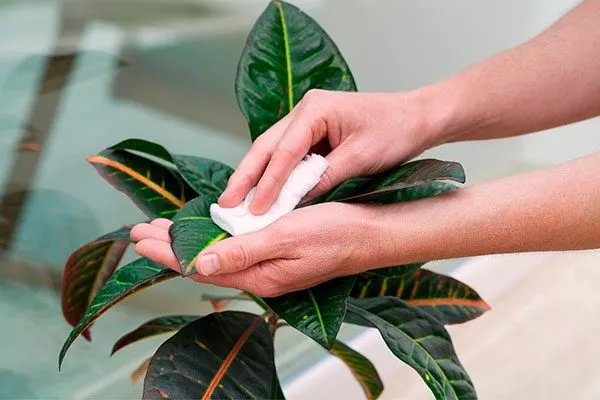
Apply fertilizer during the active growth period, alternating root and foliar feeding. There are also special leaf wipes that not only remove dust but also enhance the plant's natural shine.
Practical tips and life hacks
Ficus is considered an easy-to-care-for plant, but in reality, it's quite sensitive to environmental conditions. Even with good care, its leaves can become dull and its overall condition can deteriorate if small changes are ignored. To keep the plant beautiful and healthy, it's worth following these tried-and-true tips.
Rules for placing a pot with a ficus indoors
Ficus doesn't like being placed haphazardly: if you place the pot "anywhere," you can easily end up with yellowing and leaf drop. Important points:
- To ensure the plant feels comfortable, it's best placed near a window with ample light but away from direct midday rays. An east or southeast facing location is ideal.
- Ficus don't like being moved frequently. Even moving it from a windowsill to a table can cause leaf shedding. Therefore, once you've chosen a location, it's best not to move the pot unless absolutely necessary.
- Avoid proximity to radiators and air conditioners: dry, hot or too cold air is the main enemy of healthy foliage.
Ficus's reaction to changes in external factors
Ficus trees are true "barometers" of the home: they reflect the slightest changes in their appearance. Here's how they manifest themselves:
- lack of light – elongated internodes and pale leaves;
- overflow – black spots and dropping of lower leaves;
- dry air – yellowing of the tips.
To avoid serious problems with your plant, you need to monitor its behavior. The leaves themselves will tell you what's wrong:
- if they become soft and drooping, it’s time to check the watering;
- If they lose their brightness, it’s time to think about lighting and feeding.
A useful technique is to keep a small "care diary": record the dates of watering, fertilizing, repotting, and even changes in location. This helps you track patterns and respond more quickly to the plant's signals.
Folk remedies and preventive measures
You don't always need to resort to chemicals or expensive care products. Simple folk remedies can help keep your leaves bright and shiny.
Helpful tips:
- Wiping the foliage with a 1:1 solution of milk and water not only removes dust but also imparts a natural shine. A weak solution of still beer works similarly—an old "grandmother's" trick for maintaining a decorative appearance.
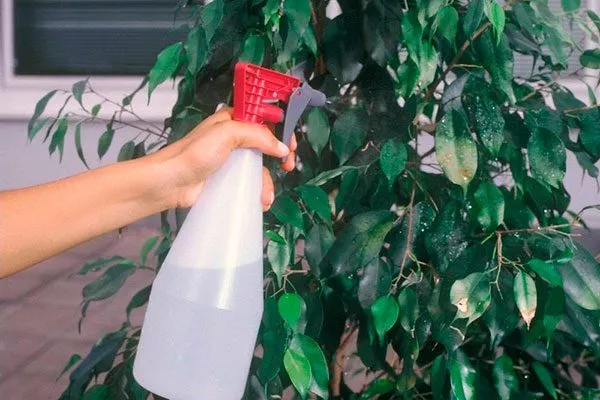
- As a preventative measure against pests, you can periodically spray the leaves with an infusion of garlic or tobacco: the smell repels insects and reduces the risk of infestation.
- To strengthen the immune system, it is useful to water the plant once a month with a weak solution of succinic acid or add a little wood ash to the water.
These measures do not replace proper care, but they help maintain overall health and prevent problems from arising.
Frequently Asked Questions
Beginner gardeners sometimes encounter difficulties when growing ficus. To help you navigate these challenges, below are answers to the most frequently asked questions.
Why do ficus leaves lose their shine and brightness after being replanted?
This is stress caused by sudden changes in light, temperature, and light direction. The plant needs 1-3 weeks to adapt. During this time, temporary paleness and partial leaf fall are possible.
Keep changes to a minimum: move the plant gradually, don't feed for 10-14 days, keep watering moderate, and don't rotate the pot more than once a week.
How much light does a ficus need and how can you tell if it's not getting enough?
Optimally, bright, diffused light is 10-12 hours a day. Signs of deficiency:
- elongated internodes;
- light green leaves;
- loss of variegation.
How to water properly so that the leaves do not turn pale?
Moisten with warm, settled or filtered water when the top 2-3 cm of soil has dried out. Water until the water runs into the tray; drain off any excess after 10-15 minutes.
Overwatering will result in paleness, brown spots, and a damp smell, while underwatering will result in limpness and dullness. Use the weight of the pot and the skewer (wet/dry) as a guide.
Why do the lower leaves turn pale and fall off even with good care?
This is partly natural aging: the plant redistributes nutrients to the upper shoots. If the process is moderate and unblemished, it's normal. To renew the crown, perform formative pruning in late winter or early spring and replace the top layer of soil annually.
How quickly will the shine return after correcting the conditions?
Dust and lack of light – the effect is visible in 3-7 days. After repotting or root treatment – 2-4 weeks. With chlorosis, new leaves will be greener in the next growth cycle. Old foliage often doesn't completely "change color" – focus on young plants.
Is it possible to spray the leaves frequently?
If humidity is normal, this isn't necessary. In hot and dry weather, spray lightly in the morning. Avoid leaving the drops in bright light and don't soak them overnight (risk of spotting). A shower is more beneficial: it washes away both dust and pests.
Is pruning necessary to “refresh” the color?
Yes, light pruning stimulates branching and the emergence of new foliage, which is usually brighter and glossier. Perform this in early spring, using clean tools, and keep cuts minimal and neat.
The ficus tree responds gratefully to attention and care: just create the right conditions, and the leaves will once again shine with a rich color and healthy luster. Regular monitoring, timely care, and preventative maintenance will help not only restore the plant's beauty but also preserve it for years to come.