
Ficus is a popular evergreen plant, famous for its unpretentiousness in care and simplicity in cultivationThe spreading crown and magnificent ornamental qualities attract many gardeners. Despite the existence of numerous species, only a few varieties are grown indoors.
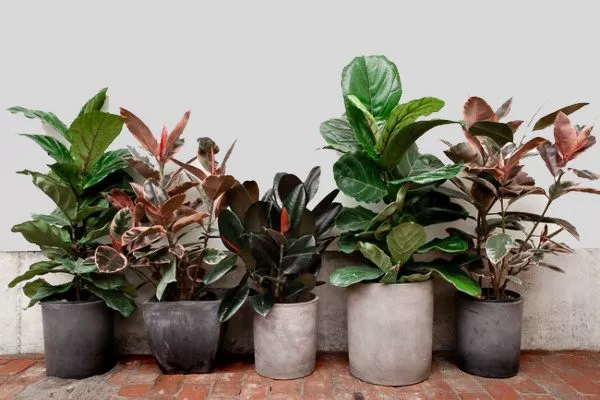
The ficus is an attractive plant, loved not only by gardeners but also by breeders. Nature has provided scientists with abundant material for bringing a wide variety of daring experiments to life. Explore popular ficus species and the varieties developed from them.
Ficus benjamina
Ficus benjamina is an exotic indoor ficus characterized by a luxurious crown and a flexible trunk, allowing for intertwining of plants, adding even more beauty. The plant is covered with small leaves. Depending on the variety, the foliage can vary in shape and color.
There are quite a few varieties of Benjamin:
- Ficus Daniel (Ficus Benjamina "Danielle"). This beautiful indoor tree boasts glossy, dark green foliage.
This variety is characterized by rapid development and vigorous growth. In just one year, the ficus can grow 50 cm. Daniel is a ficus that is undemanding in terms of light, tolerating partial shade well.

- Ficus Monique (Ficus benjamina "Monique"). The plant is characterized by drooping, thin shoots, but this is more of an advantage than a disadvantage. The tree's lush, uniform green strands, beautifully wavy at the edges, make it even more attractive.
Hybrid varieties with spotted leaves are also common. If the plant doesn't receive enough sunlight, the shoots will become very elongated and the color will fade.
- Ficus Natasha (Ficus BenjaminNatasja»). A small plant with small, green leaves. A slow-growing variety that eventually expands into a beautiful tree reaching 1 m in height.
According to popular belief, the Natasha ficus brings understanding to the family. As the plant grows taller, its trunk becomes bare.
- Ficus Kinky (Ficus benjamina 'Kinky'). A dwarf variety that starts out as a neat bush and matures into a dwarf tree. Regular pruning is required to maintain its decorative appearance.
The plant is covered with small, up to 4 cm long, glossy leaves with a creamy border along the edges. The foliage is light green.
- Ficus Baroque (Ficus benjamina 'Barok'). This plant has a rather interesting and memorable appearance: the tree is covered with dark-hued, twisted leaves. The plant is characterized by a lack of branches, looks attractive indoors, and requires little care.
- Ficus Golden King (Ficus BenjaminGolden King»). A distinctive feature of this ficus variety is the unique shape of its branches and crown. They intertwine, arching, transforming the small tree into a slender plant.
The plant is covered in variegated leaves, strikingly colored by the jagged yellow edges. The Golden King ficus requires good light and high humidity.
- Ficus De Dumbbell (Ficus Benjamina "de Gantel"). This plant requires quite a bit of care, but has become very popular among gardeners due to its decorative qualities. The foliage is white, with slight green flecks visible on the surface.
- Ficus Curly (Ficus Benjamina 'Curly'). The plant is famous for its unique coloring: variegated leaves with white spots of varying sizes, scattered randomly across a dark green field.
On some leaves, the spots resemble a scattering of tiny specks, while on other shoots they look like small puddles. This unique plant requires plenty of light, warmth, and humidity.
- Ficus Twilight (Ficus Benjamina "Twilight"). This cultivar is characterized by leaves that vary in shape, size, and color. A single specimen may have leaves that are round, irregular, or elongated. On average, the leaves range from 4-5 cm to 8 cm in length. The leaf margins are always white.
The ficus tree has a dark trunk, but as it matures, its lower part may become lighter. Completely white leaves may appear on the ficus tree, but this requires bright light.
- Ficus Liana (Ficus Benjamina 'Liana'). A beautiful tree that reaches a fairly large size. The shoots are covered with numerous small leaves, colored emerald.
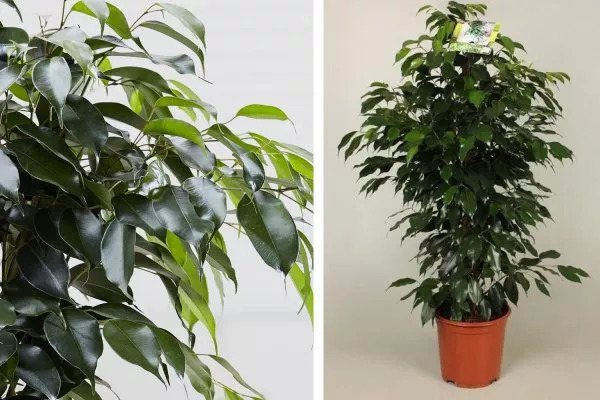
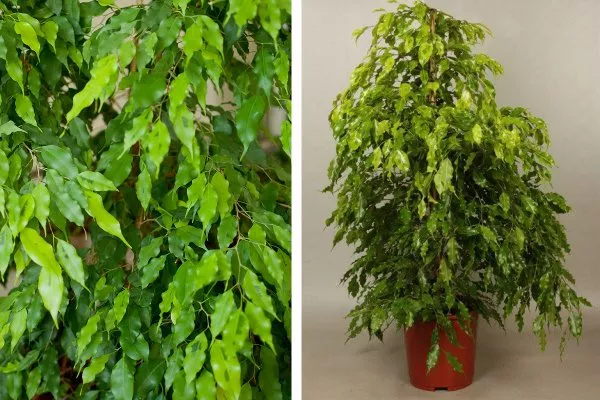
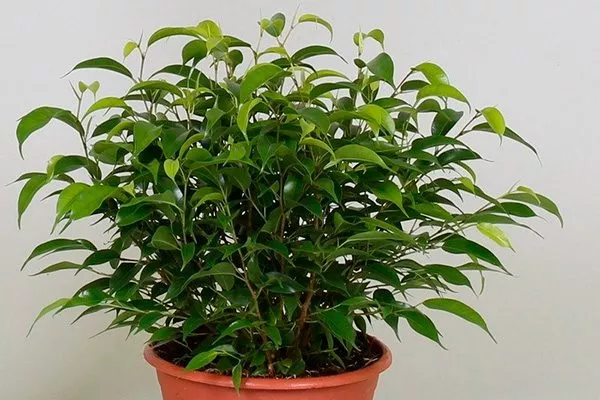
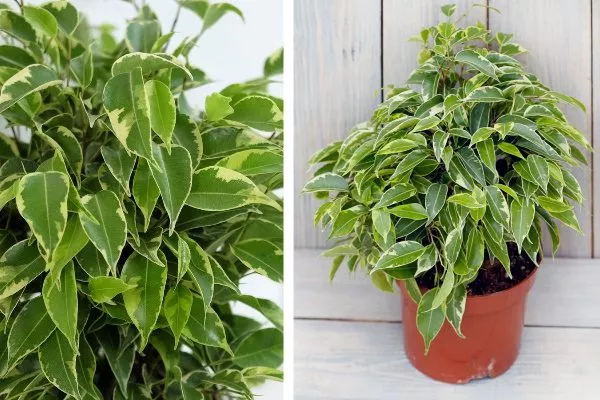
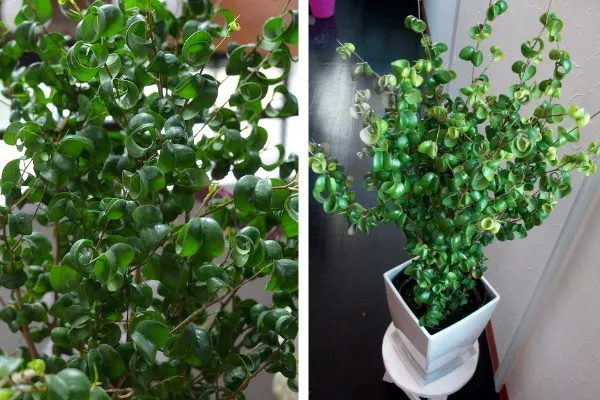
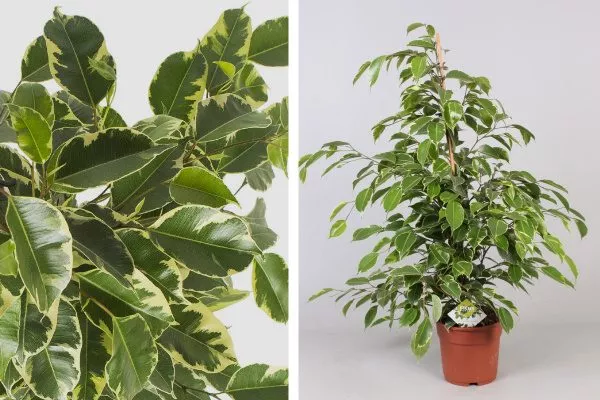
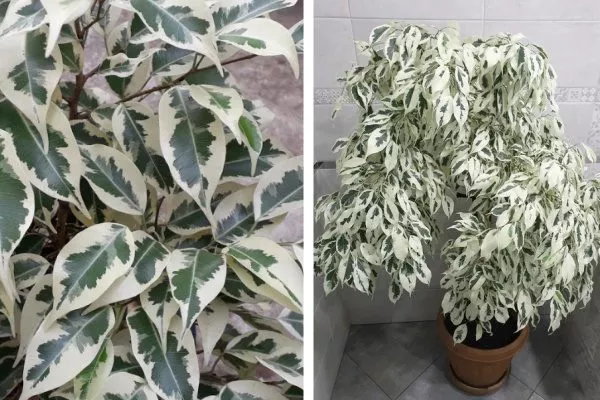
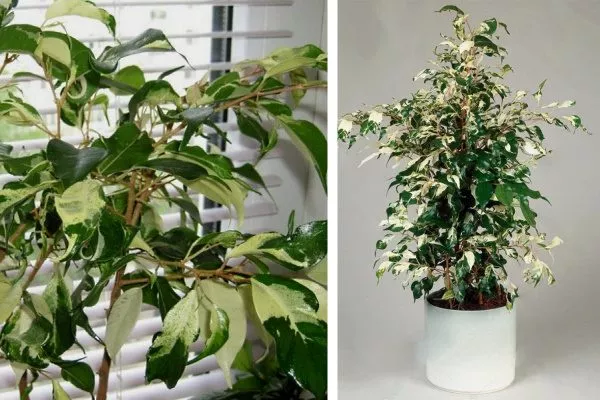
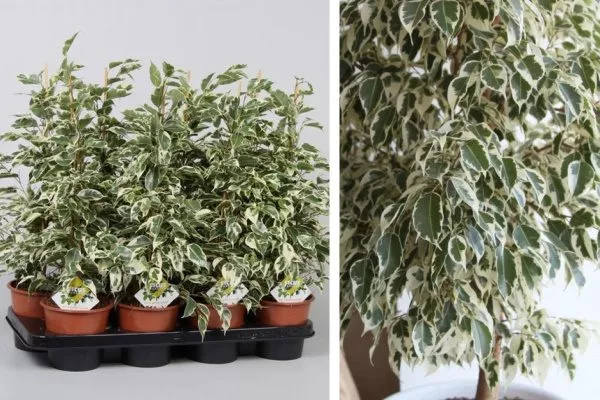
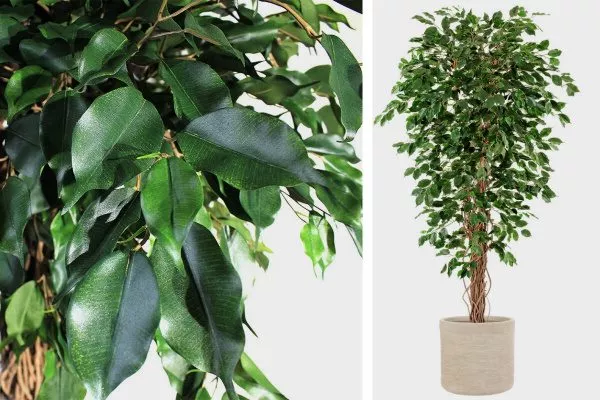
Ficus benjamina is a light-loving plant that prefers fresh air, moderate watering and frequent misting. The plant doesn't like being moved around the room, so it's best to provide it with a permanent location.
- ✓ Optimum temperature for growth: 18-24°C, minimum permissible temperature not lower than 16°C.
- ✓ High humidity, at least 50%, is required to maintain healthy leaves.
Rubber-bearing
The rubber plant (also known as the ficus elastica) is considered the second most popular plant species. It grows as a small tree or shrub. It is characterized by thin, woody shoots.
The rubber plant has the following popular varieties:
- Ficus Robusta (Ficus elastica 'Robusta'). This is an upright plant that can reach a tremendous height of up to 3-5 m without pruning. The plant's leaves are large, reaching 20-25 cm in length and 15 cm in width.
The leaves are oval in shape with a ribbed surface, dark green on top and lighter in color underneath.
- Ficus Tineke (Ficus elastica 'Tineke'). Ficus tineke grows in the Indian tropics, where it reaches gigantic proportions. The plant has fairly long and wide oval leaves with a pointed tip. The leaf blades reach up to 25 cm in length and 15 cm in width.
The smooth leaves are green with light green or pinkish veins and a light edge. This creates a natural pattern of white, cream, or green. Ficus prefers full sun, but direct sunlight is not recommended in summer.
- Ficus Melanie (Ficus elastica «Melany»). The ficus is smaller than its relatives. Its leaves, 15 cm long, are leathery and dark green with a reddish tint. The internodes are only 2 cm high. The ficus branches well, making it an attractive ornamental plant.
Typically, the plant does not bloom indoors, but with age it produces syconiums—small, inedible fruiting nuts. Ficus Melanie does not like excessive watering.
- Ficus Black Prince (Ficus elastica "Black Prince"). A popular indoor ficus with a distinctive appearance. The plant grows in India, Indonesia, and West Africa. It can reach up to 40 meters in height in the wild.
The leaves and shoots of the indoor ficus are very dark, almost black. The leaf blades reach 15-25 cm in length, are rounded, and change color throughout the day.
- Ficus Shriveriana (Ficus elastica "Schrijveriana"). The plant has simple, alternate leaves with a pointed tip. The blade length reaches approximately 25 cm and the width is 18 cm.
The foliage is smooth and leathery, with smooth edges and irregular marbled patterns in shades of green, light green, yellow, and cream. The stem of the ficus is green, with internodes up to 3.5 cm high.
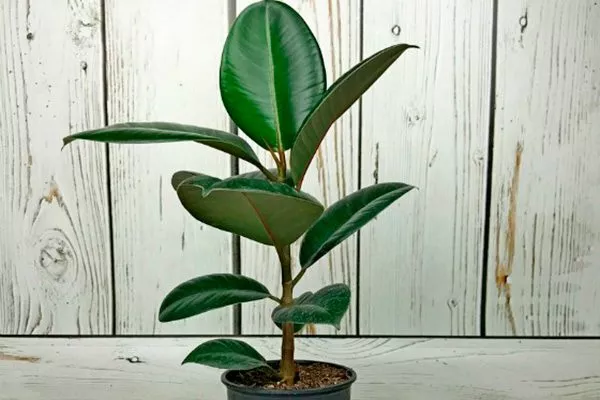
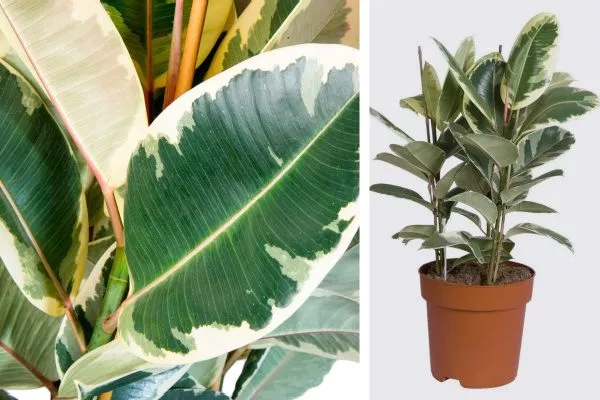
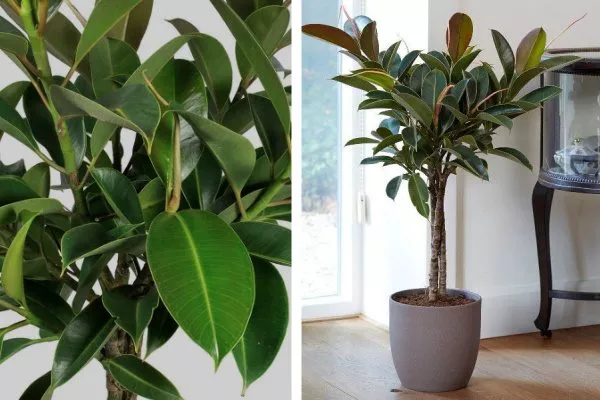
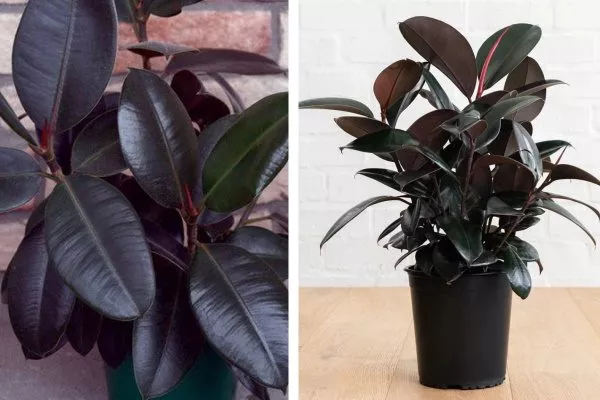
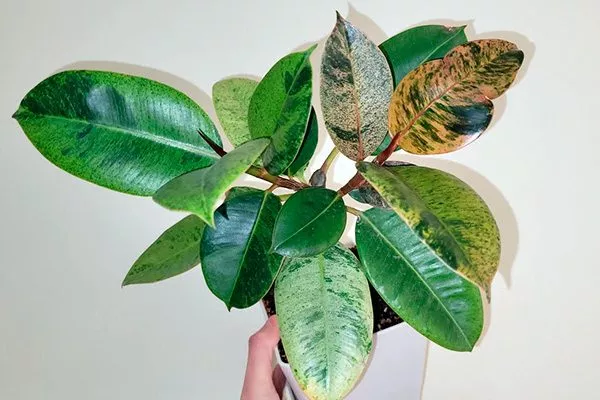
The rubber plant has beautiful, large, oval-shaped foliage. The shape and color of the foliage vary depending on the variety. To ensure proper growth, the plant requires misting, crown shaping, and wiping the foliage with a damp cloth to add shine. regular transplantation in large pots.
Lyre-shaped
The lyrata ficus (also known as the fig tree) is characterized by its small size and relatively thick trunk. The plant is covered with very large green leaves. The leaves are oval in shape, with a wavy edge and textured surface, widening toward the tip.
Native to tropical regions of Central and West Africa, this plant grows to enormous sizes. It is distinguished by its large, violin- or lyre-shaped leaves, approximately 50 cm long and wide.
Ficus lyrata has several popular varieties:
- Ficus Bambino (Ficus Lyrata "Bambino"). The foliage is colored in various shades of green due to the wavy edges. The interior coloration borders on green and olive green.
Adapted to home conditions, the Ficus Bambino is characterized as a dwarf species with a bushy form and leaves 15 cm long, growing no more than 50 cm in height.
- Ficus Columnaris (Ficus Lyrata "Columnaris"). The cultivar's distinctive feature is its woody appearance with a compact crown. The leaves are small, yet reach up to 30 cm in length. A mature plant can grow up to 1.5 m in height.
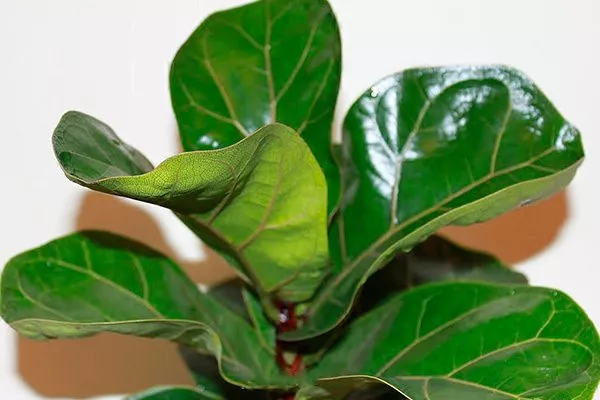
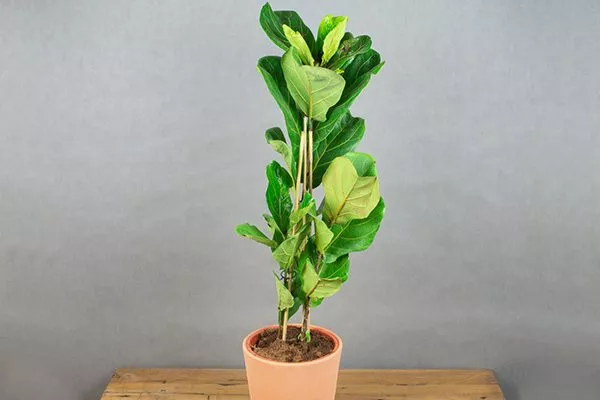
The trunks of the fig tree can be intertwined. The plant requires warmth and regular wiping of the leaves with a damp cloth.
Ficus microcarpa
Ficus microcarpa is a plant that produces aerial roots. While it bears fruit in the wild, it rarely flowers indoors.
Ficus microcarpa has several popular varieties:
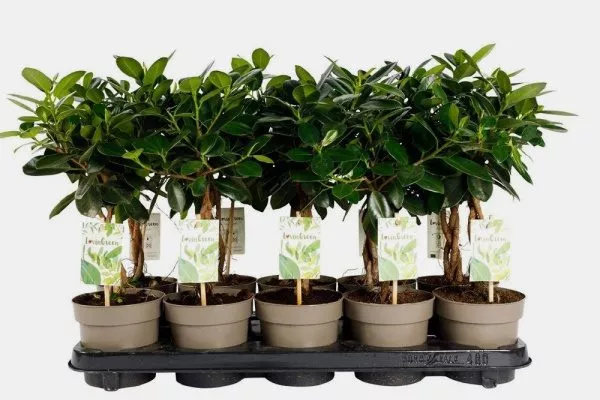
- Ficus Ginseng (Ficus microcarpa "Ginseng"). This plant grows quite compact indoors. It has a thick trunk and a lush crown, and is capable of forming aerial roots. It's an excellent choice for bonsai.
The Ficus Ginseng is covered with small, dark green leaves. The plant requires pruning and crown shaping, as well as warmth and indirect light.
- Ficus Moklame (Ficus microcarpa "Moclame"). A mature tree in the wild can reach up to 25 m, but indoors it doesn't exceed 1.5 m. The ficus has numerous aerial roots and bright green, elliptical leaves. The leaves have a glossy surface.
Caring for the Moklame ficus is easy. It's an easy-to-care-for plant that doesn't require any special conditions.
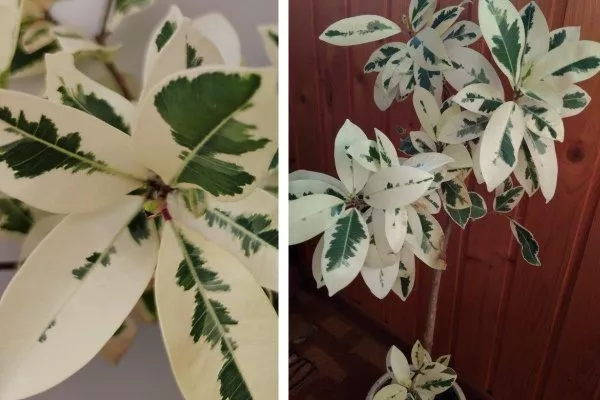
- Ficus Albomarginata (Ficus microcarpa Albomarginata). The plant grows into a lush tree, never exceeding 1.5 meters in height when grown indoors. Regular pruning will control growth and create a compact shape. In the wild, Albomarginata can reach up to 25 meters.
The ficus has a unique root system structure and development—over time, some of the roots emerge above the soil, taking on an interesting shape. The plant has smooth, elliptical leaves with a slightly pointed tip. The leaves are almost white, with a whimsical green pattern.
- Ficus Mayan (Ficus microcarpa 'Maya'). The plant grows as a small tree, reaching no more than 1.5 m indoors. The plant is covered with thick leaves that have an interesting configuration: deltoid-shaped blades with a rounded apex and tapering at the base.
The leaves are dark green. The plant is easy to care for, but requires pruning, repotting, and fertilization.
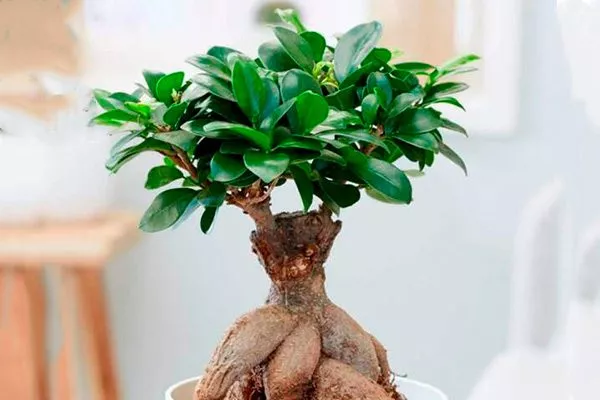
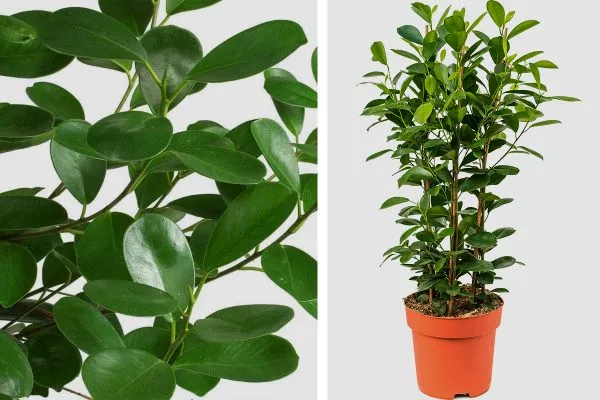
- ✓ High air humidity and regular spraying are necessary for the formation of aerial roots.
- ✓ Requires bright but diffused light to maintain the decorative appearance of the leaves.
Ficus binnendickii
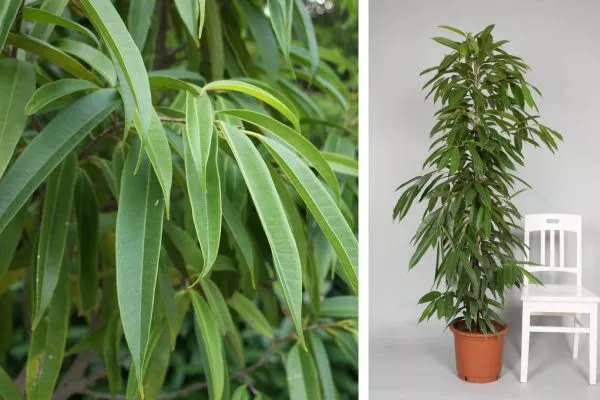
The Ficus binnendijkii grows as a small tree with slender, intertwined trunks. This variety is renowned for its unique leaf shape. Its leaves are similar in appearance to those of a willow, but they are thicker and shorter, yet elongated, with a sword-shaped configuration.
The ficus develops a lush crown, giving the plant a palm-like appearance. It thrives in shade and doesn't require frequent watering, though daily misting is necessary.
Bengal
Ficus benghalensis is a plant characterized by numerous adventitious roots that grow downward and take root, covering the central trunk. The plant is covered with leaves that are rounded at the base and sometimes slightly pointed at the tip.
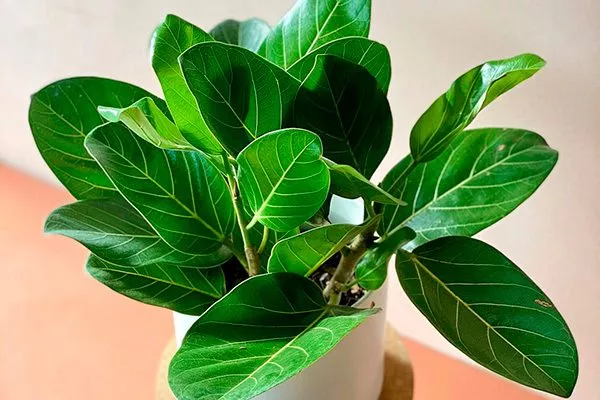
The oval-shaped leaves with prominent veins are green. This plant requires crown shaping and should be grown in a large pot. Otherwise, it's easy to care for.
Dwarf
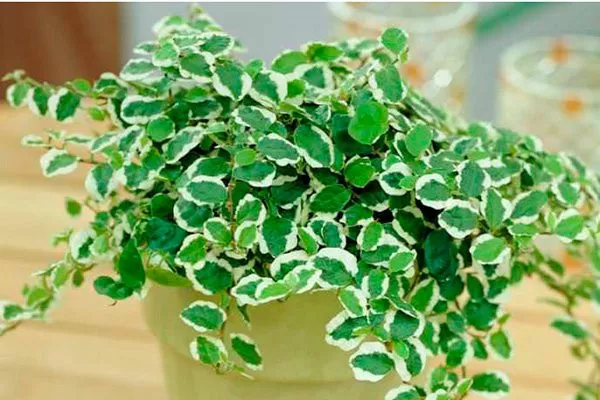
The dwarf ficus (also known as ficus pumila) is distinguished by its long shoots and abundant fruiting—green, spherical berries. This trailing plant takes root easily. The tree is covered with variegated green and white leaves of round or heart-shaped configurations.
Gardeners single out the most popular ficus, Ficus Pumila White Sunny. This unique ornamental plant grows to a fairly large size with lush foliage. The tree has slender stems with roots running along their entire length. The plant is covered with long leaves about 23-30 cm long.
The leaf blades are oval in shape, but become large and elongated as they mature. An interesting pattern emerges on the surface: a wide white border appears on the green surface.
Large-leaved
The large-leaved ficus (Ficus macrophylla) is characterized by a rich green trunk when young and dark brown when mature. This plant is popular with many gardeners who enjoy decorating their spaces with evergreens.
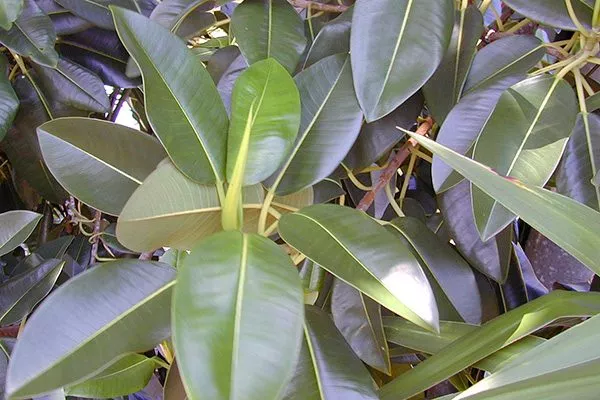
In addition, ficus can absorb formaldehyde, ammonia, benzene, and other hazardous substances. In the wild, the plant can reach up to 60 m in height, but indoors it grows no more than 3 m. Regular pruning helps control its height.
Rusty-leaved
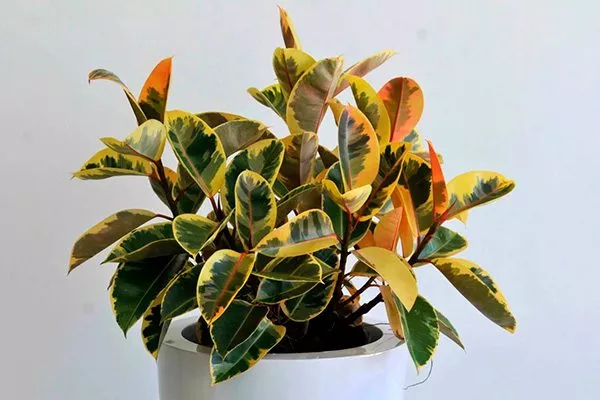
The rusty-leaved or rusty-red fig (Ficus rubiginosa) grows up to 15 m in arid climates and up to 30 m in humid areas. Indoors, the plant's height usually does not exceed 1 m. The tree is covered with leaves reaching 8-15 cm in length and about 6 cm in width.
The leaves are leathery, a rich, dark emerald hue, but the undersides are covered with a brownish-red (rusty) felt-like pubescence. This decorative effect is typical of the leaves of mature plants. When young, newly unfurled leaves have a completely bare and smooth surface on both sides.
Sacred
A distinctive characteristic of the sacred fig (Ficus religiosa) from other species is that this tree, native to India, can reach very large sizes—up to 30 m. Indoors, it doesn't exceed 3 m. This vigorous plant is often used for interior decoration. There are no popular varieties in decorative floristry.
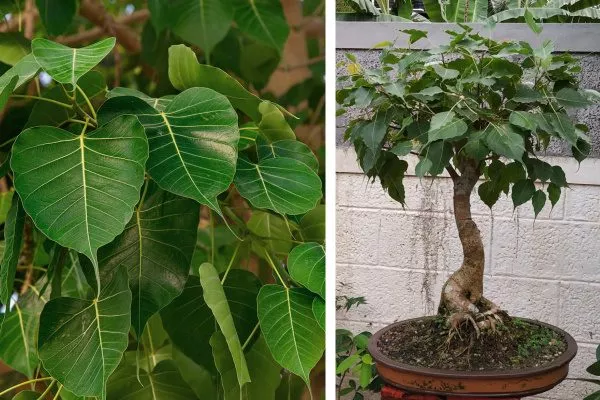
Ficus leaves have a unique shape and a smooth surface. The blades reach approximately 8-12 cm in length in young specimens and approximately 20 cm in mature specimens. The leaves are pale red in color, but eventually turn green.
It is believed that in ancient times, these very same mighty trees were planted near Buddhist temples. According to ancient legend, Prince Siddhartha Gautama once rested under such a tree and experienced an epiphany, after which he began calling himself Buddha and preaching Buddhism.
Politics
Ficus polita is a plant native to lowland tropical and gallery forests in western and central Africa. It is also found in coastal and dry forests along the eastern and southern coasts of Africa. This plant can grow up to 1,200 meters in height. It is also common on the island of Madagascar.
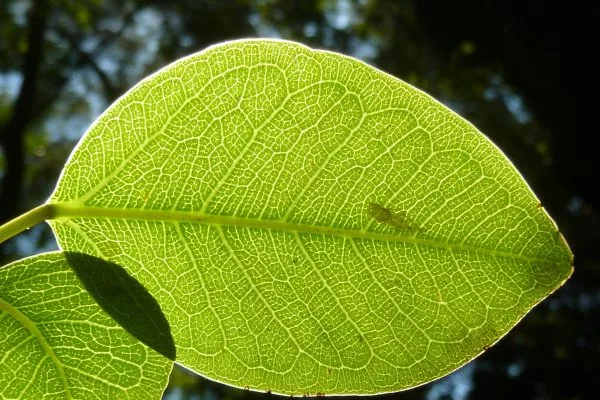
Polita is a ficus similar to the Pondolandic fig. The green foliage is quite large, with entire margins and often heart-shaped, with a pointed tip.
Retusa
Ficus retusa is a plant native to tropical regions of Asia and Australia. It is characterized by flexible, smooth stems and dense, tough-skinned foliage. When grown indoors, the ficus tree grows to a height of no more than 70 cm.
The culture has several popular varieties with characteristic differences and features:
- Nitida Hawaii. The Hawaiian variety is attractive for its decorative qualities: vibrant, variegated coloring. A single leaf features light and dark green areas.
- Mutabilis. A variegated form of the plant. The plant is covered with leaves that can be yellow, lacking green pigment. Typically, some leaves are located at the base of the crown.
- American. The foliage grows unevenly, covering the tree's trunk with dark green, glossy leaves. Young ficus trees have interestingly colored foliage, with a light green center.
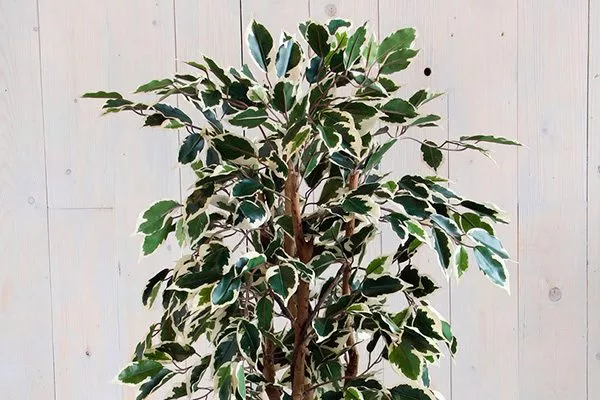
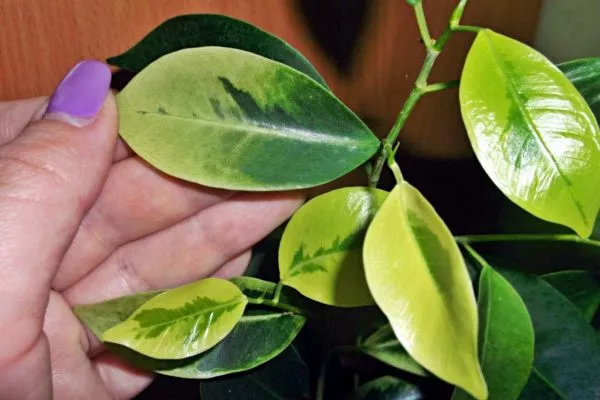
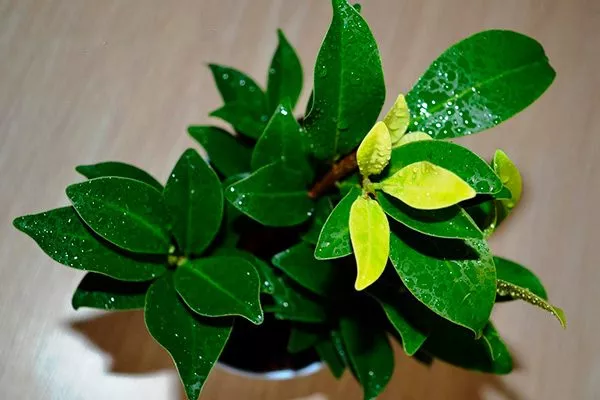
Ficus retusa is covered with oval leaves with pointed tips and slightly blunted edges. The ficus is characterized by numerous shoots. It can be grown as a bonsai.
Karika
Ficus carica (also known as the fig tree) has gained popularity due to its tasty, healthy fruit with an interesting flavor. Furthermore, the plant tends to shed its leaves after fruiting. It is grown indoors in regions where climate conditions permit.
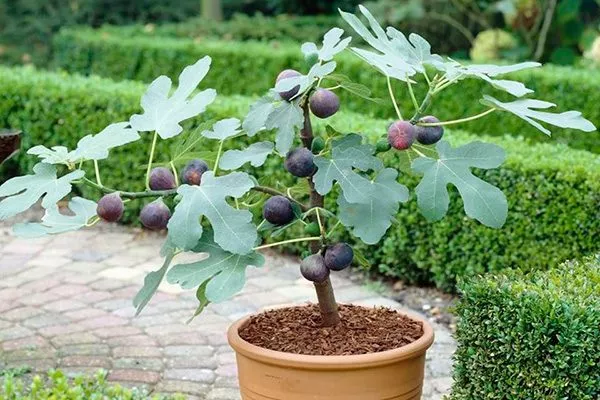
The ficus tree is characterized by a branched crown and beautiful, varied leaves. In the wild, it can grow up to 12 meters tall, while indoors, dwarf varieties that don't exceed 2 meters are planted. This tree-like plant has large, palmately lobed or dissected leaf blades.
Today, there are a huge number of ficus species and varieties suitable for indoor cultivation. Many gardeners and breeders dream of cultivars with attractive and unusual leaf colors.
Good afternoon. To the author. Ficus Polita—"The plant can grow up to 1200 meters in height."—where did you learn that? 1200 meters is more than 1 km, please clarify. Wikipedia says that in Madagascar these ficuses grow at an altitude of 1200 meters, but not in height.