
Variegated ficuses attract attention with their unusual, variegated foliage and decorative qualities, making them a true gem in any houseplant collection. White, cream, or yellow leaf areas lend the plant a special charm, but also make it more demanding in terms of care.
What is variegation?
Variegation is the presence of light-colored (white, cream, yellow, or pink) areas alongside green on leaves and shoots. It occurs due to the absence or deficiency of chlorophyll in individual tissue cells.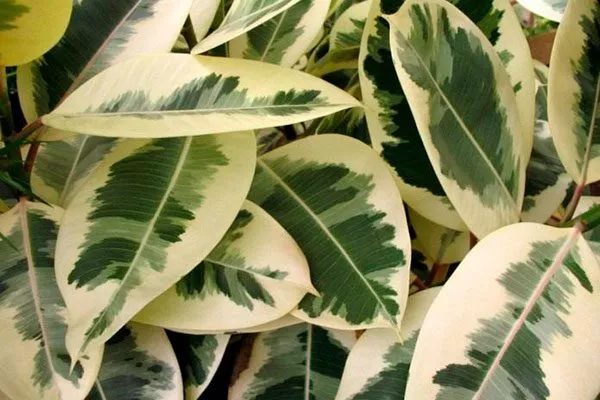
The main features of variegation:
- Color patterns. May have spots, stripes, borders or marbled patterns.
- Cause. Most often it is a genetic mutation, less often it is the result of viral infections or unstable cellular changes.
- Physiology. Variegated areas do not participate in photosynthesis, so such plants grow more slowly and require more attention and care.
- Decorativeness Variegated forms are prized by collectors for their unusual appearance and are often more expensive than regular green ones.
To clearly see these differences, let's look at the main comparison criteria:
| Criterion | Variegated varieties | Common species |
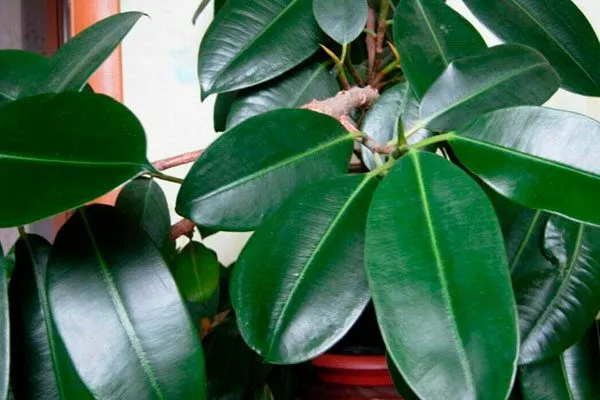
| Appearance | Variegated leaves with white, cream, yellow or pink patterns make each leaf unique.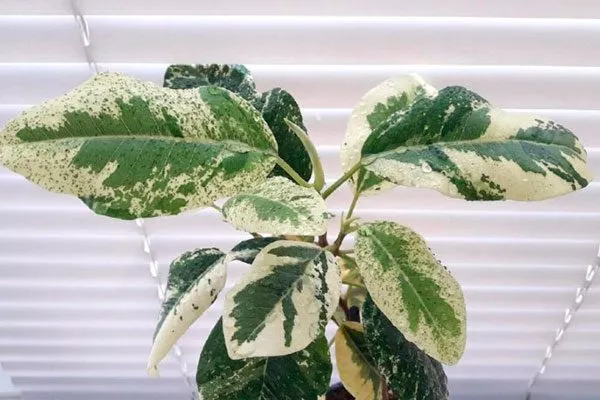 | Solid green leaves, strict classic look.
|
|
Lighting | They require bright, diffused light; in the shade they lose their variegation. | They tolerate partial shade better and retain their color. |
| Sustainability | More sensitive to drying out, drafts, and lack of nutrition. | More resilient and unpretentious. |
| Decorative value | Rare and collectible forms are more expensive. | More common and accessible. |
| Rate of recovery | It takes longer to recover from stress. | They recover quickly and adapt more easily. |
Features of caring for variegated ficus
Variegated ficus trees require more careful attention than their green relatives. Due to their lower chlorophyll content, they grow more slowly, are more sensitive to low light, and are less tolerant of adverse conditions.
To preserve the vibrant color of the leaves and maintain the health of the plant, it is important to consider several specific care rules.
Lighting
Lighting plays a key role in variegated ficus plants, as it is essential for maintaining the variegated leaf color. Light areas lack chlorophyll and do not participate in photosynthesis, so the plant requires more energy from the green areas of the leaf.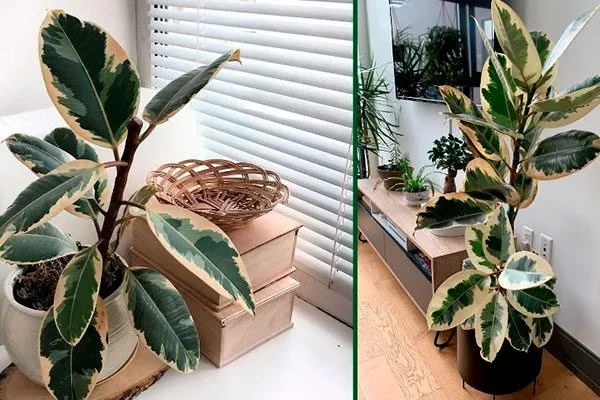
Basic requirements:
- Bright, filtered light is ideal. The best location for these ficuses is on an east- or west-facing window. On south-facing windows, they should be shaded with a light curtain to prevent sunburn.
- Insufficient light causes the leaves to gradually turn green, and the decorative variegation is lost. If kept in the shade for long periods, the plant becomes elongated, weak, and less attractive.
- In winter, variegated varieties require additional illumination with phytolamps, especially if they are located far from windows. Without this, leaves may lose color, and growth may almost stop.
- Direct sun is undesirable, as the bright midday rays cause burns on the light areas of the leaves, which are most vulnerable.
Varieties require more light than regular green forms, but it is important that the lighting is soft and even.
Temperature and humidity
Variegated ficus are more sensitive to temperature fluctuations and drafts than green varieties. Maintain suitable conditions:
- The optimal temperature range in summer is 22°C to 26°C. In winter, temperatures should not fall below 16°C to 18°C, otherwise growth slows and leaves may fall.
- Sudden temperature fluctuations or cold drafts can cause stress and loss of variegation. Leaving the plant near open windows in winter or under air conditioning in summer is especially dangerous.
- Because variegated leaves have more light-colored areas, they dry out more quickly and become vulnerable. Therefore, maintain humidity at 50-60%.
- In dry rooms, it's helpful to regularly spray the leaves with warm, settled water or wipe them with a damp sponge. This not only increases humidity but also removes dust from the leaves.
- In winter, when the heating is on, place a humidifier or containers of water nearby.
Watering and fertilizing
Water ornamental plants especially carefully, as they are more sensitive to both over-drying and over-watering.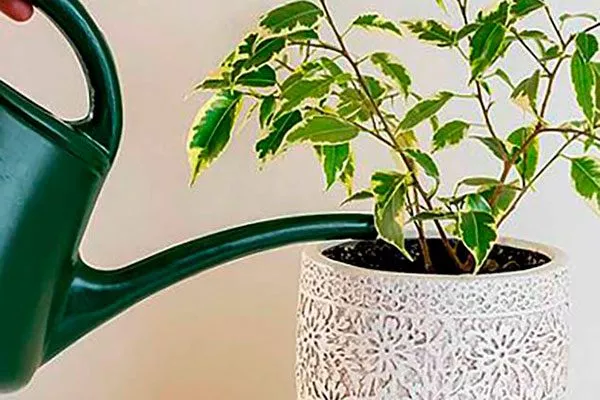
Watering recommendations:
- Regularity. In summer, water the ficus approximately 1-2 times a week, focusing on when the top 2-3 cm of soil dries out. In winter, reduce the frequency of watering, but do not allow the soil to dry out completely.
- Water. Use only soft, settled, and slightly warm water (around 22°C). Watering with cold water can cause stress and leaf drop.
- Way. It is best to pour water along the edge of the pot or into a tray so that the moisture is evenly distributed and does not stagnate at the roots.
Excess moisture leads to root rot and the appearance of dark spots on the leaves, while a lack of moisture leads to drying out of the tips and leaf fall.
Since variegated ficus grow more slowly and receive less energy due to a lack of chlorophyll, they require regular feeding, but in moderate doses.
Tips for applying fertilizers:
- In spring and summer (the active growth period), fertilize your ficus every two weeks. Use a comprehensive fertilizer for ornamental foliage plants containing nitrogen, phosphorus, and potassium.

- In autumn and winter, reduce fertilizing to once a month or stop completely if growth has stopped.
- Alternate organic fertilizers (vermicompost infusion, humates) with mineral ones – this will improve absorption and reduce the risk of overfeeding.

Diseases and pests
Variegated ficus are more vulnerable to adverse conditions than green varieties. Therefore, if care is improper, they quickly develop diseases:
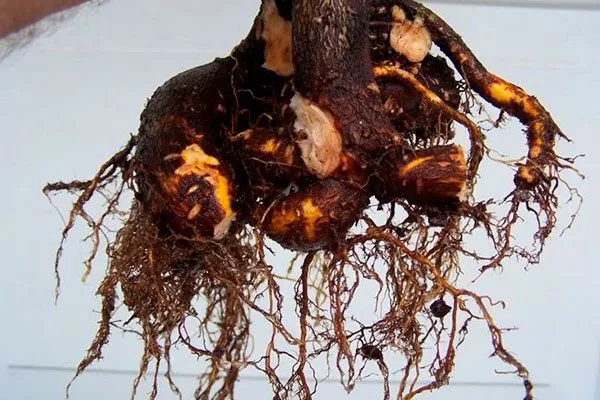
- Root rot. This occurs due to overwatering. Leaves turn yellow, fall off, and the stem loses its elasticity. To solve this problem, repot immediately, remove damaged roots, and treat with a fungicide.
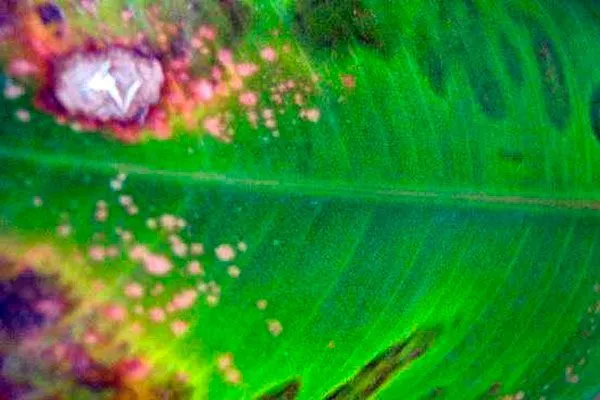
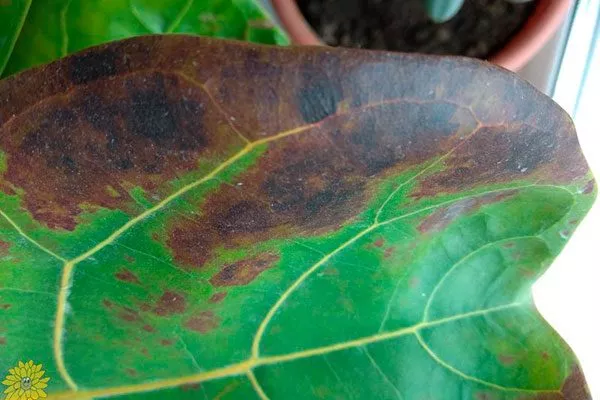
- Gray rot. Brown spots with a gray coating appear on the leaves. This most often occurs in conditions of excess moisture and poor ventilation.
- Leaf spots (fusarium, anthracnose, etc.). They appear as yellow or brown spots that gradually expand. The cause is fungal infections introduced through soil or water.
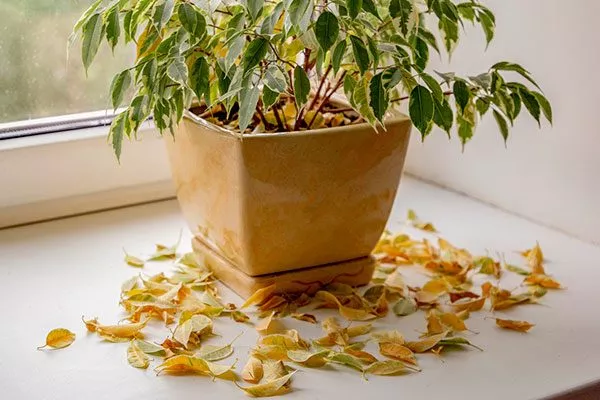
- Falling leaves. It can be either a physiological reaction to dryness or cold, or a consequence of fungal diseases.
Due to the more delicate structure of the leaves, variegated ficuses often become a target for insects:
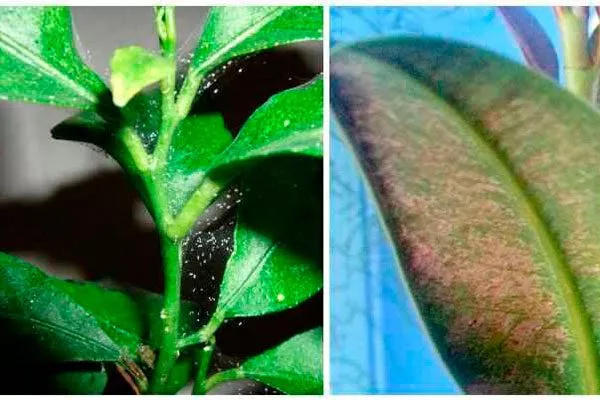
- Spider mite. It leaves a fine web, the leaves become covered with small, light-colored spots, and gradually dry out. It's especially common in dry air.
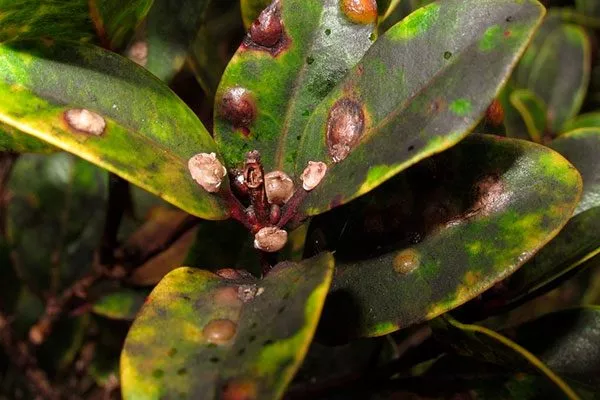
- Scale insect. It appears as small brown plaques on leaves and stems, sucking out juices and weakening the plant.
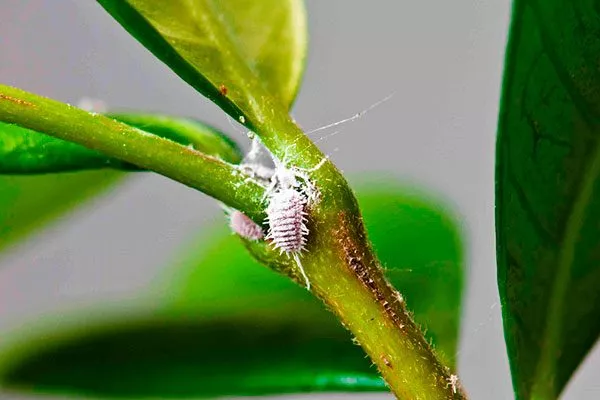
- Mealybug. A white, cottony coating on the petioles and leaf axils. It spreads quickly and can kill the ficus.
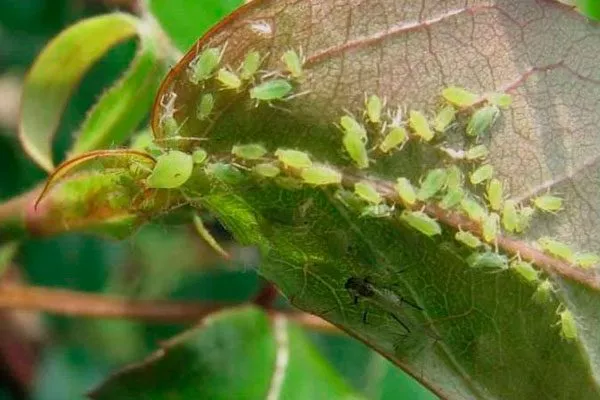
- Aphid. It accumulates on young shoots, causing curling and deformation of leaves.
Prevention and control measures:
- regularly inspect the leaves on both sides and the stems;
- maintain optimal conditions (light, watering, humidity) so that the plant does not weaken;
- At the first sign of pests, wash the leaves with a soap solution or wipe them with an alcohol solution.
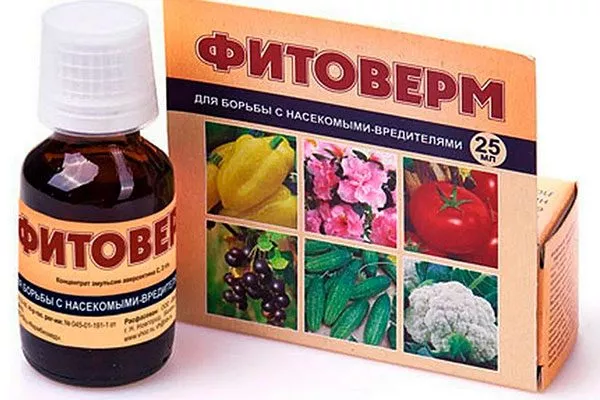
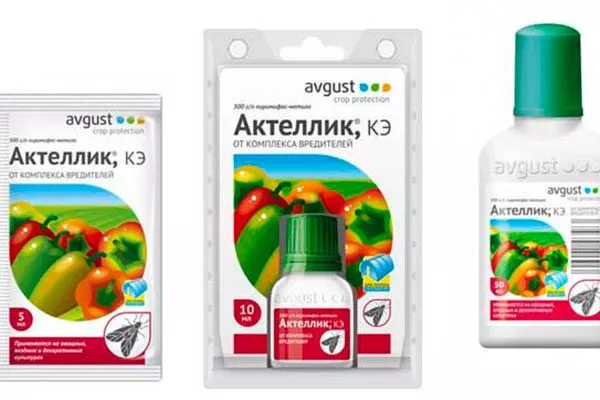
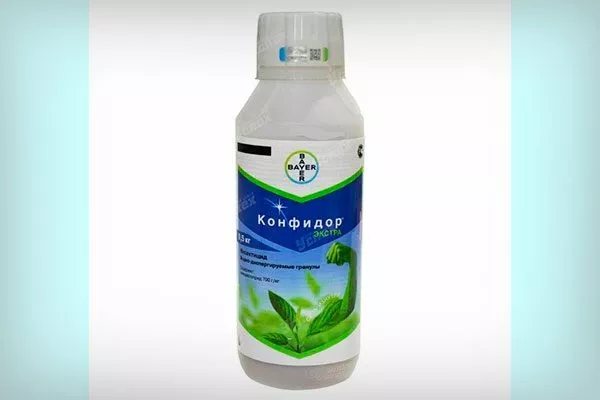
For severe infestations, use insecticides and acaricides:
- Fitoverm;
- Actellic;
- Confidor.
To prevent fungal diseases, it is useful to treat the soil and leaves with biofungicides – Fitosporin or Trichodermin.
Transplantation and propagation
Variegated ficus trees require regular repotting, but this must be done very carefully to avoid damaging the roots and maintain the decorative appearance of the foliage. Repot in the spring, before active growth begins, every 1-2 years for young plants, and every 3-4 years for mature specimens.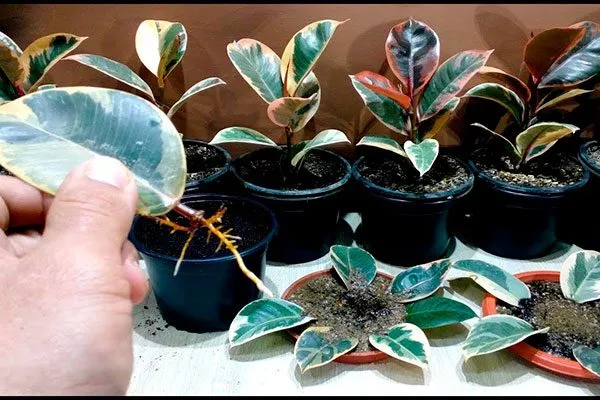
Follow the rules:
- Choose a pot 2-3 cm larger in diameter than the previous one, with drainage holes to prevent water stagnation.
- For this project, you'll need a light, nutritious, well-drained soil mixture. Suitable soil is suitable for ornamental foliage plants, with the addition of perlite or sand to improve aeration.
- When repotting, carefully remove the plant, inspect the roots, and remove any rotted or dry areas. Place the ficus in the new pot, cover with fresh soil, and compact it lightly. After this, do not water for 1-2 days to allow the roots to adjust.
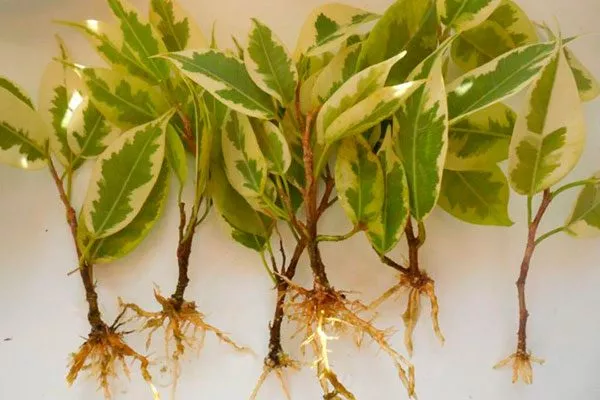
Variegated ficuses are propagated mainly by cuttings to preserve the variegated color of the leaves, since the seed method can produce offspring with a loss of variegation.
Reproduction methods:
- Stem cuttings. Take cuttings with 2-3 leaves, preferably from a young shoot. Treat the lower cut with a rooting stimulant. Plant in a light substrate (peat and sand) and cover with plastic wrap to create a mini greenhouse. Keep in a warm, bright spot away from direct sunlight. Water moderately.
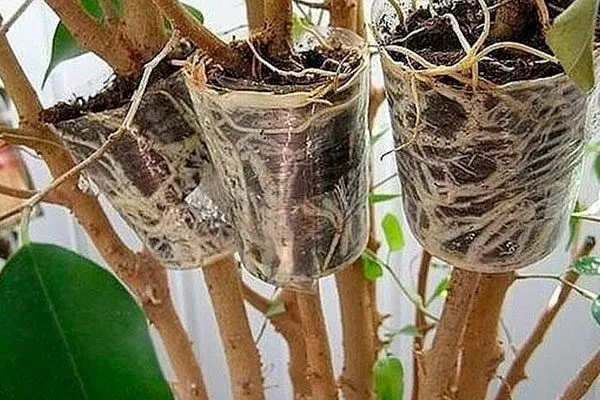
- Air layering. This method is used for large bushes. Make a cut in the branch, sprinkle it with root stimulant, and wrap it in damp moss and plastic wrap. After a few weeks, roots will appear, after which separate the cutting and plant it in a separate pot.
Description of popular variegated varieties
Variegated ficuses attract attention with their unusual coloring and decorative foliage. Each variety has its own distinctive leaf pattern, bush shape, and care requirements, making them attractive to collectors and houseplant enthusiasts.
Monique (Monnique)
Characterized by its white-and-green leaf pattern and compact bush size, this ficus grows slowly, making it ideal for small spaces or office interiors. Even young plants of this variety look impressive thanks to its variegated foliage.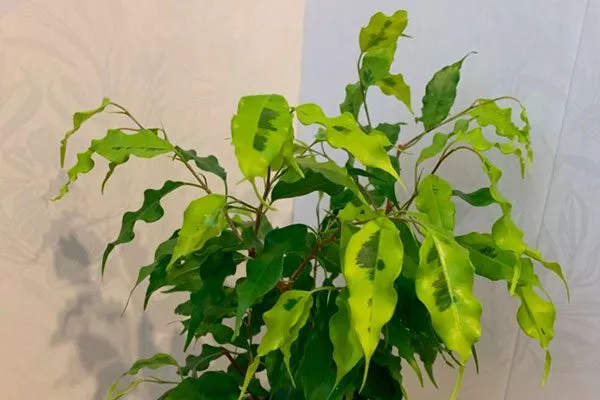
The white areas on the leaves give the plant a particularly decorative appearance, but it requires careful care: the plant requires bright, diffused light, moderate watering, and regular fertilizing with complex fertilizers.
Variegata (Variegata)
It has green leaves with white stripes that can run along the edges or center of the leaf. The bush is medium-sized, forming a dense crown with large, decorative leaves.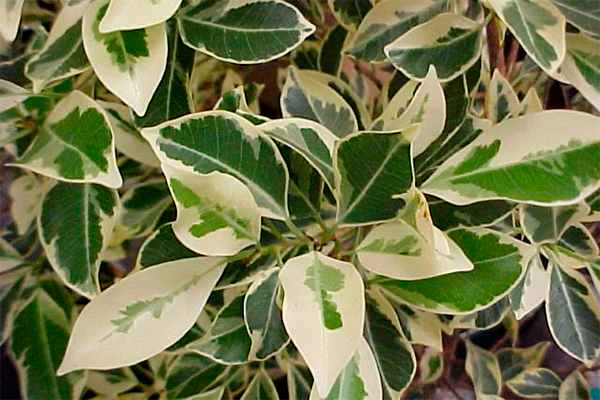
This plant is particularly attractive due to the contrast of white and green areas on its leaves. To maintain its vibrant color, it requires a bright location, loose, nutritious soil, and careful watering, as excess moisture or drying out can weaken the plant.
Starlight
It features a distinctive white border along the leaf edges and a green center, creating a shimmering effect. This medium-sized bush with elongated leaves looks very decorative even with a small crown.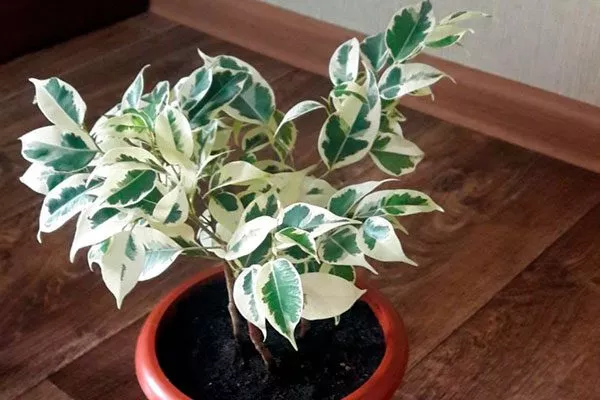
Starlight requires bright, indirect light, regular moderate watering, and high humidity to ensure the leaves maintain rich colors and a healthy appearance.
Other rare and ornamental varieties
Rare and decorative ficus varieties are particularly popular among collectors. They are distinguished by their unusual leaf patterns and striking coloring:
- Ficus elastica Tineke. A rubber plant with a wide green stripe down the center of the leaf and creamy-white edges. The leaves are large and glossy, with a distinct variegated border. This variety has a compact crown, making it ideal for decorative interior arrangements.
- Ficus benjamina Starlight. A medium-sized bush with elongated leaves whose green centers are surrounded by a wide white border. The "glow" effect makes the leaves very decorative, even on a small plant.
The plant requires bright, filtered light and moderate humidity to maintain the brightness of its color. - Ficus benjamina Exotica. A rare variety with green leaves scattered with cream and beige spots, sometimes with a slight pink tint. The leaves are medium-sized, and the bush is medium-sized. Prized for its unique pattern, which makes the plant a unique addition to any collection.
- Ficus benjamina Starlight Marble. A marbled variegated form with a white and green pattern reminiscent of marble. The leaves have a slightly glossy surface and an unusual texture, and the bush grows moderately, forming a dense crown.
This variety requires careful care, especially in terms of light and watering, to preserve its unique pattern. - Ficus benjamina Singapore. An ornamental variety with a bright green center and large cream-colored spots across the entire leaf surface. The bush is medium-sized, with wide, dense leaves. This ficus is especially striking when combined with other variegated plants, creating contrast and a decorative accent.
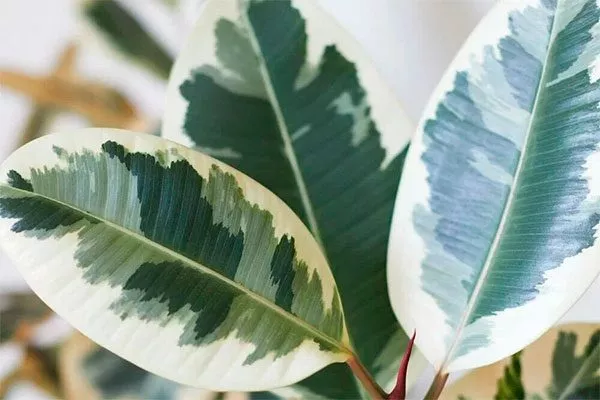
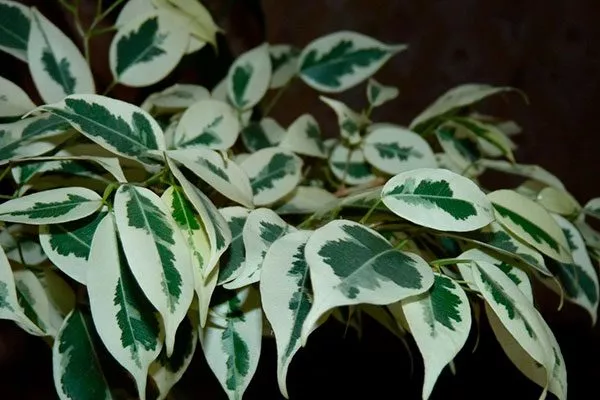
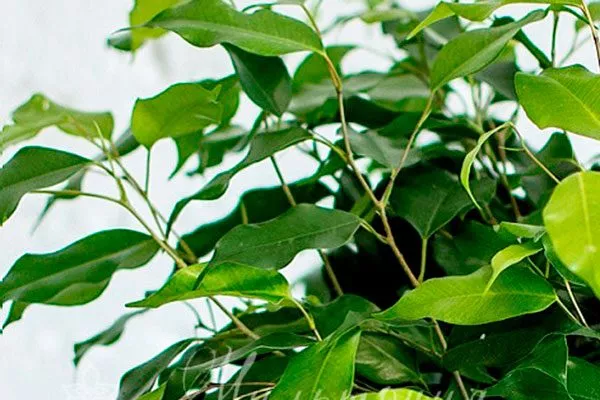
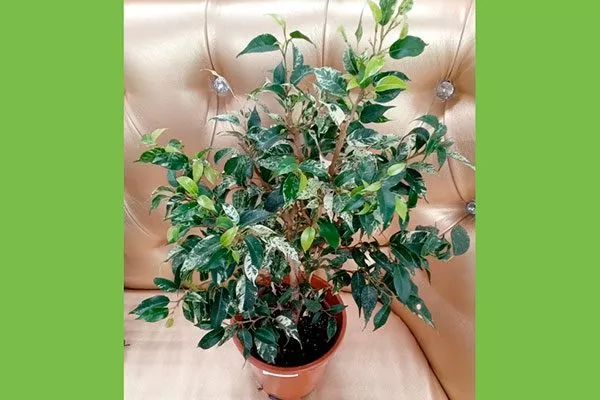
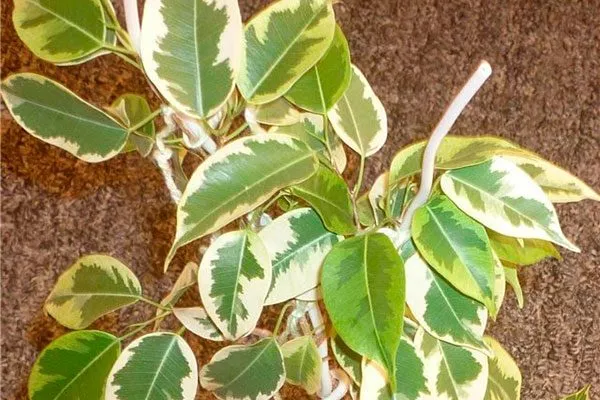
The varieties are valued for their unusual coloring and the uniqueness of each leaf, as the pattern is never completely repeated.
Difficulties in growing variegated ficus
Variegated ficus trees require extra attention and care—proper cultivation practices help maintain their decorative beauty and health. Any care errors can lead to a deterioration in their characteristics.
Slow growth
One of the characteristic features of variegated ficus is their slow growth. The white, cream, and yellow areas of the leaves lack chlorophyll, which reduces the plant's overall photosynthetic activity. As a result, the bush receives less energy for the formation of new shoots and leaves.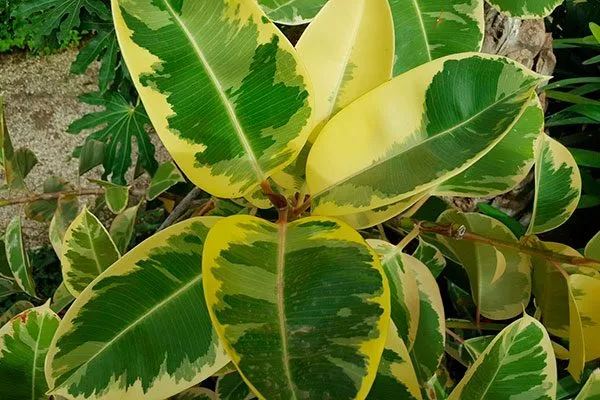
Slow growth is especially noticeable in young plants and varieties with lots of sun. Insufficient light, low temperatures, or dry air exacerbate the slowdown, while overfertilization can even weaken the plant, causing root burn.
To minimize growth retardation, it is important to create optimal conditions:
- provide bright, diffused light;
- maintain stable temperature and humidity;
- water moderately and feed properly.
Sometimes it is useful to carefully thin out the crown, removing weak shoots so that the plant directs its energy to new leaves and branches.
Sensitivity to temperature and light
Variegated ficus are much more demanding in terms of light and temperature than green varieties. The lighter areas of the leaves do not participate in photosynthesis, so the plant requires more energy to grow normally and maintain its decorative color.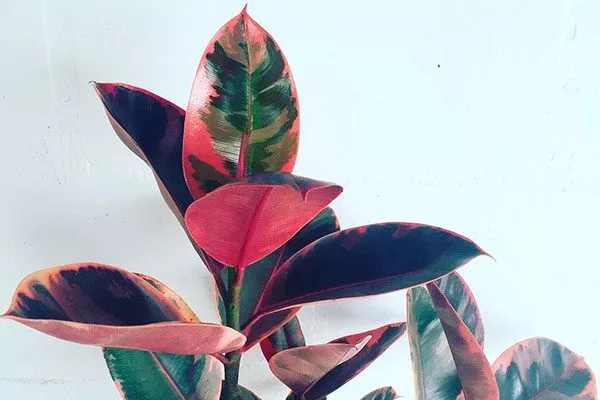
Key Features:
- Lack of light causes light areas to turn pale and green, leaves to stretch out and lose their contrasting pattern.
- Direct sunlight is also dangerous: intense rays cause burns on the light parts of the leaves, which can dry out and fall off.
- The best option is bright, diffused light, such as an east- or west-facing window with a light curtain. During winter, additional illumination with phytolamps is helpful.
- Temperature is no less critical: in summer, the comfortable zone is +22…+26°C, in winter – no lower than +16…+18°C. Sudden fluctuations or drafts cause stress, slowed growth, leaf drop, and loss of decorative appeal.
Susceptibility to pest infestation
Due to the more delicate structure of their leaves and lighter areas, variegated ficuses are more vulnerable to insect attacks. They lack protective substances and become easy prey for pests.
The tendency to damage increases when care conditions are violated:
- lack of light;
- overdried or excessively humid air;
- weak or waterlogged substrate.
Tips and recommendations
To ensure that your variegated ficus enjoys healthy, variegated foliage, it's important to create optimal conditions for it and carefully monitor its condition.
Practical tips for improving living conditions:
- Place the plant in a location with good, but not excessive, light to prevent leaf burn. Provide shade if necessary.
- Use phytolamps in winter if natural light is insufficient.
- Maintain a stable temperature and humidity. Avoid placing the plant near heating devices or in drafts.
- Water regularly but moderately to keep the soil slightly moist, avoiding waterlogging at the roots.
Life hacks for maintaining vibrant leaf patterns:
- Alternate organic and mineral fertilizers to ensure the plant receives all the necessary nutrients.
- Inspect leaves regularly to detect pests and diseases in a timely manner.
- Remove old or damaged leaves and thin out the crown so that light reaches all areas evenly.
- Avoid abruptly moving the ficus to a new location and change the lighting gradually so that the plant adapts without stress.
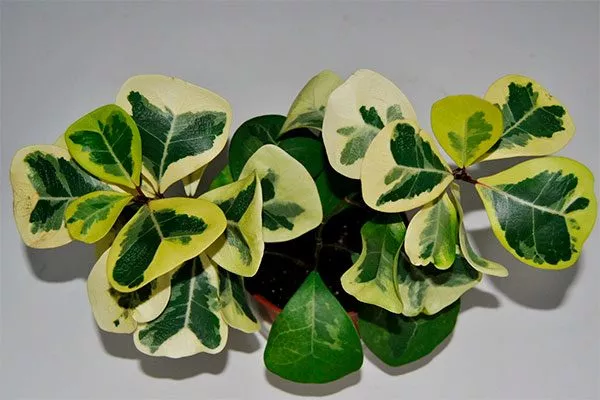
Variegated ficus are amazing plants that can become a vibrant accent in any interior. Their variegated foliage requires standard gardening practices. Following simple care guidelines will not only keep the plant healthy but also maintain its vibrant color for years to come.