
Ficus is a heat-loving houseplant that struggles in cold weather, so it's important to follow special winter growing guidelines. During this period, the plant should enter a dormant state to fully rest and prepare for the growing season. It's also crucial to properly prepare the plant for winter and then for spring.
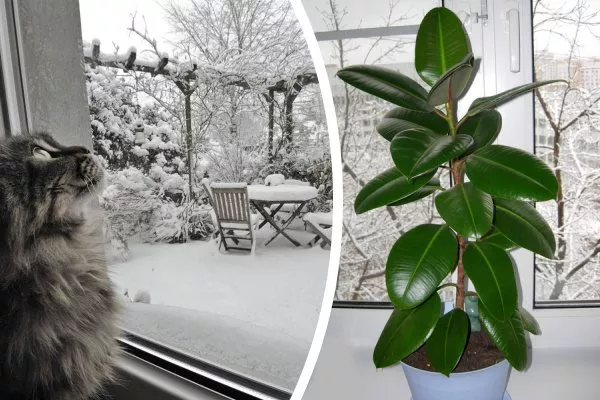
Why is winter care for ficus different from summer care?
Summer is the peak of the growing season, when the ficus is in its active phase—growing foliage, developing its root system, and flowering. During this period, the plant expends a lot of energy and absorbs a fair amount of nutrients, so it requires extra attention.
But in winter, the plant rests; on the contrary, it gains strength and expends nutrients. Therefore, during the cold season, the flower should be left alone and given the opportunity to survive, not continue to grow.
Features of winter care
During the winter, it's important to pay attention to the main negative factor: cold and low humidity due to hot radiators. It's also important to consider watering, lighting, and the location for overwintering the ficus.
How to water in winter?
After a cold snap, you need to water your figs much less frequently than at other times of the year. However, there's a catch: if your apartment is very hot, water accordingly. To avoid making a mistake, follow this rule: as soon as the substrate surface dries out (not just starts to dry out, but forms a crust), it's a sign that it needs water.
- ✓ The water temperature should be 2-3°C higher than room temperature to prevent stress on the root system.
- ✓ Using melt water requires preliminary settling for 24 hours to remove possible contaminants.

Be sure to follow these guidelines, especially if the room is cool:
- The water temperature should be slightly warmer than room temperature. Avoid watering with cold or icy water. Otherwise, the root system will experience severe stress, leading to disease. The best approach is as follows:
- fill 2-liter bottles with water;
- place them near heating batteries;
- unscrew the lids to allow the chlorine to evaporate;
- keep it like this for 2-3 days.
- Water quality – boiled water should not be used for watering, as it is considered "dead." Heat treatment destroys all the beneficial nutrients. In winter, melted snow is the best choice. To do this, collect snow in a large container and let it thaw naturally (without boiling or heating). Let it sit for 24 hours, then strain it to remove any remaining dust or dirt.
Experts do not recommend using snow taken near the road, as it contains many harmful elements. - If you have an aquarium at home, you can use this water when changing it. It contains the maximum amount of organic matter, which will support the health of the ficus during dormancy.
- Watering is reduced starting in October-November; this is a kind of preparatory procedure.
- The room temperature is of great importance: if it is between 15 and 20 degrees, watering is carried out once every 10-12 days; from 20 to 23 degrees – once every 7-8 days; over 24 degrees – every 3-4 days with mandatory spraying.
Watering in winter is carried out in different ways:
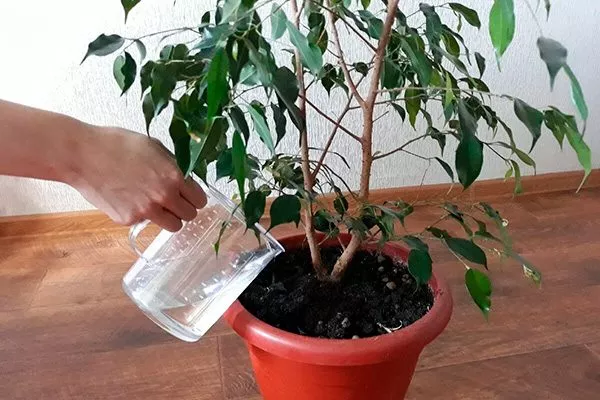
- superficially – you need to add liquid directly into the substrate from a watering can, and if water leaks into the tray, then drain it;

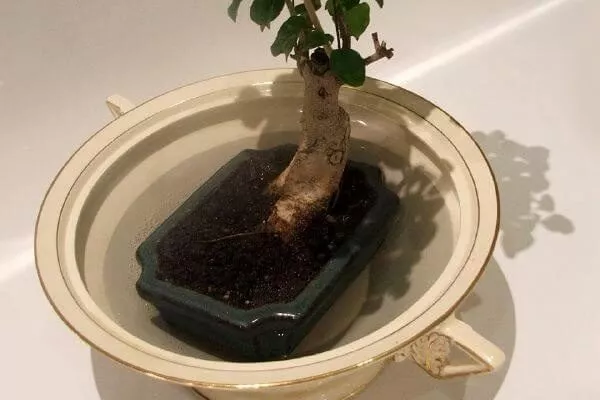
- immersion – water is poured into a basin, a pot is placed in it and additional water is poured from above, and then the water is allowed to drain.
Do I need to feed it?
Fertilizing ficuses in winter is not recommended, as it can lead to unexpected and unpleasant consequences. For example, dark spots may form on the foliage. During dormancy, the plant becomes unable to absorb nutrients due to a lack of natural light and warmth.
Fertilizing will trigger growth, which, due to negative factors, leads to thinning of the stems. Furthermore, the plant undergoes self-renewal during winter—it may shed its leaves to grow new, younger, and stronger ones in the spring.
There are times when fertilizing a ficus is absolutely necessary—for example, after an illness in the fall, etc. In these situations, it's best to use folk remedies rather than store-bought medications:
- sweet solution - 40 g of sugar per 1 liter of water;
- sprinkle the soil with fruit and vegetable peelings;
- pour coffee grounds or tea leaves over it;
- Make a solution of 1 liter of water, 25 g of onion peel - boil for 20 minutes, leave for 3 hours.
But most often, regular wood ash is used. Dissolve 1 tablespoon of crushed charcoal in 1 liter of water and let it sit for a week. You can occasionally sprinkle dry ash on the substrate.

Choosing a location
In winter, the plant especially needs plenty of light, so it's best to leave it on the windowsill, but improve the conditions there by protecting it from the cold. Avoid placing it in drafty areas. If there's nowhere to move it, temporarily move the pot to a protected area when opening the windows.
Necessary lighting
The optimal daylight hours for ficuses are 10-12 hours, but this is impossible to achieve naturally in winter. This is especially true in November and December, when daylight hours are at their shortest. Insufficient light can be easily detected by the leaves losing their glossy shine and becoming covered in light or yellowish streaks.
- ✓ Loss of glossy shine on leaves and the appearance of light or yellow streaks.
- ✓ Elongation of internodes and thinning of shoots.
To prevent this or to improve the situation, use artificial lighting. Cultivated or fluorescent lamps are excellent for this purpose. LED lights are also a good option – they use minimal electricity and produce no harmful radiation.
Temperature
A warm apartment in winter is good for people, but not for flowers, which need rest. Too high a temperature promotes growth, which is undesirable during the winter. Similarly, too low a temperature is unacceptable, as it can lead to freezing and subsequent death of the plant.
It's important to maintain a specific temperature regime. This largely depends on the species and variety of ficus, but there are some general parameters: a minimum of 15 to 17 degrees Celsius, and a maximum of 20 to 22 degrees Celsius.
Humidity
Humidity levels drop in winter. This is due to heat from radiators and other heating equipment. Ficus plants should maintain humidity levels around 60% throughout the year. If the humidity drops below this level, the plant's leaves curl, dry out, and suddenly fall off.
Transplantation and propagation
Propagation and replanting are done in the spring or summer, as the ficus is dormant in winter. Of course, you can transplant a bush, but then the growing season will be disrupted, which can lead to a decrease in immunity.
Why do leaves fall in winter?
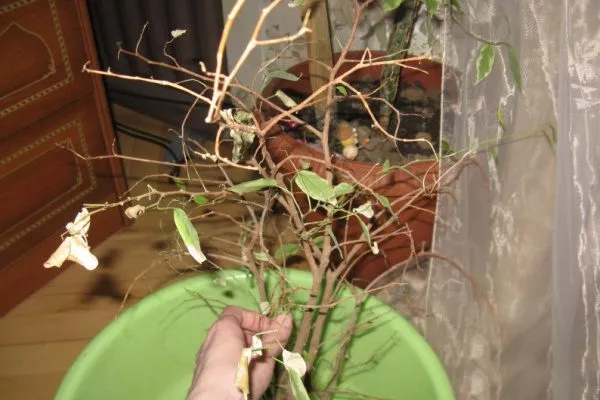
During the dormant period, the ficus tree becomes dormant, the air becomes drier, and the temperature drops. To save energy, the ficus begins to shed excess foliage, which is normal. Most often, the plant recovers on its own in the spring, but it's best to prevent this.
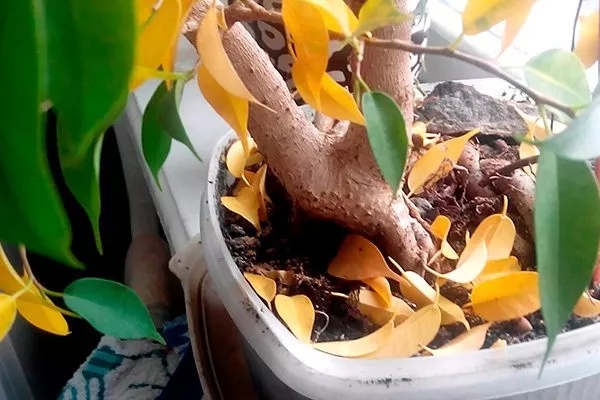
What can be done:
- normalize the watering regime;
- set the room temperature to between +15 and +20 degrees;
- do not disturb the flower unnecessarily;
- eliminate drafts and exposure to cold;
- increase air humidity.
Sometimes the cause lies in the presence of diseases, pests, or appears when the soil is over-watered.
Is it possible to prune Ficus benjamina in winter?
During the cold season, it's best to avoid pruning the ficus benjamina. However, it's important to remember that pruning is done during periods of active growth. The first wave occurs from mid- to late February through March. Therefore, pruning can begin in late winter.
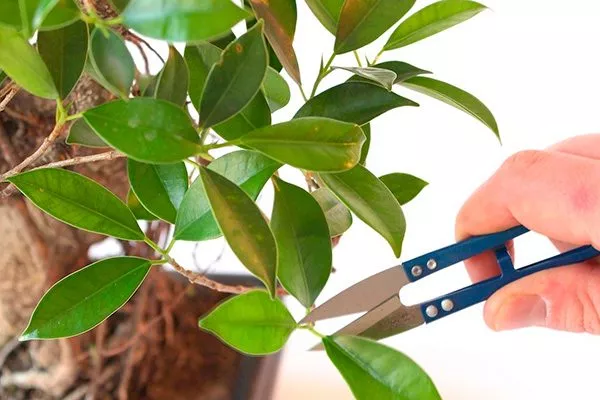
The growth wave ends in November, so touching the plant in December is prohibited. However, it's important to perform sanitary pruning in November to help the ficus survive the winter more easily.
Many experts say that pruning Ficus benjamina is acceptable even in winter. However, this depends on the conditions it's exposed to:
- if the temperature is around 17-19 degrees, any manipulation is prohibited;
- when the temperature is above 20 degrees, and there is growth, you can pinch and shape the bush;
- If the wintering is warm, but there is no growth, do not touch the flower;
- When the temperature is normal, but the flower is shedding its leaves, be sure to carry out resuscitation pruning.
Rejuvenating the bush is completely contraindicated.
The difference in care between Ficus benjamina and rubber plant
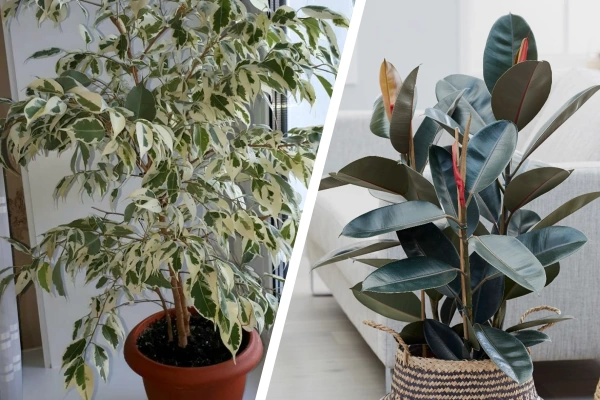
There's no significant difference in winter care between these two most popular ficus species for indoor gardening. However, it's important to note that the Benjamina ficus requires more light in winter than the rubber plant, so:
- Place your Ficus benjamina exclusively on a windowsill (except for variegated varieties). Be sure to provide artificial light for 12-14 hours a day.
- Remove the rubber plant from the windowsill and place it on a table near the window (but away from drafts). Because the leaves are large, the plant loses a lot of moisture, so be sure to wipe them with a damp cloth and mist them daily.
How to combat the cold on a windowsill?
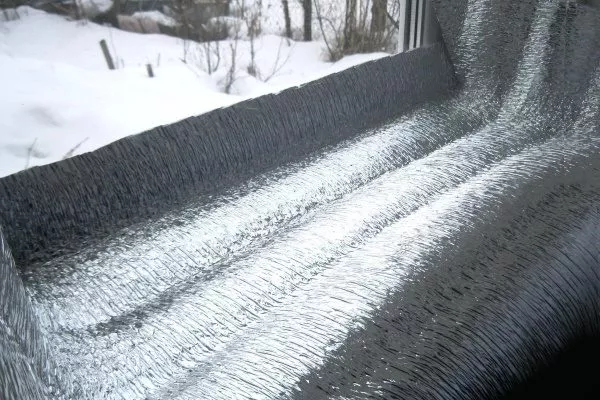
Gardeners often leave ficus plants on windowsills to overwinter. There are many reasons for this—they need natural light, there's no other place to put them, etc. In this case, it's important to protect the plant from the cold. Here are some ways to do this:
- Move the pot away from the glass so that no part of the green mass touches it. The optimal distance is 10 cm.
- Cold also comes from the windowsill or floor itself. If the surfaces are cool, the potting soil will be the same, or even cooler, as water is added periodically, instantly cooling and retaining the coolness. The best solution is to place a substrate under the pot. It should transfer and retain heat. Suitable options:
- felt fabric folded in several layers;
- foam plastic 10-15 cm thick;
- mineral wool and other insulation materials.
- Cold also penetrates the walls of the pot, especially if it's made of clay or ceramic. Therefore, it's important to protect the plant from all sides. To do this, wrap the pot in one of the following materials:
- woolen sock;
- knitted scarf or hat with a slit;
- a thick layer of newspaper;
- felt;
- any heat-insulating material.
What should I do if the radiators are hot?
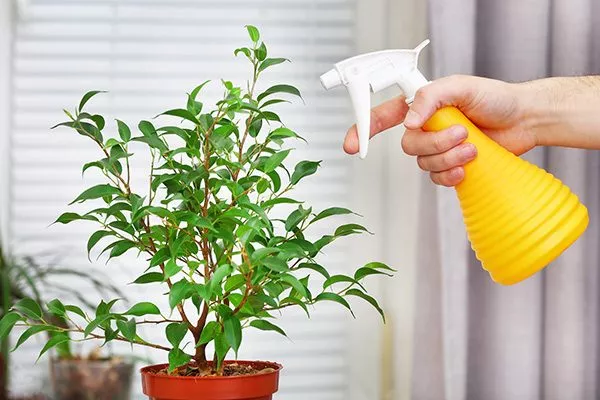
Excessive heat from radiators dries the air too much, which negatively impacts ficus plants, which lose viability at humidity levels below 50%. If removing the pot from the windowsill isn't possible, there are a few tricks you can try. Experienced ficus growers recommend increasing humidity and saving the plant if the leaves have already begun to curl:
- Cover the heating radiator with a damp towel, moisten it as it dries;
- Place containers of water around the pot; they should have wide necks (a bottle will not work);
- Buy a portable humidifier – it will help not only plants, but also people maintain a balance between dryness and humidity, which is beneficial for health;
- spray the leaves daily;
- Wipe the green mass with a damp cloth twice a day;
- Place a wide pot filled with wet moss nearby, which should be moistened as it dries out;
- Spray the inside of a plastic bag with water and place it on the crown of the flower – moisten it periodically;
- install a designer mini fountain;
- To keep the towel on the radiator always damp, dip its edges into a basin of water;
- buy an unusual humidifier - in the shape of animals, a flower pot, etc., the product is hung on the radiator, and water is poured inside (alternatively, cut off the top of a tin can and hang it);
- Place a piece of foam on the edge of the window sill to prevent air from the radiator from reaching the window (an alternative is a transparent polycarbonate sheet).
How to prepare a flower for spring awakening?
To help your ficus recover quickly from hibernation and adapt to spring conditions, do the following:
- start moisturizing more frequently from mid-February;
- carry out sanitary pruning at the beginning of March or at the end of winter;
- apply nitrogen fertilizers;
- transplant into a larger pot in March.
Pest control
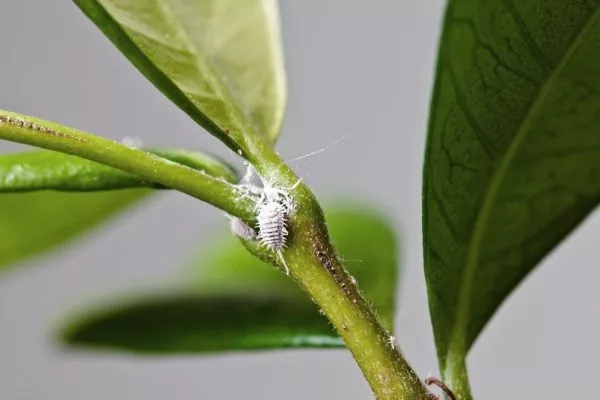
Winter is the most common time for pests to appear. Ficus plants are often infested with aphids, spider mites, and scale insects. This is due to the dry air, which is ideal for these insects. Fungal diseases also develop in the cold.
To prevent this, follow the basic winter care guidelines for your specific species and variety, and inspect the plant regularly. If you spot a pest or disease, take immediate action. Use fungicides to treat diseases, and insecticides to control pests.
Helpful Tips
There aren't many subtleties or nuances to winter care for indoor ficus plants. They're all simple. Additionally, gardeners recommend the following:
- once a week, turn the pots clockwise by 1/4 - this way, even in winter, the plant will not become crooked;
- water only when it is really necessary - excess moisture in the substrate is detrimental to the ficus;
- If the leaves fall slowly in winter, this is normal, but if they fall suddenly and heavily, inspect the flower and adjust the watering and lighting regime;
- If the flower is very sick, repot it, but in this case you will need not only a new substrate, but also a pot. A mandatory condition is to thoroughly wash the roots with warm, settled water.
For a ficus to survive the winter properly, there aren't many requirements: reduce the frequency of watering, artificially increase daylight hours, and avoid pruning, shaping, and fertilizing. But the most important thing is to insulate the pot if it's left on the windowsill, for which there are several good and free methods. Maintaining normal air humidity is also crucial.