
Flowering ficus trees can enhance the interior of any room, but sometimes achieving regular blooms can be challenging. Below, we'll look at several effective ways to stimulate ficus budding, including creating the right microclimate, repotting, and ensuring a dormant period.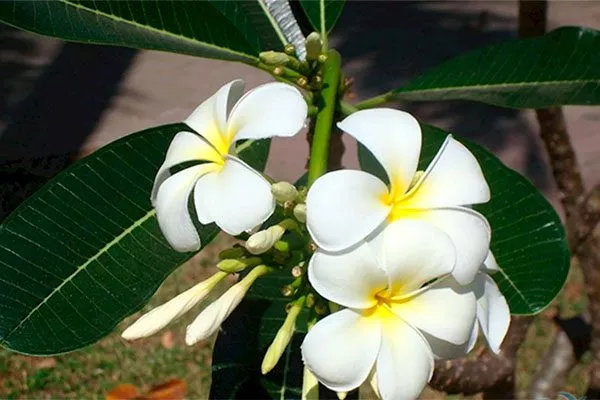
Reasons for the lack of flowering
Ficus is a popular plant among home gardeners due to its low maintenance and striking appearance. However, many people encounter problems when the plant doesn't bloom profusely for a long time. There are reasons for this.
Insufficient lighting
One of the most common reasons why a ficus tree refuses to bloom is a lack of sunlight. Ficus trees require bright, indirect light. If they are placed far from a window or shaded by other furniture, the leaves begin to turn pale, and flowers rarely appear.
Incorrect watering
Watering frequency also significantly affects flower development. Overwatering leads to moisture stagnation in the soil, which can lead to root rot and weaken the plant. Insufficient water causes yellowing of the leaves and slows the growth of new shoots. This, in turn, eliminates the chance of bud formation.
To maintain optimal humidity levels, water the ficus moderately, checking the condition of the top layer of soil before each watering.
Lack of fertilizer or improper fertilization
Regular fertilizing provides the ficus with essential micronutrients and promotes bud formation. Without proper nutrition, the plant remains weak and unable to form new buds.
Poor conditions of detention
The optimal temperature for most ficus species is between 1°C and 25°C. Sudden changes in temperature can negatively impact the plant's health and delay flower formation.
It is also important to maintain a sufficient level of humidity around the plant, especially in winter when the air becomes dry due to indoor heating or in summer due to extreme heat.
Plant age
Young specimens are often not mature enough to begin active flowering. Typically, the first buds form several years after planting.
However, over time, older plants lose the ability to produce abundant buds due to the depletion of nutrient reserves and the gradual aging of the root system.
Non-flowering variety
Some ficus varieties aren't suited for indoor flowering at all. For example, rubber ficus (Ficus elastica), although they have beautiful large leaves, almost never produce flowers even under ideal conditions. So, before you panic, make sure your ficus variety is truly capable of blooming.
Methods of stimulating flowering
Many houseplant lovers wonder how to get their ficus to bloom. Ficus trees covered in buds look beautiful and attract attention. But achieving beautiful blooms can be challenging. We'll look at several basic methods that will help you stimulate bud formation on your ficus.
Correct placement of the pot relative to light sources
Light plays a key role in the formation of flower buds. Ficus prefer bright, but very indirect, light. Direct sunlight can damage delicate leaves and cause burns.
How to properly place a ficus tree – features:
- Choose a window facing east or west. This will ensure optimal light throughout the day.
- Place the pot about a meter from a window. This way, the plant will receive sufficient light but avoid direct sunlight.
- If the window faces south, be sure to provide protection from direct sunlight using tulle or blinds.
- Rotate the pot occasionally to ensure even distribution of light throughout the plant.
Regular watering and soil moisture control
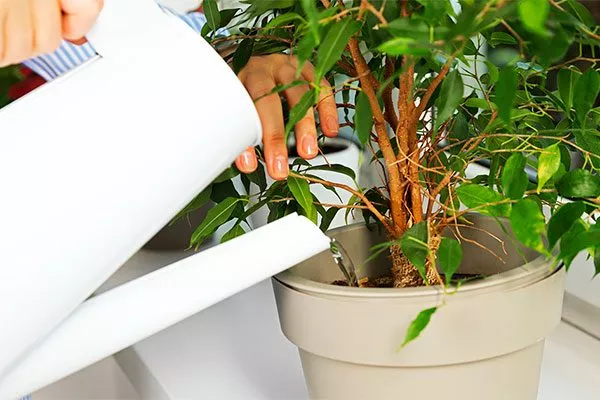
Good moisture is the key to plant health and the activation of flowering processes. Watering a ficus requires a special approach—a few subtleties:
- Soil testing: Before watering, check the top layer of soil with your finger. It should be slightly moist, but not wet.
- Water quality: Use settled liquid at room temperature. Cold water can stress the plant.
- Amount of water: For every liter of pot volume, approximately 200 ml of liquid is required. Make sure that excess water drains into the tray and is then removed.
- Maintaining humidity: In summer, increase the frequency of watering, as the soil dries out faster. In autumn and winter, reduce watering to once a week.

Fertilization and use of special additives
To thrive, ficus requires additional nutrients. Properly selected fertilizers will help speed up the flowering process.
Nuances:
- Select a fertilizer: Purchase special liquid fertilizers for ornamental foliage plants. They contain nitrogen, phosphorus, and potassium in the right proportions.
- Time of application: Start feeding your ficus in the spring, when active growth begins. Repeat every two to three weeks.
- Solution concentration: Always follow the manufacturer's instructions to avoid overdosing on fertilizer.
- Use of organic matter: Sometimes it's helpful to use organic additives, such as mullein or compost infusion. These are diluted with water and used once a month.
Creating a favorable microclimate
Maintaining the correct temperature and humidity helps create suitable conditions for ficus flowering.
Important aspects:
- Temperature conditions. The ideal temperature for ficus is between +1°C and +25°C. Avoid sudden temperature changes and drafts.
- Increasing air humidity. Dry air is bad for your ficus. To increase humidity:
- Spray the leaves regularly with clean, warm water;
- Place a humidifier near the plant;
- Place the pot on a tray with wet pebbles or expanded clay.
- Providing ventilation. Although the ficus loves warmth, it requires regular ventilation of the room, avoiding strong currents of cold air.
Repotting a plant and choosing suitable soil
Over time, the soil loses its beneficial properties, which negatively impacts plant growth and development. Regular repotting helps maintain soil fertility and improves drainage.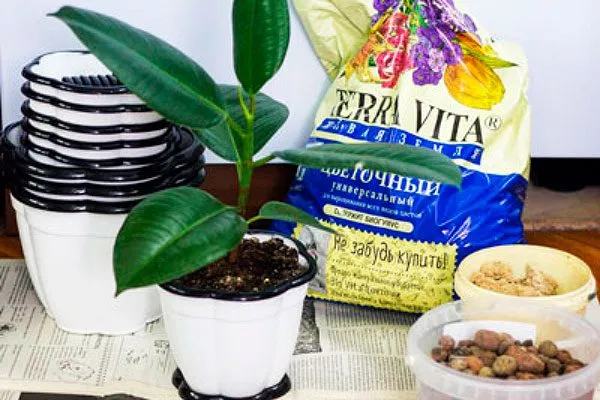
Prepare a new substrate – a mixture of equal parts turf, humus, peat, and sand works best. You can add a little charcoal and perlite to improve aeration.
Transplant procedure:
- Carefully remove the ficus from the old pot along with the root ball.
- Clean the roots from any remaining old soil, carefully cutting off any damaged areas.
- Place the plant in a new, larger pot, filling it with new soil.

Post-transplant treatment - after transplanting, keep the ficus in the shade and limit watering for a while until it adapts to the new location.
The dormant period and its importance for subsequent flowering
Every plant has periods of active growth and rest. By allowing your ficus to rest during the fall and winter, you significantly increase your chances of seeing it bloom in the spring and summer.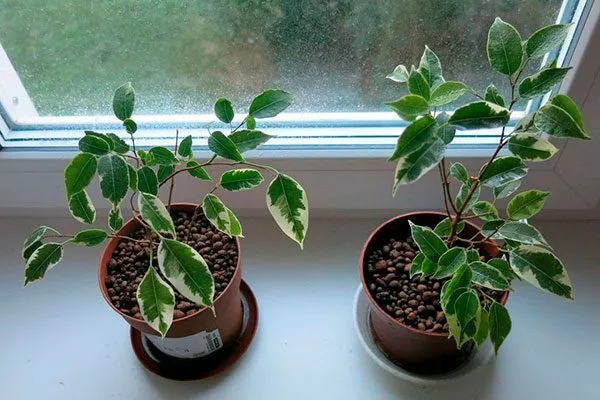
Peculiarities:
- Autumn. Gradually reduce watering and stop fertilizing. Move the ficus to a cool room with a temperature of approximately 1 to 18°C.
- Winter. Continue infrequent, moderate watering, keeping the soil only slightly moist. Ventilate the room, but avoid direct exposure to cold air currents.
- Spring. As spring arrives, gradually return to a regular watering and fertilizing schedule. Increase the ambient temperature and return the ficus to a sunny location.
Tips from experienced gardeners for flowering ficus trees
A beautiful and well-maintained ficus will be a true decoration for any home, especially when the plant begins to delight the eye with its graceful flowers. However, achieving regular flowering is quite difficult, as certain factors and care requirements contribute to this process.
Experienced gardeners share their secrets for maximizing the ficus's potential and ensuring annual flowering, which will be discussed below.
Use of phytolamps and artificial lighting
Sometimes natural light is insufficient to stimulate ficus flowering. This is when experienced gardeners recommend installing additional light sources, such as phytolamps.
What experts advise:
- When choosing a lamp, look for models with a white spectrum or blue-red light. These colors are most effective for accelerating flower growth and development.
- Place the lamps approximately 30 cm above the tops of the plants. Turn on the lights daily for 12-14 hours.
- To avoid damaging the leaves, try to distribute the light evenly over the entire surface of the crown, periodically rotating the pot.
Maintaining optimal temperature in winter and summer
Ficus trees are heat-loving, and any temperature fluctuations negatively impact their health and flowering potential. Experienced gardeners emphasize the importance of creating stable climatic conditions.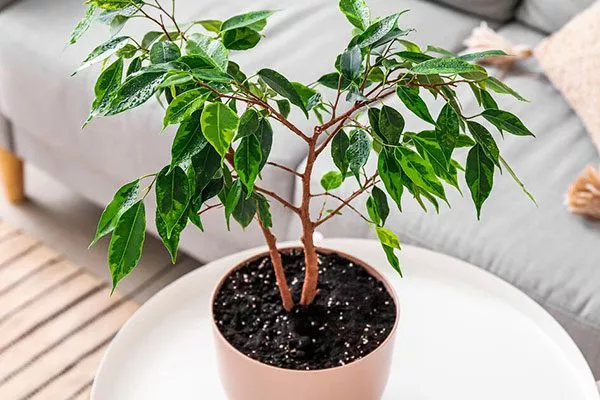
What measures do professionals suggest:
- In summer, temperatures around +20…+25°C are preferred. If necessary, shade the plant to protect it from the scorching sun.
- In winter, the temperature should not drop below 17°C. It's best to place the pot away from radiators and windows, ensuring a constant supply of fresh air.
- In spring and autumn, stick to intermediate values (+1…+22°C), creating a smooth transition between seasons.
Fertilizing with special fertilizers for flowering plants
Even the most caring gardeners understand that successful flowering is impossible without regular fertilizing with special compounds enriched with all the necessary elements.
Recommendations from experts:
- Start fertilizing in early spring, using a combination product high in phosphorus and potassium. These elements promote bud formation and maintain overall plant health.
- Repeat the fertilizing procedure every two to four weeks until the end of the autumn phase of activity.
- As winter approaches, reduce the fertilizer dosage by half, allowing the plant to rest and gain strength.
Application of growth and flowering biostimulants
Biological plant support products are becoming increasingly popular among professional gardeners. Biostimulants help strengthen the immune system and accelerate the ficus's metabolism.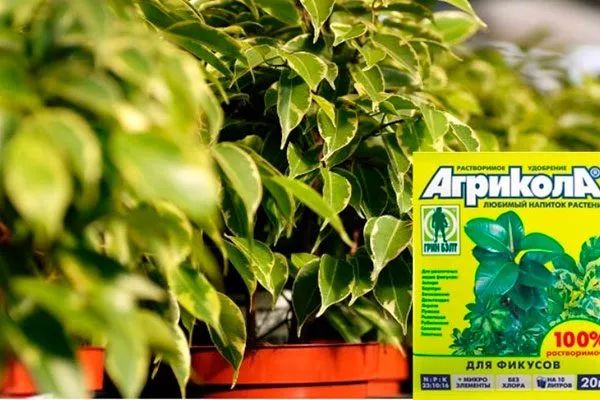
What the experts recommend:
- Treat the plant with sodium humate or succinic acid solutions once or twice a month. These substances increase cellular activity and activate the plant's defense mechanisms.
- Use growth regulator solutions (Epin, Zircon) according to the instructions, strictly adhering to the recommended doses.
- Apply stimulant solutions only to damp soil, after watering it with regular water.
The resulting effect:
- Biostimulants strengthen the plant, allowing it to better withstand stress and adverse environmental conditions, while simultaneously ensuring good flowering.
- It is possible to ensure regular flowering of your ficus if you follow several important care rules: a bright location, proper nutrition, comfortable growing conditions, and careful attention.
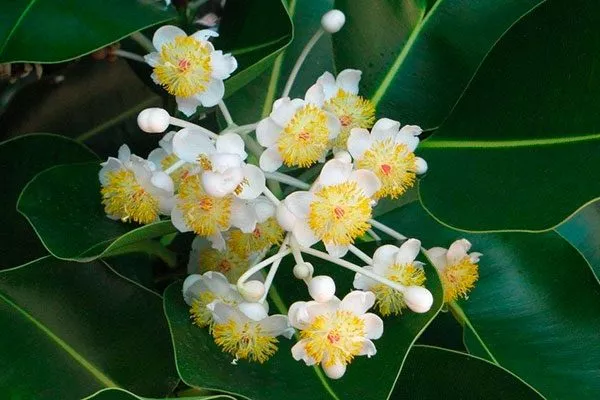
Remember that success depends on a comprehensive approach and systematic application of all the above methods. Your efforts will certainly bear fruit, and soon your home will be adorned with the vibrant colors of a blooming ficus.