
Washing your ficus with water is an important procedure that helps maintain clean leaves and improve the appearance of your houseplant. Preventing dirt, dust, and pathogen growth is also crucial. This procedure has a positive effect on the overall health of the plant and improves the efficiency of photosynthesis.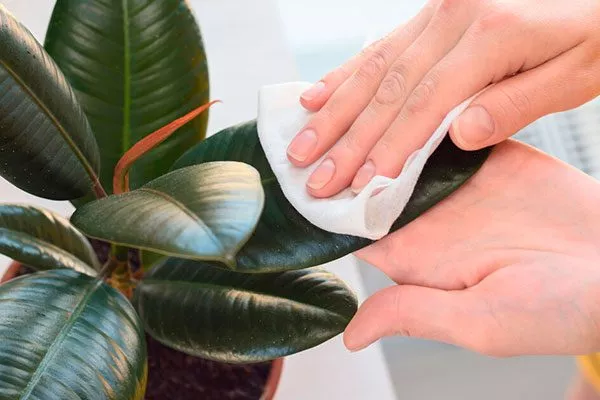
Why wash a ficus with water?
Reasons why it is necessary to regularly clean ficus leaves with water:
- Improving the process of photosynthesis. Ficus, like most green plants, receives nutrition through the process of photosynthesis, which occurs on the surface of the leaves.
Dirt deposited on the leaf blade prevents sunlight from penetrating into the cells, reducing the efficiency of this important process. Water washes away accumulated dust and dirt particles, allowing light to reach the leaf cells. - Prevention of infections and diseases. Pathogens and infections develop more quickly on dirty surfaces. For example, dust can provide a favorable environment for the growth of bacteria and fungi, which can cause ficus diseases.
Water treatment cleans the leaf surface, preventing the development of pathogens and helping to maintain plant health. - Stimulating active growth. Dirt and dust deposits impede proper exchange of nutrients between the plant and the external environment. Cleaning stimulates the circulation of oxygen and nutrients within the plant, which activates metabolic processes and leads to accelerated growth.
- Caring for the aesthetics of the interior. The attractive appearance of houseplants is important not only for the plant itself but also for the overall feel of the room. Clean, shiny leaves give the interior a well-groomed and fresh look, creating an atmosphere of cleanliness and harmony.
- Elimination of harmful chemical compounds. Modern apartments often contain harmful substances emitted by furniture, household chemicals, and other sources. These compounds can settle on leaves and negatively impact plant health.
Regular wet treatments help remove chemical residues and protect the plant from possible toxic effects. - Increasing humidity around the plant. Watering has a positive effect on the humidity level in the air around the plant. This is especially important in winter, when the air becomes dry due to indoor heating. Increased humidity is beneficial for many plant species, including ficus.
How to wash a ficus correctly?
Proper ficus care includes regular hygiene procedures, one of which is cleaning the leaves of dust and dirt. Washing your ficus is important for maintaining the plant's health and improving its decorative qualities. Let's take a closer look at how to properly organize this process.
Prepare the necessary tools and materials
Before you start washing your ficus, make sure you have everything you need:
- a soft sponge or lint-free cloth;

- spray bottle;
- warm clean water;
- a bath or basin for large plants;
- a clean towel or napkin for drying leaves.





Provide comfortable conditions
It's best to wash your ficus in the morning or evening, when the sun is not strong. Midday sun rays can increase moisture evaporation from the leaves, causing damage and spots. Also, try to choose days with moderate temperatures and no precipitation.
Key requirements:
- A few hours before washing, move the ficus to a location protected from direct sunlight. This will allow it to adapt to the new lighting conditions and prevent any potential stress.
- Use warm, clean water at a comfortable temperature (20…25°C). Hot water can damage the leaves, and cold water can cause shock in the plant.
Start cleaning the leaves
Now it's time to proceed directly to the procedure itself:
- Dampen a soft sponge or cloth with warm water.
- Using gentle movements from top to bottom, wipe each leaf of the plant, removing accumulated dirt.

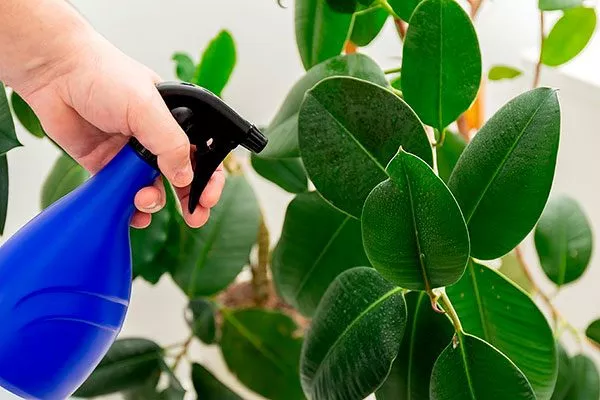
If there is a need to water the leaves, do the following:
- Choose a suitable location. It's best to wash your ficus in a location where water can easily drain. This could be a bathtub, a sink, or a special tray on the floor. If necessary, place a cloth or towel under the plant's pot to protect the floor from water spills.
- Check the soil condition. Make sure the soil is dry enough before washing the leaves. Overly wet soil increases the risk of damaging the roots when moving the pot. You can gently test the moisture level with your finger: the top 1.5-2 cm of soil should be dry.
- Water the leaves from above. If the ficus is large or has many small leaves, you can carefully water it with a thin stream of water from top to bottom. Try to direct the water flow to avoid direct contact with the soil.

Let the plant dry naturally
Once you've finished treating all the leaves, return the ficus to its usual location. Let it dry gradually on its own, avoiding prolonged exposure to water droplets, as this can cause sunburn or mold.
Tips and recommendations
Before you start washing your ficus, it is important to consider a few recommendations:
- Check the soil quality regularly and fertilize it with essential minerals and microelements.
- Follow watering rules and avoid over-watering the soil.
- Remove damaged or dead leaves immediately upon detection.
- If signs of illness appear, immediately contact a specialist or take preventive measures.
- Use warm water at room temperature.
- For larger specimens, it's best to use a shower or showerhead with gentle water pressure. Smaller specimens can be rinsed under the tap or wiped with a damp cloth.
- After washing, let the plant dry in the shade to avoid sunburn.
When shouldn't you wash a ficus?
Caring for plants requires careful attention to every detail, and the ficus is no exception. While washing the leaves is standard practice, there are times when washing a ficus is undesirable or even dangerous. Below, we'll discuss the circumstances under which it's recommended to refrain from washing the plant and explain why this is important.
A period of rest or relaxation
Plants need rest after a period of intense growth and flowering. Many ficus species enter a dormant phase in autumn and winter, when their vital processes slow down. During this period, it's best to keep any interventions to a minimum, including frequent washing.
A recently transplanted plant
Repotting is a significant stress for any plant, so newly planted ficus trees require a recovery period. It's best to leave the ficus tree alone for the first two to three weeks after repotting, allowing the root system to recover and strengthen.
Disease or damage to roots
Root diseases or mechanical injuries require a special approach. Firstly, excessive soil moisture exacerbates the problem, creating ideal conditions for the spread of fungus and rot. Secondly, damaged roots poorly absorb moisture, increasing the likelihood of water accumulation and tissue decay.
Reaction to adverse weather conditions
Some ficus varieties react negatively to sudden temperature changes, dry air, or high humidity. Before cleaning, carefully observe your plant's condition:
- If the ficus is developing normally, feel free to send it to the wash;
- If the flower is experiencing discomfort or showing signs of stress (for example, losing leaves), it is better to postpone the scheduled cleaning.
Dryness of the soil
Root health directly impacts the overall health of the plant. Overdrying the substrate makes the soil compact and unable to drain properly. This can lead to excess moisture remaining on the leaves longer than usual, increasing the risk of plant health problems.
Incorrectly selected water temperature
Using cold or hot water can seriously damage your ficus. A sudden change in temperature can cause thermal shock, leading to wilting and yellowing of the leaves. Always ensure the water temperature is close to room temperature (around 20–25°C).
Peculiarities:
- During the flowering period: If your ficus is blooming, avoid getting water on the flowers, as this may damage them.
- At low air temperatures: Cold water and low ambient temperatures can stress the plant and slow down its growth.
- For newly transplanted plants: Flowers that have been repotted need time to adjust and rest. Avoid watering the plant for several weeks after repotting.
- If there is damage on the leaves: Damaged leaves can absorb too much moisture, leading to rot and disease.
What to do instead of washing?
If you find yourself in a situation where washing your ficus is undesirable, here are some alternative care options:
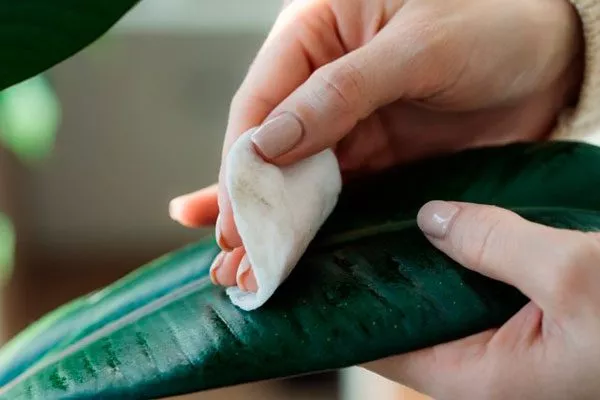
- Wipe the leaves with a damp cloth. This method is almost always suitable, except in cases of severe mechanical damage to the leaves. Simply take a slightly damp cotton cloth or cotton pad and gently wipe each side of the leaf.
This way you will remove dust and refresh the plant, avoiding unnecessary exposure to moisture. - Use a special brush. Brushes with soft bristles are great for gently removing dust from small leaves. They're especially useful for miniature ficus varieties, where traditional cleaning can be difficult.
- Spray the leaves with water. Misting is an excellent alternative to washing, especially in summer or spring when you want to increase the humidity around the plant. The key is to use moderation so that water droplets evaporate quickly and don't remain on the leaves for long periods.
- Place away from direct sunlight. If you notice your ficus is suffering from excessive heat or is in direct sunlight, temporarily move it to a shady spot. Sometimes a simple change of location can solve many problems caused by inappropriate lighting.
- Use of special means. There are specialized products designed specifically for houseplant care. They gently remove dirt while simultaneously protecting leaves from harmful factors. These products are typically applied in a thin layer and left to dry.


So, despite the restrictions regarding washing a ficus, there are enough methods that allow you to carefully care for the plant and maintain its beauty and health.
Washing your ficus with water is an important part of caring for this popular houseplant. It helps maintain its health, prevents disease, and improves its appearance. However, it's important to remember precautions and avoid watering in certain situations. By following these simple guidelines, you can enjoy a beautiful and healthy ficus for many years to come.