
The ficus is a popular houseplant, prized for its decorative crown and air-purifying properties. However, even with careful care, it can shed leaves, causing concern among gardeners. The causes of this phenomenon vary, from natural renewal and care errors to diseases and pests. Proper diagnosis will help take timely action.
Reasons why ficus trees shed leaves
Ficus leaf fall can be caused by both natural renewal processes and external factors related to care. It's important to understand the problem so you can address it promptly and save the plant.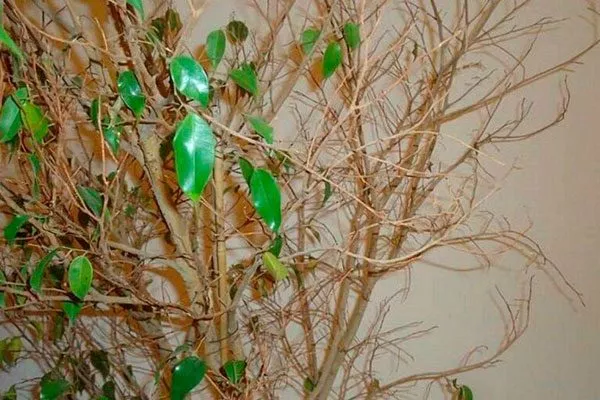
Lack or excess of light
Ficus is a sun-loving plant, but moderate light is required for normal growth and foliage maintenance. If the light level is insufficient, the leaves begin to turn yellow and fall off:
- the crop does not receive enough energy for photosynthesis;
- growth slows;
- new shoots become weak and elongated.

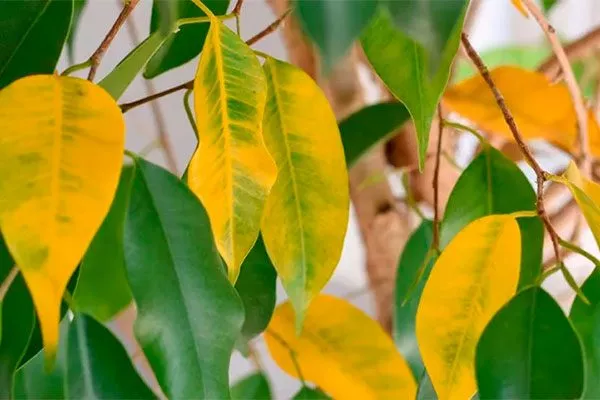
Excessive light is also harmful. If a ficus is exposed to direct sunlight, the leaves may become sunburned, develop light or brown spots, and eventually fall off. Variegated varieties are especially sensitive to this.
Irrigation irregularities
Ficus plants are very sensitive to improper watering, and this mistake most often leads to leaf drop. If the soil is insufficiently moist, it dries out, causing the plant to experience severe stress: the leaves lose their elasticity, begin to turn yellow, and fall off from the bottom up.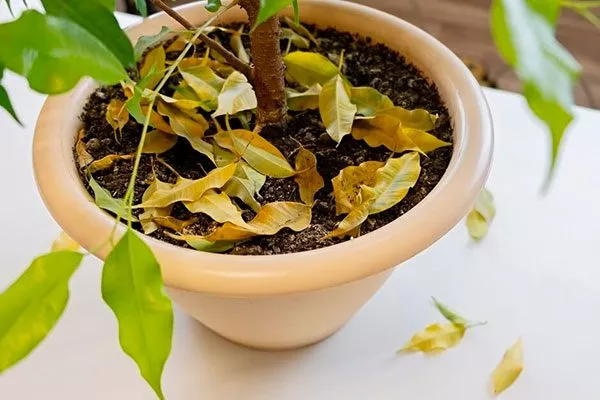
Excess water is equally dangerous. If the soil remains constantly soggy, the roots begin to suffocate and rot. As a result, the leaves darken, become spotted, and then fall off en masse. Leaving water in the tray after watering is especially risky—this creates ideal conditions for root rot.
Incorrect temperature and humidity
Ficus trees are sensitive to temperature and humidity fluctuations. If the plant is exposed to drafts or sudden changes in conditions, it will become stressed and drop its leaves.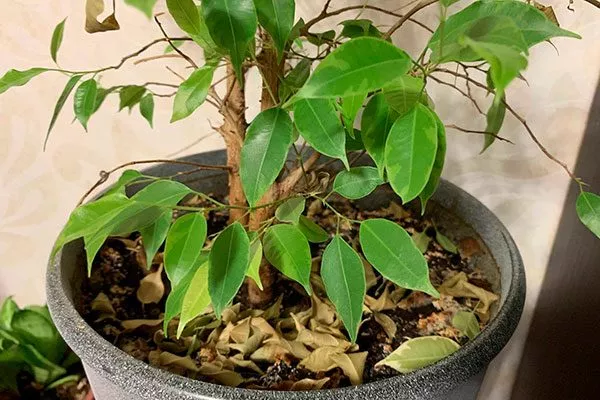
Main reasons:
- Too low a temperature leads to a slowdown in metabolic processes, the leaves turn yellow and fall off.
- When overheated, especially in combination with dry air, the ficus loses moisture through the leaves faster than it can replenish it through the roots, which also causes them to fall off.
Air humidity is equally important to consider. Excessive dryness, such as during the heating season, can cause leaf tips to turn brown, and the plant will gradually lose its lower leaves. Excessive humidity combined with cold can trigger fungal diseases and rot.
Diseases and pests
Ficus trees often lose their leaves due to disease or insect attacks. A weakened plant loses its decorative appeal and, without timely assistance, may die.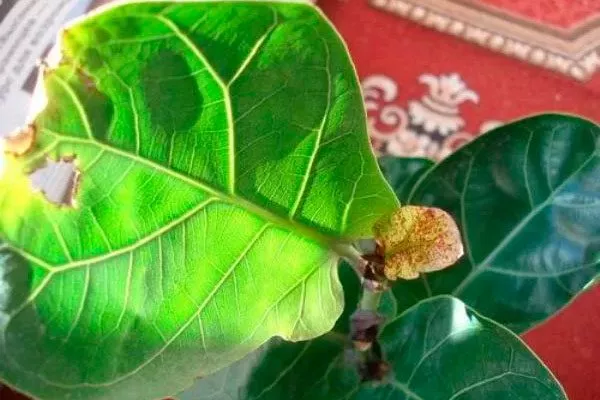
The most common diseases include fungal infections:
- gray mold;
- powdery mildew;
- root and stem rot.
They appear as dark spots, plaque, or softening of the tissue. The leaves gradually turn yellow, darken, and fall off.
Among the pests that often bother ficus are:
- scale insect – sucks out the juices, leaving a sticky coating on which sooty mold develops;
- spider mite – covers the leaves with a thin web, causing them to turn yellow and fall off;
- aphid – accumulates in colonies on young shoots, deforms leaves and weakens the plant;
- mealybug – forms white cottony lumps in the leaf axils, disrupting the nutrition of the ficus.
The natural process of leaf renewal
Ficus leaf shedding doesn't always indicate illness or improper care. It could be a physiological rejuvenation of the crown.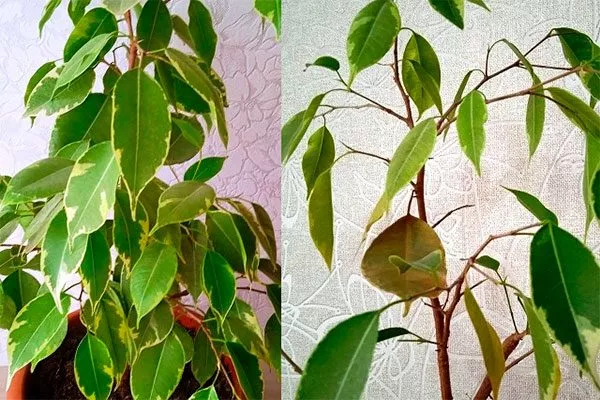
Like many evergreens, ficus leaves live for several years, after which the old ones gradually turn yellow and fall off, making way for new ones. This most often occurs in the lower part of the crown, and the fall affects only individual leaves, not the entire plant.
This process is especially noticeable in spring and fall, when metabolic activity changes. The main difference between natural renewal and problematic shedding is its gradual nature and the absence of mass leaf fall. Young leaves, however, remain healthy, green, and resilient.
Signs and diagnosis of the problem
To help your ficus maintain its health and lush crown, it's important not only to notice leaf drop but also to correctly determine its cause. Diagnosis is based on careful observation of the plant's appearance and its growing conditions.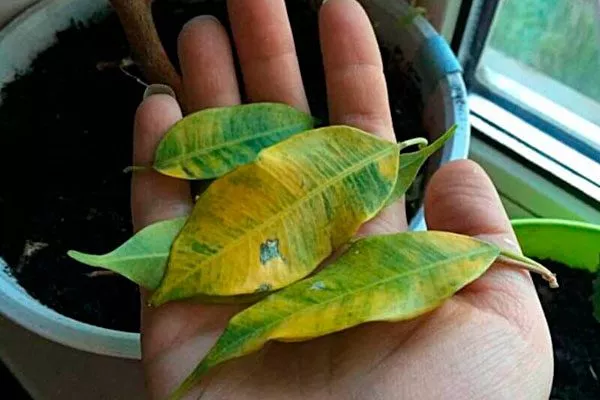
The first thing to pay attention to is the rate and nature of leaf fall. If leaves are turning yellow en masse, darkening, becoming spotted, or falling from different parts of the crown at once, this is a sign of poor conditions or disease.
Signs of a problem:
- Nutrition. Nutrient deficiencies manifest themselves as pale foliage, slow growth, and weak new shoots. A nitrogen deficiency causes leaves to become small and yellowish, a potassium deficiency causes the edges to turn brown, and a magnesium deficiency causes light spots to appear between veins.
- Lighting. If there's not enough light, the leaves become dull, lose their density, and fall off from the bottom up. If there's too much direct sunlight, light-colored burnt spots and dry edges appear.
- Diseases and parasites. Diseases are usually accompanied by spots, plaque, blackening, or rotting of tissue. Pests, on the other hand, leave traces of their activity: sticky residue (scale insects, aphids), fine webbing (spider mites), and white lumps (mealybugs).
Careful observation and correct interpretation of signs allow you to quickly identify the source of the problem and take action before the ficus loses most of its foliage.
Ways to prevent leaf drop
To keep your ficus healthy, green, and attractive, it's important not only to address any problems that may arise but also to create favorable conditions for it proactively. Proper care helps minimize stress and prevent massive leaf drop.
Setting up the right lighting
The plant prefers bright but filtered light. The best location is an east- or west-facing window. On south-facing windowsills, shade the plant with net curtains or blinds to prevent sunburn, and if it's located north, use phytolamps.
Adjusting the frequency and volume of watering
It's important to maintain moderate soil moisture: water only after the top few centimeters have dried. Water more frequently in summer and less frequently in winter.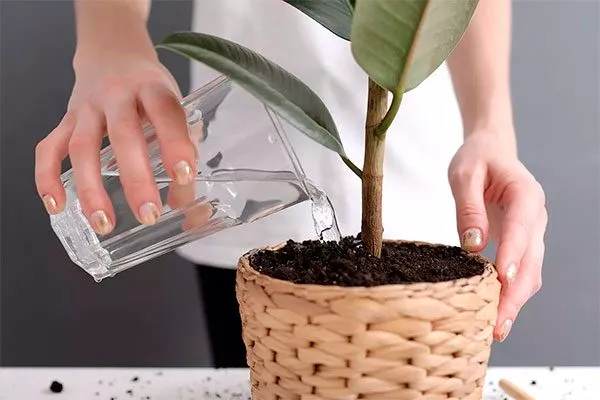
Maintaining comfortable temperature and humidity
The optimal temperature for a ficus is 18 to 25°C. Sudden changes in temperature and drafts are harmful. During the heating season, when the air becomes dry, it is recommended:
- spray the leaves with warm water;
- use humidifiers;
- Place containers of water nearby.
This will help prevent the tips from drying out and the leaves from falling off.
Prevention of diseases and parasites
Maintaining the health of a ficus directly depends on regular disease prevention and pest control. Even with proper watering, lighting, and temperature control, the plant can still be attacked by pathogens or insects, so preventative measures are key.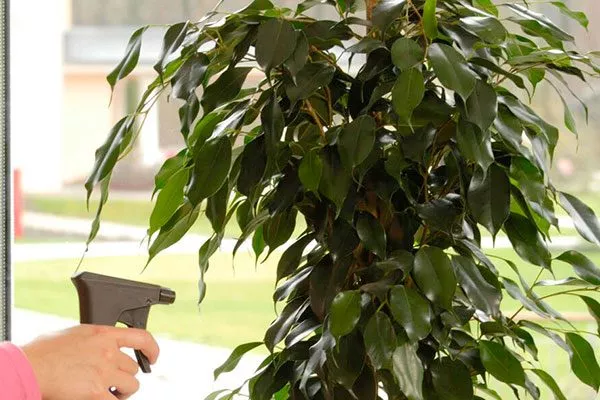
Follow these recommendations:
- Inspect the leaves, shoots, and especially the axils of your ficus at least once a week. This allows you to identify the first signs of infestation: small spots, plaque, webbing, or a sticky coating. The earlier a pest or disease is detected, the easier it is to deal with the problem.
- Dust and dirt on the leaves impede the plant's normal respiration and create a breeding ground for fungi and bacteria. Regular cleaning with a damp, soft cloth or sponge helps prevent infections. Pots, trays, and the area around the ficus should also be kept clean.
- High humidity with insufficient ventilation promotes the development of fungal diseases such as powdery mildew and gray mold. Ensure moderate soil and air humidity, avoid stagnant water in the tray, and ventilate the room without creating drafts.
- Even if there are no visible problems, periodically perform preventative treatments. The following are suitable for this:
- soap solution to remove pests;
- weak alcohol solution for treating stems;
- special insecticidal and fungicidal preparations in prophylactic concentrations.
- When replanting or propagating, choose clean, well-drained soil and treated containers. Old or infected pots can be a source of disease.
- Keep new ficus or other houseplants separate for 2-3 weeks and monitor them closely to prevent the introduction of pests or infections to existing plants.
Systematic application of these measures helps keep the ficus healthy, prevents massive leaf loss and reduces the risk of serious diseases and pest infestations.
General recommendations for ficus care
To ensure your ficus feels comfortable and enjoys its lush greenery, it's important to properly organize its growing conditions from the start. Choosing the right location, suitable soil, and regular fertilizing will help the plant thrive and maintain its foliage.
Location of the ficus
The plant thrives in a bright room with indirect light. Ideally, place the plant near an east- or west-facing window.
It's important to avoid sudden temperature changes, drafts, and proximity to heating appliances, which can dry out the air. The more stable the conditions, the better the crown will develop.
Correct choice of container and substrate
Choose a pot for your ficus based on the size of its root system: it shouldn't be too spacious, otherwise the soil will become waterlogged. A drainage layer at the bottom is essential to remove excess moisture.
The soil mixture should be light, nutritious, and well-drained. The best option is a mixture of turf and leaf mold with some sand and peat.
Natural nutrition
For vigorous growth, ficus requires regular feeding. In spring and summer, feed it every 2-3 weeks: alternate between organic fertilizers (humus infusions, humates) and mineral complexes containing nitrogen, phosphorus, and potassium.
Frequently Asked Questions
Many people face the same challenges when growing ficus trees, especially leaf drop. Below are frequently asked questions and brief answers to help you navigate the situation.
Ficus leaf drop doesn't always indicate a serious problem, but it does require attention. By identifying the exact cause, you can quickly adjust your care and prevent further leaf loss. Following basic maintenance guidelines, regular inspections, and timely preventative measures will help your plant enjoy lush greenery for years to come.