
The appearance of spots on ficus leaves is often a cause for concern for houseplant enthusiasts. Such changes can signal both care issues and pest or disease problems. Proper diagnosis and timely intervention help maintain the plant's health and maintain its decorative appearance.
What types of spots are there on ficus leaves?
Ficus leaves can develop various spots, and their appearance can often help determine the cause of the damage. They can vary in color, size, and shape. Some are caused by fungal or bacterial infections, while others are due to lack of moisture, sunburn, or improper care.
Yellow spots
Yellowing of leaf edges is usually a sign of a progressive nutrient deficiency. To address this, apply a balanced fertilizer, strictly following the manufacturer's instructions to avoid overdosing and further damage to the plant.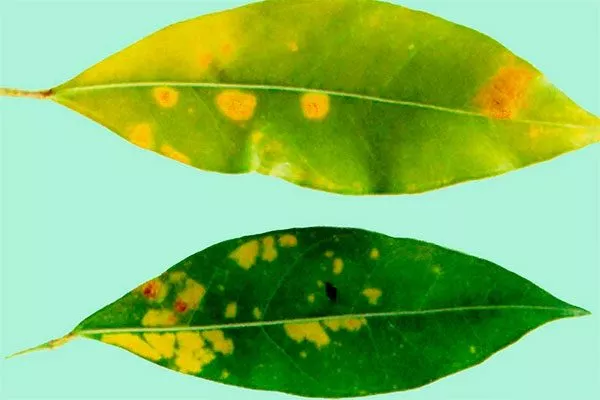
Key Features:
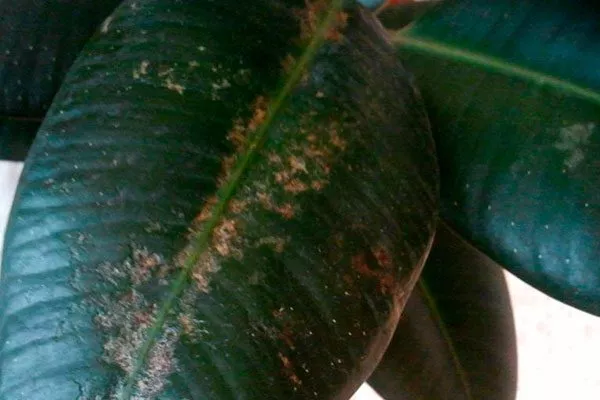
- The appearance of small, rust-colored spots may indicate the presence of mites, which damage the leaves by feeding on their sap. Special acaricides are used to control them.

- Anthracnose, caused by the fungi Colletotrichum or Glomerella, appears as yellow spots that darken to brown. Controlling anthracnose is challenging and requires the use of fungicides, preferably outdoors.
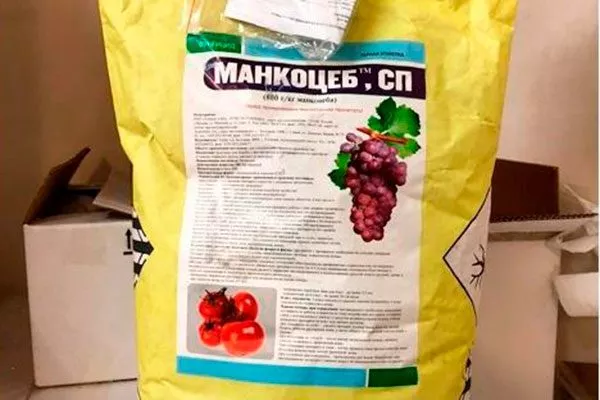
- Anthracnose is spread through water. To prevent the disease, it's recommended to select resistant varieties, avoid watering the leaves, and ensure good air circulation around the plant. At the first sign of the disease, fungicides containing mancozeb should be applied.
Brown spots
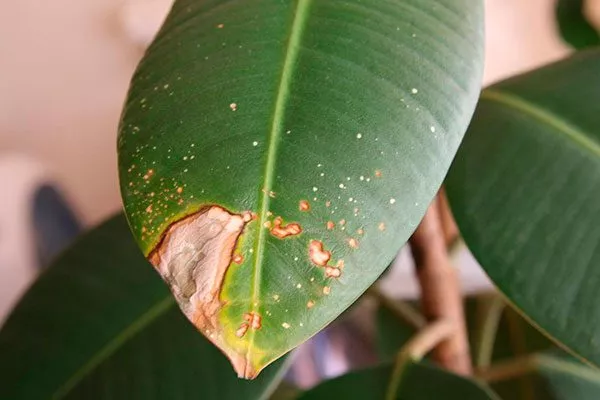
The appearance of brown spots on foliage often indicates root rot, especially with overwatering. This is the most likely cause of browning leaves, which is caused by overwatering and poor drainage.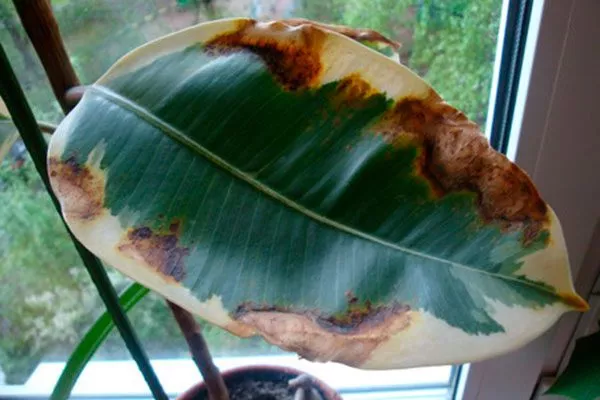
Root rot, caused by excess moisture, affects the roots and then spreads to the leaves. To confirm the diagnosis, inspect the root system: brown spots on the roots indicate rot. In this case, remove the damaged areas and repot the plant in a new pot with fresh soil.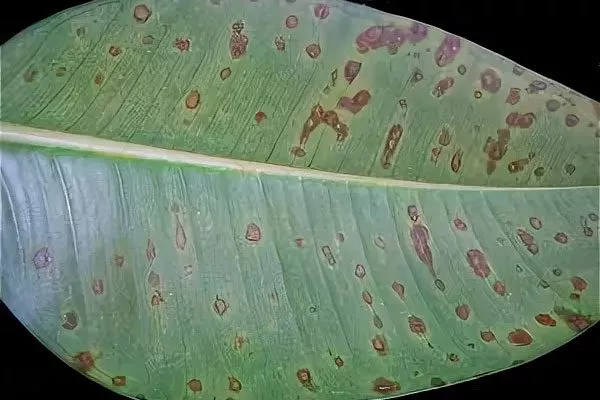
Description of root rot:
- One of its characteristics is its initial effect on older leaves. Leaf drop is also an important sign.
- The disease begins with small dark spots that gradually enlarge. It is recommended to use a moisture meter to measure the moisture level at the base of the roots.
- Root rot is treatable, especially if detected early. It's important to ensure good container drainage, use potting soil with good drainage, and avoid overwatering.
Another cause of brown spots is a bacterial infection, which is difficult to treat due to the lack of effective medications. Bacterial spots are distinguished by a lighter, brownish hue compared to the dark spots associated with root rot.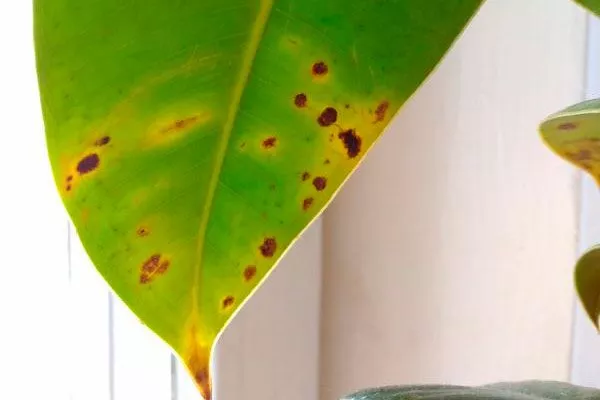
Black spots
The discovery of black spots on the foliage of a ficus indicates a fungal infection. Initially, the infection appears as fuzzy, darkened areas on the upper surface of the leaves. Almost immediately, a yellowish border forms around these areas.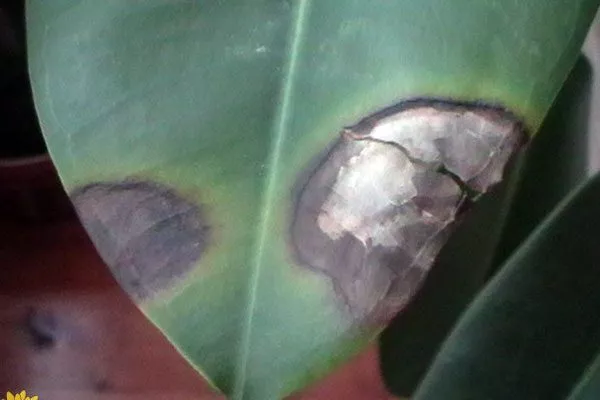
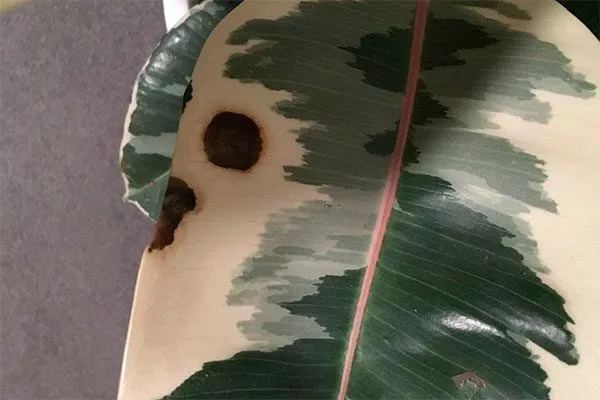
Helpful tips:
- The most effective way to combat fungus on ficus is to use fungicides. Plant experts recommend chlorothalonil-based products, which have a broad spectrum of activity.
Treatment should be carried out by spraying the foliage at intervals of 7-10 days. - Before use, carefully read the instructions to ensure you follow the manufacturer's recommended dosage and frequency of applications. Shake the fungicide bottle thoroughly before use.
It's important to note that chlorothalonil is toxic, so it's best to spray outdoors. Afterward, be sure to remove and destroy any affected leaves to prevent further spread of fungal spores.
White spots
The appearance of white spots on ficus trees can be caused by various factors, including fungal diseases such as powdery mildew. Fungal infections are often associated with pests that produce white scales and parasitize the plants.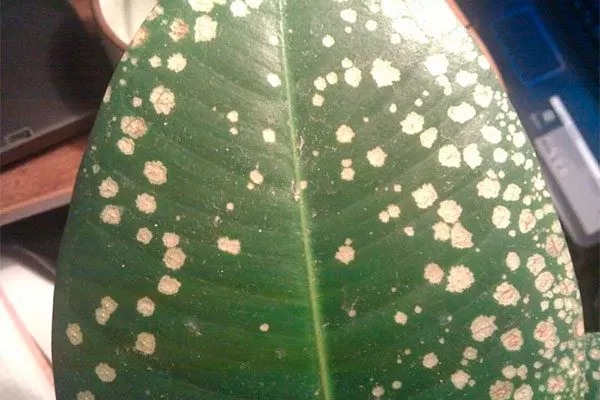
Description of the appearance of stains:
- Powdery mildew appears as a white coating on leaves and stems, causing them to deform. The disease can be effectively controlled with fungicides applied at the first sign of infestation.
- Pests are more difficult to control and require insecticides. However, the problem can often be solved by increasing air humidity or using a soap or alcohol solution. Horticultural oils also show good results.
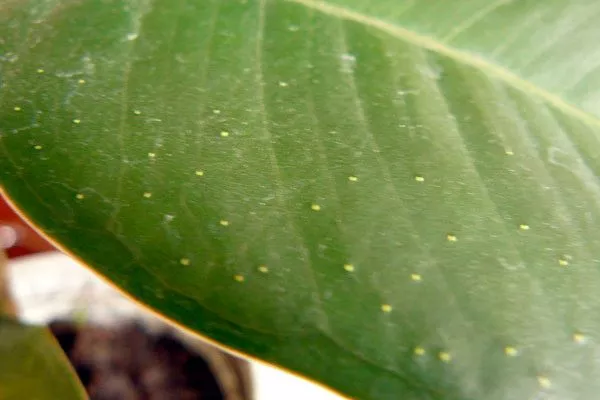
- Sometimes small waxy spots appear on the leaves, which are generally harmless and normal. Initially, they can be mistaken for signs of disease or pests, but this is a common occurrence for ficus trees.
Some gardeners believe this is how the plant removes excess minerals and salts from the soil or attracts pollinators. These spots usually disappear on their own, but they can be removed with a damp cloth if desired.
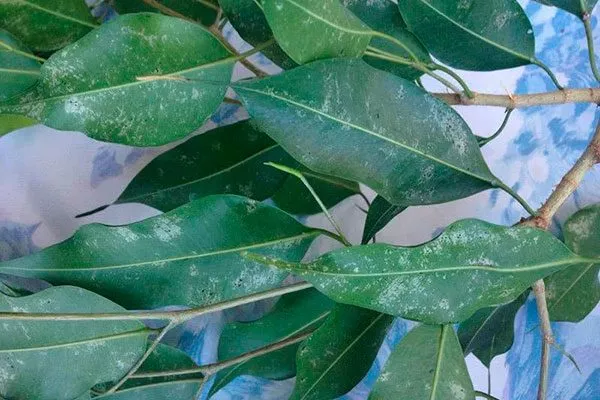
Determining the causes of stains
Spots on ficus leaves are one of the first signs that something is preventing the plant from developing normally. To correctly determine the cause and take action, it's important to consider all possible factors, from growing conditions to mechanical damage.
Violation of conditions of detention
Ficus is very sensitive to changes in the room. It's important to consider the following factors:
- Lighting. Insufficient light causes pale leaves and yellow spots, especially on the lower branches. Excessive sun exposure can lead to leaf scorch—brown, dry spots on the leaf surface.
- Watering. Overwatering or overdrying of the soil results in spots on the leaves, ranging from yellowish to dark brown. Irregular watering is especially dangerous for young plants.
- Temperature. Ficus trees don't respond well to drafts and sudden temperature changes. Leaf spots can appear during cold or overheating, often accompanied by leaf drop.
Pest infestation
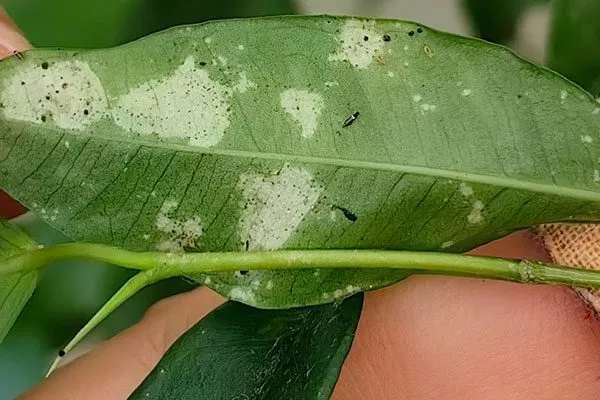
Insects can damage leaves and cause spots. The most common pests are:
- Spider mites. These are small pests that suck the sap from leaves, causing light or yellow spots to appear. In severe infestations, the leaf becomes covered in a fine web.
- Scale insects. They form small brown or yellow bumps on the leaf blade and stems, causing leaf deformation and spotting.
- Mealybugs. White cotton-like accumulations leave behind yellowish or brown spots, reduce leaf turgor and slow down plant growth.
Infectious diseases
Ficus can be affected by various diseases that appear as spots on the leaves. The plant may suffer from the following problems:
- Bacteriosis. They cause the appearance of water-soaked spots with a yellow border, which over time turn black and can cause leaf rot.
- Viral infections. Sometimes they manifest as spots or mosaic patterns on the leaves, deformation, and stunted growth. Treatment of such diseases is difficult, and removal of the infected parts is often required.
- Fungal infections. For example, powdery mildew or late blight cause gray, white, or brown spots on leaves and stems, sometimes covering them with a coating.
Mechanical damage and injuries
Ficus leaf spots can appear as a result of various physical factors. Even careful care doesn't always completely protect the plant from such damage, so it's important to understand the factors that can cause spotting.
Main reasons:
- Transfer or relocation. When replanting roots or transporting plants, leaves often come into contact with the edges of the pot, tools, or hands. This contact can cause brown or dark spots on the leaf blades, as well as tissue tears.
- Accidental impacts and friction. Ficus leaves are quite fragile, and if accidentally touched or hit against furniture, windows, or other objects, they can develop dark spots, small cracks, or abrasions. Constant friction weakens the leaf and makes it more susceptible to disease.
- Burns or scorches from chemicals. Using strong pesticides, fertilizers, or plant protection products without dilution can cause chemical burns on the leaves. These appear as dry, light brown or whitish spots that spread over time.
- Exposure to hot air or sun. Leaves that are too close to heating appliances, radiators, or in direct sunlight can become scorched. Affected areas become stiff, with brown spots, sometimes with a discolored edge.
- Mechanical damage during pruning. Careless pruning of branches or removal of old leaves can leave marks on neighboring specimens or stems, which also manifests itself as spots.
Treatment and elimination of the causes of stains
The appearance of spots on ficus leaves is a sign that the plant is experiencing stress or has been attacked by pests or diseases. To restore the ficus's health and prevent further damage, it's important to not only address the visible symptoms but also address the underlying cause.
Optimization of conditions of detention
Proper care is key to a healthy ficus. Provide the plant with the right environment:
- Lighting. Position the plant so it receives sufficient indirect light. If it doesn't get enough, use a grow light, and if it gets too much direct sun, draw the curtains or move the pot to a shadier spot.
- Watering. Water your ficus regularly but moderately, avoiding stagnant water in the tray. Use settled, room-temperature water. Check the soil moisture: the top layer should dry out slightly between waterings.
- Temperature and humidity. Maintain stable room temperatures, avoiding drafts and sudden changes in temperature. To increase humidity, you can use a humidifier or place a container of water nearby.
- Proper feeding. Nutrient deficiencies also manifest as leaf spots. Use a balanced fertilizer for ornamental foliage plants, alternating organic and mineral fertilizers.
Chemical and folk remedies for pest control
If stains are caused by insects, it's essential to eliminate them promptly. How to solve the pest problem:
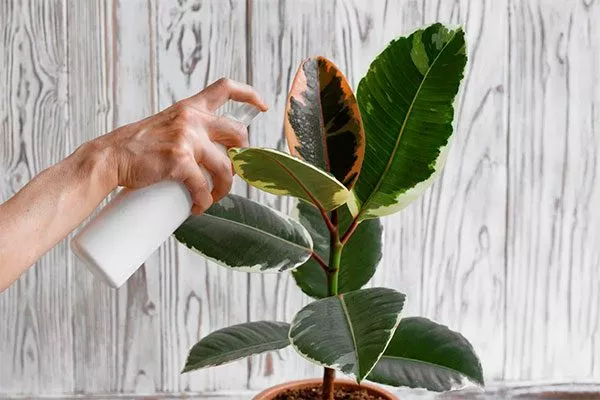
- Spider mite. Spray the leaves with a soap solution, garlic infusion, or insecticides such as Akarin and Fitoverm. Check the undersides of the leaves—mites often congregate there.
- Scale insects. Remove insects mechanically with a cotton swab soaked in alcohol, or use systemic insecticides - Aktara, Fitoverm, Actellic.
- Mealybugs. Treat the leaves with a soft brush and soapy water, then use insecticides to prevent re-infestation – the same as for scale insects.


Antiseptic measures against infectious lesions
Bacterial, viral, and fungal infections require targeted treatment. Treat them promptly:
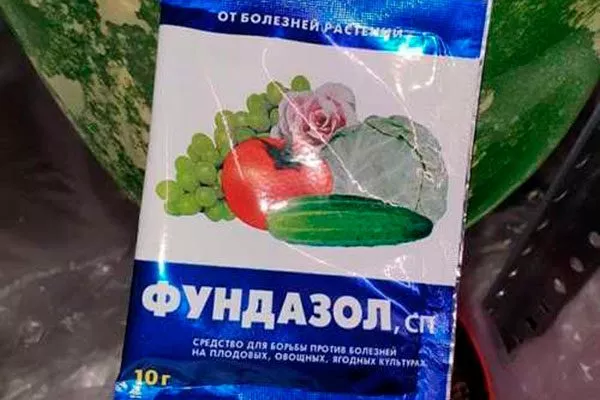
- Fungal diseases. If you notice white, gray, or brown growth, use fungicides such as Fundazol or HOM. Trim off heavily affected leaves to prevent spread.
- Bacterial lesions. Remove diseased areas and treat the plant with a weak solution of potassium permanganate or Bordeaux mixture. Try to avoid getting water on the leaves when watering.
- Viral infections. There is no specific treatment; remove infected leaves and shoots. Prevention involves pest control, sanitation, and using healthy planting material.

Acceptable alternatives for treatment and prevention
Several measures can help prevent stains and reduce the risk of disease without the use of chemicals. Follow these recommendations:
- Organic sprays. Use infusions of onion peel, garlic, horsetail or nettle – they strengthen the leaves and repel insects.
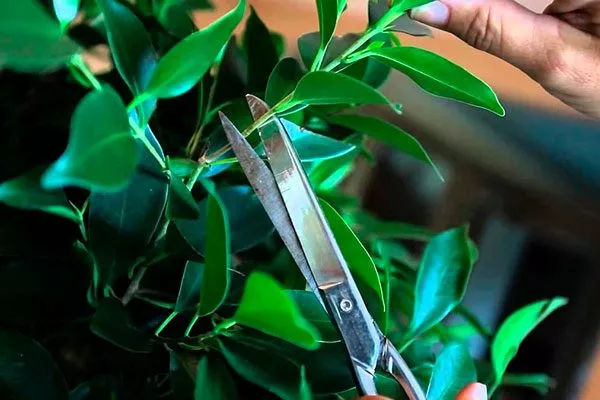
- Proper pruning and sanitation. Regular removal of dry and damaged leaves and treatment of pruning tools prevent the spread of infection.
- Preventive soil treatment. Using Trichoderma or warming the soil before planting protects the roots and reduces the risk of fungal diseases.
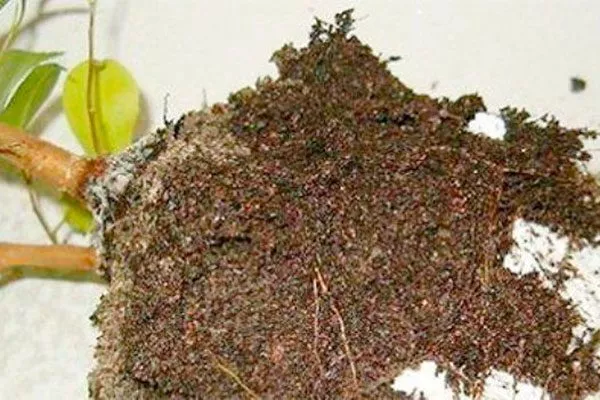
Regular watering, optimal temperature and lighting, protection from drafts and sunburn significantly reduce the likelihood of spots appearing.
Practical tips and life hacks
Ficus leaf spots can appear for a variety of reasons. To effectively address this problem and minimize stress on the plant, it's helpful to use proven practical methods. Below are recommendations to help you quickly identify and resolve the problem.
Best techniques for determining the nature of stains
Identifying the source of the spots is the first step to properly treating the plant. The more specific the cause, the more effective the treatment.
- Regularly inspect the leaves on both sides. Note the shape, color, and location of any spots. Fungal infections are often accompanied by a coating, and the insects leave behind small spots or bumps.
- Compare the plant's location with its optimal requirements—is it getting enough light, are there any drafts, and is it being watered correctly? Often, spots are caused by simple care errors.
- Small pests like spider mites or mealybugs can be almost invisible to the naked eye. A magnifying glass helps you see details and accurately identify the pest.
Organizing space for comfortable ficus growth
Proper plant placement and favorable conditions directly impact leaf health and prevent spotting. Follow these recommendations:
- Position the ficus so it receives ample indirect light. Avoid direct sunlight, which can cause burns, and dark corners, which can cause leaves to turn yellow.
- Keep the plant away from radiators, air conditioners, and drafts. Maintain a stable temperature and moderate humidity to prevent the leaves from losing their turgor and developing stress spots.
- Leave enough space to prevent leaves from touching furniture or other plants. This reduces the risk of mechanical damage and prevents fungal diseases from developing due to poor ventilation.

Natural helpers in the fight against stains
Safe natural remedies can be used to prevent and treat many leaf problems. The most popular options are:
- Infusions of herbs and plants. An infusion of garlic, nettle or horsetail strengthens the leaves, improves immunity and repels pests.
- Soap solution. Effective against spider mites, mealybugs, and scale insects. Regular spraying helps reduce insect populations without chemicals.
- Organic fertilizers. A diluted infusion of mullein, chicken manure, or wood ash will support the health of the ficus, promote leaf restoration, and reduce the risk of spotting.
Answers to frequently asked questions
Here are answers to the most frequently asked questions about ficus leaf spots. The answers help you quickly determine the cause and choose the right care and restoration measures for your plant.
Why do yellow spots appear on ficus leaves?
Yellow spots most often indicate stressful conditions for the plant. The main causes are:
- Irrigation violation. Both overwatering and overdrying of the soil cause yellowing. The roots stop supplying the leaves with moisture and nutrients.
- Lack of light. If there is insufficient light, the leaves lose their green color and yellow areas appear on them.
- Lack of nutrients. Nitrogen, magnesium, or iron deficiencies may appear as yellow spots or streaks.
How can you tell if the stains are caused by pests or diseases?
For a proper diagnosis, it's important to pay attention to the appearance of the spots. Examine them carefully:
- small light dots with a web are left by spider mites;
- tubercles or white coating are formed by scale insects and mealybugs;
- spots that are accompanied by a coating and watery edges, spreading along the leaf or stem, indicate fungal diseases;
- Watery spots with a yellow border, gradually turning black and causing rot, indicate bacterial infections.
What should I do if brown or black spots appear on the leaves?
Dark spots are most often caused by fungal infections and mechanical damage. Often, they are caused by poor care, such as sunburn or chemical exposure.
Is it possible to save a ficus if spots appear regularly?
Yes, but it's important to identify and eliminate the cause. Follow these recommendations:
- check the growing conditions (light, watering, temperature, humidity);
- eliminate the presence of pests and treat with insecticides or folk remedies;
- in case of infectious lesions, remove diseased leaves and treat with a fungicide or antiseptic;
- Support the plant with fertilizers so that it recovers faster.
Spots on ficus leaves are a warning sign that shouldn't be ignored. Identifying the cause, optimizing growing conditions, controlling pests, and preventing infections will help keep the plant healthy and beautiful. Regular care and close monitoring will help prevent recurrence and prolong the life of the plant.