
The ficus is a beautiful and popular houseplant that requires careful care. One important aspect of care is proper relocation. Any relocation can be stressful for a plant, so it's important to know when and how best to relocate it. Proper relocation helps maintain its health and decorative qualities.
When and why should you move a ficus indoors?
Plants should only be moved for compelling reasons, as any movement is stressful for the plant. Common situations include:
- Changing the lighting. Ficus trees are sensitive to light, especially species with variegated leaves.
If the plant has been in the shade for a long time or, conversely, in too much sun, it may need to be moved closer to a window or to a more shaded area to ensure optimal leaf development and maintain their rich color. - Seasonal temperature adjustment. In summer, the plant may need a fresher, brighter location, and in winter, a sheltered corner free from drafts. Ficus does not tolerate sudden temperature changes or cold air currents well, so relocating it helps create a comfortable microclimate.
- Protection from drafts and heating devices. In winter, ficus is often placed away from radiators, air conditioners, or doors to prevent the leaves from drying out and turning yellow.
- Growth and aesthetics of the interior. Sometimes relocation is associated with the need to harmoniously fit a plant into a renovated interior, give it more space to grow, or ensure convenient access for maintenance.
- Stress after illness or transplant. After pest control or replanting, it is recommended to temporarily move the ficus to a quiet location where it will not be exposed to additional irritants.
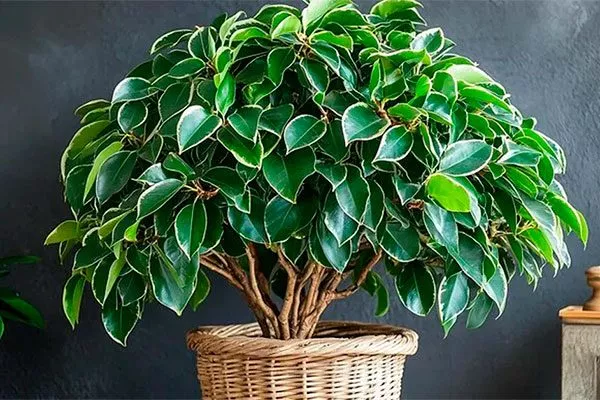
The purpose of relocation is to create conditions in which the plant will thrive as comfortably as possible. The main reasons include:
- Maintaining healthy leaves. Optimal lighting prevents leaves from yellowing, losing color or falling off.
- Ensuring normal growth. Ficus trees growing in constant shade can become leggy and lose their crown shape. Repositioning the tree allows you to direct the shoots' growth in the desired direction.
- Reducing stress from adverse factors. Drafts, dry air from heating appliances, excess sunlight – these are all factors from which the plant needs protection through relocation.
- Support decorative function. Ficus trees are a focal point in any interior. When positioned correctly, they create a visually striking effect and create a harmonious effect within the room.

Moving a ficus indoors isn't just a matter of aesthetics; it's an important part of care. With the right approach, you can ensure healthy growth, preserve the beauty of its foliage, and create a comfortable microclimate. The key is to consider the plant's needs and minimize stress associated with changing conditions.
Features of flower “movement” based on growing conditions
"Moving" a ficus isn't just a matter of repositioning the pot; it's a complex process that helps maintain the plant's health and maintain its decorative qualities. Understanding how the plant reacts to changing conditions helps minimize negative consequences and ensure comfortable development.
Preparing for the move
Before relocating a ficus, it's important to prepare it for stress. Key steps include:
- Assessment of plant condition. Make sure the ficus is healthy: the leaves aren't yellowing and there are no signs of disease or pests. Moving a sick plant increases the risk of worsening the problem.

- Irrigation control. Stop watering or reduce it 1-2 days before the event. Overly wet soil increases the risk of root damage during transportation.
- Preparing the site. Choose a new location in advance, taking into account lighting, temperature, and humidity. An empty space will allow you to safely place the plant without rushing.
- Pot stabilization. If necessary, reinforce the container to prevent soil from falling out, especially if the plant is large. You can temporarily use a bag or cloth around the base.
- Cleaning the leaves. Wipe dust off the foliage with a soft, damp cloth – this will reduce the risk of injury and allow the plants to better adapt to the new lighting.
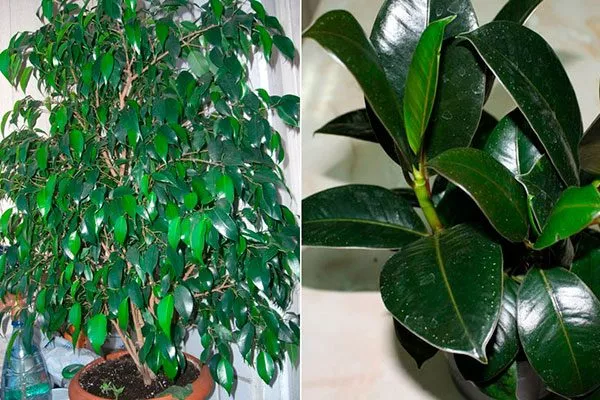
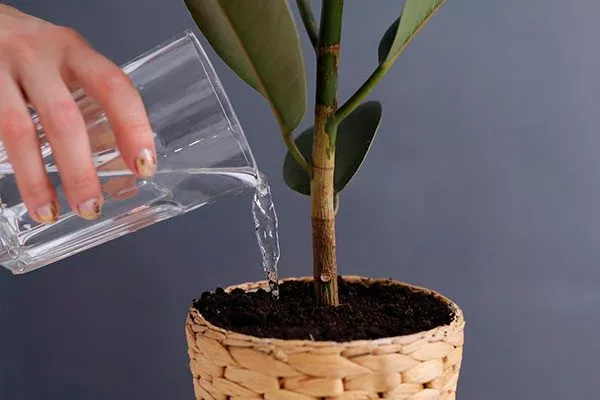
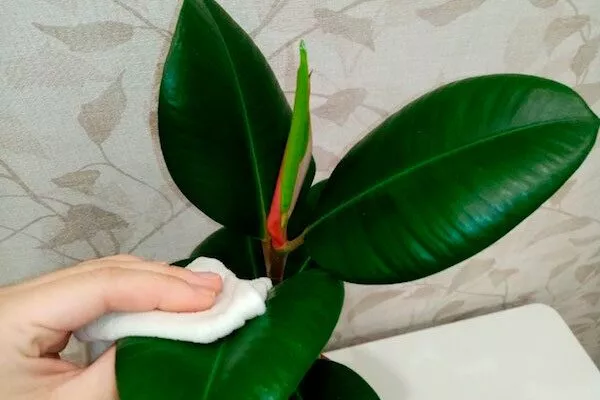
These measures reduce the likelihood of stress and help the ficus to cope with the move more easily.
Methods for carefully moving a ficus tree
It's important to reposition the plant without damaging the leaves, shoots, and roots. Basic recommendations:
- Support of the trunk and root system. Hold the pot with both hands, supporting the bottom and base of the plant. For larger ficus plants, you can use additional support such as fabric or thick material around the pot.
- Avoid sudden movements. Avoid shaking, turning, or placing the plant on uneven surfaces. Even minor damage to the roots or leaves can cause stress.
- Using stands or carts. For large ficuses, stable stands with wheels are convenient so that you can move the plant without lifting it.
- Moving gradually. If the light intensity changes, move the plant in stages: first to an intermediate location with similar conditions, and then permanently.
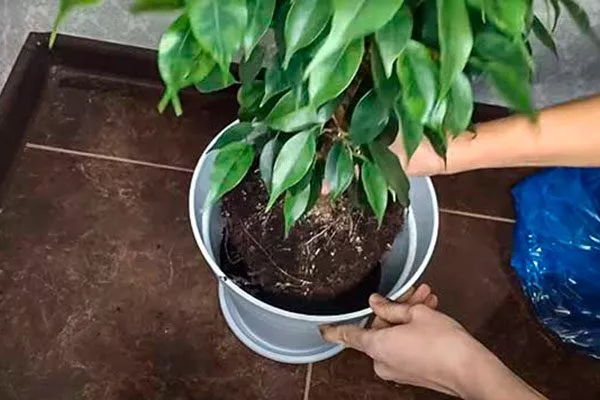
Compliance with these rules will ensure the safety of the ficus and minimize damage.
Optimal placements
After relocating, it's important to choose the right new location to ensure the plant feels comfortable. Consider the following factors:
- Lighting. Ficus with dark green leaves tolerate some shade, but variegated varieties require bright, indirect light. Avoid direct sunlight, which can cause burns.
- Temperature conditions. The ideal temperature is 20 to 25°C, without sudden fluctuations. Keep the ficus away from cold drafts and doors and windows that are frequently opened in winter.
- Air humidity. Ficus prefer moderate humidity, around 50-60%. Additional humidification may be required near heating appliances.
- Space around the plant. Give your ficus enough space to grow and allow air to circulate. Overly crowded spaces can lead to deformed shoots and increase the risk of disease.
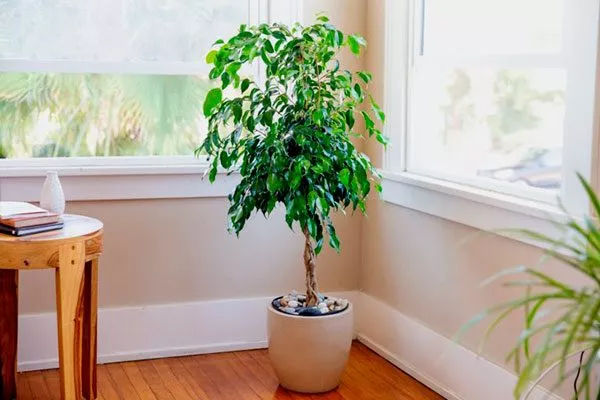
Proper placement promotes rapid recovery from stress and maintains the decorative qualities of the plant.
Ficus's reaction to changing conditions
Even when moved correctly, a ficus may show signs of discomfort. Typical reactions:
- Leaf drop or yellowing. This is a natural response to stress. Don't panic: reduce watering and avoid fertilizing during the first few days after relocation.
- Slowing growth. The ficus may temporarily stop growing new shoots - this is a normal defensive reaction.
- Change in leaf color. Variegated plants may lose their leaf vibrancy. Gradually acclimating to light will restore the pattern.
- Care recommendations. Provide stable conditions: moderate watering, diffused lighting, and regular ventilation without drafts. Avoiding drastic changes after relocation is key to recovery.
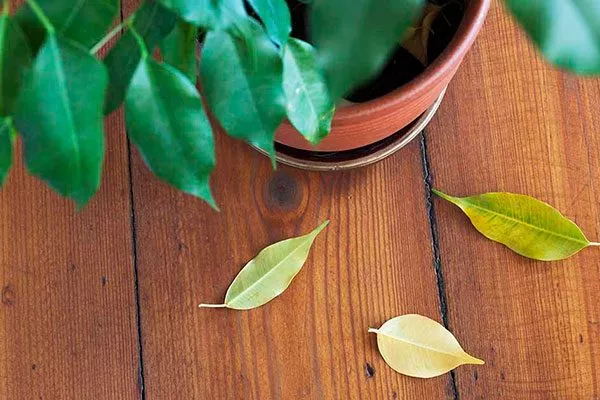
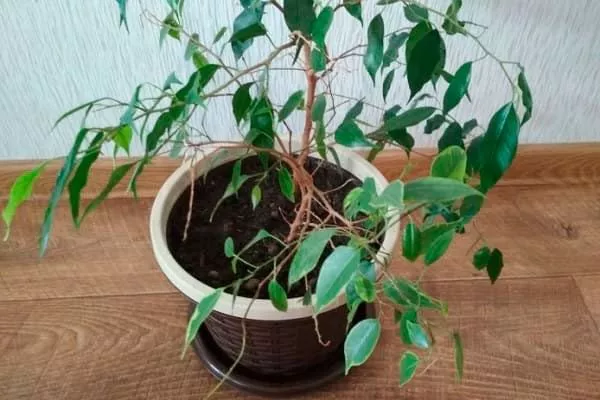
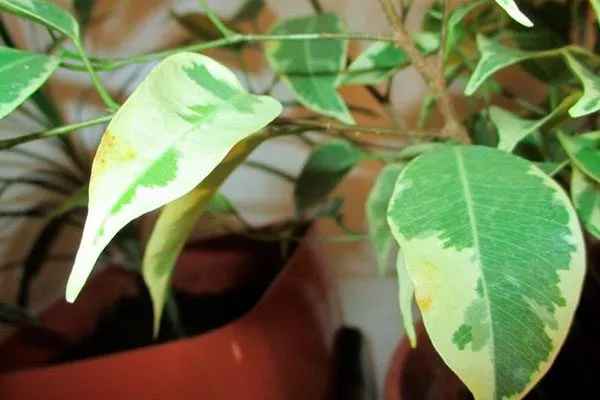
Careful monitoring of the ficus's reaction allows you to adjust the conditions in a timely manner and help the plant adapt quickly.
Features of ficus from a Feng Shui point of view
The ficus is not only an ornamental plant but also a powerful symbol in feng shui philosophy. It embodies harmony, stability, and vital energy, helping to create a positive atmosphere in the home.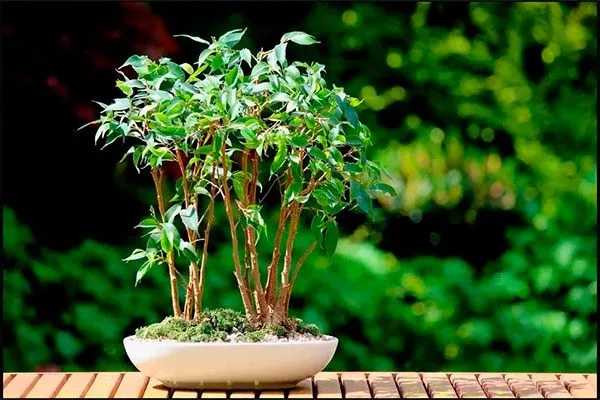
Proper placement of the ficus tree and choice of pot can enhance positive chi flows, helping to activate wealth, health, and inner balance.
The symbolism of the ficus and its significance in Feng Shui philosophy
In Feng Shui, the ficus is considered a plant that brings positive energy and harmony to a space. Key aspects of its symbolism:
- Balance and harmony. The ficus, with its lush foliage and stable form, symbolizes balance between the material and spiritual realms. It helps balance the emotional and energetic flows in the home.
- Wealth and prosperity. Ficus trees are believed to attract financial stability and promote income growth. This is especially true for species with large, rounded leaves, which symbolize coins and prosperity.
- Stability and protection. The dense crown of the plant creates a feeling of safety and security, strengthening the energy of the home and family.
Ficus is perceived as an activator of positive changes and a protector of harmonious space.
The best places for ficus
Placing plants in specific areas of the room helps enhance beneficial qi flows. Recommended directions:
- Southeast. Considered the sector of wealth and financial well-being, a ficus in this part of the room stimulates material growth and business success.
- East. Promotes health and family harmony. Placing a ficus tree in the east improves the well-being of its residents and strengthens family relationships.
- Northwest. The sector of mentors and useful connections. The ficus tree here helps with career matters and facilitates the development of useful contacts.
Restricted areas
Certain locations in the home are undesirable for ficus plants, as they block or slow down the flow of energy. Avoid placing the plant in the following locations:
- Corridors and passage areas. The fast-moving energy does not have time to accumulate around the plant, so its positive effect is lost.
- Wet rooms. The qi energy in such places is unstable and can be polluted, which reduces the effectiveness of the plant as a source of harmony.
- Corners of rooms. Sharp corners create “destructive” sha energy, which hinders the growth of the ficus and negatively affects the atmosphere of the home.
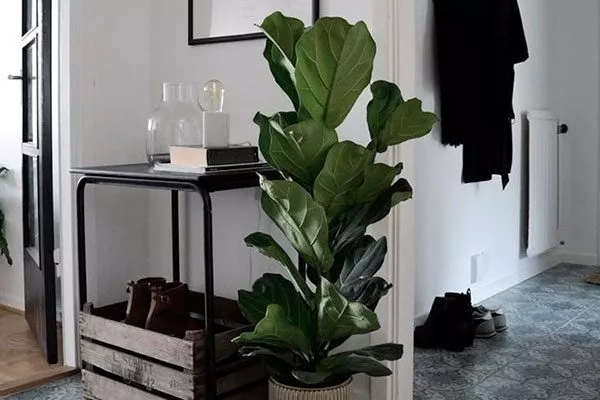
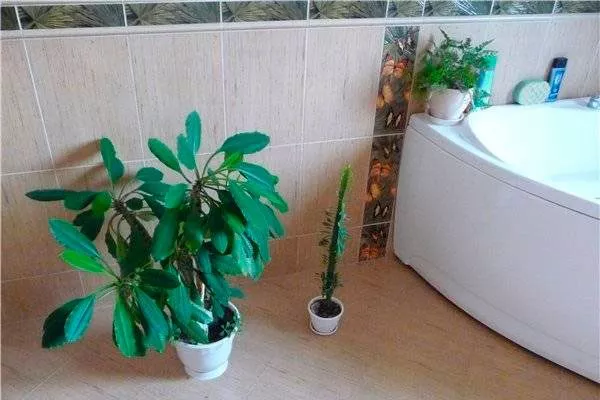
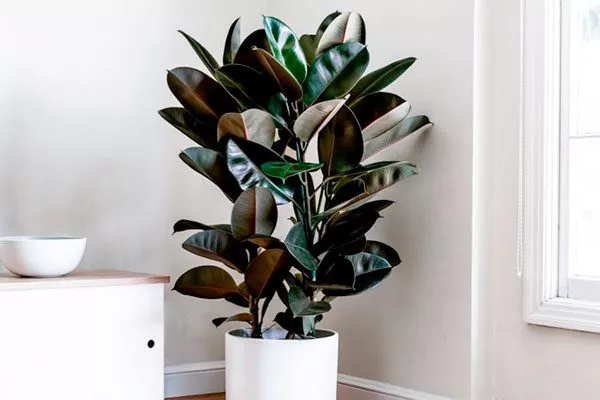
By avoiding these areas, you allow the ficus to work as a natural harmonizer of space.
Color and shape of the pot
Choosing a container is just as important as the plant itself. Consider the following criteria:
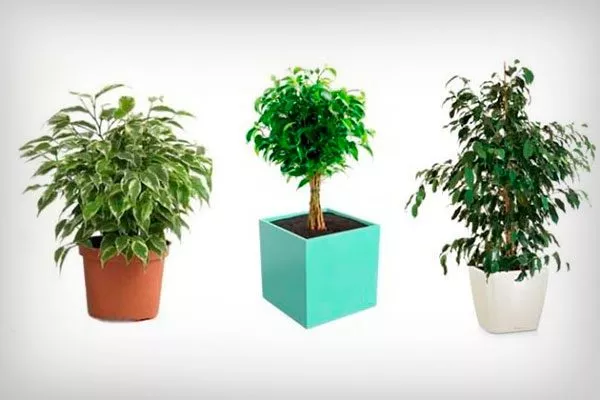
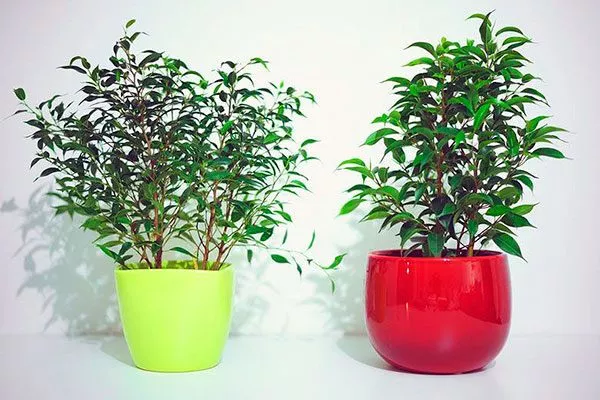
- Form. Round and oval pots promote a smooth flow of energy, while angular or overly tall designs can block chi.
- Color. To improve energy, it's best to choose calm and harmonious colors: green, beige, white, and brown. Bright red or overly dark containers can create an imbalance if they don't align with the rest of the room's color palette.
- Material. Natural materials such as ceramics, clay, and wood enhance the plant's positive energy, while plastic or metal are less beneficial.
Moving a ficus indoors requires care and planning. Preparing the plant, handling it carefully, and choosing the optimal location will help reduce stress and maintain its health. Following these guidelines will help the plant adapt to new conditions, maintain a harmonious crown, and delight you for a long time.