
Reddening of a ficus stem isn't always a sign of danger: sometimes it's just a varietal characteristic or a temporary reaction to growing conditions. However, these changes shouldn't be ignored, as they can indicate more serious problems with care or the plant's health. Observation and timely intervention will help keep the plant healthy.
Is it normal for ficus stems to turn red?
A change in color doesn't always indicate a problem. In most cases, it's a normal occurrence, related to the plant's growth characteristics and response to its growing conditions. Let's look at several key factors.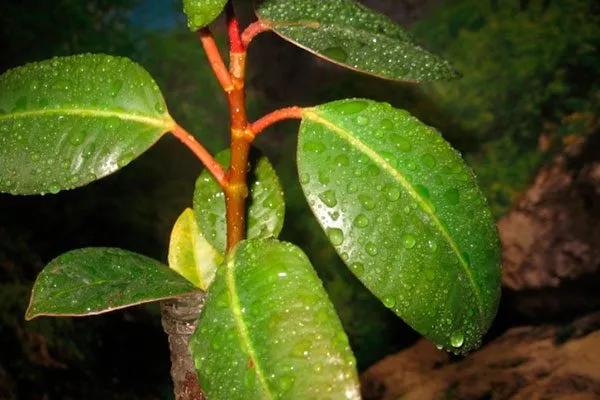
Natural pigmentation of young shoots
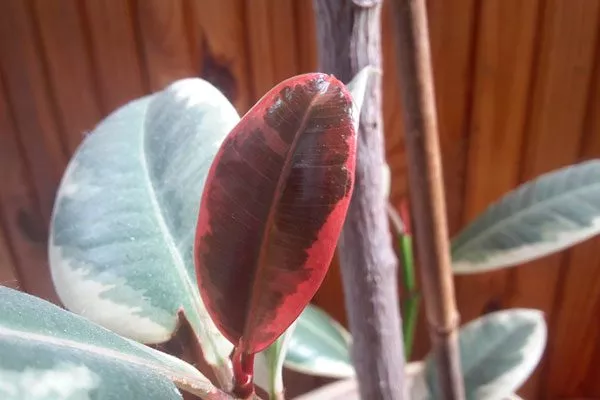
In many ficus species, newly developing shoots and leaf petioles have a reddish or burgundy hue. This is due to the presence of anthocyanins—natural pigments that protect young tissues from solar radiation and temperature fluctuations.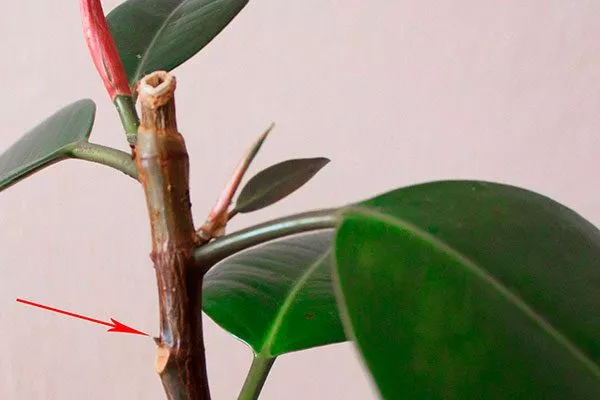
As the stem grows, it gradually turns green and acquires its usual color, so red tones in young shoots are considered completely normal.
Change in color depending on the age of the plant
Over time, ficus trees undergo natural changes, and their coloring can also change. Young stems are often brighter and more pigmented, while with age, they become rougher, covered in bark, and darker or lighter in color depending on the variety.
During this period, residual red hues may persist only in the internodes or at the base of the leaves. Such color changes are not a pathology, but rather reflect the plant's natural development cycle.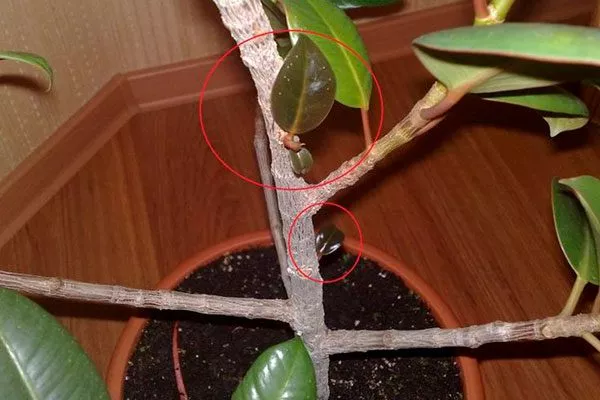
The influence of growing conditions on stem color
In addition to age, the intensity of the reddish hue is influenced by the environment. Let's take a closer look:
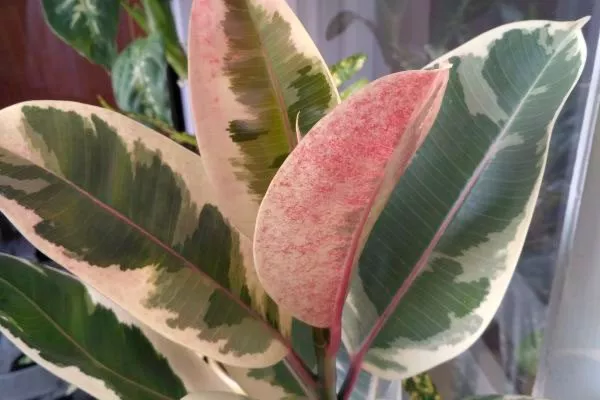
- Bright sunlight can enhance the expression of anthocyanins, giving stems a rich red hue.
- Insufficient light, on the contrary, makes the shoots paler.
- The color can also change under the influence of temperature: in cooler temperatures, the red tint becomes more noticeable.

When is redness a warning sign?
Reddening of the stems or leaves of a ficus isn't necessarily a bad sign. But sometimes a red, burgundy, or purple tint can signal a serious problem. It's important to be able to distinguish normal coloring from more serious symptoms and quickly recognize when urgent help is needed.
Diseases and infections
Fungal and bacterial diseases often begin to manifest themselves through discoloration of stems and leaves. Features:
- If the redness is accompanied by softening of the tissue, watery or dark sunken areas at the base of the stem, an unpleasant musty odor, or rapid wilting of the crown, this is almost always evidence of a pathological process.
- In vascular infections (such as those of fungal origin), darkening of the blood vessels can be seen inside the stem: when cut longitudinally, dark streaks or spots appear along the wood cylinder. These changes indicate that the pathogen is blocking the flow of sap; the plant abruptly wilts, the leaves turn yellow, and then fall off.
- Fungal infections often produce the same characteristic spots on leaves, a coating or white fluff on the surface, and develop more actively in high humidity and poor ventilation.
- Bacterial diseases are characterized by rapid softening and “wet” lesions.
- Viral infections typically cause deformations, mosaic coloration, and color defects; such plants generally do not recover, as there is no specific treatment against the virus.
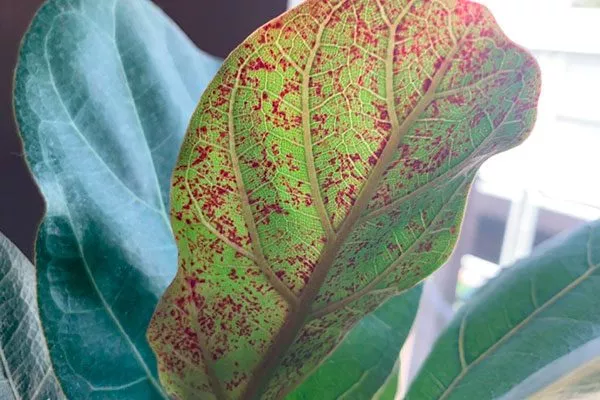
Parasitic organisms
The insects' lifestyle causes localized tissue damage and often causes reddening of shoots and leaves. This may appear as small reddish-brown spots, "burned" areas, or uniform blushing on the leaves, most often along the edges or where the pest is attached.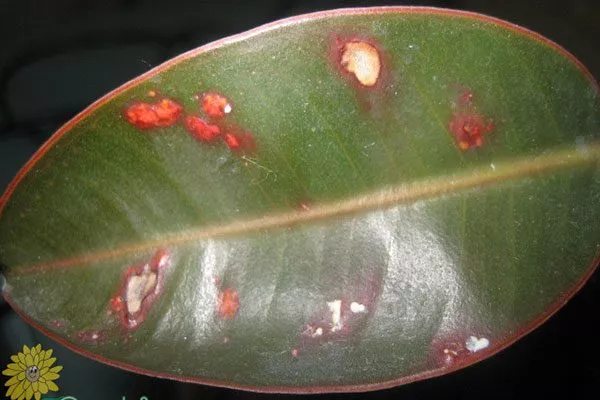
In addition to direct tissue damage, the parasites secrete honeydew, which then becomes the site of sooty mold growth, further darkening and damaging the leaf's surface.
External influences
Sometimes the cause of redness isn't infection or pests at all, but agronomic or climatic factors. Excessive fertilization or burns from concentrated fertilizers lead to "chemical" damage: leaf edges and root zones of the stems turn red, then brown, and dry out.
Typically, such changes appear soon after fertilizing or treating the soil and affect areas of direct contact with the solution. Fertilizer toxicity is usually accompanied by root drying and the formation of a whitish salt deposit on the soil surface.
Weather factors also play a role:
- A sudden transition to bright direct sunlight causes sunburn - discolored, sometimes reddened areas on the side facing the light;
- Cold stress (drafts, contact with cold glass, night-time temperature drops) can produce purple and red tints in leaves and stems.
Frequent changes in temperature and humidity cause chronic stress, so the ficus begins to show pigmentation as a defensive reaction.
Diagnosis and identification of causes
Proper diagnosis is the key to saving your ficus and preventing recurring problems. Instead of guessing, it's better to take a systematic approach: first, collect visual and tactile data, then, if necessary, perform simple tests:
- inspection of roots;
- stem section;
- humidity testing, etc.
Checking for general signs of disease and analyzing the structure of the stem and leaves
To check for general signs of disease in a ficus, carefully examine the plant and assess its condition using several criteria. Here are the key points:
- Leaves. These are often the first signs of a problem. Yellowing, dry tips, or brown spots can indicate poor watering or a lack of nutrients, but when combined with wilting or massive leaf drop, they become a sign of disease.
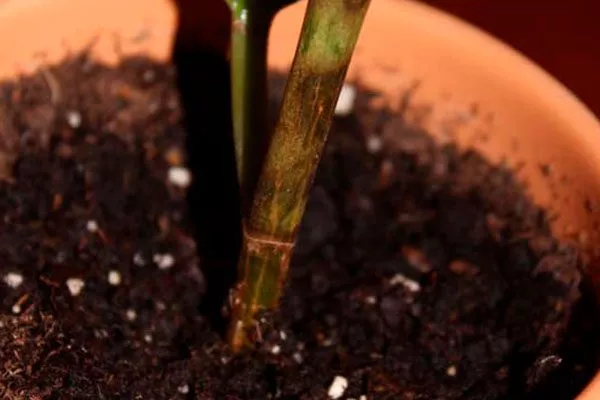
Leaves that curl, become deformed, or lose their elasticity often indicate the presence of infections or pest activity. - Stem and bark. The appearance of cracks, wet spots, or darkening on the stem surface indicates a possible fungal or bacterial infection. A white or gray coating on the surface of the shoots may be due to mold or insect infestation.
It is important to pay attention to the base of the plant: this is where most diseases often begin. - Roots. Although they can't always be checked, they also play a key role. Healthy roots are dense and light in color, with a slight, natural, earthy scent. Darkening, sliminess, or an unpleasant, putrid odor are clear signs of root rot, which quickly spreads to the entire stem and leaves.
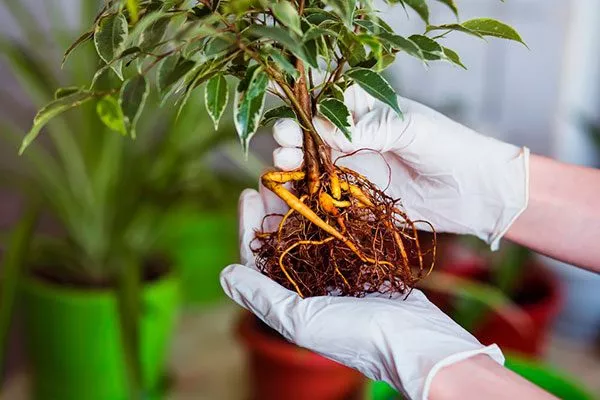
Don't forget about the overall plant species. If your ficus has slowed in growth, its branches are drooping, and new leaves aren't appearing during the active growth period, this is a sign of stress or illness.
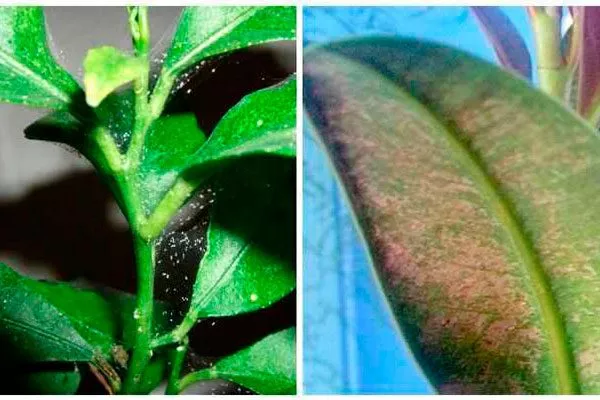
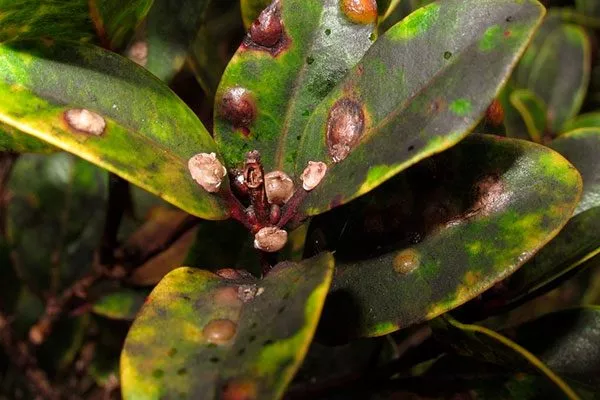
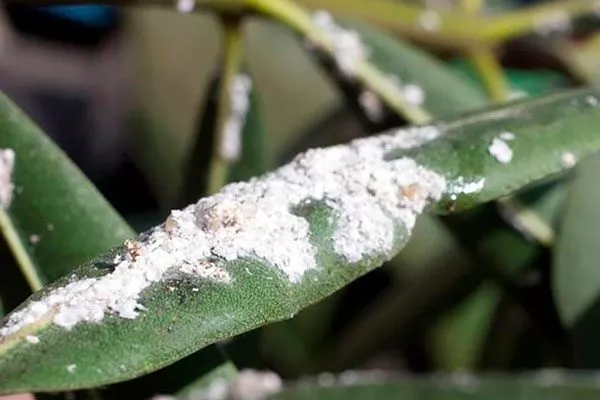
The appearance of a sticky coating on the leaves or cobwebs indicates the presence of insects:
- spider mite;
- scale insect;
- mealybug.
Observations of changes in care
When a ficus begins to show signs of stress or reddening of the stems raises concerns, it's important to carefully review and analyze how its care conditions have changed. Any deviation from normal care can be a key factor triggering alarming symptoms:
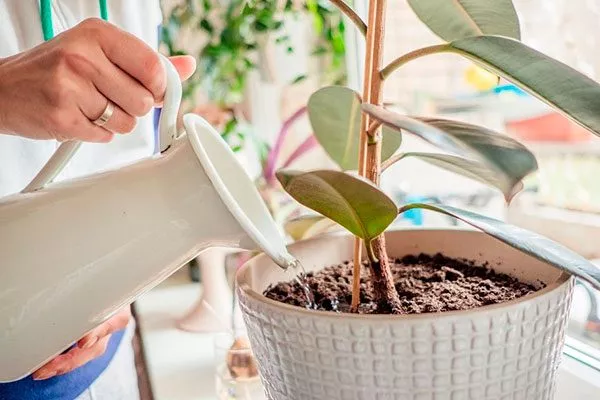
- Watering. Changes in water frequency, volume, or temperature immediately affect the leaves and stems. Overwatering leads to waterlogging, root rot, and the appearance of reddish or brown spots on the stem.
Lack of moisture, especially when combined with dry air, causes wilting of leaves, drying of edges and increased natural reddening of young shoots. - Lighting. Moving the plant to a new location, a sudden change in light direction, or direct sunlight on the leaves can cause sunburn, increased redness, and sunburn spots.
Ficus trees are sensitive to sudden changes in light, and reddening in such cases is often accompanied by fragility of the leaf blade and slight wilting. - Air temperature and humidity. Strong vibrations, drafts, or contact with cold windows cause stress in the plant, which manifests itself in a change in the color of the shoots and leaves.
Low humidity increases susceptibility to spider mites and other pests, while too much humidity creates a favorable environment for fungal infections.
Actions when a problem is identified
If you notice any alarming changes in your ficus, it's important to act quickly. Taking timely and appropriate action can mean the difference between saving the plant and allowing the disease or pests to continue to infest. Consistent action is essential.
Treatment of infections and pests
First, isolate the ficus from other houseplants to prevent the possible spread of disease or insects. Then, follow these recommendations:
- If only individual leaves or shoots are affected, carefully remove them using a clean and disinfected tool. This helps stop the infection from spreading and reduces the strain on the weakened plant.
- If you spot insects, treat the leaves and stems immediately. In the early stages, simple methods such as wiping with an alcohol solution, soapy water, or showering to wash off the pests are effective.
In case of mass infestation, use insecticidal or acaricidal preparations, strictly following the instructions. - If the problem is caused by a fungal infection, use fungicidal agents: both biological (for example, based on Trichoderma or antagonist bacteria) and chemical ones for severe forms.
Improving conditions of detention
Treatment alone isn't enough, as the disease is almost always associated with poor growing conditions. Therefore, the next step is creating the most comfortable environment possible for the ficus.
Basic requirements:
- Check the soil and drainage: if water stagnates, the roots will quickly begin to rot. In this case, repot the plant in fresh, light soil with added drainage material, removing damaged roots. Adjust watering: the soil should dry out slightly between waterings.
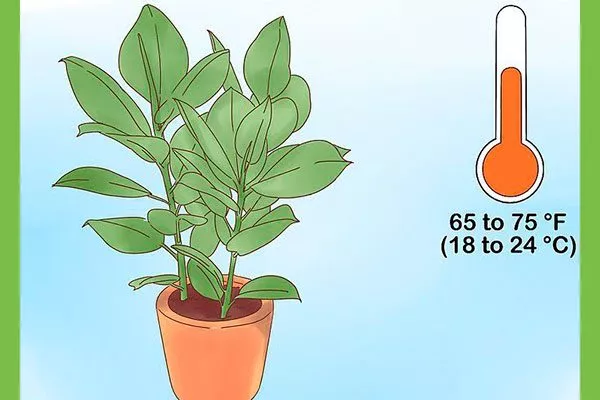
- Lighting and temperature are important. Ficus plants do not tolerate sudden movements or drafts, and too much sun can cause burns and increase stress. They thrive best in stable, indirect light and temperatures between 18 and 24°C.
- Humidity also plays a role: dry air weakens the plant, and pests reproduce more actively. Using a humidifier or placing the pot next to a tray of water can be helpful.
Special care products
Once the underlying problem has been addressed and comfortable conditions have been created, specialized treatments can be introduced to help the plant recover. These include growth biostimulants and root strengthening products.
Additionally, you can use gentle preventative measures:
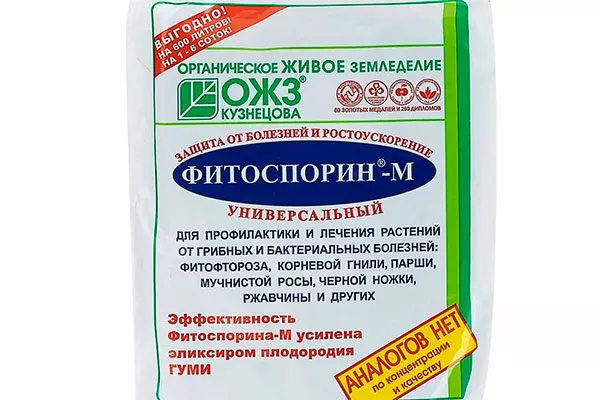
- spraying with a solution of Fitosporin or other biofungicides to protect against fungi;
- Wiping the leaves with a soap solution to remove any pests that may have appeared.
Questions and Answers
This section will help you quickly understand when reddening of a ficus stem is normal and when it signals problems. Below are the most common situations and explanations to help you determine the proper care for your plant:
Ficus trees are prized for their decorative qualities and low maintenance. However, even with them, gardeners often notice changes that cause concern. One such change is stem reddening: sometimes this is a natural process, while other times it signals poor care or disease. It's important to understand when a reddish tint is normal and when it requires attention.