
Winter is a dormant period for ficus, and it's during this time that proper growing conditions determine the plant's health for the coming season. Temperature, lighting, humidity, and watering play a key role in maintaining vibrant foliage and strengthening the root system. It's important to follow basic winter cultivation practices.
Optimal temperature in winter
In winter, the plant is especially sensitive to growing conditions. The right temperature helps maintain healthy leaves and stimulates vigorous growth in the spring.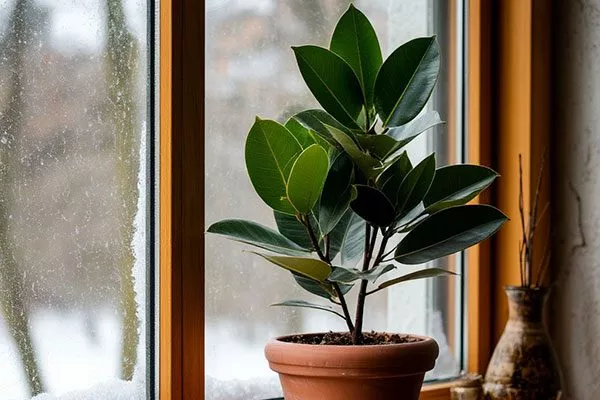
What is better to choose - a cool room or a warm room?
Ficus plants are best kept in cool, yet bright rooms during the winter. A room that's too warm can cause the plant to awaken prematurely and increase moisture evaporation, leading to dry leaves.
Features of crop cultivation:
- In a cool room, growth slows, and the plant rests peacefully, conserving energy for spring. However, temperatures should not fall below a critical level, otherwise the roots and leaves may suffer.
- In a warm room, a ficus requires more frequent watering and higher humidity, which increases the risk of fungal diseases. A cool winter also helps maintain the rich color of the leaves and prevents them from yellowing.
What indicators are considered ideal?
The optimal temperature for overwintering most ficuses ranges between 12 and 18°C. Under these conditions, the plant slows down its growth but doesn't become stressed. However, it's important that nighttime temperatures don't drop below 10°C, otherwise the leaves may begin to turn yellow and fall off.
If possible, choose a room with a temperature slightly lower than room temperature, for example, around 15-18°C, but avoid drafts. Sudden changes in temperature are also very dangerous, as they can stress the plant.
Features of watering and air humidity
In winter, the ficus enters a dormant period, and its water and nutrient needs significantly decrease. Proper irrigation and maintaining optimal humidity help keep the plant healthy and prevent leaf drop.
How much and how often should you water a ficus in winter?
Ficus should be watered moderately during the winter, with an emphasis on preventing the roots from drying out. The plant's root system absorbs water more slowly during cold weather, so frequent watering is not necessary. The soil should dry out slightly on the surface, but not completely.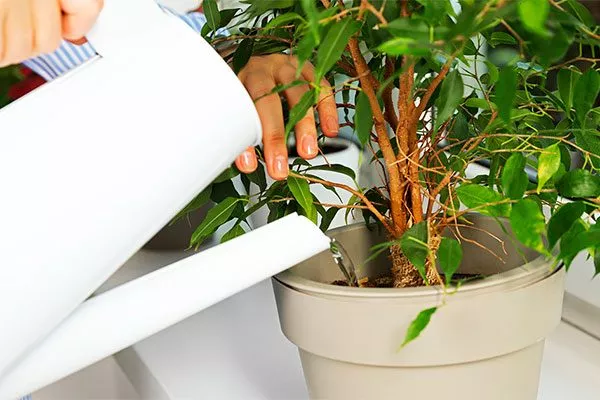
Excessive moisture in winter can cause root rot and fungal diseases. It's best to use room-temperature water, either settled or slightly warmed. Watering frequency is typically once every 10-14 days, but it should be based on the soil and air quality in the room.
Is it necessary to increase air humidity and how?
In winter, indoor air is usually dry due to heating, which negatively impacts ficus trees: leaves may lose turgor and dry out at the edges. The optimal humidity for ficus trees during the cold season is around 50-60%.
You can increase it in several ways:
- placing the plant on a tray with water and decorative pebbles;
- using a humidifier;
- by regularly spraying the leaves with soft water.
The role of lighting in winter
In winter, days are short, and natural light is often insufficient for the ficus to thrive. Proper lighting during this period helps the plant maintain its health and prepare for spring growth.
Why is adequate lighting important?
Ficus is a sun-loving plant, and insufficient light in winter can cause leaves to weaken and fall off. In low light, foliage loses its vibrancy, the plant becomes elongated, and shoots become thin and brittle.
Key Features:
- Light is essential for photosynthesis, even when the plant is dormant, as it maintains metabolism. A lack of light reduces the ficus's resistance to stress and disease.
- Sufficient lighting maintains the rich color of the leaves and prevents yellowing.
- Good lighting in winter helps prepare the ficus for active growth in spring.
Organization of additional lighting
If sunlight isn't sufficient in winter, artificial lighting can help solve the problem. Follow these guidelines:
- The most suitable are phytolamps with a cool or combined spectrum, which mimic natural sunlight. Place them 30-50 cm from the plant to avoid scorching the leaves. Turn on the lamps for 10-12 hours, simulating daylight.
- Maintain even lighting on all sides of the plant by turning the pot every few days.
- Do not place the lamp too close to the leaves to avoid burns.

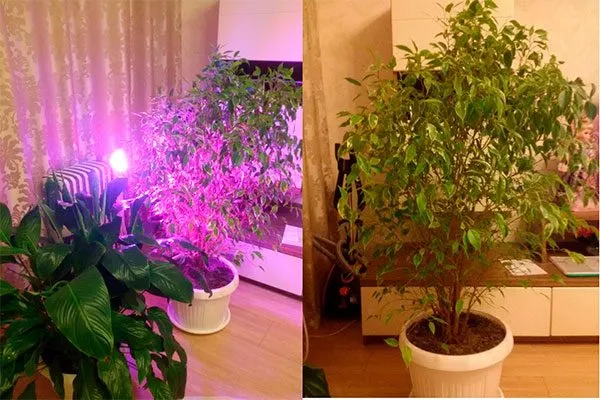
Using additional light helps maintain the compact shape of the ficus and prevents the shoots from stretching.
Fertilizer and feeding
During winter, the ficus tree is dormant, so its nutrient requirements are significantly reduced. However, proper nutrition can maintain the plant's health and prepare it for spring growth.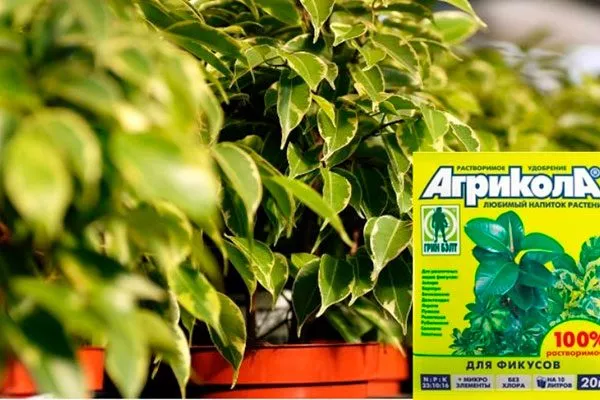
Should I apply fertilizer in winter?
Overfertilizing in winter can damage roots and cause salt buildup in the soil. The plant typically does without regular feeding until spring.
Fertilizing at this time is only justified if there are clear signs of nutrient deficiency:
- yellowing of leaves;
- leaf fall.
If your ficus is experiencing poor growth or deteriorating health, occasional, light fertilization can help maintain its health. The best method is to use fertilizer at half the concentration used in the summer.
Which ones exactly and in what quantities?
For winter feeding of ficus, weak solutions of complex fertilizers with low nitrogen content and moderate amounts of phosphorus and potassium are suitable. Follow these recommendations:
- Use liquid fertilizers that are evenly distributed throughout the soil and easily absorbed by the plant. Organic fertilizers, such as wood ash infusion or diluted mullein, are a good option.
- Add fertilizer every 4-6 weeks if the plant shows signs of underfeeding.
- Combine mineral and organic solutions, alternating them. However, avoid using strong growth stimulants in winter.
How to combat the cold on a windowsill?
In winter, ficus plants on windowsills often face cold from glass and drafts. Low temperatures and sudden temperature changes can cause various problems.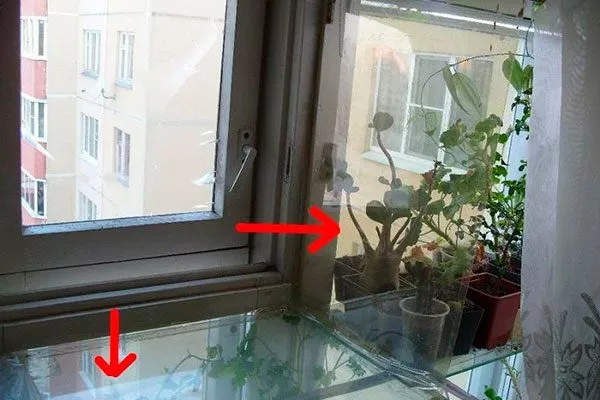
Helpful tips:
- Window sills near old windows or poorly insulated frames can be a source of cold air. To protect your ficus, use insulation: thick curtains, plastic window film, or decorative panels.
A foam or special material substrate under the pot works well—it reduces cold contact with the surface. Any barrier that prevents a sharp blast of cold air reduces stress on the roots and leaves. - Ficus roots are particularly sensitive to cold, so it's important to avoid placing the pot directly on a cold windowsill. Use insulated stands or boards, decorative mats, or wooden objects.
Some plant lovers place a layer of pebbles or expanded clay under the pot and add water on top—this creates an additional microclimate and slightly increases the humidity around the roots. It's important that the pot doesn't trap moisture directly under the roots, as this can lead to rot. - If the windowsill is very cold, move the ficus to a safe distance from the window. Installing small electric heaters or plant warming mats can help. The heat should be gentle and even, without any sharp hot spots, otherwise the leaves may burn.
What should I do if the radiators are hot?
Heating devices can cause a variety of problems. Leaves can dry out, curl, and fall off, while roots can overheat. To prevent damage to your plant, create comfortable conditions and reduce exposure to direct heat.
Follow the rules:
- Distance from the battery. The first and simplest solution is to move the pot to a safe distance from the radiator. Typically, 30-50 cm is sufficient to prevent the heat from drying out the soil and leaves. If moving the pot is impossible, elevate it on a stand or table to direct the warm air below the root zone.
- Creating a barrier. Use screens or partitions made of plywood, chipboard, or thick fabric. This "obstacle" dissipates heat and prevents direct exposure to the leaves and roots. Leave a small gap between the barrier and the radiator to allow air circulation.
- Thermal insulation of the pot. Wrapping the pot with fleece, foam, or decorative fabric helps insulate the roots from the hot surface. A pot with an insulating layer also reduces soil heating. This method is especially effective for ceramic or clay containers, which can become very hot from radiators.
How to prepare a flower for spring awakening?
With the arrival of spring, the ficus gradually emerges from dormancy and prepares for active growth. To ensure the plant awakens healthy and delights with vibrant foliage, it's important to prepare it for the changing conditions in advance:
- Gradual increase in temperature. After overwintering in a cool room, gradually acclimate the ficus to warmer temperatures. A sudden transition from cool to hot temperatures can cause stress, yellowing, and leaf drop.
Optimally, increase the temperature by 1-2 degrees every day until it reaches room temperature, around 20-22°C. This approach helps the plant activate its metabolism without causing significant stress. - Increased illumination. As spring approaches, the days become longer, but supplemental lighting is still important. The plant responds best to bright, indirect light. If your windows face north, it's advisable to use grow lights.
A gradual increase in light stimulates photosynthesis and prepares the leaves for intensive work. - Irrigation and humidity control. During the awakening period, the ficus begins to absorb water more actively. Water the soil more frequently, but sparingly, avoiding overwatering. Mist the leaves with warm water to increase humidity and maintain turgor.
Periodic monitoring of the condition of the soil and leaves helps to adjust watering in a timely manner. - Light feeding. In spring, the ficus begins active growth, so it's time to apply fertilizer. Use liquid, low-nitrogen fertilizers to avoid stimulating rapid growth.
Carry out this procedure once every 2-3 weeks to allow the plant to gain strength and produce new leaves. - Processing and sanitary care. Before spring, it's a good idea to inspect the leaves and stems for pests and old damage. Wipe the leaves with a soft, damp cloth and remove any yellowed or dried leaves. This preparation reduces the risk of disease and encourages healthy foliage.
- Ventilation and air circulation. Ficus trees love fresh air, but drafts are dangerous. As spring approaches, it's helpful to gradually increase ventilation, avoiding sudden blasts of cold air. This strengthens the plant and reduces the risk of fungal diseases.
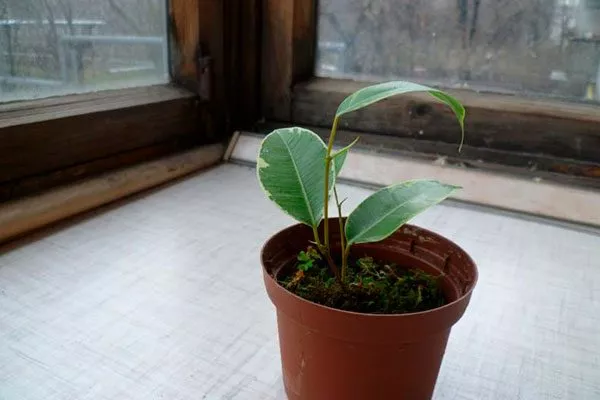
Helpful tips
In winter, the ficus is especially vulnerable to adverse conditions: cold, drafts, dry air, and insufficient light. Proper space management and care allow the plant to maintain health, vibrant foliage, and prepare for spring growth.
Choose the right location indoors
For overwintering a ficus, it's important to choose a bright but not too hot location. A windowsill with an east- or south-facing window, where there's diffused light, is ideal.
Please follow the requirements:
- Avoid direct sunlight through the glass to prevent the leaves from getting burned.
- Place the pot on a stable surface that is not heated by the radiator and does not let in cold air.
- If the windows are cold, use liners or insulation for the container.
- The location should provide easy access to the plant for watering and maintenance.
Preparing the right location reduces stress and helps maintain leaf turgor.
Protect your ficus from temperature fluctuations and drafts.
Sudden fluctuations in temperature can negatively impact the roots and leaves. Never place a ficus near doors that are frequently opened or near cracks with cold air. Drafts can cause the leaves to turn yellow and fall off. For protection, use screens, thick curtains, or decorative partitions.
If your windowsill is cold, place an insulating mat under the pot. Gradual temperature changes are preferable to sudden ones, especially when moving the plant from a cool to a warm room.
Prevent leaf fall
Leaf drop in winter is often caused by improper watering, low humidity, or cold. Water moderately, checking the top layer of soil to make sure it's slightly dry.
Maintain optimal humidity. Wipe dust off the leaves to allow them to breathe better and absorb light. Avoid using chemical growth stimulants.
Avoid relocations in winter
Frequent relocation of a ficus causes stress, especially in cold climates and low light conditions. Any change in location can disrupt the plant's adaptation to indoor conditions. Try to choose a permanent location in advance and avoid moving the pot unnecessarily.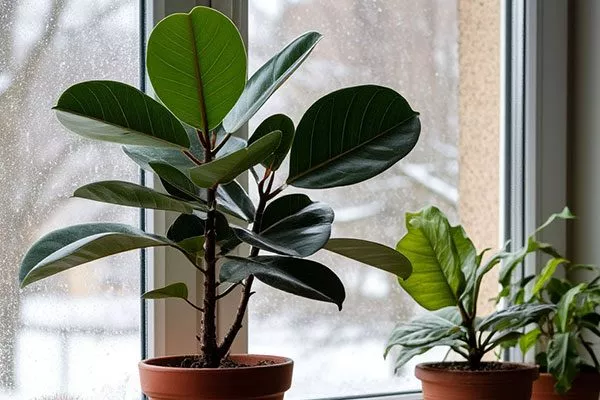
When planning wintering, it's important to consider the individual needs of each ficus species: some plants tolerate cooler temperatures better, while others require moderate heat. Maintaining optimal temperature, humidity, and light conditions will help keep your ficus healthy and prepare it for active growth in the spring.