
A white coating on ficus leaves is a common problem faced by many gardeners. Sometimes it's just a natural process, but more often it signals a problem. diseases, pest infestation, or improper care. Ignoring this symptom can lead to weakening, stunted growth, premature leaf drop, and even death of the plant.
Reasons
White coating on ficus leaves can be caused by a variety of factors. For proper treatment, it's important to determine the source of the problem. The main causes can be divided into three groups: fungal infections, pests, and salt deposits.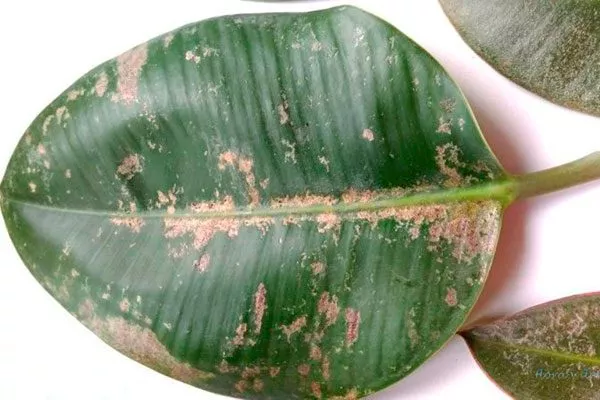
Fungal infection
Powdery mildew is one of the most common causes of white coating on ficus leaves. The disease is caused by fungi that thrive in high humidity and poor ventilation.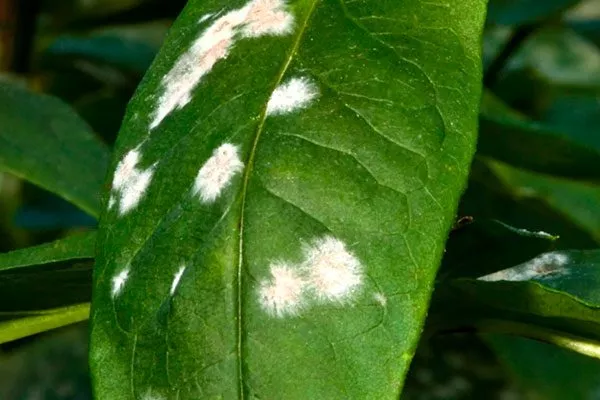
Symptoms of powdery mildew include:
- white powdery coating on the upper or lower surface of the leaf;
- curling and deformation of leaves;
- slow growth and yellowing of old leaves;
- in severe cases – leaf fall and shoot death.

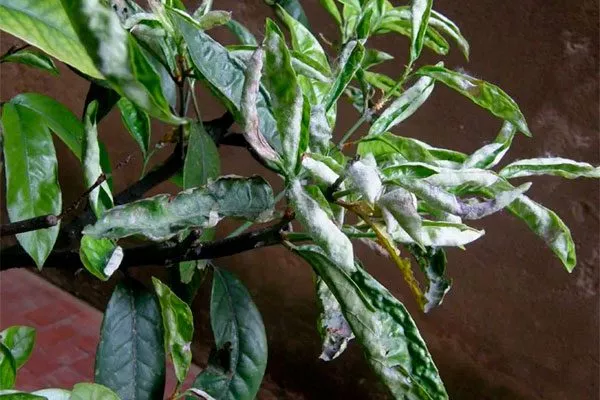
Powdery mildew most often appears in closed rooms with infrequent ventilation, when watering with cold water, or if the leaves remain constantly wet.
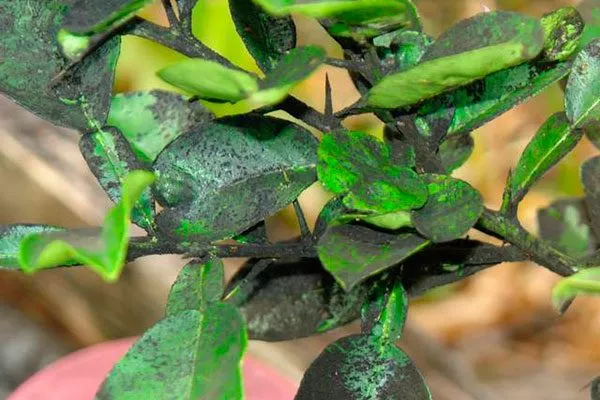
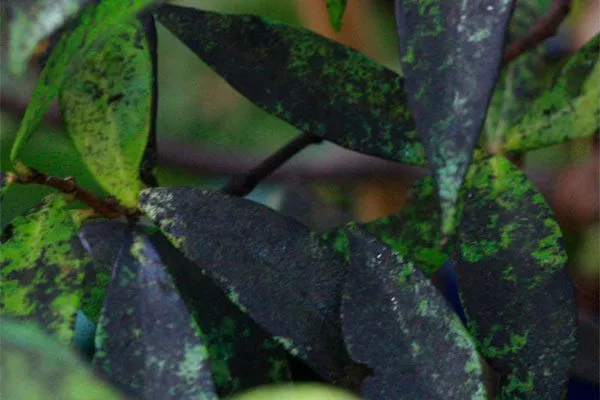
Sooty mold manifests itself a little differently:
- It forms a black and white coating on leaves, stems and sometimes on fruits.
- The fungus thrives on the sugary secretions of insect pests such as aphids or mealybugs, so disease infections are often accompanied by signs of these insects' activity.
- Externally, the coating resembles dust or cobwebs, and over time, the leaves become dull, losing their natural shine.
Pests
White plaque can also be caused by insects that infest the ficus. The most common pests are:
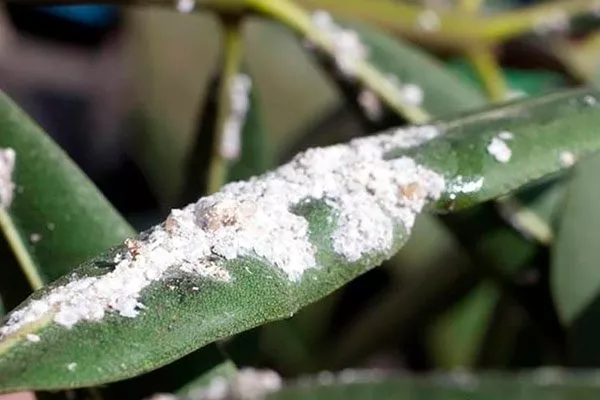
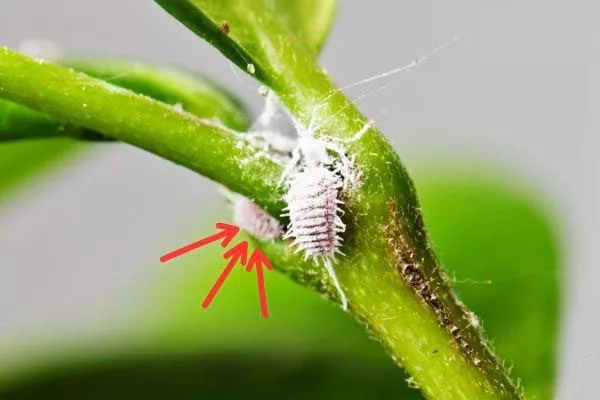
- Mealybug. Small white insects with a fluffy or cottony coating. They suck the sap from leaves and stems, leaving behind a sweet secretion on which sooty mold grows.
Signs of damage:- twisted leaves;
- sticky coating;
- discoloration of the leaf blade;
- growth slowdown.
- Thrips. These small insects, up to 2 mm long, damage leaves and young shoots, leaving behind white or silvery spots that sometimes coalesce into a film. These pests are most active in dry, warm indoor weather.
- Spider mite. A microorganism that creates a light, white-gray, web-like coating on the underside of leaves. The leaves gradually turn yellow, dry out, and fall off. The mite thrives in conditions of insufficient watering and dry air.
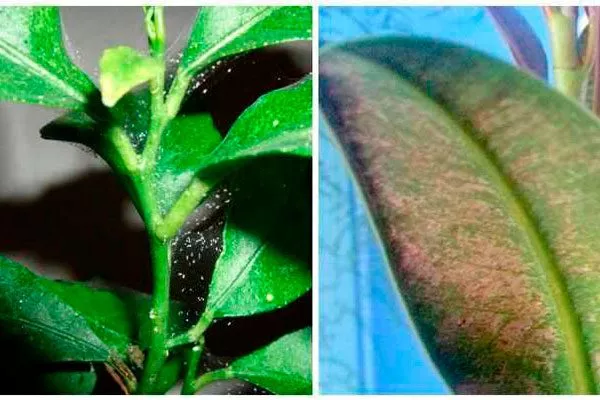
Salt deposits
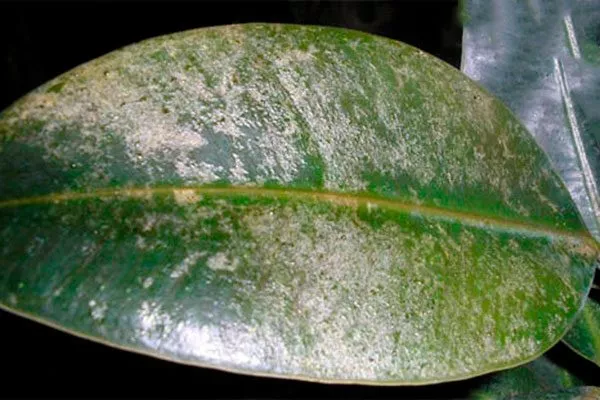
Sometimes a white coating on ficus leaves isn't due to disease or pests, but is a result of salt accumulation from water or fertilizers. When watered with hard water, a whitish coating forms on the leaves, especially on the underside of the leaf blade and at the base of the petioles.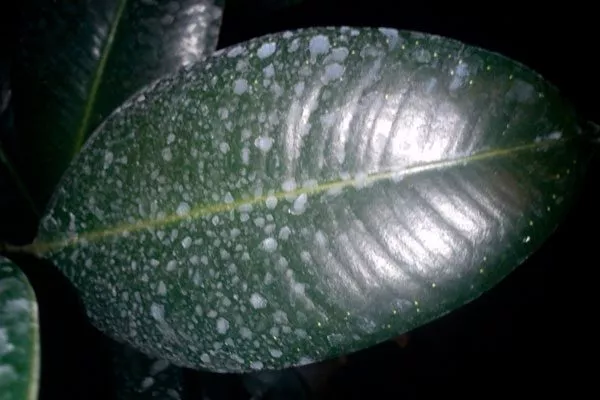
Signs of salt deposits:
- white coating with a powdery or crystalline structure;
- the leaves remain elastic, without curling or deformation;
- the plaque can be easily washed off with warm water;
- appears with frequent use of mineral fertilizers.
Salt deposits are not dangerous for plants if removed promptly, but constant accumulation of salts can lead to root burns and a decrease in the plant's decorative appeal.
Treatment methods
The solution to the problem depends on its underlying cause. It's important to begin treatment promptly.
If you are affected by fungal infections, follow these rules:
- remove affected leaves to prevent spread;
- treat the plant with fungicides: copper-based preparations (Bordeaux mixture, copper sulfate), systemic fungicides (Topaz, Strobi);
- improve room ventilation and avoid over-wetting the leaves;
- Water with warm, settled water, directing the stream at the roots and not at the leaves.
If the plaque on the ficus leaves is due to pests, follow these steps:
- treat with insecticides (Aktara, Fitoverm) or biological preparations (Trichodermin, Entomophages);
- wipe the leaves with a cotton pad soaked in soapy water;
- Inspect the plant regularly, especially the underside of the leaves and axils.
In case of salt deposits, proceed differently:
- wash off the plaque with warm, settled water;
- use water with low salt content (rainwater or filtered);
- reduce the dosage of mineral fertilizers or alternate them with organic ones;
- Once a month, you can rinse the soil and roots with a weak solution of citric acid or vinegar to remove salt deposits.
Prevention
Preventing white growth on ficus leaves is key to maintaining the plant's health. Key preventative measures include:
- Irrigation and humidity controlPour water only at the roots, avoid dripping onto the leaves.
- Proper feeding. Use mineral fertilizers in recommended doses, alternating with organic ones.
- Regular inspection of plants. Early detection of pests and diseases allows for quick action.
- Treatment with fungicides and insecticides. Preventive treatment in spring and summer reduces the risk of fungal and insect damage.
- Timely removal of old and damaged leaves. Reduces the likelihood of spreading infections.
- Providing optimal conditions of maintenance. Temperature, diffused light, moderate air humidity.
- Using clean tools. When pruning and replanting, to avoid introducing infection.
White plaque on ficus leaves can be caused by fungi, pests, or salt deposits, but proper diagnosis helps select the appropriate treatment. Timely care, humidity control, and regular inspection of the plant significantly reduce the risk of damage. Prevention and careful monitoring will help protect the plant from failure.