
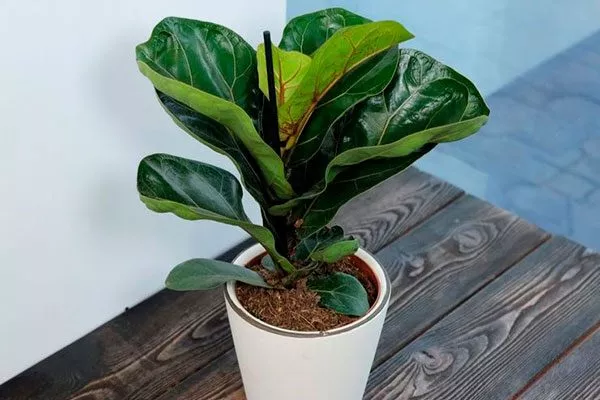
Ficus Bambino is a compact and graceful houseplant with large, glossy, lyre-shaped leaves. It blends harmoniously into any interior, remaining decorative year-round. Its low maintenance, resistance to most diseases, and attractive appearance make it an excellent choice for those who love indoor greenery.
Description of the species
The appearance of the Ficus Bambino stands out among other varieties, primarily due to its modest size. Distinguishing characteristics of the plant:
- The variety is characterized by its low growth, rarely exceeding 50 cm in height, which is the reason for the choice of the name, which refers to the Italian word meaning “child”.

- Growth is slow, adding only 10-15 cm per year – it takes several years to reach maturity.
- The root system of the ficus is not very developed.
- Bambino is attractive with its upright stems and compact crown. The plant doesn't tend to branch on its own, so regular pruning and pinching are necessary to maintain an aesthetically pleasing appearance.
- Because of the plant's lack of splendor, gardeners sometimes plant several plants in one pot to create a denser effect.
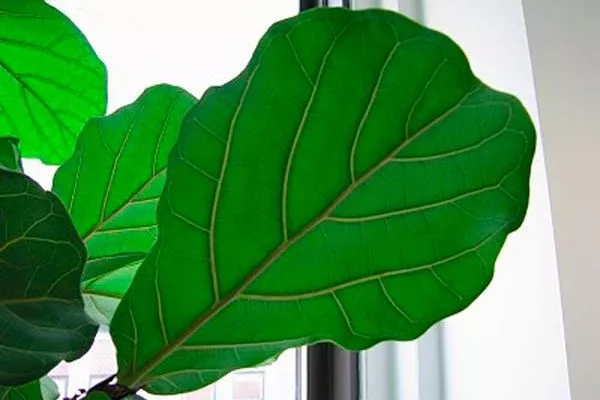
- The cultivar's main characteristic is its leaves, which resemble a lyre or violin, marking it as a member of the Lyrata species. The glossy surface of the large leaves is adorned with a prominent central vein, from which the lateral veins radiate. The undersides feature prominent venation with a pinkish tint.
- Bambino leaves reach 12-15 cm in length and up to 7 cm in width. They have a leathery texture, are slightly wrinkled, dense, and elastic. Young leaves are a rich green, darkening with age. The edges are slightly wavy.
Popular types of Ficus Bambino
There are several varieties of Ficus Bambino. Popular species are listed below:
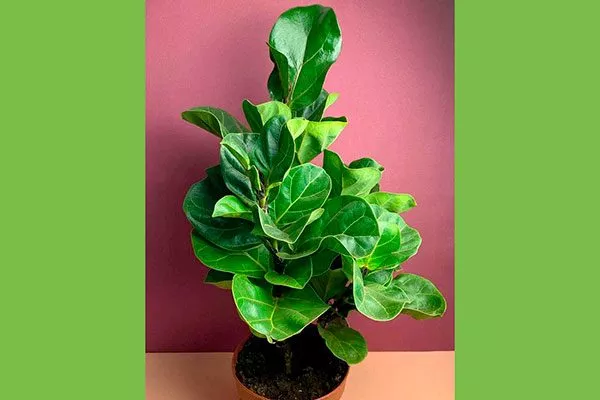
- Bambino Ginkgo. Prized for its large, glossy, rich green leaves, it is popular due to its attractive, compact form and slow growth.
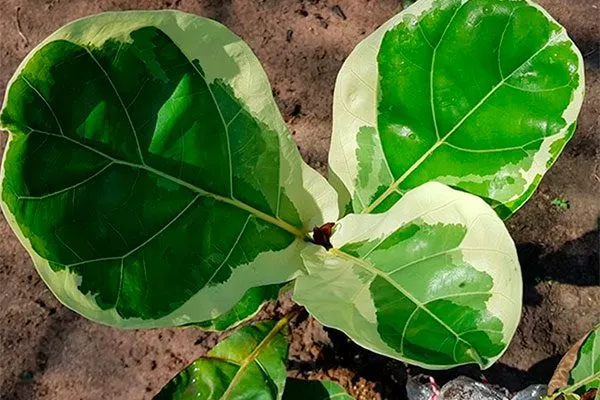
This plant is perfect for decorating small spaces, making it an ideal choice for those looking for an easy-to-care-for yet striking plant for their home or office. - Bambino Variegata. Considered the best choice for small spaces due to its slow growth, its distinctive feature is the unusual leaf coloring: a combination of green and cream stripes creates an attractive visual effect.
Both types of Ficus Bambino require little care. To thrive, they require bright, indirect light, moderate watering, and regular fertilizing.
Landing features
Ficus Bambino is ideal for indoor growing. To ensure the plant takes root and grows quickly, it's important to properly prepare the site, select the appropriate pot and soil, and follow the planting instructions. The initial rooting steps determine the plant's future health and decorative appearance.
Choosing a location and lighting at home
It's crucial to protect the Ficus Bambino from drafts and cold surfaces, as these can damage its root system and lead to its death. Using a wooden base or heating mat under the pot is recommended.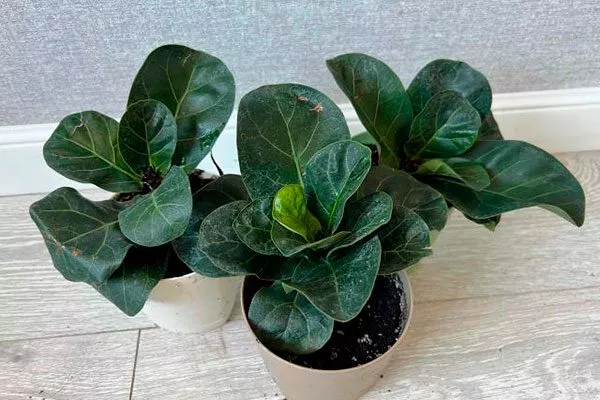
Basic requirements:
- The plant prefers well-lit locations but requires protection from direct sunlight during the hottest hours of the day. Ideally, it should be placed on the east or west side of the house.
- If the ficus is located on the south side, it is necessary to provide it with shade or move it away from the window at a distance of about 1 m.
- When placed on the north side, additional lighting may be required, even in the spring and summer.
Keep in mind that Bambino does not tolerate rearrangement well, so you need to choose a suitable place for it right away.
Pot size and soil requirements
Any container is suitable for growing ficus, as long as it has drainage holes and a tray to catch excess water. After purchasing a ficus in its shipping container, repot it into a new pot, which should be 3-5 cm wider than the root system.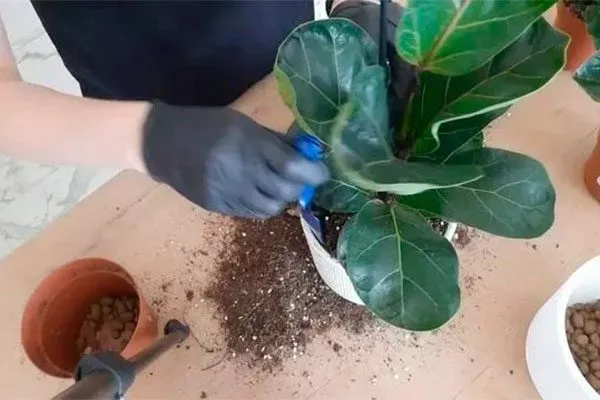
The container should have enough space for drainage and a small reserve for root growth.
Purchase ready-made soil for ficus and palm trees. Alternatively, prepare your own soil mixture using:
- two parts of garden soil;
- one part sand;
- two parts of leaf soil.
Instead of sand, you can use perlite or vermiculite. If you prepare your own soil, disinfect it first by baking it in the oven or freezing it.
Temperature and humidity
Ficus Bambino thrives at a stable temperature of 20-23°C year-round, as it doesn't have a distinct dormant period, although its growth slows slightly in winter. Avoid excessive heat for this plant.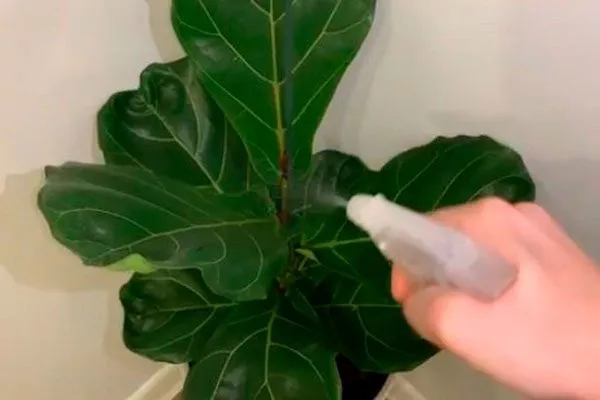
A native of the tropics, it requires high humidity, especially during hot periods and when kept in warm winter conditions.
Important points:
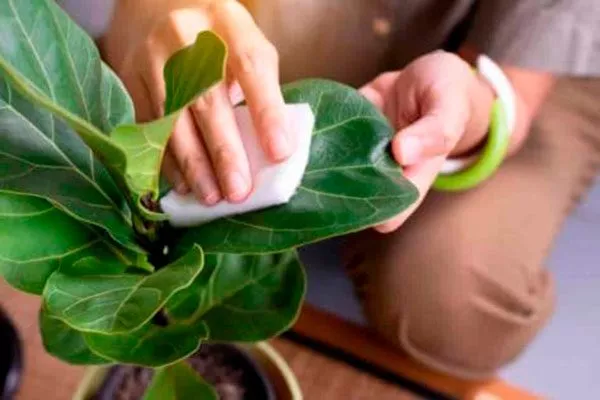
- Spray the plant regularly and wipe its leaves with a damp, soft cloth.
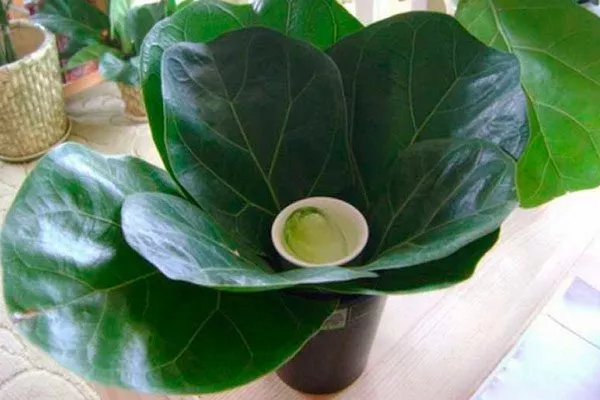
- To increase humidity, use various methods: placing containers of water, decorative fountains, aquariums, humidifiers and other suitable means.
- If the room temperature drops to +15-18°C in winter, temporarily stop spraying to prevent possible plant disease.
The landing process
Before you begin growing your ficus, prepare all the necessary materials: a suitable pot, drainage, nutritious soil mixture, and warm, settled water for watering. Work carefully to avoid damaging the root system.
Plant in the morning, when the plant is in its active phase. Follow these instructions:
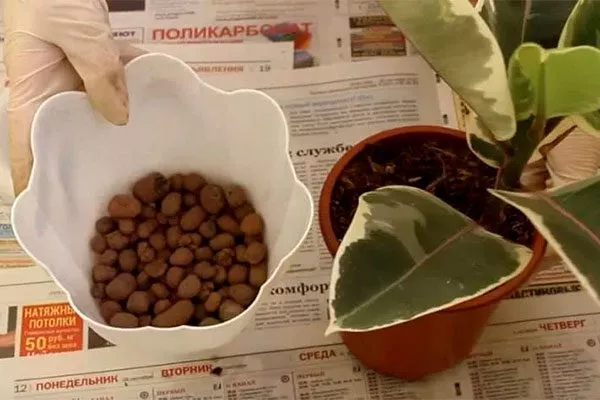
- Prepare a pot with a 2-3 cm thick drainage layer.
- Add some soil over the drainage.
- Remove the ficus from the old pot, being careful not to destroy the root ball.
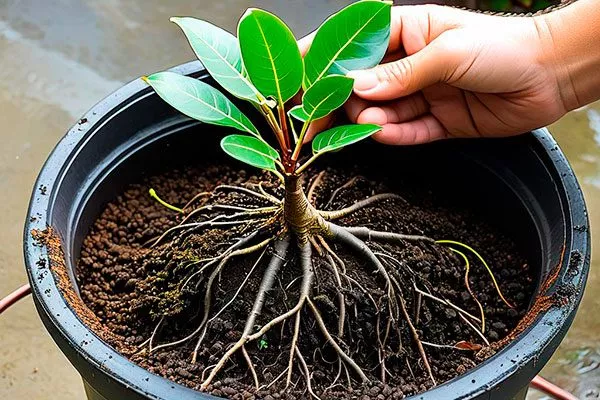
- Place the seedling in the center of the new container, carefully straightening out any overly intertwined roots.
- Fill with fresh soil, compacting it lightly to remove any air pockets.
- Water the plant with warm, settled water until the soil is evenly moistened, and drain excess moisture from the tray.
- Place the ficus in a permanent location, protected from direct sunlight and drafts, especially in the first days after transplantation.
Plant care
Once properly planted, the Ficus Bambino requires regular and competent care to maintain its compact shape and rich green foliage. This includes a number of cultural practices that, if followed, will help the plant grow vigorously and remain attractive for years to come.
Watering
Ficus Bambino requires balanced moisture. Here are some guidelines to follow:
- Wait until the top layer of soil (about 2-3 cm) is dry to the touch. This usually takes about seven days at suitable temperatures.
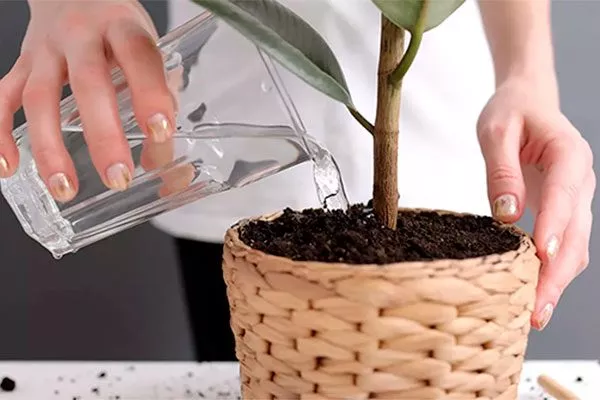
- Evenly water the soil around the edges of the pot with room-temperature water. After 30 minutes, remove excess water from the tray and re-water the soil, but with a smaller amount of water.
- Use water that has been settled for a week to avoid white spots on the leaves.
During the summer months, it is useful to give the Ficus Bambino a warm shower:
- Wrap the pot in plastic to avoid over-watering the soil.
- Water the plant gently from above for 10-15 minutes.
- Allow the leaves to dry completely in the bathroom before returning the ficus to its normal location.
Unlike other varieties, Bambino does not drop leaves even with minor watering irregularities. However, persistent watering errors, such as under- or over-watering, can lead to leaf deformation and loss of ornamental value. In such cases, radical pruning may be necessary.
Top dressing
To ensure your ficus remains healthy, experienced gardeners recommend following a specific fertilizing schedule. Specialized fertilizers for ficus or evergreen houseplants are the best choice, as they contain all the necessary elements.
Avoid refills in the following situations:
- if in winter the temperature drops below +20°C, in summer it exceeds +30°C;
- the plant is sick;
- The ficus is affected by pests or has been recently transplanted.
From mid-spring to mid-fall, fertilize every two weeks. In March and November, one feeding per month is sufficient. In winter, fertilize the plant once a month, provided the temperature remains comfortable.
Trimming
Ficus Bambino generally doesn't require pruning, as this species isn't intended for bonsai or standard tree training. Even removing wilted leaves can slow the plant's growth. It's recommended to wait for them to fall naturally.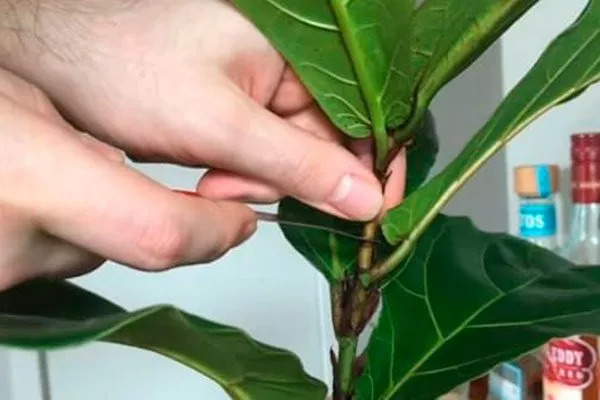
But pruning is necessary in the following situations:
- to stimulate branching;
- to awaken dormant buds if the plant has lost its lower leaves and looks unsightly;
- to correct the shape, for example, when shoots become excessively elongated due to insufficient light in winter;
- to give the bush a more compact appearance.
Step-by-step instructions:
- First pinch off the top, then remove 2-3 internodes.
- Make the cut 1 cm above the leaf.
- Carefully blot the released juice with a napkin.
After pruning, treat thick branches with activated charcoal or garden pitch. If the plant is leaning, it's necessary to install support or prune the trunk radically.
Breeding Bambino
There are two ways to propagate the plant: by seeds or cuttings. Cuttings are the simpler and more popular method, especially effective in spring or early summer.
The cutting process includes the following steps:
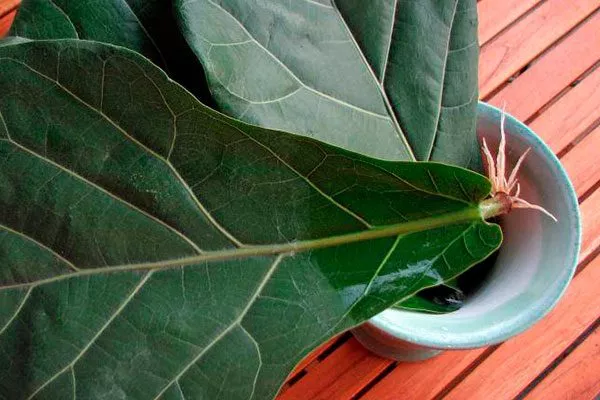
- Select a healthy shoot about 10 cm long with several leaves and make a neat cut.
- Remove the released juice from the cut area.
- Treat the cut with a root growth stimulator.
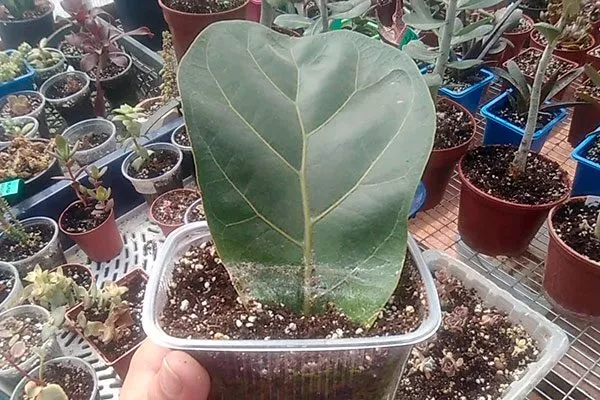
- Reduce moisture evaporation by cutting large leaves in half.
- Plant the cutting in a container with perlite and peat chips.
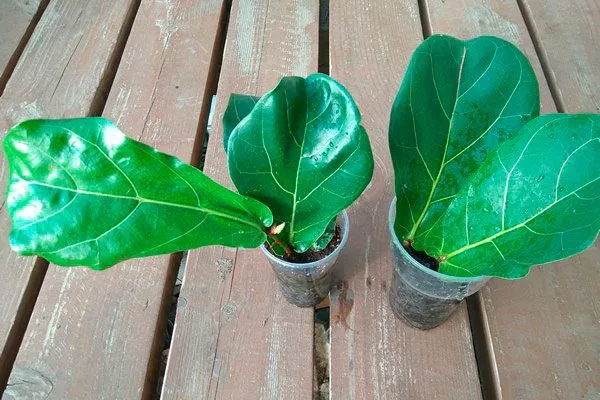
- Create a greenhouse effect by covering the shoot with a jar or plastic bottle and placing it in partial shade.

Seed propagation is more time-consuming and labor-intensive: seeds can take 1 to 3 months to germinate. For successful germination, shallow planting and maintaining an air temperature of around 25°C are recommended.
Transfer
A purchased Ficus Bambino is usually stored in a transport medium, which is not intended for long-term use. It is recommended to repot the plant into suitable soil as soon as possible, preferably in spring or early summer—this is the most favorable time for repotting.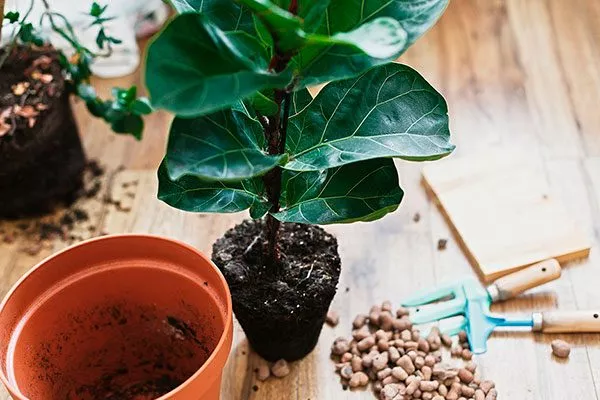
The relocation process includes the following steps:
- Water the ficus generously, then carefully remove it from the pot, holding it by the trunk.
- Carefully inspect the roots, being careful not to damage the root ball. If they are healthy, gently shaking the plant is sufficient. Trim away any damaged or diseased areas, removing some healthy tissue as well.
- Place a drainage layer at the bottom of the new pot, followed by some fresh soil.
- Place the ficus in the center and fill the voids with soil, lightly tapping the container to avoid the formation of air pockets.
- Finally, water the plant generously.
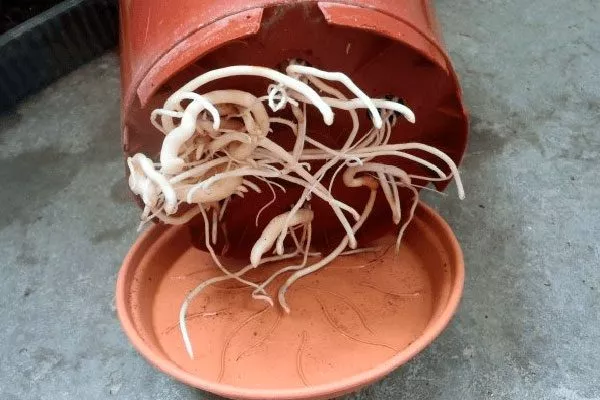
Signs that indicate an urgent transplant:
- roots growing through drainage holes;
- unpleasant smell from the soil;
- increase the frequency of watering (if the plant dries out quickly).
Additional tips:
- In case of disease or poor soil condition, completely replace the soil around the roots.
- If the plant is affected by rot, add Fitosporin to the water for the first watering.
- After root pruning, yellowing of the leaves may be observed; to solve this problem, use a Kornevin solution.
Diseases and pests
Bambino is highly disease-resistant, but is susceptible to fungal infections when overwatered or overwintered in cold conditions combined with spraying. These conditions promote the development of mold and rot.
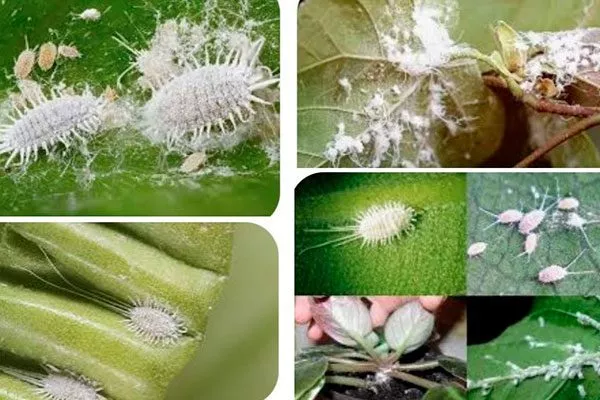
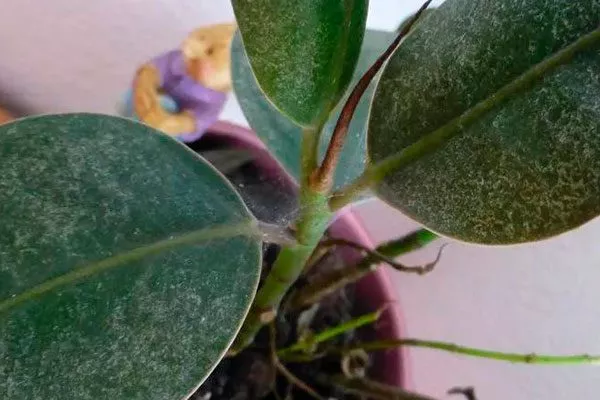
Weakened ficus trees are vulnerable to pests, the most common of which are:
- Mealybugs. They appear as a white, cottony coating. To combat them, wipe the leaves with a cotton pad soaked in rubbing alcohol or spray with a soapy solution after protecting the soil.
- Scale insect. It causes leaf deformation, swelling, redness, and a sticky coating. Remove affected leaves and then treat the plant with insecticides such as Fitoverm, Aktara, Actellic, etc.
- Spider mite. It's caused by dry air. Regular wetting, showering, and using a soapy solution will help get rid of it. If this doesn't work, use acaricides such as Akarin, Neoron, Apollo, and others.
- Orange aphid. It sucks the sap from leaves. A soap solution with added tobacco dust is effective against this pest.

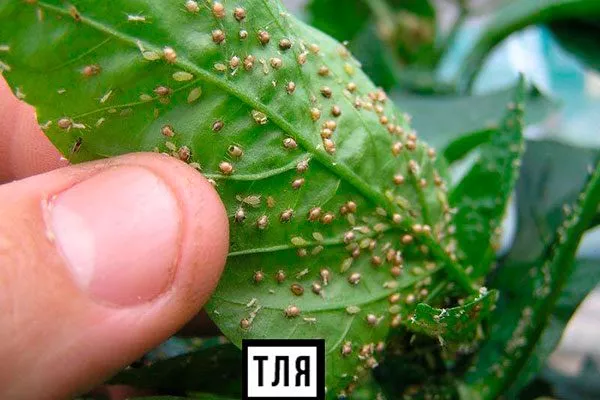
To ensure your Ficus Bambino remains healthy and pest-free, it's important to create favorable conditions for it and regularly carry out preventative measures:
- Maintain optimal air humidity and avoid over-watering the soil to prevent the development of fungal diseases.
- Water only with settled water at room temperature, avoiding getting moisture on the leaves.
- Periodically inspect the plant, especially the underside of the leaves, for spider mites, aphids, or scale insects.
- Once every 1-2 months, wipe the leaves with a damp soft cloth, removing dust and possible pest larvae.
- Once a season, carry out preventative spraying with biological preparations, for example, Fitosporin against fungal infections and garlic infusion or green soap against insects.
- Avoid sudden temperature changes and drafts to avoid weakening the plant's immunity.
- Quarantine new houseplants for 2-3 weeks before placing them next to the ficus.
Pros and cons of Ficus Bambino
Its compact form and vibrant leaves make it a stylish addition to any interior. It adds a special charm to any room and serves as a beautiful decorative element.
Reviews from flower growers
The Ficus Bambino combines beauty and practicality, decorating a space and improving the indoor climate. With simple care, it maintains its vibrant foliage and compact form for a long time. This plant will become a stylish accent in the home, attracting attention and creating a cozy atmosphere.