
Before planting violets, it's important to understand all the different methods. For example, Saintpaulias (indoor varieties) are usually propagated from leaf cuttings, while garden varieties are best sown from seeds. You also need to know how and when to transplant seedlings, and whether it's worth doing at all.
Features of planting indoor violets
Violets are delicate plants, often susceptible to rot, especially immediately after planting. Therefore, it's important to choose the right location, soil, container, and planting material. This is especially true for indoor varieties.
| Name | Soil type | Flowering period | Disease resistance |
|---|---|---|---|
| Indoor violet | Loose, breathable | All year round | Average |
| Garden violet | Fertile, well-drained | Spring-summer | High |
Selecting a container
Unlike other types of indoor plants, violets have specific requirements for potting materials. The size of the pot, depending on the variety and age of the plant, is also important. Failure to consider these parameters increases the risk of unpleasant consequences. Basic guidelines for choosing a container for planting violets:
- The pot's width should be half the diameter of the rosette of leaves. If you plant it in a container that's too wide, flowering won't occur quickly because the plant will be straining to expand its roots and foliage in the available space. If the pot is too small, there won't be enough room for growth.
Best width parameters:- young rosettes, babies – from 5 to 6 cm;
- adult plants – from 10 to 14 cm.
- As for height, don't overdo it, as the plant's root system develops primarily superficially, so the container shouldn't be too tall. The optimal height is 10 cm.
- A round shape is preferable because the roots will envelop the soil in a circular pattern. If you plan to plant different varieties/shades of violets in the same pot, buy a longer pot.
- Materials. Clay and plastic containers are best, but plastic and ceramic pots are also suitable. Other options are unacceptable.
Where is the best place to put it?
Violets can be placed anywhere in the apartment or house, as long as they receive enough sunlight and feel comfortable. These include windowsills, balconies and loggias, shelving units, hanging shelves, etc.
Please take into account the following nuances:
- Daylight hours. The plant needs approximately 14 hours of light per day, so during the season when it gets dark early and dawns late, it's best to provide artificial lighting. Fluorescent lamps are ideal.
- Location. It's best to place pots on the north, west, or east side. They can also be planted on the south side, but in that case, you'll need to shade the window in the summer. There are various ways to do this, including lightweight curtains, blinds, sunscreen film, or regular paper.
Metal structures (blinds) are prohibited, as they emit a lot of heat, which is detrimental to the delicate flower.
Don't place violets on the balcony in summer—they'll scorch in the heat. If temperatures exceed 30–35 degrees Celsius, move the containers to the floor.
Landing dates and conditions
Saintpaulias tolerate spring and summer planting best, as these are the periods when plants are actively gaining strength and the daylight hours are adequate. While artificial lighting can be used in the fall or winter, natural light is rich in vitamin D, which is essential for normal plant development.
Conditions that must be met for planting a flower:
- Temperature conditions. Optimal temperatures are between 18 and 24 degrees Celsius. If the temperature drops below 16 degrees Celsius, development stops. Above 25 degrees Celsius, flowers become smaller, fewer in number, and the foliage becomes dull.
If the room is too hot, you can quickly cool the air like this:- Place a plastic bottle with frozen water near the pot;
- Place a cold generator for cooler bags nearby;
- It is prohibited to turn on the fan directed at the flower.
- Air humidity level. The ideal parameters are 50-60%. Avoid excessively dry air, as well as excessively humid air. To quickly correct the situation if the humidity level is not right, do the following:
- To increase the level, install humidifiers, place buckets of water nearby, and hang wet towels;
- To reduce humidity in the room, connect a fan or heating device.
Preparing for landing
The planting process must be done quickly, otherwise the planting material may dry out. To ensure additional comfort during the work, prepare all the necessary materials and tools in advance.
What will you need?
To plant Saintpaulia, prepare the following:
- flower containers or plastic cups, peat pots and the like;
- polyethylene film, cut plastic bottle, plastic container - for covering;
- ready-made soil mixture or necessary ingredients;
- artificial lighting;
- activated carbon;
- fertilizers - if necessary.
Selection and preparation of soil
Violets are highly sensitive to soil components, so they shouldn't be planted in a randomly purchased or haphazardly made potting mix. They require a specific nutrient composition, substrate acidity, and so on.
Therefore, if you prefer store-bought potting soil, choose only those specifically designed for violets. However, most experienced gardeners recommend making your own potting soil.
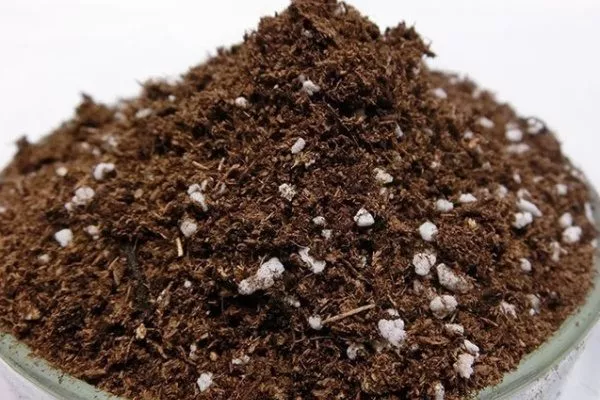
Basic soil requirements:
- acidity level – varies from 5.5 to 6.5 pH;
- airiness (looseness);
- air permeability.
When preparing your own soil mixture, keep in mind that it should contain the following:
- Turf soil. The best option is soil taken not from a garden, but from a mixed forest. Good species include acacia, pine, alder, hazel, and linden. Oak and beech soil are absolutely unsuitable, as they contain high levels of tannins, which are released by the wood.
Before use, the soil must be treated to kill pathogenic microorganisms. There are two ways to do this:- pour boiling water over it and simmer for 10-15 minutes;
- Roast in the oven at 200 degrees for 20 minutes.
- Perlite. Essential as a bactericidal and loosening agent, these are small, white, shiny beads.
- Vermiculite. It promotes moisture retention, loosens the substrate, and allows air to penetrate all soil layers. The material contains numerous nutrients, particularly minerals.
- Sphagnum. This special moss grows under bodies of water, in damp forests, and marshy areas. In the wild, it forms peat, making it a highly nutritious medium.
Sphagnum moss supplies oxygen to violet roots, removes harmful salts from the soil, acidifies the soil, and kills bacteria. It can be fresh or dried, and either type is suitable for Saintpaulias. - Peat. The substance is characterized by increased porosity and fertility. For violets, low-acid peat, and therefore low-lying, is essential. Combining it with other components is essential, as peat dries out too quickly when exposed to air.
It's important to strictly adhere to the dosages of the main ingredients in the Saintpaulia potting mix. These depend on various factors:
- origin of turf soil;
- composition of water for future irrigation;
- soil structure;
- soil fertility.
General composition of the substrate:
- forest soil – 1 part;
- perlite together with vermiculite, taken in equal proportions – 1 part;
- peat – 2 parts;
- sphagnum (crushed) – 1 part.
Planting technology
Indoor violets are most often sold already potted. There are various ways to repot them. But many people look for the most optimal and simplest methods. This is especially true for novice gardeners.
Bush in a new pot
Transplantation is a common method for repotting violets. This method is primarily used when the violet's rosette has grown 2-3 times larger than the diameter of the pot.
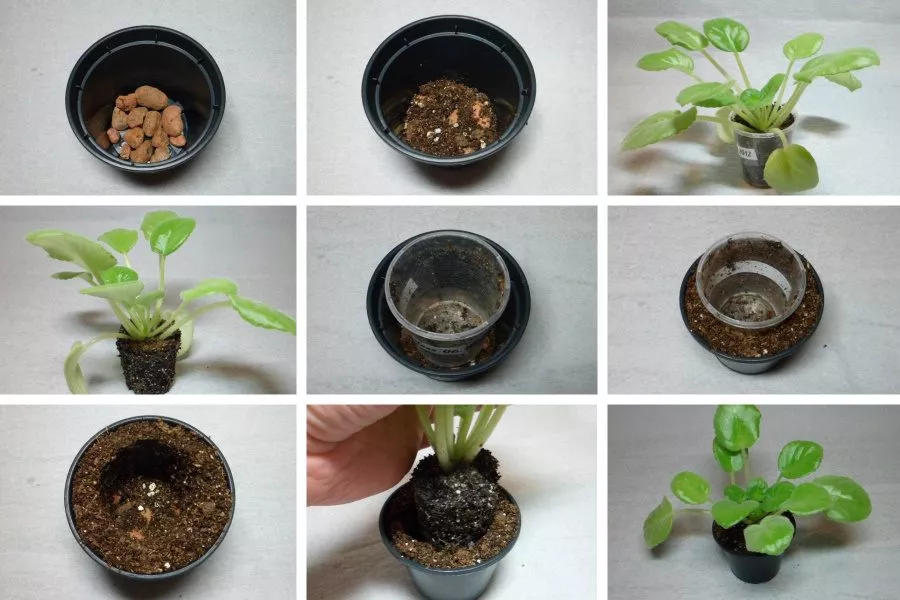
This method is considered the most gentle, as it doesn't damage the root system. To replant a violet bush in a larger pot, follow these steps:
- It is recommended to water the flower 1-2 days before the procedure to make it easier to remove.
- Prepare a new pot: place a layer of expanded clay or other suitable material on the bottom to create drainage, and sprinkle a little soil on top.
- Carefully remove the violet from its old pot. The root ball should remain attached to the roots, so don't shake it or crumble it.
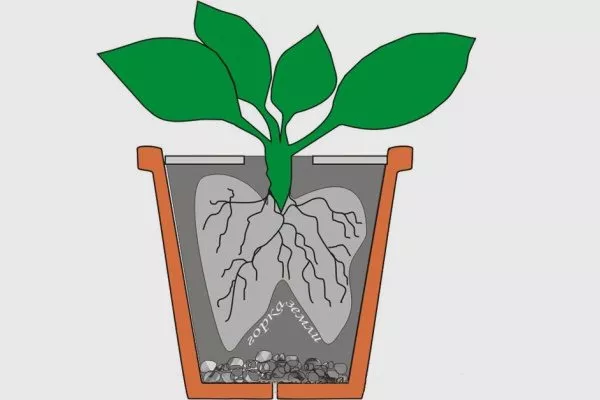
- Take the old pot and place it inside the new pot (centered). Fill the gaps with potting soil. Press the soil down with your fingers, adding more if necessary.
- Remove the old pot by twisting it a few times (as if unscrewing it). This will smooth the sides of the potting medium and prevent it from crumbling.
- Place the violet together with the root ball into the new pot in the resulting hole in the soil.
- Lightly level the surface of the soil if possible (but do not compact it).
- The next day, water the flower.
Replanting plants with complete soil replacement This procedure is necessary when overwatering or if the flower is wilting for other reasons. This procedure is also used when the violet is older than two years. The principle is as follows:
- The flower is watered 1-2 days before transplanting.
- The violet is removed from the pot along with the soil lump onto a paved surface.
- The root ball is lightly kneaded and the soil is carefully shaken off the roots.
- The roots are carefully examined. Damaged, dry, or rotten sections are removed.
- Remove flower stalks and excess leaves (yellowed, soft, wrinkled, rotten, etc.).
- All wounds are sprinkled with crushed activated charcoal.
- Place a drainage layer at the bottom of an empty pot and sprinkle it with nutritious soil mixture on top, forming a small mound.
- Place the violet in the pot so that the rosette is flush with the rim of the pot (i.e., not recessed or raised above the pot). The root collar should not be visible above the soil.

- Cover the roots with soil, tapping the sides of the pot periodically. Do not compact the soil on top.
- The plant is placed in a greenhouse.
- The next day, water (preferably with a solution of Fitosporin).
Children
This planting method preserves the flower's varietal characteristics, so it's used quite often. Violet offspring (or side shoots) are used. They are planted near the main stem of the flower.
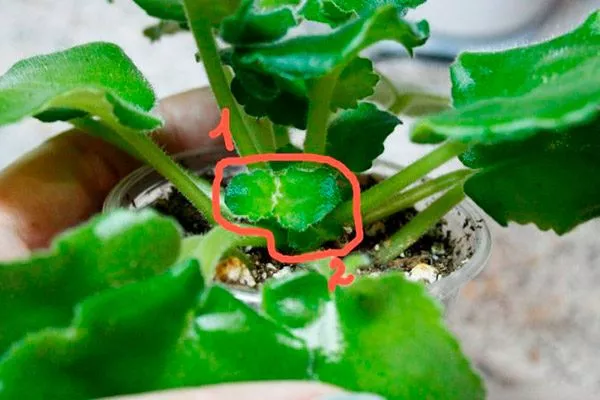
Step-by-step instructions for planting a stepson:
- Prepare the soil and a plastic cup (with holes in the bottom for drainage after watering) in advance. Fill the container with potting soil to the very top.
- Make a depression in the soil with a wooden stick or your finger.
- Select a healthy outlet with a baby (stepchild).
- Disinfect the instrument beforehand. Carefully remove the baby plant with a knife. Treat the cut area with crushed activated charcoal.
- Insert the cutting into the hole in the soil and lightly rake the soil to secure the plant in a level position (but do not compact it).
- Cover the container with the planted seedling with a cut-off plastic bottle or plastic bag to create a greenhouse effect. Leave it like this for about 10-12 days, opening the cover daily for ventilation.
Water the plant as the substrate dries (it should be free of crust or standing water). When the plant begins to grow, transplant it into a permanent pot using the technique described above (transplantation method).
Leaf cuttings
Planting a violet leaf is nothing more than method of reproduction This flower. Saintpaulias can be grown in two ways: in water or directly in soil. In the first case, rooting occurs more quickly, so we'll consider it:
- Identify a healthy leaf. It should be a rich green color and of normal density. It should be free of spots and signs of disease. Choose a leaf growing in the second or third row.
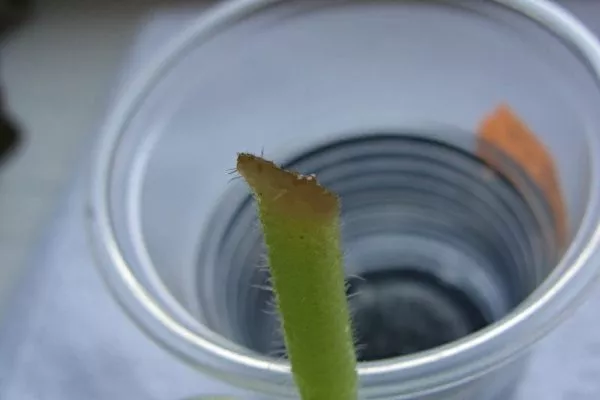
- Use a knife to cut it off at the base of the stem. Cover the wound with crushed activated charcoal.
- Now shorten the cutting a little, making a cut at an angle of 45 degrees.
- Make a light pink solution of potassium permanganate and dip the cut area into it.
- Pour boiled water into a glass and place the stem and leaf inside. The liquid should not touch the bottom of the leaf.
- Place the container in a warm room.
- When the roots grow about 1-1.5 cm, transplant into the soil.
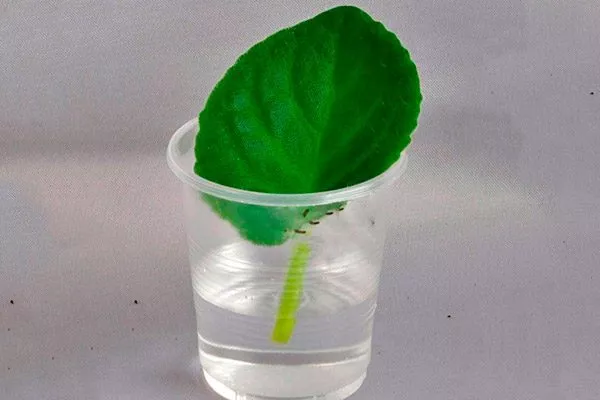
- ✓ The leaf should be firm, without signs of wilting or spots.
- ✓ The length of the petiole should be at least 2 cm for ease of rooting.
How to transplant into substrate:
- In the prepared container with the soil mixture, make a hole 1.5-2 cm deep.
- Insert a leaf cutting into it at a slight angle and lightly fill the voids around the stem with soil.
- To prevent the plant from falling over, place the pot in a plastic container so that the leaf rests against the wall (or provide some other support).
- Cover with a plastic bag to help the cutting take root faster.
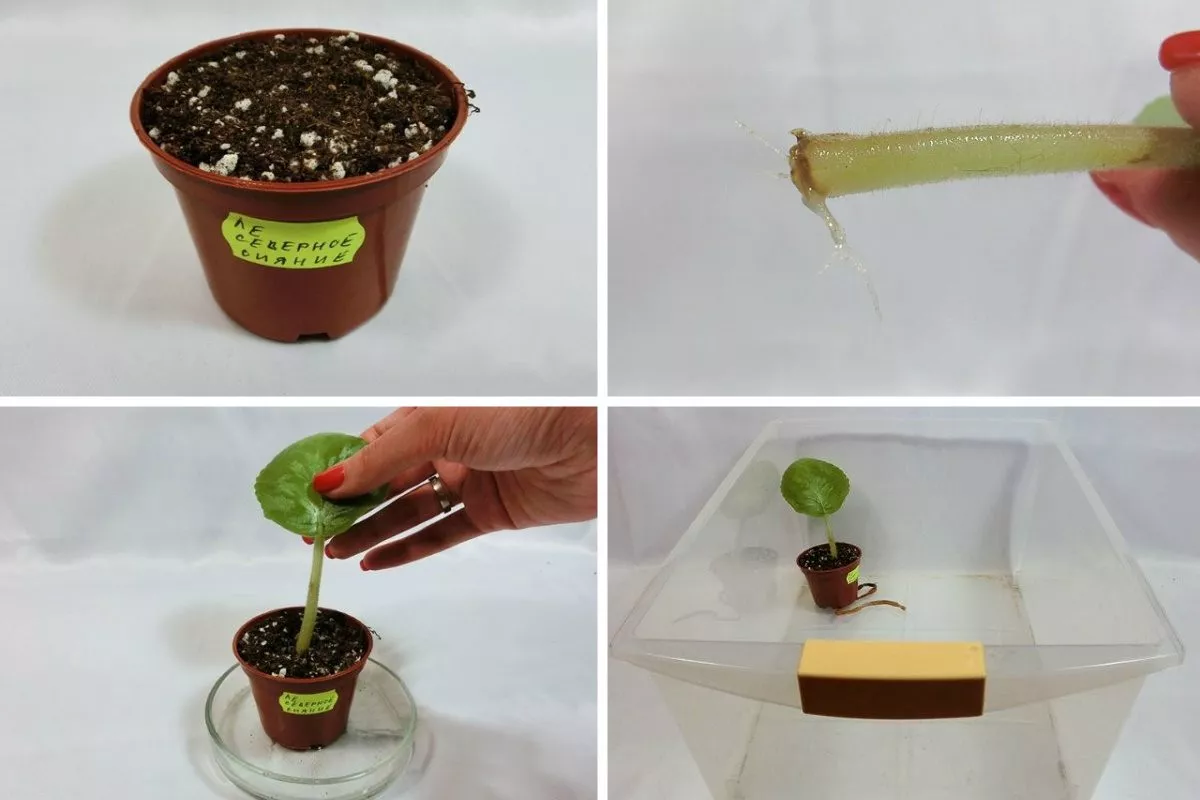
Also watch a video tutorial on planting violet cuttings directly into the ground:
Caring for a planted flower
The survival rate of a flower depends not only on the quality of planting but also on subsequent care. Therefore, carefully read the rules for caring for and growing violets at home.
When, how and how much to water?
Violets require constant, but measured, moisture. Otherwise, the risk of rotting increases, not only in the root system but also in the above-ground portion of the plant. Pay attention to the following:
- Watering requires the "right" water. Unlike other houseplants, Saintpaulias need to be watered not just with settled water, but also with boiled water. To do this, let the water sit at room temperature for about 3-4 days, then pour it into a saucepan, boil it, and let it cool.
This is necessary to remove chlorine and all harmful salts from the liquid. - The water temperature depends on the time of year and the room thermometer reading. Specifically, it should be a couple of degrees warmer than the air.
- How to water - there are different methods, which will be discussed later, but the main thing is that the stream of water does not fall on the flowers, green mass, stems and growing point.
- The frequency of watering depends on the room temperature and humidity. On average, watering is required 1-2 times a week. To accurately determine when the plant needs water, pay attention to the condition of the substrate – if it feels dry to the touch, water the plant.
- Leaves often become dusty, so wipe them with a damp, soft cloth or sponge. Never spray the plant with a spray bottle—you don't want any drips on the foliage.
- Be sure to wash the green mass directly under the tap once every six to eight weeks. After a hygienic shower, thoroughly dry each leaf until completely dry.
Watering methods for violets:
- Lower. Another name for this method is the tray method. This is the most optimal method, as it eliminates the possibility of water dripping onto the green foliage. At the same time, the soil will absorb as much water as needed. Water the plant from below only after the top layer of soil has completely dried out.
How to do it:- pour water into a plate, stand, tray or other container;
- place a pot with a violet (it must have holes);
- leave for 10 to 20 minutes (the smaller the container, the shorter the moistening time).
- Upper. You can water with a watering can with a very narrow nozzle to create a fine stream. However, a syringe is best. Be careful not to let the lower part of the plant get wet. Avoid pouring water into one spot, as this will wash away the soil.
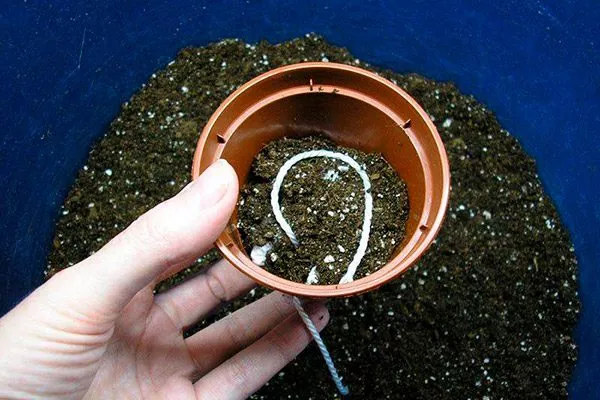
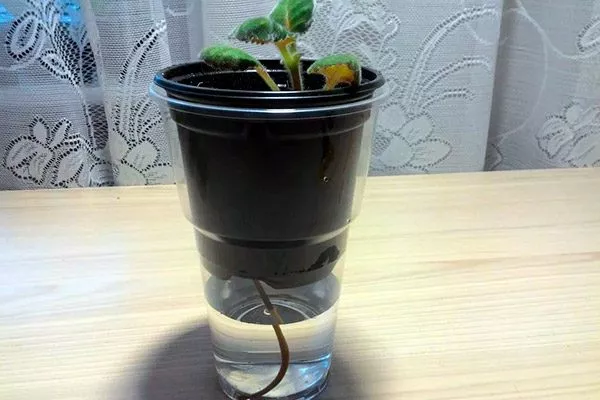
- Wick. This technique is convenient when it's impossible to water at the right time, for example, when traveling frequently for business. This method is also suitable for growing a large number of flowers in an apartment. To do this, use a container with perforations at the bottom and a water-retaining cord. How to water using a filter:
- When planting, insert the wick into the pot through the hole at the bottom;
- leave 1/3 of the total length outside;
- when laying the soil mixture, twist the bundle in a circle (ring-shaped);
- so extend the filter almost to the surface of the ground;
- pour water into the tray;
- Lower the cord - the flower will absorb the required amount of moisture, and there is no need to remove the pot from the tray as with the lower method.
Fertilizer application regime
If violets are planted according to the requirements, and most importantly, if the necessary substrate is provided, they don't require much fertilizer. However, fertilizing is recommended to promote active foliage growth, improve flower quality, etc.
What does Saintpaulia need:
- nitrogenous substances – promote the growth of foliage and roots;
- potassium compounds – prolong the flowering period;
- Phosphorus agents – stimulate early flowering.
Among the folk remedies the following are used:
- tea leaves (only after black tea);
- coffee grounds;
- decoctions of onion peels.
Trimming
If a violet isn't trained, the bush will grow haphazardly, resulting in an unsightly appearance. However, pruning has other purposes:
- stimulation of lush flowering - excess leaves are removed;
- bush rejuvenation - the top is cut off;
- propagation – cutting off the top to the stump;
- disease prevention - all diseased, yellowed and damaged fragments are torn off.
Keep in mind that you shouldn't allow the violet's growth center to become overgrown with foliage. Trim the foliage with a sharp, disinfected blade. Breaking off leaves is acceptable.
Features of the formation of the "cap":
- carry out the procedure in spring and summer;
- start acting from the bottom tier;
- remove all large leaves from rows 1, 2 and 3;
- in the upper tiers, remove only those parts that look uneven;
- do it in such a way as to achieve symmetry;
- After pruning, treat all cuts with activated carbon.
After flowering has finished, you need to do the following:
- remove all faded parts of the plant from the flower - cut off the flower stalks at the beginning of the stem growth;
- remove dying, broken, and wilted greenery;
- align the top for symmetry;
- After the procedure, deepen the main stem, sprinkling it with soil mixture.
Before winter, the bush is also prepared to help it survive the dormant period. This can be done in one of the following ways:
- trimming excess foliage;
- removal of most of the green mass, leaving only the rosettes;
- cleaning only the dying parts.
Sometimes Saintpaulias are pruned to the ground. This is necessary when problems arise:
- root rot - after cutting off the top of the plant, the root system is thrown away, and the cut top is planted in a new substrate;
- rot on the above-ground part, an overly elongated stem - after root pruning, the plant will begin to form young shoots (stepchildren).
It's essential to pinch violets. The method depends on the variety of Saintpaulia:
- chimera and trailer type violets - tear off the young leaves located in the very bottom row along with the cuttings;
- For all other varieties, remove not the juvenile leaves, but the shoots that form at the point of leaf growth.
Common mistakes
Novice gardeners are especially prone to mistakes. To avoid problems, pay attention to the most common ones:
- Incorrect placement of the pot, which causes the plant to get burned by direct sunlight or excessive heat (in the latter case, when touching a hot window glass, heating device, etc.).
- Water that's too cool for irrigation. This causes brown spots to form on the leaves.
- Watering too frequently or applying water in large doses. Failure to follow watering guidelines can lead to root rot, which ultimately results in the death of the plant.
- Failure to disinfect cut sites on green foliage. This contributes to the development of diseases.
- Root rot on cuttings when rooting a leaf in water. To prevent this, add one tablet of activated charcoal to a glass of water. Add only a small amount of water (not the entire length of the cutting, but only 1.5-2 cm).
Questions when growing
To save time searching for information, experts have developed a series of frequently asked questions and provided brief answers:
- When does a violet begin to bloom after planting? The timing depends on the variety: early ones bloom in six months, and late ones in one and a half years.
- Why doesn't the violet bloom? There are many reasons for this:
- waterlogging of the soil;
- too big a pot;
- excessive amounts of fertilizers (potassium and nitrogen);
- little light;
- using cold water when washing and watering.
- Is it possible to plant indoor violets in open ground? It is not advisable to do this, but some varieties are an exception, in particular cold-resistant ones (Viola, etc.).
- Is it possible to plant a violet directly in a permanent location? No, because in this case you will have to root the seedling in a large pot, and this is unacceptable for a violet.
- When can a planted violet be propagated? Only by dividing the bush.
Helpful tips for planting flowers
Experienced violet growers offer some recommendations that are important to heed:
- do not plant bushes before they are six months old;
- disinfect pots if they are reused;
- the air temperature in the first 2 weeks after planting should be consistently +25 degrees;
- strictly adhere to the dosage of fertilizers for a specific preparation;
- Turn the plant towards the window from different sides 4 times a month – this will ensure symmetrical growth;
- replant no more than once every 2 years and only in the spring;
- If the leaves wilt during rooting, reduce watering and provide greenhouse conditions.
Perennial garden violets
Saintpaulias also thrive in outdoor flower beds, but special cold-hardy varieties are used for this purpose. Sowing is most often done by seed. Features:
- planting areas – flower beds, hills, rock gardens, rockeries, borders.
- the soil is loose, you can make mixtures like for indoor violets, placing the substrate 10 cm deep in the top layer of soil;
- planting time – spring or autumn (before winter, only fresh planting material is planted – collected after flowering);
- Pre-winter preparation – covering with agrofibre.
Sowing rules:
- Prepare the beds by digging them over and adding a layer of potting soil. This work should be done between late April and the end of May, depending on the climate. If you want flowering bushes this year, start the seeds in pots or greenhouses to grow seedlings. Then, the sowing period can be extended to March or April.
Transplantation into open beds is carried out after 3-4 weeks, when the first 3 true leaves have formed. - Make furrows 1-2 cm deep. The distance between seeds is 10 to 20 cm.
- Fill with planting material.
- Moisten the soil.
- Allow to germinate. If it's cool at night, cover the seedlings with plastic sheeting or cut-up plastic bottles.
Saintpaulias are considered finicky plants, but if you follow all the planting and care guidelines, they can be grown without a single problem. The key is to adhere to all requirements and guidelines, select high-quality planting material, and choose a comfortable location for the flowers.