
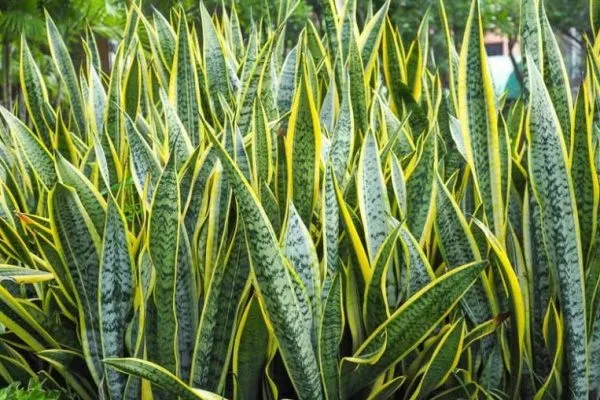
Sansevieria is a succulent of the genus Dracaena. It has many other names, including mother-in-law's tongue, pike or wolf's tail, snakeskin, and leopard lily. It grows both in the wild and indoors and is considered an easy-to-care-for plant.
History and origin
Sansevieria is native to subtropical and savannah regions, growing in rocky and poor soils. These include countries such as Central Africa, Sri Lanka, Asia, Madagascar, India, and elsewhere. The plant was first described in the 18th century and named after Prince Sansevieria, who was instrumental in developing botanical science during that century.
Description of the plant's appearance
| Name | Leaf type | Leaf color | Length of leaves |
|---|---|---|---|
| Cylindrical | Cylindrical | Green with stripes | Up to 1 m |
| Three-lane | Xiphoid | Dark green with stripes | Up to 1.5 m |
| Graceful | Rounded | Light green | Up to 0.5 m |
| Big | Erect | Dark green | Up to 3 m |
| Hyacinth | Xiphoid | Green with silver flecks | Up to 1 m |
Sansevieria is an evergreen, stemless plant that comes in many varieties (cylindrical, three-striped, graceful, large, hyacinth, etc.). It has the following appearance:
- Leaves can be erect, sword-shaped, pointed, cylindrical, rounded, stiff, or fleshy and succulent. They are most often long and narrow, ranging from a few centimeters to 3 meters. They do not exceed 6 cm in width.
- The foliage can range from light to dark green, with or without stripes. Some specimens have silvery flecks, yellow, and other colors.
- The leaves have a rigid structure with numerous longitudinal veins, making them difficult to break. A light-colored keel is located in the center, making the flower resistant to strong winds.
- Leaves are arranged in rosettes, numbering from 3 to 15. They grow from the root, so they lack stems. However, some varieties have shortened stems.
- The root system grows in width, but the shoots are short.
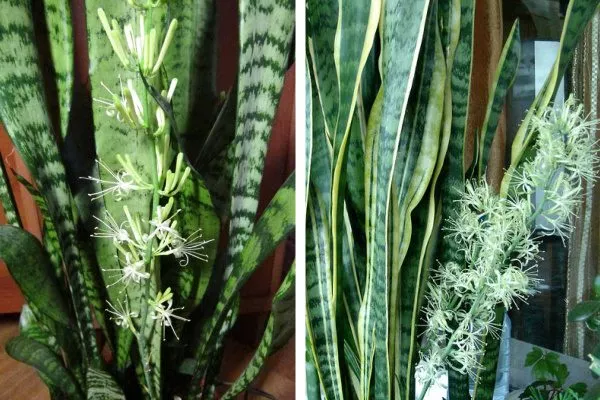
- The flower stalks are slender and elongated, with graceful shoots. They are usually green, yellow, or white. The flowers have a delicate and pleasant fragrance, but indoor blooming is rare.
Beneficial properties of Sansevieria
Sansevieria actively absorbs carbon dioxide and releases oxygen, effectively purifying the air in a room. But this indoor plant also has other beneficial properties:
- used in folk medicine as an anti-inflammatory, choleretic and laxative;
- used to heal wounds and eliminate ear infections.
Traditional healers prescribe mother-in-law's tongue for urinary tract infections. However, using remedies based on this exotic plant without consulting a doctor is not recommended, as it is not recognized by official medicine.
Conditions of detention
Sansevieria isn't considered demanding to grow, but certain conditions are important for its successful development. These are generally common to all succulents.
Air humidity
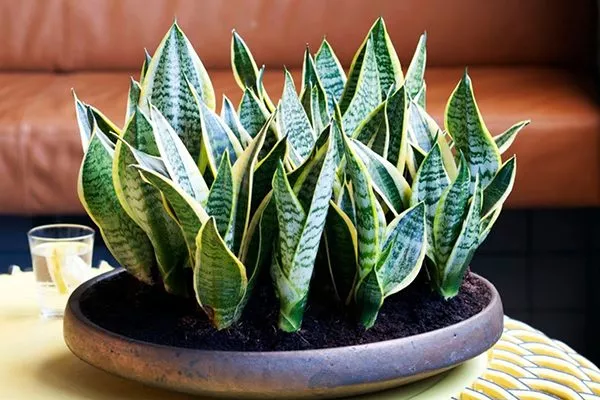
Sansevieria thrives in dry air and does not thrive in high humidity. This is due to the plant's ability to store moisture throughout its entire plant.
Lighting for sansevieria
Sansevieria doesn't tolerate direct sunlight, as the leaves, despite their toughness, can get sunburned. Be sure to also consider the following:
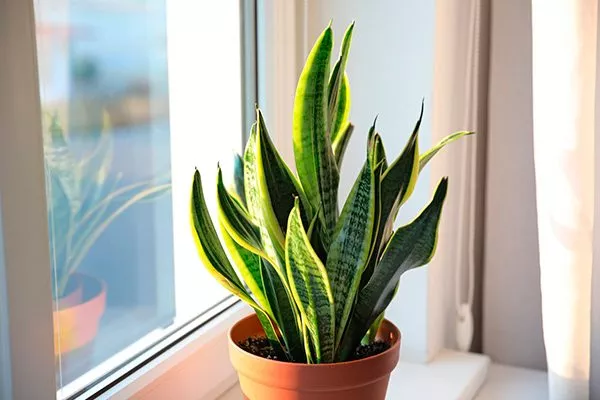
- Brightness of light. The lighting should be bright, but at the same time slightly diffused, so the optimal window sill is a southern or southeastern one.
- Light intensity. This parameter doesn't play a significant role, as even at low intensity levels, the flower doesn't die and continues to develop. However, medium and high intensity settings promote faster growth.
- Duration of daylight hours. To ensure the health of this succulent, it requires a minimum of 12 hours of light and a maximum of 16 hours in spring and summer. In autumn, the light ranges from 10 to 13 hours, while in winter, it ranges from 6 to 10 hours per day.
Temperature
Sansevieria dislikes cold and extreme heat, so the ideal temperature for this succulent is considered to be between 18 and 20 degrees Celsius. Avoid temperatures below 14 degrees Celsius, as this can cause the plant to become diseased and die.
Watering and air humidification
Sansevieria is categorically sensitive to over-watering of both air and soil, so it is important to follow these rules:
- Watering mode. Since moisture is retained in the root system and aboveground parts for a long time, watering the plant once a week is sufficient. However, if the room is very hot and dry, double the frequency. Each plant should receive enough water to allow it to immediately drain into the tray—stagnant water in the pot is absolutely unacceptable.
During winter, water once every month to six weeks. Apply water by sprinkling the root zone. If you're unsure of the proper watering schedule, water after the top layer of the substrate has dried out. - Air humidification. Humidification is only necessary if the air becomes too dry in summer or winter due to heating. A light misting of the air around the plant once a week is sufficient. Alternatively, you can place a container of water nearby.
- Spraying. Sometimes, foliar spraying is also necessary, but no more than once a week. This procedure is primarily intended for plant hygiene—to prevent dust accumulation. After spraying, be sure to wipe the leaves and, most importantly, the rosettes. Failure to do so will result in rotting.
- Watering from below. Another way to water succulents is from below. To do this, pour water into the tray and leave it there for 20-30 minutes. This will allow the root system to absorb the required amount of moisture on its own. This method is considered the best for succulents.
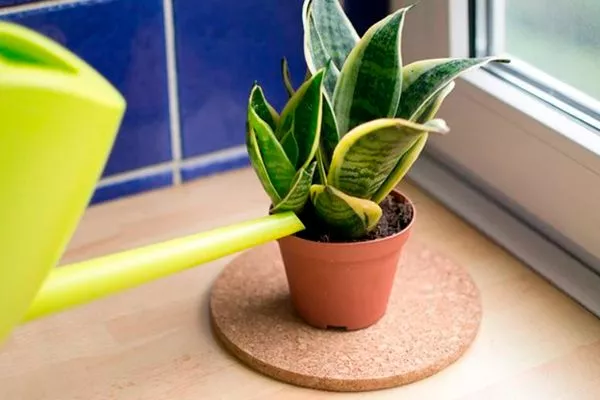
Pay attention to the composition and quality of the water—it shouldn't contain chlorine or other impurities, so let the tap water sit for at least a couple of days. It should be at room temperature.
Suitable soil for growing
Sansevieria has a shallow root system, so the soil mixture should be predominantly loose and very light. There are many options for this:
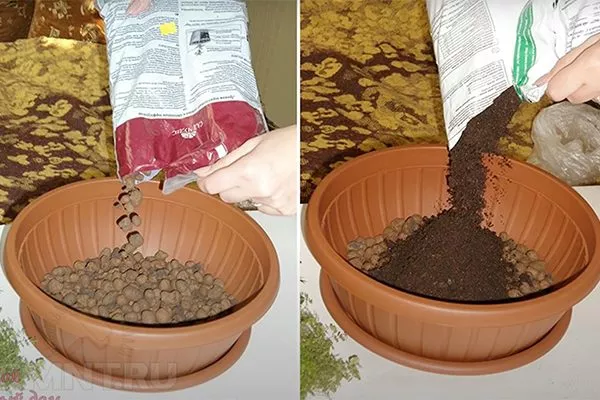
- Soil for cacti and succulents. This type of substrate can be purchased at any flower shop. It drains well enough to prevent water stagnation after watering.
- Soil mixture. You can also make your own soil. Ideally, it should contain river sand, leaf mold, and perlite.
- Coconut soil. This type of substrate is considered among the best because it allows excellent air permeability and oxygenates the root system. It's also very environmentally friendly and durable, and doesn't rot. You can also buy it at a flower shop.
- Humus soil. This is necessary when the plant lacks nutrients. Although sansevieria can grow in poor soil, it still requires fertilizer. To prepare humus soil, mix organic matter with leaf mold in equal parts and let it sit for a couple of months. If you plant the plant immediately, its roots will get burned.
Top dressing
Sansevieria requires fertilizing only during the growing season—spring and summer. In the fall, the amount and frequency of fertilizer application is reduced by half, and in winter, it's best to skip the procedure entirely, as the plant enters a dormant state. Fertilize the succulent no more than once a month, using only liquid mineral fertilizers.
It's crucial to add phosphorus, calcium, and potassium, but don't overdo it with nitrogen, as it promotes root rot. Therefore, nitrogen should be used at 2-3 times lower levels than other minerals.
Pruning and shaping sansevieria
There's no need to shape the mother-in-law's tongue, as almost all varieties of these succulents grow into neat bushes. However, periodic sanitary pruning is necessary. To do this, trim off any damaged leaves (dried, broken, or rotted). If only a small portion has dried out, you can trim it off. If you remove an entire leaf, be sure to leave a 5 mm stub at the base of the rosette.
Preparing for the spring period
Sansevieria goes dormant during the winter, but to reawaken in the spring, the plant requires preparation. To do this, follow these recommendations:
- gradually increase the air temperature;
- in mid-February, start feeding with fertilizers, but the solutions should be weak;
- increase the length of daylight hours, but also gradually;
- start watering more often.
Diseases and pests
When properly maintained, sansevieria will not have any problems with diseases or pests, but if agricultural requirements are not met or if it is close to affected indoor plants, the following may occur:
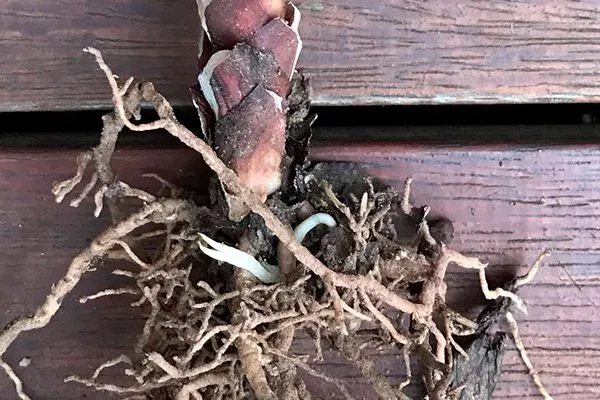
- Root rot. It's considered the most serious and dangerous disease, as it leads to the death of the plant. It's a fungal infection that occurs when the soil is overwatered. It manifests itself as root rot and complete decomposition.

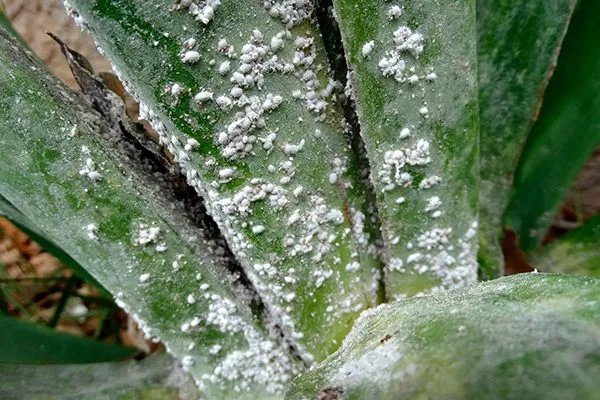
- Mealybug. It is the most common pest. The insect sucks the sap from the succulent foliage, causing the plant to die.
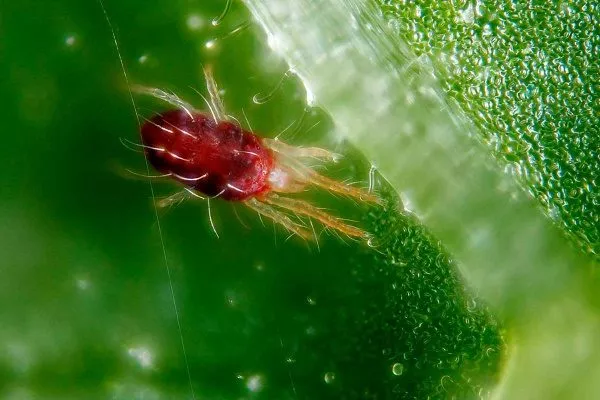
- Spider mite. This pest is also common, but unlike the mealybug, it eats the fiber of the leaves, which subsequently droop.
- ✓ Leaves lose their elasticity and become soft – a sign of overwatering.
- ✓ The appearance of brown spots on the leaves may indicate sunburn.
- ✓ Slow growth and pale leaves are a sign of insufficient lighting.
Specialized fungicides and insecticides are used to treat diseases and destroy pests.
Transfer
Sansevieria tolerates repotting well, but only if the grower follows all rules and regulations. When young, repotting is required once every 12 months; when mature, once every 3-4 years. Please note the following: the intricacies of transplantation:
- When to replant sansevieria. The optimal time of year is spring and early summer. It's important to understand when exactly a plant needs repotting. This can be determined visually:
- roots appeared on the surface or their pressure even broke the walls of the pot - the root system became cramped;
- The leaves began to protrude beyond the container – there is not enough space for them either.
- How to choose a pot for sansevieria. The pot must be wide and shallow, as the root system grows laterally rather than downwards. The container should be 2-4 cm wider and deeper than the previous one. However, the most important consideration is the root size.
The best potting material is ceramic or clay, but plastic can also be used (it can crack as the root system grows, and it's not breathable). The pot should have holes in the bottom to allow drainage during watering. - How to prepare soil for transplanting. If you're using leaf mold to prepare the substrate, be sure to disinfect it (you can douse it with boiling water or potassium permanganate, or roast it in the oven). The composition can vary greatly:
- leaf soil – 4 parts, sand – 1 part, humus – 2 parts, 1 tbsp of crushed wood ash can be added per 1 kg of substrate;
- peat soil – 5 parts, expanded clay and zeolite – 2 parts each, charcoal – 2 parts, this composition does not allow water to stagnate;
- leaf soil, river sand, perlite - in equal proportions.
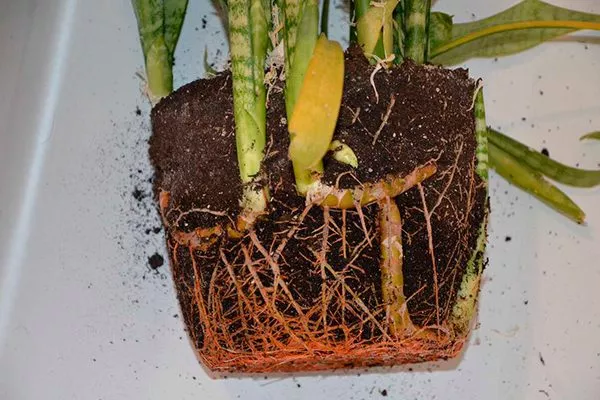
The transplant is carried out in stages:
- drainage is placed on the bottom of the container - fine-grained expanded clay or pebbles;
- pour in the substrate;
- remove the bush from the old pot with a lump of earth;
- transplant it into a new container;
- sprinkle with soil mixture;
- water.
Signs and superstitions
Sansevieria, a native of Africa, has many legends and superstitions believed not only by residents of the subtropics but also by our compatriots. For example:
- In its native land, it is believed that a flower growing in the home can protect a person's spirit. This succulent is used in various rituals designed to ward off the evil eye and curses.
- The Chinese believe that the mother-in-law's tongue brings good luck in everything - wealth, health, career advancement, love.
- The flowering of the crop in winter brings bad luck, but some believe that it warns family members of impending misfortune.
- If the plant blossoms in summer, then this is purely a sign of good fortune.
- Sansevieria in the house will protect you from conflict situations and any disagreements.
Sansevieria is a centuries-old succulent plant characterized by its ease of cultivation, beneficial properties, and a wide variety of varieties, including specimens with exotic shades.