
The money tree, also known as the fat plant, has the botanical name Crassula. In Russia and neighboring countries, it is used as a houseplant, but in countries such as Madagascar, Arabia, Africa, and elsewhere, it grows outdoors and in the wild, reaching considerable heights.
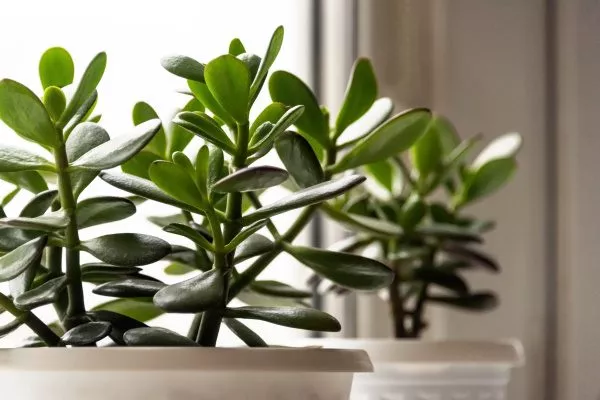
What is a money tree – a brief description
The money tree is sometimes called a "crassula" for a reason: it belongs to the Crassulaceae family, but is actually a succulent. It grows very slowly, reaching its full height only in its eighth year. On average, it lives 15-30 years, but some long-lived trees have a lifespan of 45 to 50 years.
There are a huge number of money tree species, but only a few are common in our latitudes. The most popular are the ovate, purslane, oval, minor, hobbit, and sunset.
General characteristics:
- minimum height – 30 cm, maximum 400 cm;
- shoot type – monocarpic;
- leaves - can be simple or ciliate, entire or opposite, with a free or fused base;
- leaf color - any green;
- trunk color - initially green, brown after maturity;
- roots - branched and superficial;
- Flowers are single, axillary or pentamerous, but always small in size.
Absolutely every variety of money tree has a thick trunk.
The flower's homeland and the origin of its name
Crassula prefers arid tropical climates, which is why it grows wild in Africa, Madagascar, and Arabia. It was nicknamed the "money tree" because its rounded leaves resemble coins. However, there are other theories:
- Eastern merchants once called this plant "jadeite," meaning "nephrite," because its leaves were compared to dinars. This is where rumors originated that the money tree brings wealth.
- During the Han Dynasty, this plant was engraved on faience and bronze objects intended to decorate the tombs of emperors. This is why it became known as the money tree.
Is it possible to grow a money tree at home?
The most incredible rumors and legends circulate about the money tree. That's why some believe it should be grown indoors, while others believe it shouldn't. But in reality, it's best to base your decision on keeping the plant indoors on scientific evidence.
Benefits of Crassula for Humans
All indoor plants are capable of absorbing carbon dioxide and simultaneously releasing oxygen, so the money tree acts as a filter. But it also releases phytoncides, which
the following action is performed:
- virus suppression;
- destruction of bacteria;
- disinfection;
- pain reduction;
- negative impact on fungal microorganisms.
For this reason, Crassula is actively used in folk medicine to treat many diseases and conditions:
- sore throat, cold;
- inflammatory processes in the oral cavity;
- herpes;
- bruises, muscle strains
- ulcers, abscesses, open wounds;
- joint diseases – arthritis, arthrosis, etc.;
- calluses and corns;
- varicose veins;
- pyelonephritis, cystitis;
- toothache;
- nail fungus;
- hemorrhoids, etc.
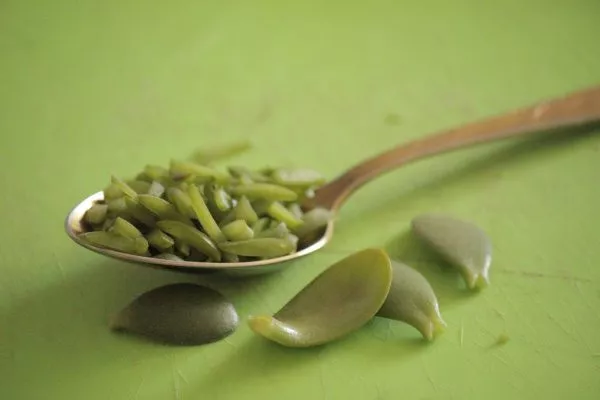
The juice of the leaves is used, but only externally, since there is a risk of intoxication when taken orally.
Harm from the money tree
Despite its benefits, crassula can also be harmful to humans, as its sap contains a toxic element, arsenic. If a leaf or stem is accidentally consumed (this can happen to children, cats, and other pets), poisoning will occur. However, a fatal outcome is unlikely, as the concentration of the toxin is insignificant.
Other features:
- Arsenic does not have the ability to evaporate, so there is no toxic substance in the air.
- When handling the flower, you should wear rubber gloves, otherwise the juice will have a negative effect on the skin.
- Crassulas growing in the wild contain far more toxic substances. The reason is simple: the succulent absorbs all toxic elements from the air, water, and soil.
- Intoxication can also occur when using traditional medicines containing parts of the money tree. Therefore, it is important to strictly adhere to the dosage.
When pure juice enters the body, the following happens:
- Poisoning, which is accompanied by nausea and vomiting, loose stools, thirst, dizziness, and stomach cramps.
- Severe intoxication, which manifests itself as follows:
- lowering blood pressure;
- slowing of the pulse;
- hallucinations;
- mental disorders;
- difficulty breathing;
- swelling of the larynx;
- lung dysfunction;
- gastric internal bleeding;
- development of diseases such as jaundice and hepatitis;
- kidney problems;
- damage to the heart muscle;
- anemia.
- Burns of the mouth, throat, gastrointestinal tract, and skin.
- Stomach ulcer and blood in urine.
- An allergy that can lead to anaphylactic shock and death.
Consequences of consuming money tree leaves can include coma and paralysis, hair and nail loss.
Signs and superstitions
As mentioned earlier, there are many rumors surrounding the jade plant, which have given rise to superstitions and beliefs. Here are just a few of the most popular:
- The tree brings material well-being and happiness to its owners, but only when it develops normally.
- If the succulent wilts, it indicates a loss of money and impending poverty. People recommend propagating the crassula to prevent poverty.
- When leaves fall, expect troubles at work and business.
- If the fat woman dies, there will be a complete collapse in the financial sector.
- When the branches droop, you can expect scandals in the house.
Such superstitions have no scientific explanation.
Flowering and dormancy period
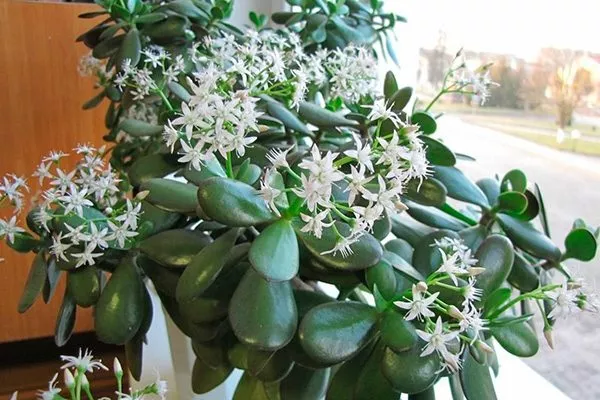
The money tree blooms very rarely, and only after reaching maturity. When it does, you'll see numerous small flowers gathered in umbel-shaped inflorescences. They exude a powerful, sweet aroma. The flowering period lasts exactly 90 days.
Growing requirements
Native to the arid tropics, the money tree prefers a similar climate indoors. The best location is a southeast-facing windowsill. Northern windowsills are too cold and lack light, while southern windowsills are too hot and receive direct sunlight.
- ✓ Optimum temperature for growth: +18…+24°C in summer, +14…+17°C in winter.
- ✓ Daylight hours should be 14-15 hours, avoid direct sunlight.
Other conditions for crassula:
- TemperatureThe minimum temperature limit at which the tree will survive is +10 degrees Celsius, the maximum is +25 degrees Celsius. However, there are also optimal values: +18 to +24 degrees Celsius in summer, and +14 to +17 degrees Celsius in winter (during dormancy).
- Air humidityThe succulent easily tolerates drought, so it does not require additional spraying or the installation of humidifiers nearby.
- LightingThe money tree requires plenty of light, with 14-15 hours of daylight.
Rules for planting Crassula
To ensure the plant develops quickly and safely, and avoids future illnesses, it's important to strictly follow all planting rules—from choosing a pot to the planting process itself.
Choosing a pot
The Crassula has a fibrous, or superficial, root system, so it doesn't need a deep container. Therefore, it should be wide. The container should be selected according to the root diameter, but with an extra 2-4 cm.
The pot must be heavy—plastic is absolutely not suitable, as the tree's weight will tip it over. Keep in mind that after planting, the flower will take 10-12 months to bloom. needs to be replanted into a wider container. Subsequently, repotting once every couple of years is sufficient.
Substrate
The type of soil mixture plays a crucial role in the development of a money tree. The soil must have the following basic properties: lightness, breathability, looseness, and moisture permeability. This type of substrate can be purchased at any flower shop; it is usually intended for succulents and cacti.
But it's also possible to prepare it yourself. There are many soil composition options, but the following are considered the most optimal:
- mix 3-4 parts of turf soil with 1 part of humus, add another 1 part of leaf soil and river sand;
- Take 1 part of humus, gravel, leaf soil and sand, add 3 parts of turf soil.
A drainage material is essential to prevent water stagnation. The soil taken from the garden plot should be disinfected. There are several ways to do this:
- pour boiling water over it;
- Freeze for 3-4 hours;
- fill with a pink solution of potassium permanganate;
- Roast in the oven for 40 minutes at +200 degrees.
Process
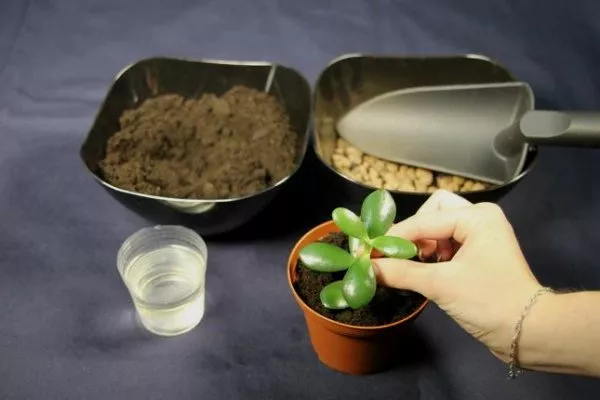
The planting process is quite simple. Just follow these instructions:
- Disinfect the pot.
- Place drainage material on the bottom - pebbles, expanded clay, stones (also disinfected).
- Place 5-8 tablets of activated carbon on top of the pot to eliminate the risk of fungal infections.
- Add the substrate.
- Make a depression in the center.
- Remove the flower from the pot, but do this as carefully as possible, otherwise the fragile roots will be damaged.
- Shake off the old soil mixture and inspect the root system. If there are any affected, dried out, rotted, or damaged shoots, cut them off and dust the cut areas with crushed activated charcoal.
- Insert the money tree, carefully placing the roots across the entire width.
- Fill with the remaining substrate and compact it lightly. Keep in mind that the roots should be on the surface.
- Water with settled and warm water.
Care instructions
Care procedures deserve special attention. Follow these guidelines:
- Watering. This is not done very frequently, especially given that the stems and leaves accumulate moisture. The frequency is determined by the air temperature: at temperatures between 22 and 25 degrees Celsius, watering should be done every 3-4 days; at temperatures above 15 degrees Celsius, watering should be done every 15 days; at lower temperatures, watering should be done no more than once a month.
Immediately after watering, carefully loosen the substrate. Be sure to use water that has been left to settle for 2-3 days. It should be at room temperature. Read more about watering your Crassula. Here. - Hygiene. It is not necessary to spray the leaves of the money tree, but it is important to wipe the leaf blades with a damp cloth at least once a week.
- Fertilizer. The money tree thrives in poor soil, so frequent fertilizing isn't necessary. Apply specialized fertilizers every 30-50 days during the spring and summer. In the fall, fertilizing once or twice is sufficient.
Pruning and shaping
Crassula requires periodic pruning, as this promotes rejuvenation, accelerates growth, and enhances its appearance. Furthermore, this procedure serves a sanitary purpose, reducing the risk of pest infestations and diseases. Over time, the money tree's stems become very elongated and its leaves fall off, giving the bush a very untidy appearance.
Crown shaping should begin when the plant reaches a height of 20-25 cm. This is done in early spring, when the tree is just emerging from dormancy. In summer, the tops of the trees are pinched to promote symmetrical growth.
Trimming This involves completely removing dead leaves and branches and shortening overly long stems. This can be done in a variety of ways:
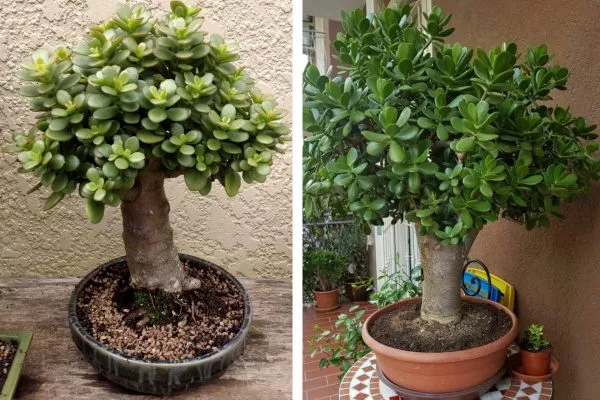
- Thick trunk. If you want a tree with a very thick trunk, you need to increase the side shoots, so trim the top until you achieve the desired result. Partially remove the lower branches as well.

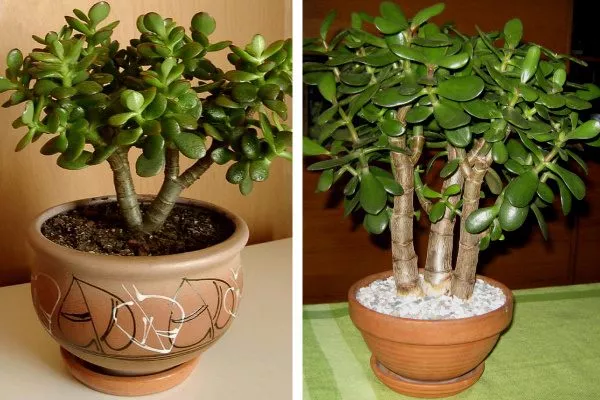
- Several trunks. A Crassula with 2-4, etc., trunks looks quite unique. To achieve this shape, pruning is done at any height, but always 1 cm above the nodes.
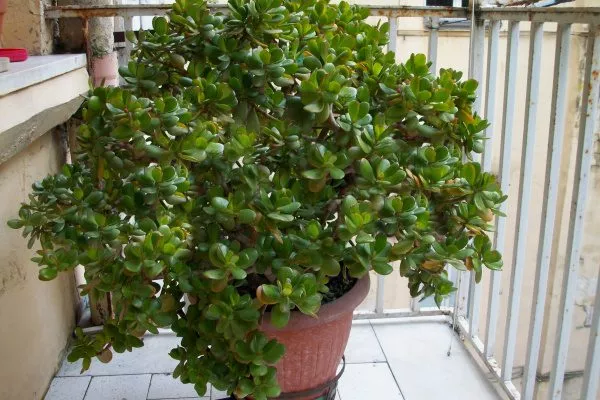
- In a bush. If you want a shrub shape rather than a tree, the lower shoots are left untrimmed, but the tops are removed. Once the bushiness is achieved, you can create completely different shapes, such as a ball, a triangle, and so on. In this case, trim off excess shoots 2 mm above a pair of leaves. This will encourage new shoots to grow from these areas.
- Tree (standard). To form this shape, you need to trim the shoots and leaves only from below.
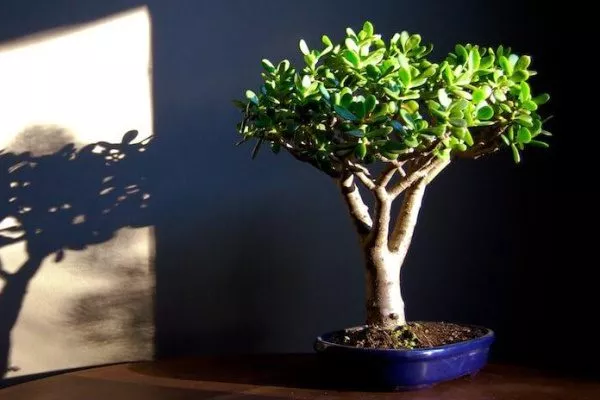
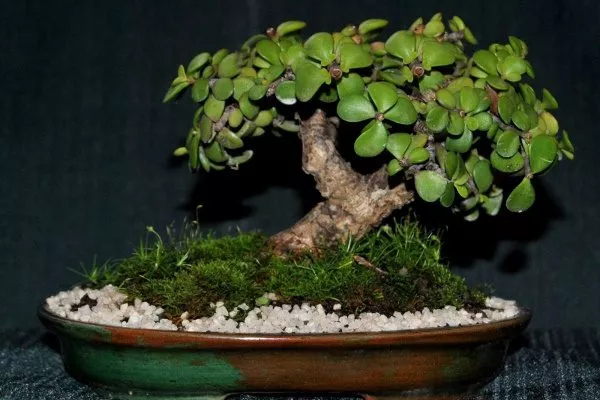
- Bonsai. With this technique, the strongest and thickest shoots are left and the lower stems are trimmed. All suckers and branches are also removed from the frame.
Diseases and pests of the money tree
If you properly care for your money tree, its immune system will be strong. However, the money tree is most often susceptible to only four types of diseases:
- Anthracnose. This disease affects leaf blades, causing round, light-brown spots to form. Fungicides, such as Fitosporin-M, are used for treatment. Treatment is performed approximately three times, at intervals of 9-11 days.
- Bacterial burn. Signs include leaves covered in rusty spots. Treatment is the same as for anthracnose. All affected parts must be removed, and the cut areas must be dusted with activated charcoal powder.
- Fusarium. The infection begins in the root system and then spreads through the aboveground parts. It manifests itself as wilting foliage and complete cessation of growth. Trichocin and Fitolavin are suitable for treatment. The plant must be repotted in a sterile pot and new substrate.
- Epiphyllum mosaic. The viral infection is localized on the leaves, which become covered with yellowish spots without clear boundaries. There is no treatment, so the plant is completely destroyed.
But most often, the money tree suffers from pests, among which the following stand out:
- Mealybug. It's found in leaf axils and roots. It's easily detected by a fluffy coating. Removing it is easy: wash the plant, removing the coating manually. Next, treat the areas where the mealybug was found with alcohol and spray the entire plant with Fufanon or Actellic.
- Spider mite. This insect leaves behind a microscopic web. To combat this, wash the plant with a soapy solution and a soft kitchen sponge. After soaping, place a plastic bag over the plant and leave it for 24 hours. Then rinse it in the shower (but cover the substrate with plastic wrap). This is quite sufficient.
- Scale insect. This pest is visible to the naked eye. It infests leaves and stems. The scale insects will need to be removed from the bush by hand, after which the tree should be wiped with alcohol and sprayed with Fitoverm.
To avoid diseases and pests, follow growing rules and spray with insecticides and fungicides in the spring for preventative purposes.
Methods of reproduction
The money tree can be propagated in a variety of ways, but three techniques stand out: seeds, cuttings, and leaves. Each has its own unique characteristics.
| Method | Time to rooting | Success rate |
|---|---|---|
| Seeds | 4-6 weeks | 50-60% |
| Leaves | 2-3 weeks | 70-80% |
| Cuttings | 1-2 weeks | 90-95% |
Seeds
Although seed propagation is time-consuming (you need to collect the seeds after flowering, and then nurture them for a long time), it allows you to create an entirely new variety of Crassula, as the parent plant's characteristics are practically not retained. The process looks something like this:
- Wait until it blooms (after 10 years of age).
- Collect planting material.
- Sow the seeds.
- After the seedlings have emerged, transplant them several times.
- Then transplant the seedling into a new container.
With leaves
This is considered the most simplified method, especially since you can use fallen leaves that haven't lost their turgor. The process is simple:
- Select a leaf and cut it off.
- Prepare the leaflet.
- Place in water or special rooting substrate.
- Repot after the roots have grown.
Cuttings
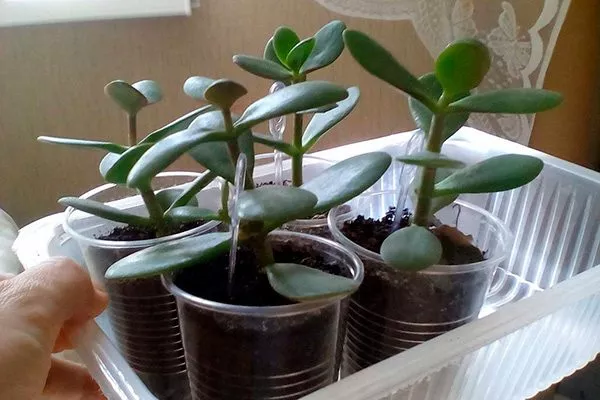
Another technique popular among gardeners is propagation by cuttings. To propagate, follow a few simple steps:
- choose a good shoot;
- prepare it;
- root in water or soil;
- transplant into a permanent pot.
Answers to questions
Sometimes beginning gardeners have questions that are difficult to answer right away. So, take a look at the most frequently asked ones:
Pinching is done with tweezers or fingers, and these areas must be powdered with activated carbon for disinfection.
- stress during transportation or transplantation;
- over-watering;
- draft;
- too frequent drying out of the substrate;
- excess of fertilizers.
First, analyze what could have negatively affected the money tree, and only then correct the situation in accordance with the cause.
In this case, you need to immediately repot the succulent in a new, drier medium. But first, lay the plant on a towel to completely dry out any moisture.
Conversely, leaves turn red when there's too much sunlight. Or when there's a sudden change in environment—if the plant was standing on a windowsill and then moved into the shade.
The money tree is considered a favorite indoor plant among Russian gardeners. Despite its capricious nature, it can delight its owners with the most unusual shapes, provided you learn how to properly shape the bush.