
The money tree is an attractive succulent and one of the most beloved houseplants. To ensure its health and vigorous growth, it's important not only to repot it every 3-4 years but also to choose the right pot.
Features of the structure of the root system of Crassula
The Crassula originates from Africa, where the climate is hot and arid. This explains the shallow location of this succulent's roots, which don't penetrate deep into the soil, as the main source of moisture is short-term rainfall or dew falling on the ground.
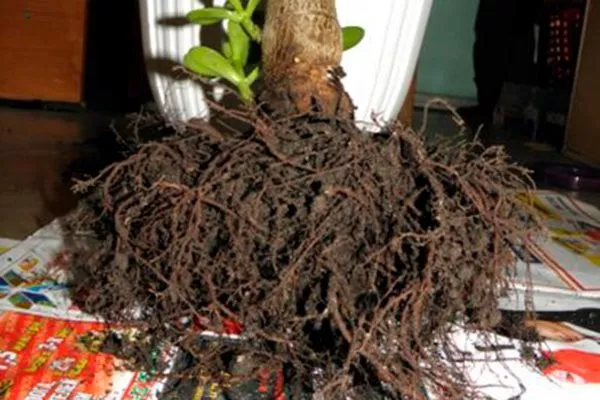
In the wild, the roots of the money plant are effectively adapted to quickly absorb moisture, essential for survival in African conditions, where rainwater evaporates quickly. When growing a money plant in a pot indoors, it's important to take these characteristics of the root system into account.
- ✓ A healthy root system of a Crassula is white or light brown in color, without dark or soft areas.
- ✓ When replanting, the roots should tightly wrap around the root ball, which indicates good plant development.
The plant's root structure is characterized by an abundance of small, fine rootlets located close to the soil surface, without a distinct central taproot. Essentially, the roots are highly branched, densely structured, and capable of expanding in width.
Optimal pot parameters for a money tree
Given the unique characteristics of the money tree's root system, it requires a container of sufficient width, but not necessarily depth. Choosing the right pot plays a key role in the successful cultivation of the plant, influencing its overall health and appearance.
Size
Don't choose a money tree pot size based on its crown diameter, as the succulent's root system isn't located within the projection zone of the above-ground part. Suitable container sizes depend on the plant's age:
- When planting cuttings of the Crassula, use a container no wider than 5-7 cm in diameter.
- When replanting annually, increase the size of the pot by 1-2 cm.
- When the plant grows and requires repotting every 3-4 years, the new pot should be 3 cm larger than the previous one.
- If the money tree has grown sufficiently, leave the pot size unchanged, replanting only to replace the soil.
- ✓ The thickness of the drainage layer should be at least 1/4 of the height of the pot for peat substrates.
- ✓ For clay pots with one drainage hole, it is recommended to increase the drainage thickness to 1/3 of the pot height.
When growing a money tree in a peat substrate, the drainage layer should be at least 1/4 of the container's height. The optimal pot height for a mature crassula grown in peat soil is 25 cm.
Form
When choosing a pot shape for a money tree, you can be guided by both aesthetic preferences and practical considerations. Here are some recommendations:
- Classic form. Pots with a traditional round or square shape can be versatile and suit different interior styles.
- Low and wide forms. Horizontally oriented pots can be more stable, especially if your money tree has a large crown. They create a visual balance between the plant's height and the shape of the pot.
- Oval pots. An oval shape can add a touch of originality and elegance to a pot. They can look stylish and add an interesting design element.
- Pots with high sides. These containers can be deeper, which provides additional space for the roots and creates a stylish appearance.
- Minimalist shapes. If you prefer simplicity and minimalism, pots with geometric shapes such as cubes or cylinders may be the perfect option.
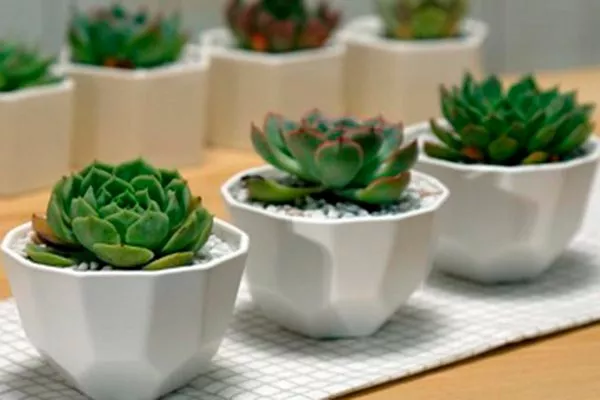
The choice of pot shape depends on your design preferences and visual needs. Keep practicality in mind, paying attention to pot stability and the plant-to-container ratio.
Material
The choice of pot material for a money tree depends on several factors, including aesthetic preferences, growing conditions, and soil moisture requirements. Here are some common options:
- Clay (terracotta). Clay pots are a popular choice due to their breathability and moisture absorption. They promote aeration of the root system and prevent overwatering. However, clay can dry out quickly, requiring more frequent watering.
- Plastic. Plastic pots are lightweight, durable, and available in a variety of shapes and sizes. They retain moisture better than clay, which can be beneficial for succulents, but they are less breathable.
- Ceramics. Ceramic pots are great because they offer a variety of styles and options. They're usually heavier, which can prevent tall plants from tipping over. Ceramics offer some breathability and retain moisture.
- Fiber cement. This modern material provides good breathability, durability, and resistance to various conditions. Fiber cement pots are lightweight and moisture-resistant.
- Metal. Metal pots can look stylish and be used to create a modern interior. However, the downside is that they can overheat in the sun, which can affect the root zone temperature.
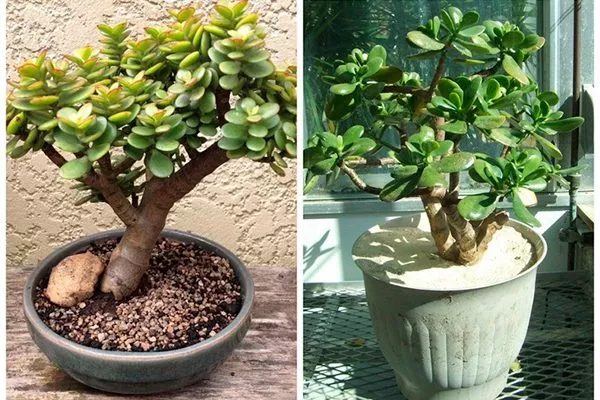
The choice of material depends on your preferences, local growing conditions and the plant's care requirements.
Presence of drainage holes
Experienced gardeners recommend using pots with plenty of drainage holes for planting money trees and other houseplants. Those who know how to properly water money trees can safely use clay pots with a single hole or even planters with a solid bottom.
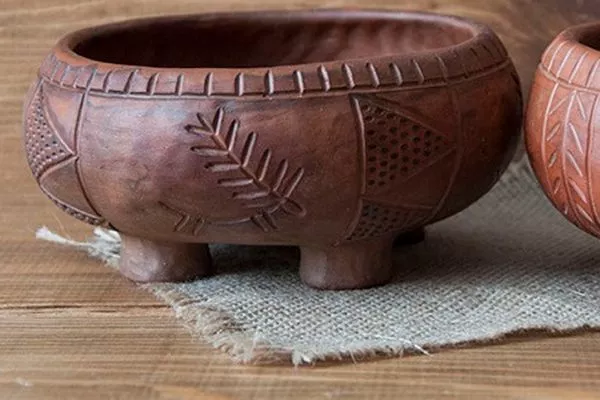
Planting a money tree in a pot is not recommended, despite the possible lack of drainage holes. These not only remove excess moisture but also promote root aeration. A good option is to use pots with small feet to ensure good air circulation.
Choosing a pot for a crassula according to Feng Shui
According to feng shui, choosing the color of a pot for a crassula is crucial for attracting financial prosperity. To ensure the growth of this money-inducing plant, it's recommended to use containers in the following shades:
- red;
- gold;
- silver;
- green.
According to feng shui, blue or white pots for money trees should be avoided. There is some disagreement regarding the color palette, particularly regarding brown and black. Some consider these colors unacceptable, while others believe they correspond to the energies of earth and metal.
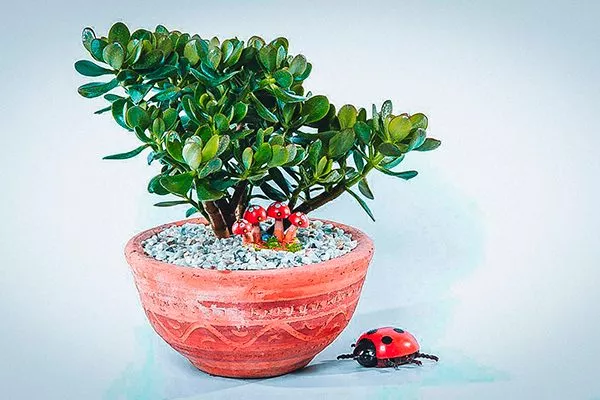
If you purchased a standard brown pot, you can wrap it in foil to meet the requirements. Besides choosing the color, the surrounding environment is also important. According to feng shui, it's best to place the crassula pot on a red napkin with the character for "wealth" on it.
The presence of coins is also taken into account. Adding them to the drainage system and hanging them on the crown of the money tree with red strings is considered auspicious according to feng shui. According to this teaching, it is recommended to plant the money tree exclusively in a new pot, avoiding using containers left over from other plants.
Preparing the pot
Preparing a pot for planting a money tree involves cleaning it, including removing dust and soil residue. Wash the pot with soapy water and a brush. Then soak the container in water. This is especially important for unglazed clay pots.
Don't forget to disinfect. Use a saturated solution of potassium permanganate for containers that have already been used. Additionally, dip the pot in a hot solution of a disinfectant (such as potassium permanganate or copper sulfate).
Prick the clay pots in the oven at 100°C. This not only ensures the pot is clean and hygienic, but also helps create optimal conditions for the successful development of the money tree.
What kind of pots are not recommended for planting a money tree?
Pots with unsuitable properties can negatively impact the growth of a money tree. It's important to avoid certain types of pots to prevent problems with the growth and health of the plant.
Deep
The money tree has a branched, shallow root system, lacking a taproot that extends deep into the soil. Therefore, using a deep pot is not only unnecessary but can also cause a number of unwanted problems.
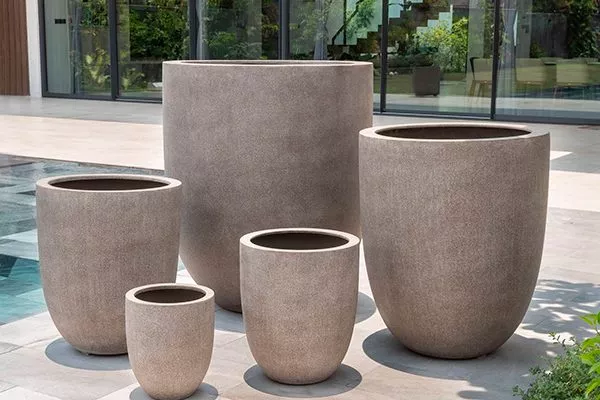
The ideal pot depth is calculated as follows: the height of the root ball and the depth of the drainage layer, plus 2-3 cm of soil between them and 3-4 cm on top. A pot 20-30 cm high is the optimal capacity for a money tree.
Narrow
A narrow pot is not an optimal choice for several reasons. Given the Crassula's extensive root system, a narrow container simply won't provide enough space for the roots, and squeezing them into such a pot may be impossible. The Crassula won't be able to grow vigorously and achieve a lush shape.
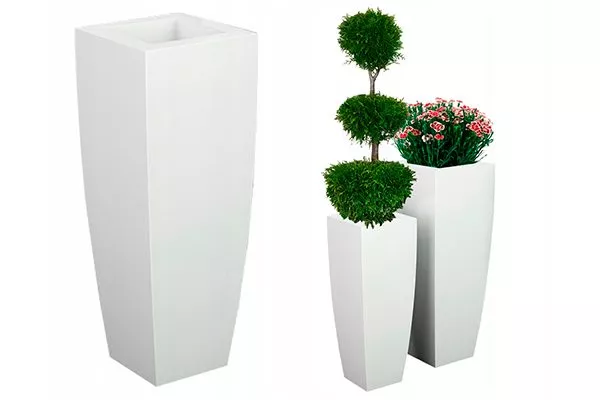
Given the massive and heavy above-ground portion of the Crassula, a narrow pot will be unstable, which can pose a risk to the plant. The ideal pot diameter should match the diameter of the densest part of the crown, ensuring stability, vigorous growth, and flowering.
Without drainage
The lack of drainage holes in the pot is one of the main reasons for water stagnation, which can lead to serious problems such as lack of flowering, root rot, and in some cases even deterioration of the trunk and leaves of the Crassula.
Waterlogging is inevitable, especially in larger pots without drainage holes. It's recommended to place a thicker layer of drainage material at the bottom of the container to prevent this negative impact and ensure optimal moisture conditions for the plant.
About the materials
Clay pots are preferred over plastic for planting Crassula. This decision is based on several factors:
- Clay pots are heavier and more stable, which provides additional support for the plant.
- Clay “breathes”, which reduces the risk of root rot due to excess moisture.
- Aesthetic aspect – painted clay pots will highlight the decorative qualities of the crassula, making them together an unrivaled decoration of the room’s interior.
This choice of pot not only promotes the health of the plant, but also creates an attractive visual perception in the room.
Do I need to change pots when replanting a Crassula?
Crassula repotting is done in two cases: when the plant needs a larger pot and when there are other compelling reasons that prevent delaying the transplant. To avoid damaging the money tree and stress, consider repotting it for other purposes, such as ornamental ones.
Let's say you've found a stylish and beautiful pot. Its size should be such that repotting will also achieve another goal: moving the growing plant to a more spacious container. Young plants should be repotted no more than once a year, while mature plants should be repotted once every 4-5 years.
Choosing the right pot for your money tree is crucial for ensuring the plant's health and prosperity. A properly selected pot, taking into account the root system, drainage holes, size, and material, provides optimal conditions for the succulent's growth. Choosing the right pot can help avoid various problems.