
The money tree belongs to the Crassulaceae family and is considered a succulent, although other names include crassula, fat plant, and others. It has a thickened trunk and shallow root system, which necessitates a specific soil composition. Therefore, choosing the right substrate is an important part of growing the plant.
Plant characteristics
The crassula is native to South Africa, where a predominantly arid climate prevails. To survive in these conditions, the money tree develops a shallow root system capable of absorbing large amounts of moisture and transferring it to the trunk and leaves for storage.
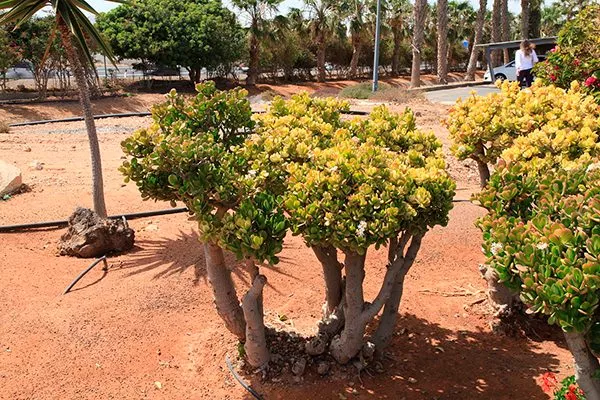
The roots resemble a web in appearance, with numerous root shoots that extend laterally rather than inward. The money tree lacks a taproot. Due to the unique structure of its root system, the money tree requires a specific composition and structure of soil mixture.
Otherwise, it will be impossible to achieve decorative qualities and flowering, the leaves will not acquire the shade required for the variety, and they will not be able to easily adapt when transplanted or transported to a new location.
Land requirements
The substrate for the Crassula must meet the following requirements:
- lightness and looseness – the airiness of the soil allows water to pass through, so there will be no stagnation of liquid;
- air permeability – the root system will receive enough oxygen for nutrition;
- fertility with the obligatory presence of minerals and organic matter – immunity is strengthened, rapid development occurs;
- acid-base equilibrium – optimal values from 5.5 to 6.5 pH;
- drainage – so that water drains out of the pot faster (a drainage layer or addition of drainage material to the soil is required).
Compound
The soil mixture for crassula should be multi-component, so several main and auxiliary components are added at the same time.
| Name | Soil type | Acidity (pH) | Drainage |
|---|---|---|---|
| Sod soil | Soil base | 5.5-6.5 | High |
| deciduous soil | Light and loose | 5.5-6.5 | High |
| Humus | Organic fertilizer | 5.5-6.5 | Average |
| Coarse river sand | Baking powder | Neutral | Very high |
| Peat | Baking powder | High | Average |
Sod soil
It's considered the foundation for the money tree's soil. A turf soil is formed from several layers: first, a layer of soil is removed, organic fertilizer is applied, and then soil is added again. This is then left to mature for two years.
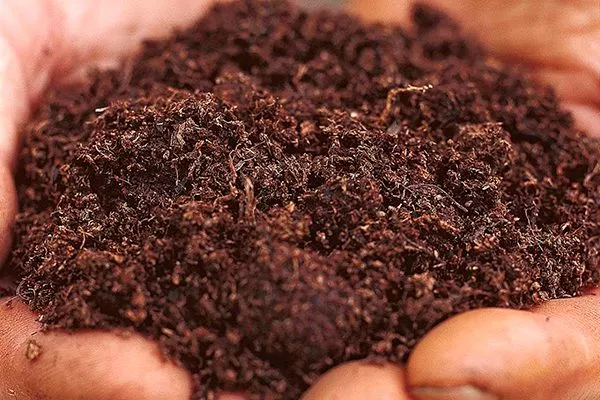
At home, it is easy to obtain turf soil mixture – you just need to cut off the top layer of soil in the pasture.
deciduous soil
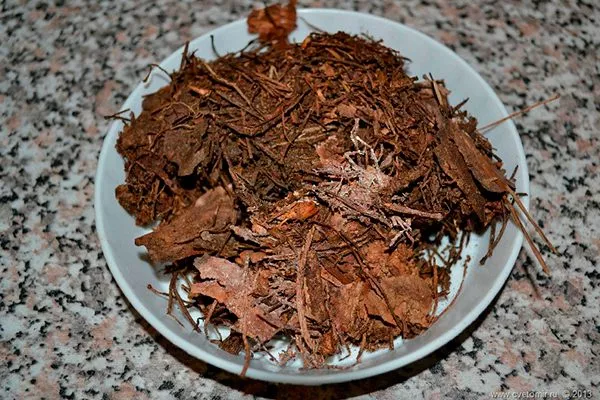
Leaf soil is always light and loose, nutritious and balanced, as it forms after the leaves have decomposed. However, for a money tree, it's important to collect leaf soil from under specific trees—linden, apple, and maple.
Humus
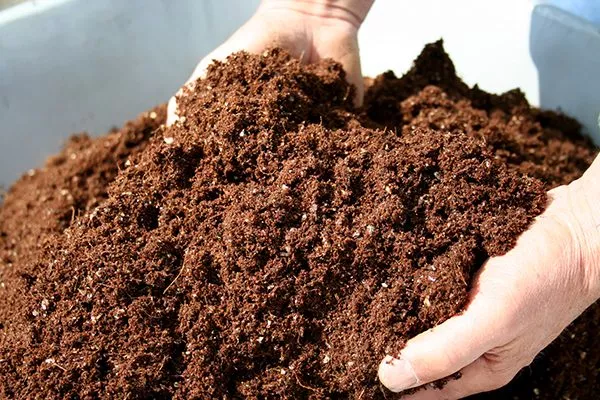
It is added to the substrate in small quantities, as too much causes the plant to become ill and sickly. However, too little can also lead to unpleasant consequences. If compost is unavailable, vermicompost can be used.
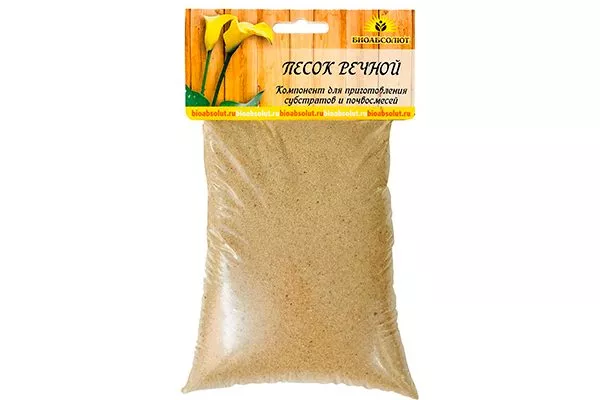
Coarse river sand
River sand, especially coarse-grained sand, has high air permeability. This allows the plant's root system to receive sufficient oxygen, preventing water from remaining in the soil. It is considered a soil loosening agent.
Peat
Peat is a must-have addition to the money tree soil mixture because it loosens the structure, which helps achieve excellent quality.
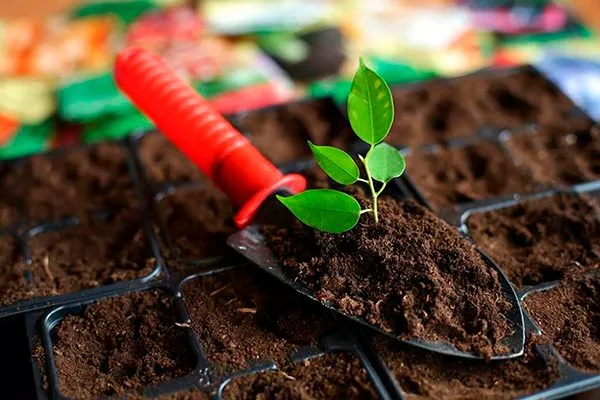
Peat comes in two types: high-moor and low-moor. The former dries quickly and is loose, while the latter is considered too heavy for succulents.
This leavening agent is added in small quantities, since peat has high acidity levels.
Selecting a ready-made substrate
You can purchase a ready-made potting soil mix at a specialty flower shop. There are many varieties, but not all are suitable for money trees. It's recommended to purchase a soil mix designed for succulents, palms, or cacti.
Peat substrates
Gardeners prefer peat-based media with neutral pH levels, as they often contain other components. If your store only has highly acidic media, you can neutralize it by adding dolomite flour or limestone.
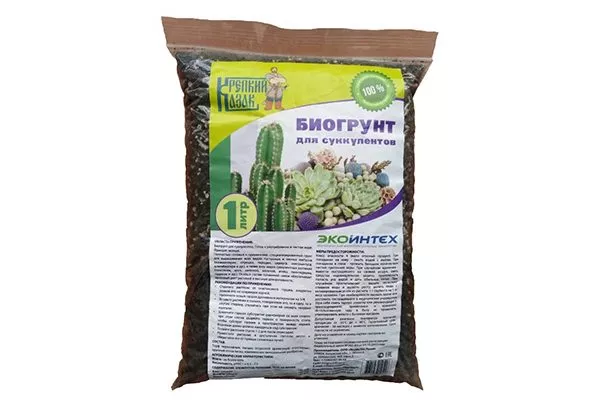
Among the purchased peat compositions, you can choose one of them:
- Queen;
- Florin;
- Durpeta;
- Seliger-Agro;
- Terravita;
- Flower paradise;
- Rich Land;
- Fasco;
- Sadko and the like.
Keep in mind that peat substrates are best suited for young plants that need to be repotted annually. For mature succulents, it's important to dilute the peat mixture with mineral supplements.
The reason for this is that peat becomes lumpy after a year, making its structure unsuitable for a money tree. Be sure to take this factor into account.
Ready-made mineral substrates
| Name | Substrate type | Main component | Sterility |
|---|---|---|---|
| Zeoflora | Mineral | Zeolite | Full |
| LECHUZA-PON | Mineral | Zeolite, pumice, lava | Full |
| Seramis | Mineral | Lava, expanded clay | Full |
| Ultra Effect + Mineral | Mineral | Lava, ceramics, foam glass, zeolite | Full |
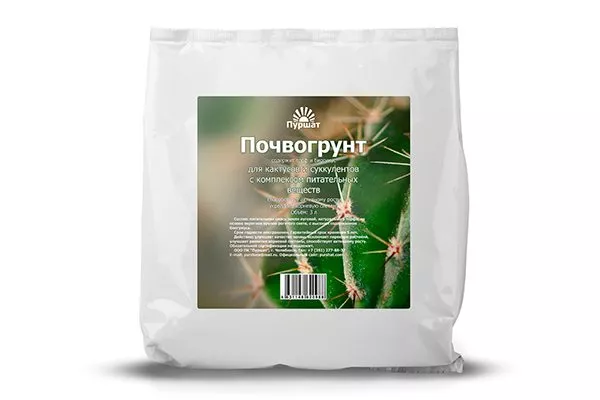
| Purshat | Mineral | Peat, meadow soil, limestone, sand | Full |
Mineral substrates for succulents don't contain humus, which is contraindicated for crassulas, so they may be a good choice. What types of soil can be purchased at a flower shop for planting/repotting money trees?
- Zeoflora. The base is zeolite (a modern material); there is no need to process or prepare the substrate, as it is completely sterile.
- LECHUZA-PON. Made from zeolite, pumice, lava, and various fertilizers, the composition is ideal, but the price is clearly too high.
- Seramis. During production, lava and crushed expanded clay are used, and it has an affordable price.
- Ultra Effect + Mineral. It consists of volcanic lava, ceramics, foam glass and zeolite.
- They're purring. It features low-dose peat and natural ingredients such as meadow soil, limestone, sand, and minerals. It's an excellent option for succulents and requires no additional fertilizers.
Selection rules
To ensure that the purchased substrate meets all requirements, pay attention to the following criteria:
- Carefully study the acidity level, especially for peat soil mixtures;
- It is better to give preference to high-moor peat in the substrate rather than low-lying peat, since it is loose and light;
- in a peat soil mixture the content of peat should not exceed 50%;
- You can buy regular universal soil and improve it;
- If the purchased composition contains a mushroom aroma, disinfect the soil;
- Do not purchase substrate intended for other types of indoor flowers.
The main thing is to pay attention to the composition, and the manufacturer does not play a special role.
How to improve purchased substrate?
Not all store-bought substrates contain the required amounts of components, so they don't meet the requirements. To remedy this, experienced gardeners improve their composition and structure. Particular attention is paid to the amount of rooting agents and peat.
The acceptable dosage of loosening agents ranges from 20% to 80%. If these are insufficient, coarse sand or any inorganic elements such as vermiculite, zeolite, coconut fiber, and the like can be added to the soil mixture.
When peat is excessively prevalent in the soil and the substrate pH ultimately exceeds 6.5, slaked lime or dolomite flour can be added. If the pH is below 5.5, high-moor peat is added.
Preparing soil at home
There's no need to purchase expensive ready-made soils for planting and replanting money trees. Many gardeners make their own potting soil. While there are various options, the preparation method is always the same.
Options
Today, gardeners and specialists offer numerous recipes for crassula substrate, varying in composition and dosage. Among these, the following stand out:
- Basic composition. It should contain approximately 40% turf, 20% coarse river sand (can be replaced with small pebbles, brick chips, or expanded clay), and 40% leaf mold. A 10% humus addition is also acceptable, which increases the substrate's nutritional value.
- Second option. You need to take 2 parts of leaf and turf soil, sand, 1 part of humus and pebbles.
- With purchased peat soil. For this recipe, you can use any store-bought peat-based substrate. It should make up 50% of the total. Additionally, add 15% river sand, 25% zeolite, and 10% vermicompost. To improve fertility, add 1 to 2 grams of Osmokot per 1 kg of substrate.
- Mineral home soil. The substrate should consist of 26% brick chips, 22% volcanic zeolite, 20% any soil-based substrate, 15% coco peat, 8% sand, 6% diatomaceous earth, and 3% charcoal. As before, you can add Osmocote at the same dosage.
What soil and components can be used?
The main types of soil are turf and leaf, but in addition to these, the following can be added to the substrate for the money tree:
- peat - in small quantities and only on horseback;
- coconut fiber – when saturated with water, it increases in volume;
- coarse sand – an important component for breathability;
- baking powder - these are pumice, expanded clay, pebbles, gravel, broken red brick, small stones;
- zeolite – retains fertilizers and then releases them to the root system of the money tree;
- akadamoy and lava – are a mineral of volcanic origin
Step-by-step preparation
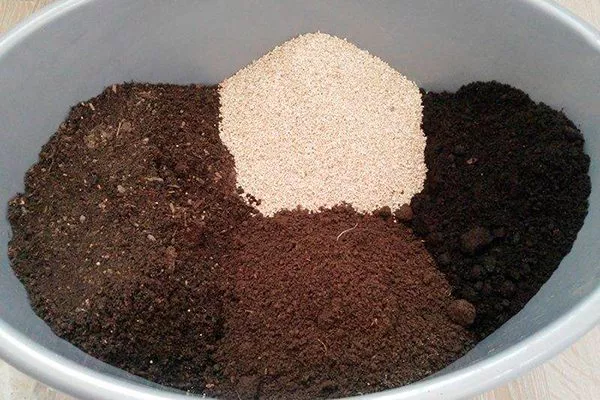
Once you've prepared a suitable substrate, you can begin making your own soil. Step-by-step instructions:
- Measure out the required amount of all ingredients.
- Pour them into one container. It's easier to use a wide bowl for mixing.
- Mix thoroughly. If the turf or leaf soil is lumpy, sift the soil through a sieve.
- Determine the pH level. To do this, take a handful of the substrate and add hot water in a 1:1 ratio. Let it cool. Then, insert a test strip or litmus paper and read the readings.
- Remove fungi and other bacteria by disinfecting.
- Place a 3-4 cm drainage layer on the bottom of the pot.
- Fill with substrate and plant the money tree.
Soil disinfection
It's important to disinfect the substrate, as it may contain insect larvae or eggs, weed debris, mold spores, and numerous bacteria and viruses. Failure to disinfect increases the risk of diseases and pests.
The procedure is carried out in different ways:
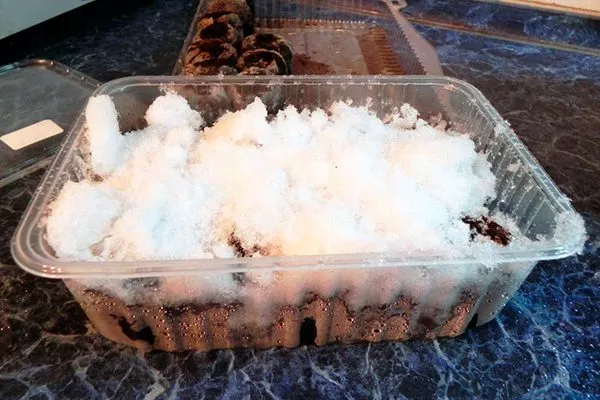
- Freezing. This method is time-consuming, as the substrate must be taken outside during freezing temperatures or placed in a freezer. The freezing period takes 15 days. After this, the soil is brought into a warmer environment and then taken out into the cold twice more.
The main disadvantage is the inability to destroy some diseases.

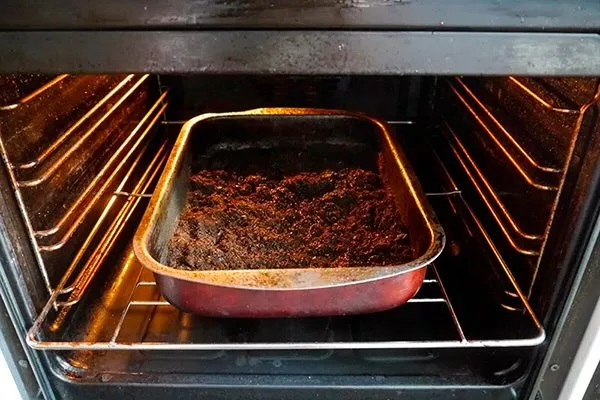
- Sterile roasting. This is the most optimal option, eliminating the risk of disease and pests. Additionally, the substrate is saturated with moisture and oxygen. The process is as follows:
- You need to pour the prepared soil onto a baking tray and pour boiling water over it;
- place in the oven and bake for half an hour at a temperature of 90 degrees;
- When the substrate has cooled slightly, pour it into another container in a 10 cm layer - this way it will be saturated with oxygen.
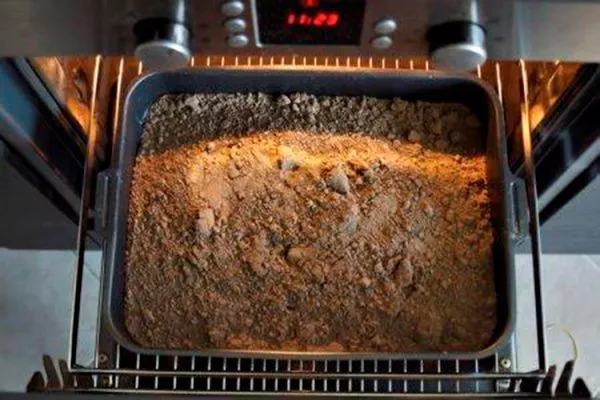
- Regular roasting. All pathogenic microorganisms are also destroyed. The soil is poured onto a baking sheet and placed in the oven for 20-30 minutes at 200 degrees Celsius.
- Steaming. It is carried out in two ways:
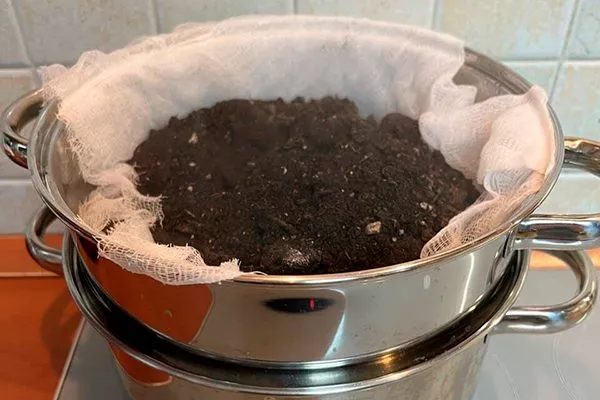
- in a water bath - pour the substrate into a colander and place it over a pan of boiling water, keep for 90 minutes while stirring constantly;
- steam - you need to apply a stream of steam for several minutes.
- Poisonous etching. This method is effective but dangerous, as it evaporates the poisons. Potassium cyanide compounds, carbon disulfide, and similar substances are used for this purpose. It is used very rarely.
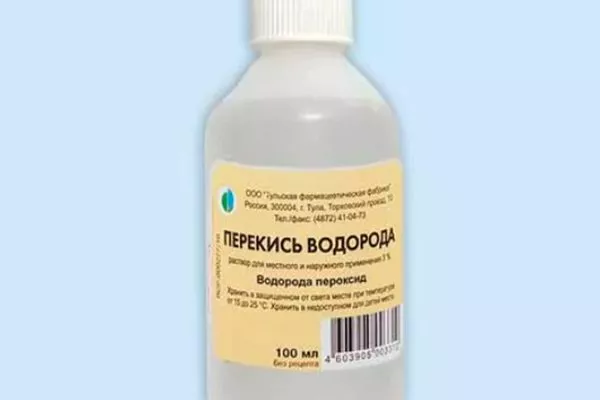
- Hydrogen peroxide. An excellent way to get rid of pests and diseases is to mix one part hydrogen peroxide with three parts water and pour it into the soil.
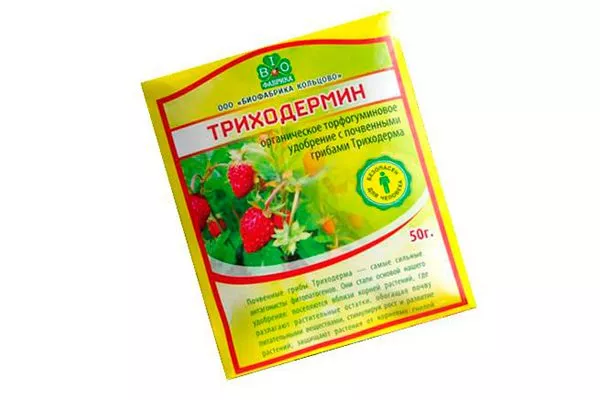
- Fungicides. You can treat the soil with Fitosporin, Alirin-B, Trichodermin, Agat, etc. Follow the instructions.
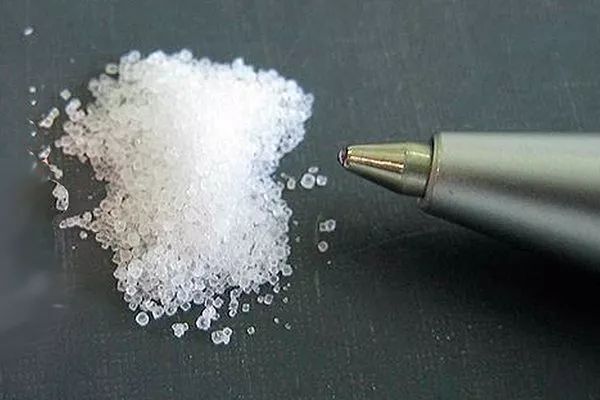
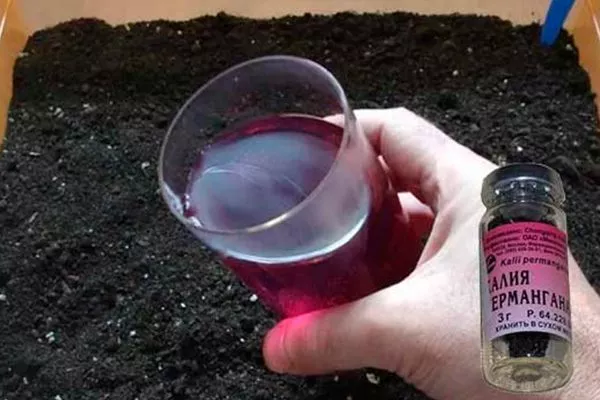
- Potassium permanganate. For etching, a dark pink solution is used, which is poured into the substrate.
Signs of improperly selected soil
If the substrate does not meet the requirements, the plant itself will tell you about it:
- the money tree is shedding leaves for no reason;
- the root system is rotting;
- the bush starts to get sick;
- development slows down or growth stops completely;
- the plant becomes lethargic, even falling on its side;
- the trunk is rotting;
- Crassula is dying.
- ✓ The soil does not form a crust on the surface after watering.
- ✓ Water is absorbed evenly, without forming puddles.
What drainage is best to use?
The money tree doesn't tolerate stagnant soil, so a layer of drainage material is always placed at the bottom of the pot. Thanks to the drainage system, water is quickly drained out, leaving only the necessary amount of moisture in the substrate.
You can use absolutely any material for drainage, but the following is suitable specifically for crassula:
- expanded clay;
- red broken brick chips;
- walnut shells, pre-crushed;
- pebbles;
- gravel;
- small stones;
- perlite;
- charcoal.
- ✓ The size of drainage particles must be at least 5 mm to ensure optimal air exchange.
- ✓ The material must be chemically inert so as not to affect the soil pH.
Properly selected substrate for a money tree ensures robust health, disease and pest resistance, rapid growth and development, abundant flowering, and healthy foliage. The key is to carefully consider all the subtleties and nuances.