
The money tree is known for its resilience and low maintenance requirements. However, sometimes the fleshy leaves of this plant can dry out, which can lead to the gradual decline of the entire tree. The causes of this phenomenon and preventative measures for restoring the viability of a dying plant are described in this article.
Main causes and solutions to the problem
There are many reasons why money tree leaves dry out. One of the most common mistakes made by inexperienced gardeners is failure to follow proper care instructions.
Incorrect watering
Drying of money tree leaves is usually related to poor water management. A major mistake is under-watering. Money trees require watering once or twice a week in the summer and once a month in the winter.
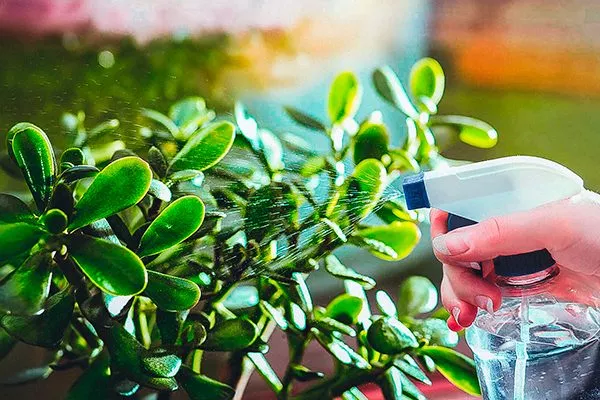
Overwatering can lead to the death of the plant in a short time, even despite the large leaves of the crassula.
The main reasons for money tree leaves drying out include:
- insufficient watering;
- severe over-watering of the root system;
- watering at low temperatures, for example, in autumn on the balcony.
The money tree prefers water that has been sitting on the windowsill for several days. The liquid shouldn't be too cold or too hot, and melted snow is preferable.
Give your jade plant a "shower" periodically to keep its leaves clean and shiny. Do this in the bathroom or with a spray bottle, simulating its natural growing conditions in warmer climates.
Lighting
Another reason for money tree leaves drying out could be insufficient or, conversely, too much light. Money trees prefer bright, but not overly sunny conditions.
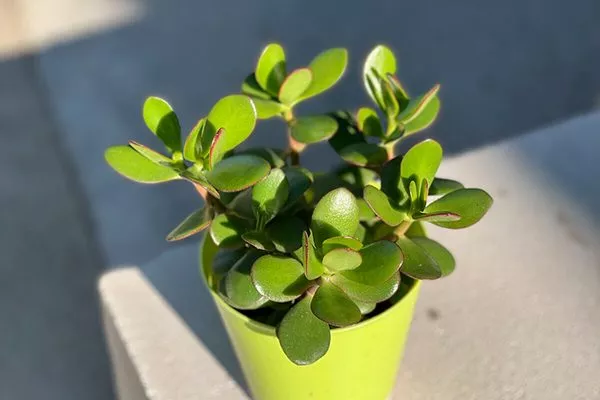
Place the plant in a sunny location where it receives adequate sunlight for most of the day. However, too much sun exposure can be harmful, causing the leaves to dry out, as can insufficient light. For example, if the pot is in a dark room or far from a window.
If your jade plant's drying out is caused by excess heat, move the pot to a less sunny side, such as from the south to the southeast. This will allow the plant to receive sufficient light but avoid excess heat, which can help maintain healthy leaves.
Environmental shock or stress
Any significant environmental change or stress to the plant can cause the loss of at least a few leaves. Even simply moving plants from one room to another can cause problems as the plant adapts to the new conditions.
Cold and hot drafts are common factors in environmental problems. It's not surprising if a mature plant loses a few leaves after repotting or pruning. Using chemical sprays around the house or leaf shine products can also cause leaf loss.
Violation of temperature regime
A significant factor causing money tree leaves to dry out can be temperature imbalances. The money tree does not tolerate cold, as its native climate is predominantly warm, limited to southern countries. The optimal summer temperature should not fall below 18°C.
Temperature fluctuations can be critical for the money tree:
- If the temperature drops sharply below +10°C, the plant may experience shock.
- In conditions of zero temperatures, the money tree risks dying.
- Ideal temperature conditions for the fat plant are considered to be within the range of +20…+25°C, with moderate but sufficient sunlight.
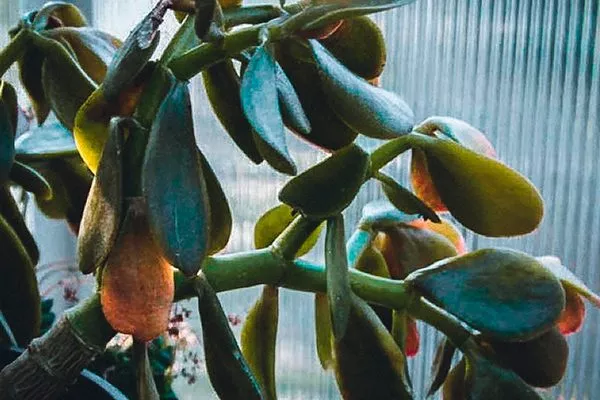
Placing a money tree on a balcony in early autumn is not recommended due to the risk of a sharp drop in temperature at night, which can kill the plant. Frostbite on a money tree manifests itself as wilted and wrinkled leaves that gradually dry out and fall off.
A cramped pot
Another factor contributing to the drying out of money tree leaves is placing the plant in decorative pots that are too small. This can negatively impact its health, and in such cases, immediate repotting into a proper pot is necessary.
Although the money tree's roots aren't particularly large, they still require ample space. A small pot can be chosen when the plant is in its early stages of growth, but as it matures, repotting into a more appropriately sized container should be considered.
Avoid overly large pots, as this can lead to improper water distribution and even root rot. Choose a medium-sized pot that will provide the plant with sufficient space to grow and develop while maintaining optimal conditions.
Using unsuitable water
Watering your jade plant with tap water is not recommended due to its chlorine content, which can negatively impact the plant's health. Use settled, room-temperature water for watering.
Overly dry conditions
Insufficient moisture can cause leaves to drop. Since money trees are succulents, they require regular, generous watering to keep their leaves plump and healthy.
Larger plants may develop compacted areas in the soil mixture or roots, which impedes moisture penetration. Try soaking the plant when watering and use high-quality, well-drained soil to ensure even distribution of moisture throughout the money tree.
Leaves may continue to fall for a week or two after adjusting the watering schedule. Avoid overwatering to prevent the plant's roots from rotting.
Top dressing
If the money tree weakens and loses its vitality, the consequences can be dire. In this case, it's important to ensure not only watering and proper lighting conditions, but also fertilizing.
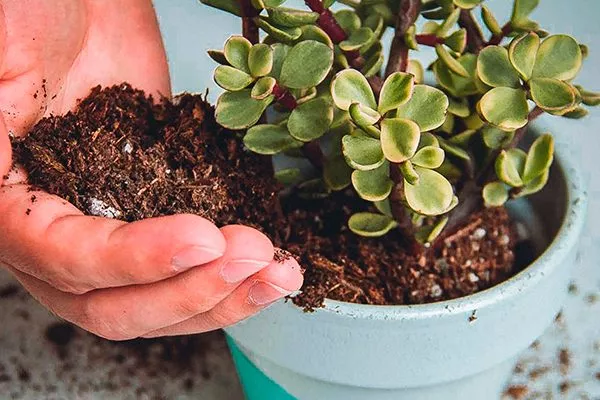
Avoid using inappropriate fertilizers, as this can pose a threat to plant health, especially due to excess nitrogen. When choosing fertilizers, choose those that contain potassium, phosphorus, calcium, iron, and nitrogen in the correct ratios.
Transplantation and cuttings
The money tree tolerates repotting and propagation by cuttings relatively well. Pulling the plant out of its pot or cutting off its roots too abruptly can cause it to dry out.
The rules for a successful transplant include the following steps:
- Carefully remove the lump of soil from the old pot and move it to the new one.
- Make sure all roots are within the root ball.
- After completing the transplant, water the money tree well to help it recover from stress.
To prevent the leaf from drying out during propagation, take a pot, provide drainage, and add potting mix. Then, moisten the soil and carefully place the leaf or branch with roots, and be sure to water it afterward.
Age
A Crassula may lose several leaves per year as it grows. Older, lower leaves gradually become discolored and fall off. This process may be accompanied by slight wrinkling, but naturally fallen leaves should not suddenly turn yellow or dry out completely before falling.
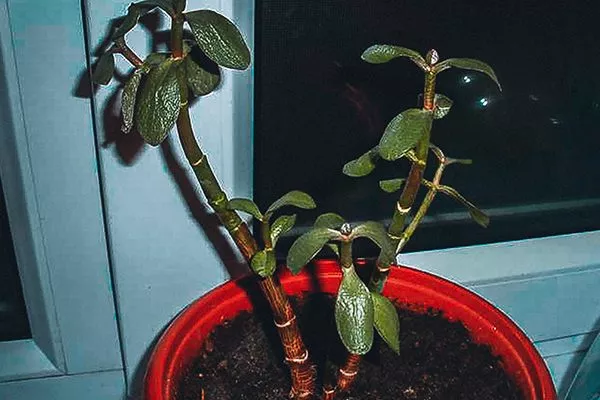
Watch for accelerated leaf loss, as this may indicate problems. If you notice only one or two leaves falling out per month, this is likely part of the plant's normal growth. This type of leaf loss cannot be completely avoided.
Diseases
If the leaves of a Crassula become dry and covered with growths, this may indicate a disease. Additional signs may include the appearance of webbing on the branches and a powdery coating on the drying crown.
Rinse the plant and repot it in new soil if necessary. The sooner the plant is freed from the contaminated environment, the better. If a black coating appears on the leaves, this may indicate a serious infection. In this case, remove all infected parts and remove any affected roots.
Soak the roots of the crassula in a potassium permanganate solution for 20 minutes or use regular laundry soap to treat the affected areas. Dilute the soap solution and rinse the affected area.
The appearance of pests
A possible cause of leaf drop is a pest attack. Despite the plant's generally good immunity, it can be susceptible to insect attack.
Mealybug
When pests land on leaves, they attack young plant tissue, which can lead to complete or partial crown baldness and even death of the tree. In case of severe infestation, use insecticides. Use them strictly according to the package instructions.
Spider mite
This pest is considered particularly dangerous because it sucks the plant's sap, which can cause leaves to fall. The main sign of a spider mite attack is the appearance of webbing. To combat these insects, use Fufanon or Actellic Apollo.
Scale insect
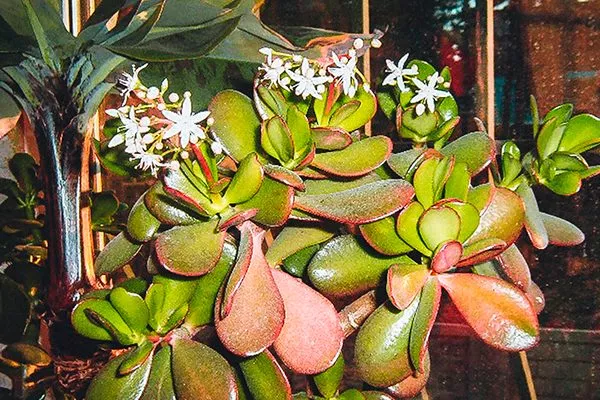
This insect feeds on leaf sap, causing them to thin, wither, and eventually fall off. If scale insects are not controlled, the plant can quickly lose all its leaves and die.
- ✓ Mealybugs leave white, cottony secretions on leaves and stems.
- ✓ Spider mites appear as small yellow dots on the leaves and a thin web between the branches.
- ✓ Scale insects form brown bumps on leaves and stems that are difficult to separate from the plant.
Mix a small amount of mild liquid soap with water and apply it to the money tree leaves. Then rinse the plant thoroughly to remove the scale insects. This method can help with mild infestations.
Sunburn
The money tree responds well to bright, indirect light, but direct sunlight can be harmful. Intense sunlight can burn the leaves, which can lead to leaf drop.
To prevent this, avoid placing the pot on south-facing windows or provide shading by covering the glass with a suitable piece of paper.
What to do if the Crassula has dry leaves?
Dry leaves are the most common indicator of under-watering. When this symptom is noticed, the following measures are recommended:
- Adjust your watering regime immediately to prevent further wilting of the plant.
- If the leaves not only dry out but also develop a white coating, this may indicate the possible presence of fusarium rot, mealybugs, or spider mites. In such cases, treat the plants with a fungicide solution.
- If you notice dry leaves and webbing, clean the plant and treat it with a garlic solution. If the roots are damaged, repotting may be necessary.
- The use of antibiotics and other serious medications is recommended only if the correct watering and lighting conditions are met.
Sometimes, drying out can be prevented simply by changing the watering system or moving the pot closer to the light source. If the plant isn't receiving enough water, the leaves will simply dry out and fall off, without any other signs of disease.
Subtleties of care
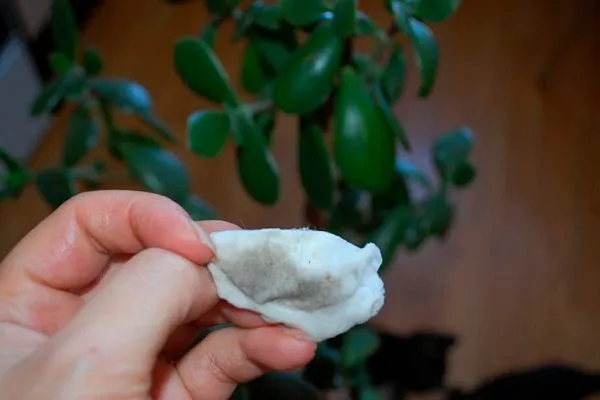
To ensure the plant's excellent health and attractive appearance, it must be carefully cared for and provided with optimal conditions for its growth. Weak and wilting leaves are often signs that the plant needs attention and attention.
Helpful tips:
- Provide the plant with adequate and appropriate lighting by placing it near a southwest-facing window and protecting it from direct sunlight with a net curtain. Supplemental lighting may be necessary during winter.
- Maintain an optimal temperature. In summer, it should be between 23-27°C to avoid overheating the plant. In winter, temperatures should be between 18-20°C.
Water once a week with a small amount of warm water. Periodically, replace the watering process with a diluted fertilizer. In winter, reduce watering to once every two weeks and apply fertilizer every two months.
Preventive measures
The plant's location plays a key role in its care. Avoid placing it in dark corners or deep in the room to prevent it from stretching and losing leaves. A sunny location with indirect light is preferable.
Basic care rules include:
- Regular watering with water at room temperature.
- Fertilizing the soil with fertilizers containing vitamins and other components.
- Washing the leaves or spraying them with water.
- Selecting good soil and using drainage.
- Pest and disease control.
If the plant has been slightly frostbitten on the balcony or has become ill, don't rush to get rid of the money tree pot. Experience shows that the money tree is highly resilient and can recover over time.
Money tree leaves can dry out for various reasons, and successful restoration requires a careful and systematic approach to plant care. Regularly inspect the plant and monitor its watering. Following these recommendations will help maintain the health and beauty of your money tree, providing it with optimal conditions for thriving.