
Caring for a money tree requires attention and the right approach to prevent root and trunk rot. Understanding the causes of this process and taking timely measures to address the problem can save the money tree from serious negative consequences.
Main reasons
Internal trunk rot is caused by improper watering. Excess moisture leads to softening of the wood, accompanied by an unpleasant odor of decay.
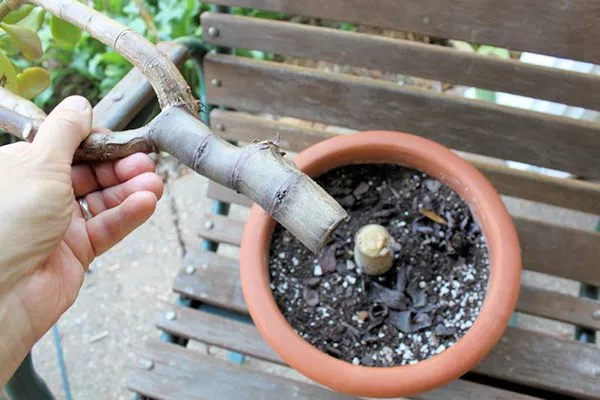
Factors causing decay:
- Violation of the watering regime in winter, for example, daily application of moisture instead of 1-2 times a month.
- Lack of drainage in the pot or use of unsatisfactory soil.
- Excessive moisture during the warm season, for example, due to heavy rains if the crassula is grown outdoors, or due to frequent watering.
- Frequent replanting of the plant.
- Watering with ice water or other unsuitable liquid.
- Regular pruning of the crown in the bonsai style.
- Fungal or blight disease, which may indicate brown roots and other signs.
If the damage is significant, the softened trunk cannot be restored. The only solution is to cut off the healthy upper part and root it. The trunk cannot be restored, but a new plant can be grown from healthy branches and leaves.
Diagnosis of Crassula rot
The Crassula prefers a warm environment and requires moderate moisture. Various problems can occur during cultivation. It's important to identify any problems promptly and take steps to prevent recurrence.
trunk
If there's excess moisture in winter or insufficient light in summer, the crassula stem can stretch, taking on an unsightly, twisted shape and becoming susceptible to rot. This process typically involves damage to both the stem and the roots.
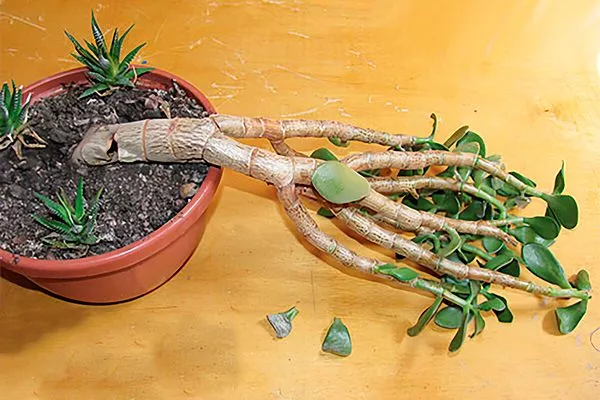
One of the characteristic signs is stickiness at the base of the stem and an unpleasant odor. Crassula requires different levels of moisture in winter and summer. There is an increased risk of disease in winter.
Roots
If the plant has been exposed to direct sunlight for a long time without watering, resulting in changes in its roots, it is recommended to gradually begin watering.
Follow these recommendations:
- Water the plant moderately until the shriveled and dried rhizomes regain their normal shape. After this, switch to regular watering.
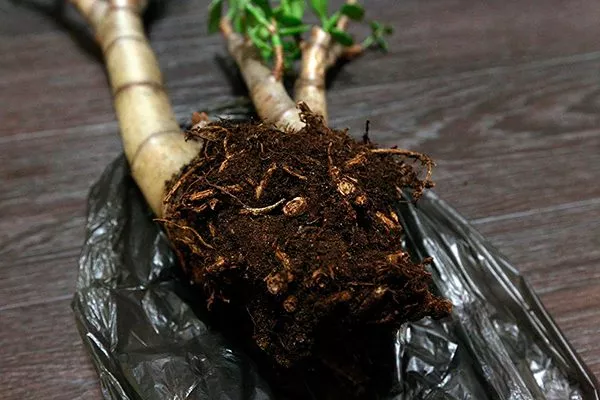
- If the plant's roots have begun to rot, growth slows, and the leaves wilt and turn yellow. Remove the plant from the pot to inspect the roots. A rotten rhizome may have a grayish-brown tint, and the root hairs may be dry.
- When removing the plant from the soil, some roots may remain in the soil, becoming slimy and smelling musty. In severe cases, the outer layers of the root and stem begin to peel off. The lateral and central roots also turn brown and begin to rot.
- ✓ Healthy roots of the fat plant have an elastic structure and a light beige color.
- ✓ The absence of odor when examining the root system indicates the health of the plant.
Often such problems are caused by pathogenic microorganisms such as fungi and bacteria that cause bacterial rot.
How to save a plant?
Depending on whether the roots or trunk are affected by rot, appropriate treatments are used. It's important to know what to do if the roots are rotting or the trunk has become soft.
What to do if the trunk has become soft?
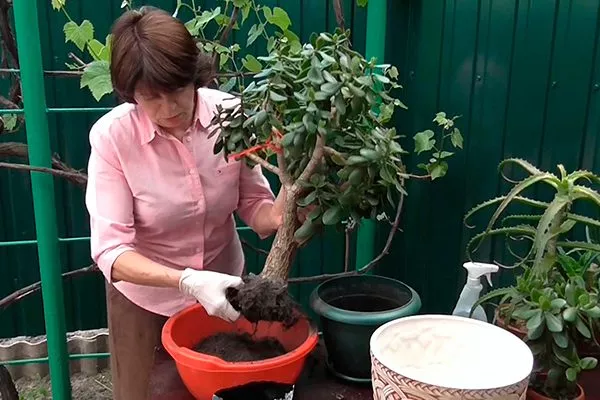
To thoroughly inspect the plant, hold it firmly by the trunk and carefully remove it from the pot. Once you have the money tree in your hands, carefully examine the condition of the roots.
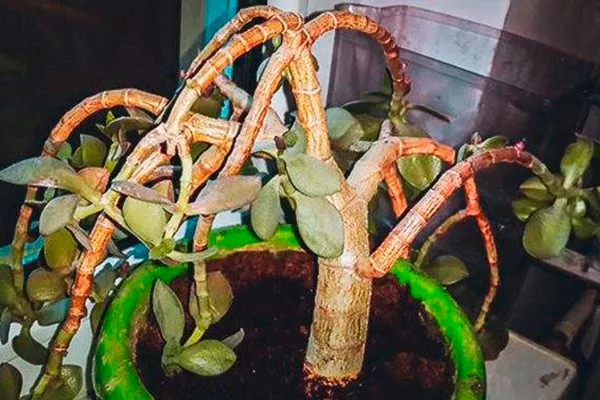
Pay attention to the following signs:
- unpleasant smell of rot;
- presence of brown roots on the sides;
- white coating on leaves;
- detection of small insects;
- the presence of mucus and other signs of decay.
Also pay attention to the minor “symptoms”:
- softness of foliage;
- the appearance of spots or white, gray coating on the leaves;
- wrinkled and soft trunk.
If the plant's trunk has become soft, remove it from the pot, let it dry, and then repot it in new soil. If the money tree continues to rot after drying, the only way to help it is to propagate it from surviving cuttings.
How to combat root rot?
Root rot in a money tree can be caused by overwatering, unsuitable soil, or poor drainage. Here are a few steps to help combat the problem:
- Make sure the pot has drainage holes. Check to see if the drainage holes are clogged. If so, water may be trapped in the pot.
- Use well-drained soil for succulents or add perlite or coarse sand to regular soil to ensure good root aeration.
- Water the money tree only when the top layer of soil is dry. Avoid overwatering. Before watering, check the soil moisture using a wooden stick or a moisture meter.
- Carefully remove the plant from the pot. Inspect the roots. Remove any rotten areas using clean, sharp tools. Treat any remaining healthy roots with an antiseptic (such as hydrogen peroxide drops) before repotting.
- Before replanting, allow the roots to dry for several hours or even days in the shade to avoid the possibility of infection.
- Repot the money tree into a new pot with clean, fresh succulent soil. Ensure good drainage in the new pot.
Maintaining regular care and optimal conditions for the money tree will help prevent further root rot.
If the roots are completely rotten, follow the instructions:
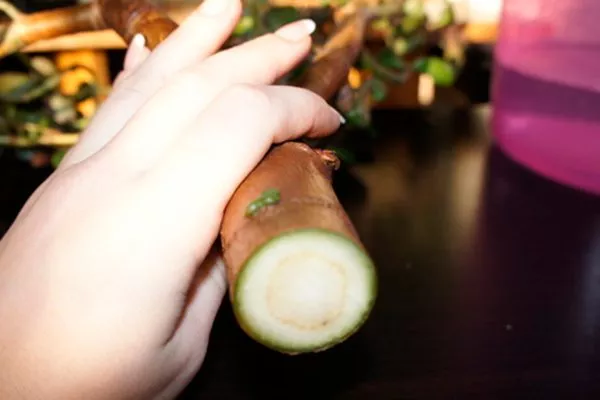
- Cut the stem above the rot, disinfecting the tool after each cut.

- Dry the cut (possibly sprinkling it with activated charcoal).
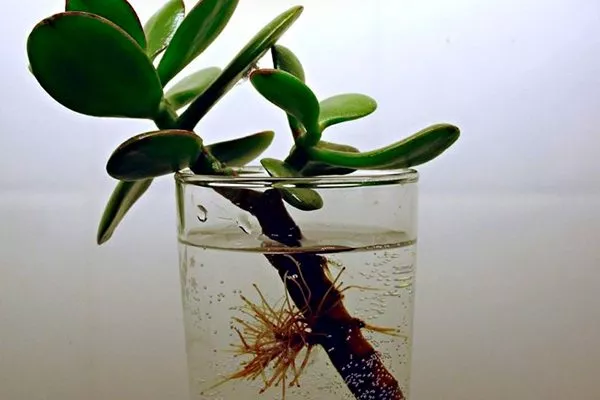
- Place the stem in a glass of water and wait until roots grow 4-5 cm long.
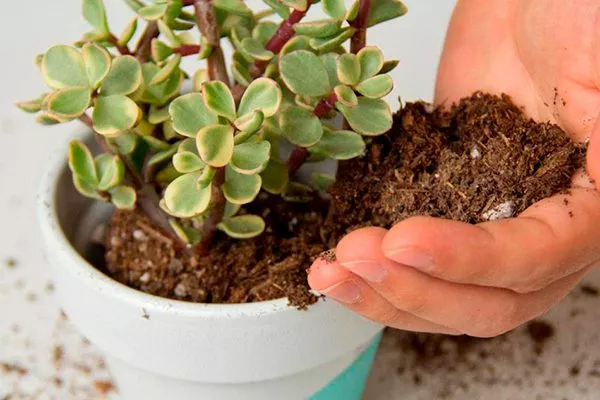
- Plant the plant in fresh soil, avoiding watering and fertilizing for 2-4 days.
To combat fungal and bacterial infections, use a weak solution of potassium permanganate. Apply fungicides and antibiotics to combat bacterial rot. Spraying the plant with an aqueous solution containing the solution helps combat potential diseases.
Watch the video to learn how to save your money tree from overwatering:
In what cases can't help?
If the money tree is completely rotted when dug up, it's beyond saving. In this case, it's best to purchase a new plant or grow a new one from a leaf or small cutting. To grow, simply place the cutting in water and wait for the roots to develop.
If the roots have completely rotted, but the trunk has only just begun to deform, it may be possible to save it by cutting off the top and rooting it. Replanting a tree with rotten roots, which is pointless, is doomed anyway.
Preventive measures
To maintain the health of your money tree, it's recommended to strictly adhere to a watering schedule. Avoid placing the houseplant in direct sunlight and protect it from cold temperatures by avoiding using cold water. Fertilize the plant regularly during warmer months.
Preventive measures:
- Allow water to settle before watering.
- Wipe the plant leaves or spray them with a spray bottle.
- Monitor lighting levels, avoiding excessive darkness or strong sunlight.
- Replant the money tree into new flower pots as it grows in size.
- Check the plant periodically and gently feel the trunk.
- If the plant grows significantly, replace the pot. Delay fertilizing after repotting, beginning 3-4 months later. If there is a disease, begin treatment first, then fertilize.
- Choose a new pot of medium size to avoid water stagnation and root rot.
- Ensure there is drainage and a drain for water.
- Avoid one-sided lighting, drafts and high temperatures from heating radiators.
- In spring, don't rush to move the pot onto the balcony, as low temperatures can damage the tree. The optimal temperature for the Crassula is between 21 and 30°C.
The Crassula is a cultivated plant with a massive trunk, which, if not properly cared for, can be susceptible to rot. It's important to closely monitor for signs of this condition and take appropriate measures promptly.