
For begonias to thrive, several agricultural requirements must be met, but one of the most important aspects is the choice of substrate for planting and repotting the houseplant. Learn about the specific soil requirements for begonias in this article.
What role does the right soil play?
Begonia is a native of tropical humid climates, and it grows not only in the ground, but also in rock crevices.
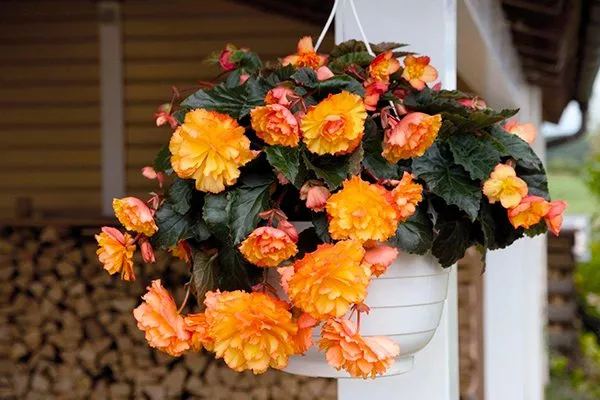
Despite this, this especially domesticated plant has specific substrate requirements, which must be nutritious. Why choose begonia soil according to these requirements:
- Fertility. The nutrient medium strengthens the plant's immune system, enabling it to resist diseases of various origins. Essential micronutrients accelerate the growth and development of the plant, improve the quality of flowering, and develop the root system.
- Acidity. The pH of the substrate affects the overall decorative appearance of begonias. If the pH is not right, the leaves and buds wilt, fall off, and become unattractive. The plant itself is susceptible to numerous diseases and pest infestations.
If the acidity is elevated, shoot growth slows down and budding will be absent, as the acid does not allow microelements to be absorbed in the required quantity and form. - Structure. It should not be heavy, otherwise the water will stagnate during watering, and this can lead to rotting of the root system.
- ✓ Optimum temperature for substrate preparation: 18-22°C.
- ✓ Air humidity during substrate storage: no higher than 60%.
What kind of soil does begonia need?
| Name | Soil type | Acidity | Looseness |
|---|---|---|---|
| Indoor varieties | Peat, leaf and sod soil | 6.5 pH | High |
| Tuberous | Sphagnum moss, peat, leaf mold and perlite | 6.5 pH | Very high |
| Ampelous | Sand, peat and leaf soil | 6.5 pH | Average |
| Bushy | Black soil, sand and peat | 6.5 pH | Low |
| Foliage-ornamental | Peat, turf and sand | 6.5 pH | Average |
| Everblooming | Purchased option | 6.5 pH | Depends on the manufacturer |
| Garden | Sand, peat soil, leaf soil | 6.5 pH | High |
The basic requirements for the substrate for begonias are as follows:
- water and air permeability - this composition easily allows water to pass through and saturates the soil with oxygen;
- looseness and lightness – the roots will feel comfortable;
- acidity – 6.5 pH and not higher, since the root system of begonias is very sensitive.
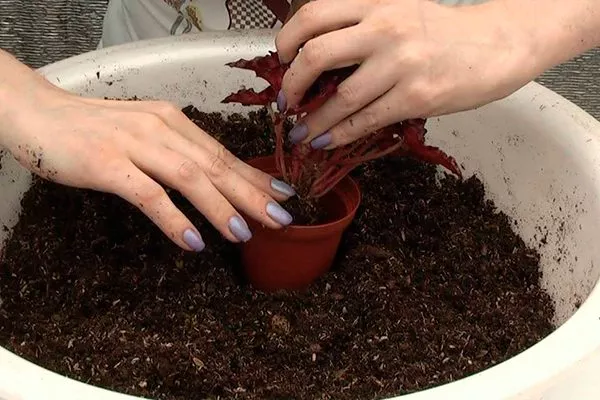
Begonias love fertility, but do not tolerate tannins, so it is forbidden to add soil and other substances that were located under oak and willow trees.
Depending on the type of begonia, the requirements also vary. For example:
- indoor varieties – love peat, leaf and turf soil;
- tuberous - prefer sphagnum moss, peat, leaf soil and perlite for sprouting tubers and sod-leaf soil with river sand for further cultivation;
- ampelous - require sand, peat and leaf soil;
- bush - require black soil, sand and peat;
- deciduous-ornamental – require peat, turf and sand;
- Ever-blooming - only the purchased version is used;
- garden - sand, peat soil, leaf soil.
The correct composition
Experienced gardeners often prefer to use homemade soil. The soil mixture should be based on leaf mold and turf soil, with a little peat and humus or other organic fertilizer. Other soil loosening agents are also needed, such as river sand, vermiculite, agroperlite, sphagnum moss, and coconut fiber, which give the soil a fluffier texture.
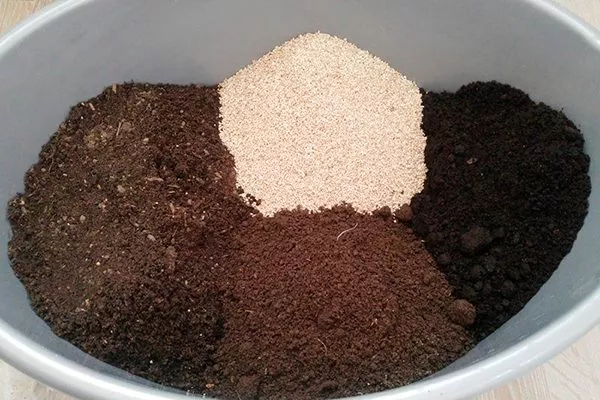
The specific composition depends on the variety, but there are also universal options. There are many of them:
- 2 parts peat and leaf soil, 1 part compost and sand - a universal composition:
- in equal proportions sand and peat - for rooting cuttings during propagation;
- in equal proportions sand, turf and humus - for adult plants;
- 1 part turf soil, 2 parts each of humus and peat – for flowering varieties;
- 2 parts sphagnum moss and leaf soil, 1 part perlite - for tuber planting;
- 2 parts each of humus, peat and leaf soil, 1 part of turf – for royal types of begonia;
- 1 part sand, peat and humus, 2 parts leaf soil - for ever-flowering varieties;
- 0.5 parts charcoal, 1 part each of coarse sand, coniferous soil and leaf soil - if coniferous trees grow nearby.
Options from stores
If you don't want or can't make your own potting soil, you can buy it at a flower shop. However, keep in mind that potting soil typically contains a large amount of peat, so some options may be too acidic.
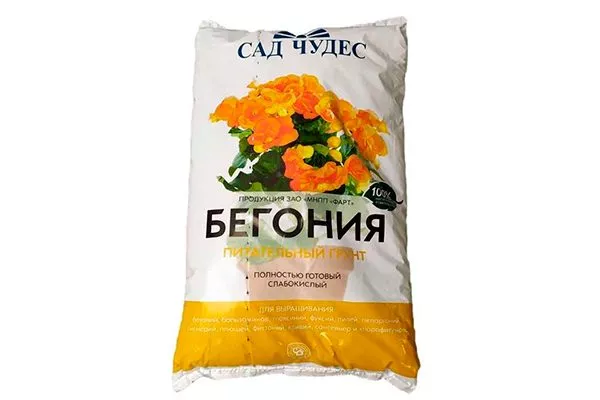
Store-bought substrates typically lack leaf mold and turf soil, but they do contain mineral additives that are quickly absorbed by begonias. Because of this, the flowers will need to be fed much more frequently. Peat dries quickly, so watering frequency increases.
The most popular manufacturers and substrates for begonias:
- Garden of Wonders. The soil contains agroperlite, sand, and high-quality peat. Minerals and vermicompost are added.
- The world of soils. The company offers several substrates, which include lowland and highland peat, vermiculite, sand, dolomite flour and chalk.
- Respect. This company's most popular soils are called Sapropel. They consist of sand, organic matter, sawdust, and peat.
- Vermion. Contains vermicompost, gravel and peat.
- Soil factory. Offers various formulations developed specifically for begonias.
- Paranginsky peat enterprise. Produces compositions based on peat and leavening agents.
- Hera. It is a universal composition containing sand, lowland or highland peat, dolomite flour to reduce acidity, and minerals.
Home substrate
While the composition of begonia substrate is more or less clear, it's important for beginners to understand how to prepare it properly. To do this, you first need to gather all the materials, prepare them, and mix them.
Advantages and disadvantages of homemade soil
Many people don't understand why they need to make their own substrate when they can simply buy it. In fact, homemade soil has many advantages:
Step-by-step instructions for preparing the mixture at home
The hardest part of making your own begonia substrate is collecting the soil. Where and how to do this:
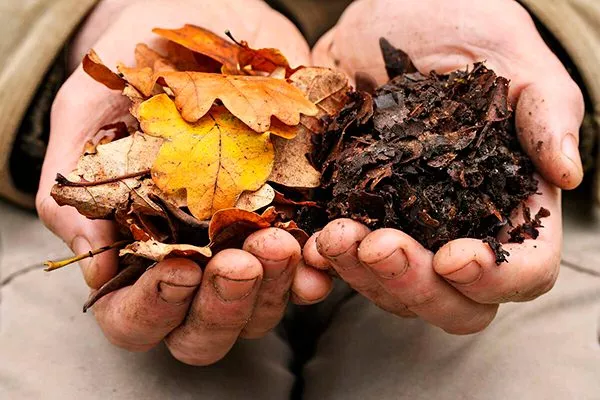
- Leaf soil. It's usually found under trees in parks, etc. You can choose any tree, but willow and oak are preferred. To collect, remove the current year's leaves (if collecting in the fall) and the top layer of last year's leaves from the surface of the ground. The soil underneath is what you need to collect.

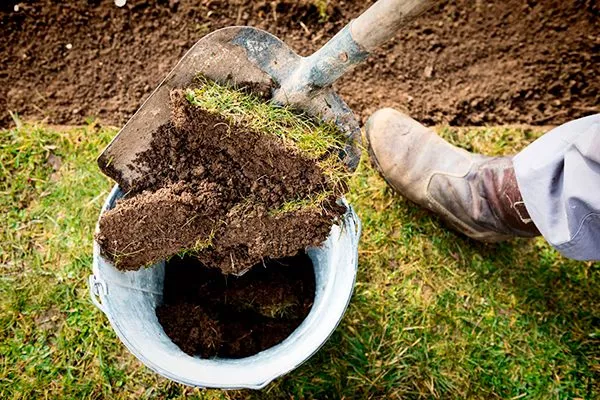
- Turf soil. It's found in clearings and meadows. It's also known as a mole turf because it's loose due to the rodent's burrows. The best spot is the top of a mole burrow. If there are no burrows nearby, the area should be as well-lit as possible. The turf is removed with a shovel to a maximum depth of 15 cm.
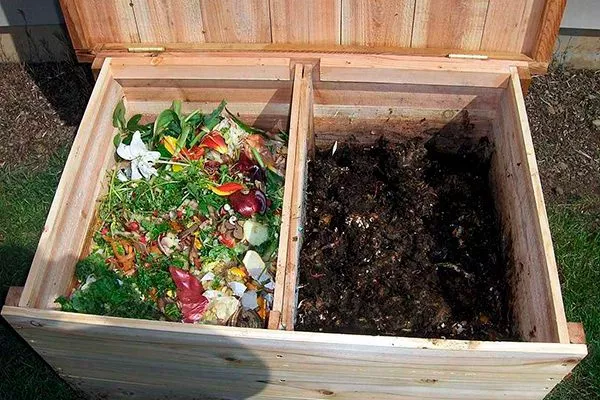
- Humus, compost. These ingredients are abundant in any rural area. But if you can't gather them, use soil from your garden. You can make compost yourself, even in an apartment, but it takes several months.
How to prepare substrate at home:
- Prepare all collected material.
- Measure out the required amount of each ingredient.
- Mix thoroughly.
- Collection and preparation of materials: leaf and sod soil, humus, compost.
- Disinfection of materials: choice of method (roasting, freezing, etc.).
- Mixing the components in the specified proportions.
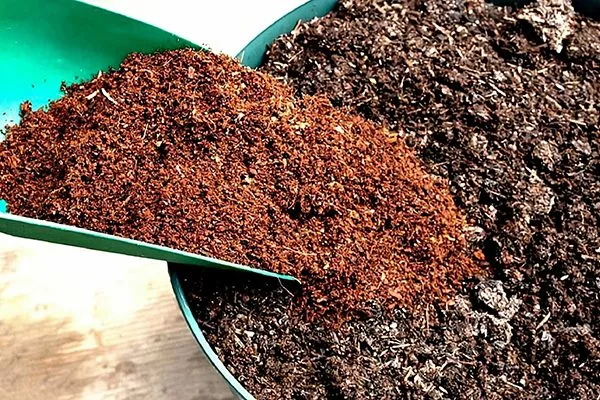
All that remains is to use the soil for planting or put it into storage.
Preparing the soil for planting indoor flowers
Leaf and sod soil must be prepared, as it is taken from a natural resource and therefore contains pest larvae, fungal spores, and various debris. Preparation instructions:
- First, remove all grass debris, especially roots. At the same time, remove any worms, etc., if present.
- After this, grind until fine and homogeneous.
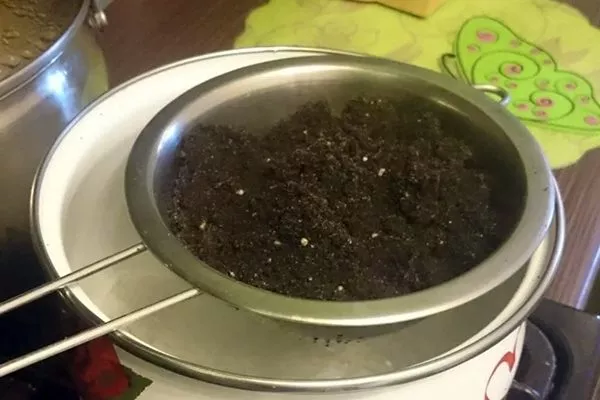
- Then sift through a sieve.
- The last stage is disinfection.
Disinfection is carried out in different ways:
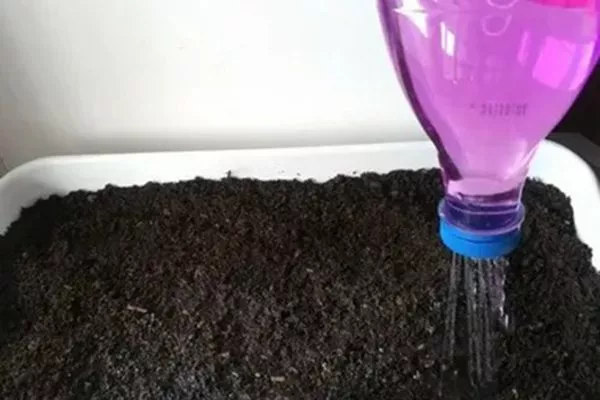
- etching with a pink solution of manganese;
- pouring boiling water;
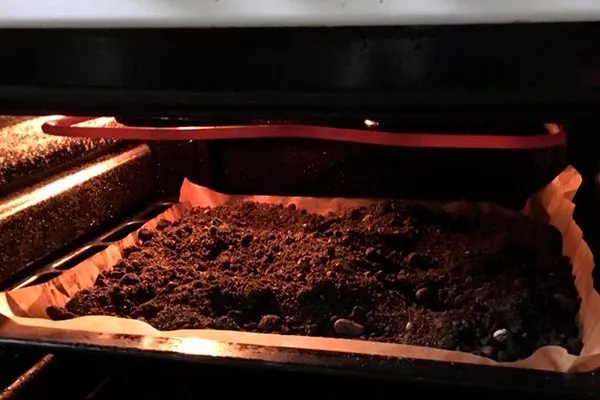
- roast in the oven for 30 minutes at 200 degrees;
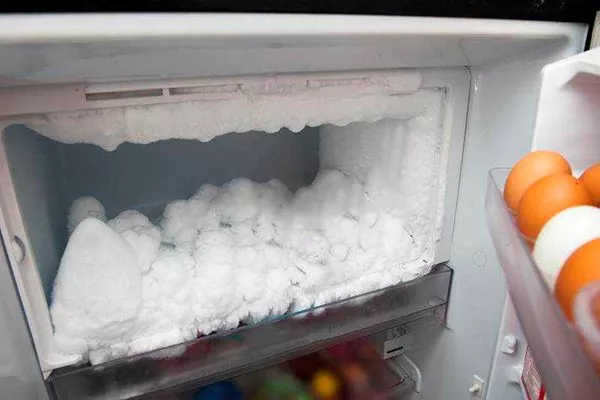
- Freeze in the freezer for 5 days, then leave in a warm place for the same amount of time and freeze again - repeat 3 times;
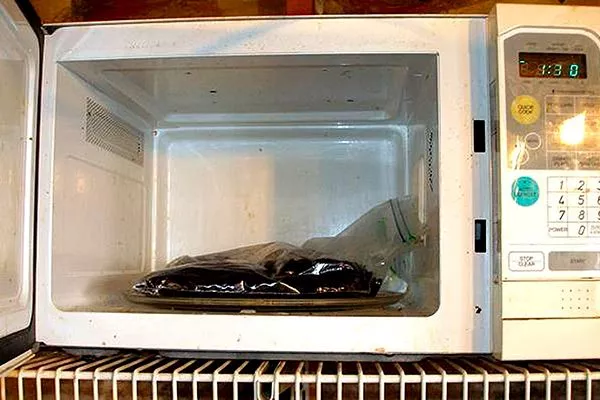
- reheating in a microwave oven.
To ensure begonias thrive, it's important to select the right soil, either by purchasing it or making it yourself. Keep in mind the varietal characteristics of your indoor plants and disinfect all materials. The success of growing and flowering begonias depends on the quality of the soil, its composition, and its structure.