
Begonias aren't considered overly demanding houseplants, but if proper gardening practices aren't followed, some problems can arise. Novice gardeners often turn to specialists with one question: why is my begonia drying out? Knowing the answer is important, as rapid drying out can lead to the plant's death.
Why do begonias dry out and how can I fix the situation?
There are many reasons why begonias dry out, but to get to the bottom of the true cause, it's important to pay attention to the accompanying symptoms, the type of wilting, and which part of the plant is most susceptible to this unpleasant phenomenon.
- ✓ Optimal temperature for begonia: during the day +20…+22°C, at night not below +18°C.
- ✓ Air humidity should be maintained at 60-70%, avoiding direct spraying of leaves.
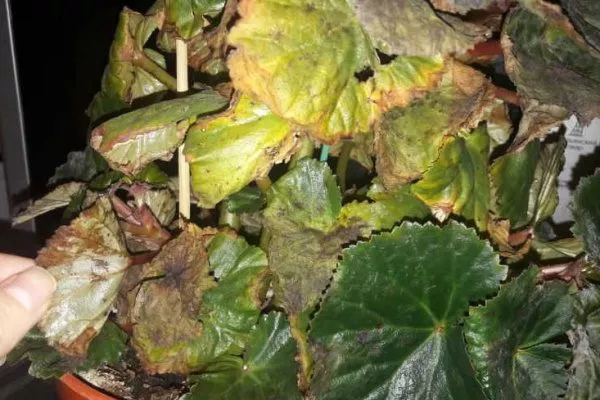
The leaves dry up and wither
When the green mass of a plant not only dries out, but also withers, the cause should be sought in the following:
- Begonia's whims and humidity. The plant is sensitive to soil and air humidity. Moreover, the foliage changes its appearance with both high and low humidity. In the former case, rotting processes will be observed, while in the latter, they are completely absent.
- Soil mixture for begonia. The flower signals wilting if the substrate is too dense and infertile. This often happens when using universal potting mixes.
They're good, but for other flowers, as begonias require a coarse texture, reminiscent of mature compost. If this is the problem, replace the substrate. - Mistakes when replanting begonias. They can be completely different, but only a few lead to the drying out of the flower - too small or, conversely, too spacious a pot, the gardener did not trim slightly rotten roots (because of this, the infection spread), the wrong composition of the substrate.
- Drafts and cold air. Begonias love fresh air, but not drafts. This is especially true in the spring, when people tend to open windows more often for ventilation. Begonias try to signal frost damage by drying out their foliage.
- Excessively dry air. The plant cannot grow in dry air, as its leaf blades can evaporate too much moisture, causing it to be lost. Consequently, the leaves dry out. In this case, the process begins at the tips.
The situation can be corrected by installing humidifiers, expanded clay stones with water, and containers with liquid. - Incorrect watering. Improper watering—when the grower applies too much water—has a negative impact on begonias. Another cause of flower wilting is tap water (be sure to let it settle or filter and bring it to room temperature).
- Sunburn. It's strictly forbidden to place begonias near glass or direct sunlight, especially at midday. The leaves and stems will immediately become sunburned, causing them to dry out quickly.
Leaves on the edges
This problem occurs most often. In many cases, the leaf edges dry out first, followed by the rest of the plant. It also happens that you were given a flower or bought it yourself, and the leaf edges begin to dry out the very next day. In this case, the cause is simply stress the plant experienced during transportation.
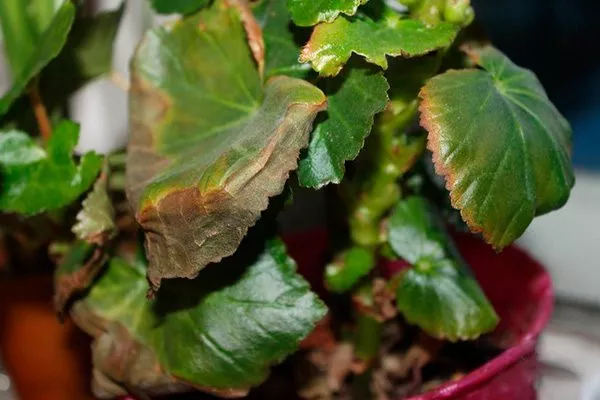
Moreover, the flower was placed in completely new (unusual) conditions, hence the reaction—the plant needs time to adapt. There's no point in doing anything—you'll have to patiently wait for the plant to get used to your apartment.
Other reasons:
- too hot (over +30 degrees);
- cold (less than +18 degrees);
- dry air;
- draft;
- failure to comply with the soil moistening schedule (usually due to a lack of water);
- nutritional deficiencies;
- diseases and pests (powdery mildew, bacterial, ring spot, gray rot, thrips, aphids, mites, whiteflies.
Also watch a video on how to help a begonia if its leaf tips are drying out:
Flowers and buds
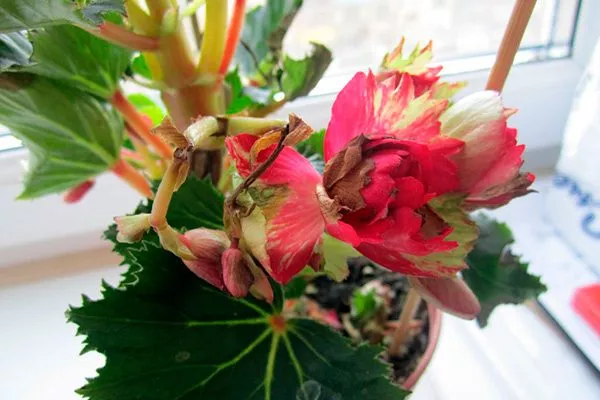
Sometimes the foliage of a houseplant appears healthy and vibrant, but the flowers or buds are drying out. There are several negative factors that can cause this:
- Watering a flower from a spray bottle. This is done in such a way that water gets onto the flower stalks. This is especially dangerous before flowering and budding. The consequence of such actions is rapid drying and shedding.
Remember, when you spray, direct the water streams only to the green mass, avoiding the flowering parts. - Increased dryness in the room. Buds have the hardest time withstanding dry air – they dry out instantly and shed their flowers immediately.
- Exceeding the frequency of watering and the amount of liquid added. In this case, the flowers are the first to suffer.
- Post-transport stress. This is a normal phenomenon and cannot be controlled. The only thing you can do is add a little fertilizer, which will boost your immune system.
- Heat, sun. It is best to place begonias on eastern or western windowsills, but on southern ones it is too hot for them, which is why the flowers dry out.
Other reasons
There are a number of other factors that can cause begonias to wilt. However, the owner may feel as if the plant's cultivation practices were not violated. The main reasons are:
- A sudden change of environment. A plant is designed to thrive only in its familiar surroundings. Frequently moving it from place to place, taking it outside/onto the balcony and back again, moving it to another house, etc., can cause severe stress.
- Incorrect light mode. If a begonia is in a lighted room for less than 12 hours a day, it will begin to "mope." Keep in mind that the optimal daylight hours are 14-15 hours.
- Micronutrient deficiency. This houseplant needs to be fertilized at least twice a month, especially during the growth phase after dormancy and during budding and flowering. If not, the plant wilts. Specialized mineral complexes are selected for specific phases of the growing season.
- Dense soil. The substrate should be loose, easily aerated, and drain excess water. If the soil mixture is compacted, water will stagnate (which promotes rotting) and lead to a lack of oxygen.
Diseases
If the grower is following all the maintenance instructions, but the plant still wilts and dries out, look for the cause in diseases, the signs of which may be hidden in the early stages of development. The most common diseases that cause plant wilt include:
- Powdery mildew. The main cause of this plant's pathological condition is high humidity in the room. This manifests itself not only as wilting of the leaves and flowers, but also as a whitish coating on the green parts.

- Gray rot. This disease develops due to excessive moisture in the substrate. Along with dried leaves, stems and flowers become covered with a slimy layer, forming gray spots with a watery texture.
- Bacterial spot. This is a viral disease caused by infection. The main symptoms are the formation of slightly water-soaked, glassy, brownish spots on the underside of the leaves, which spread over the entire plant over time. The plant appears wilted, and all parts of the bush fall off when dry.
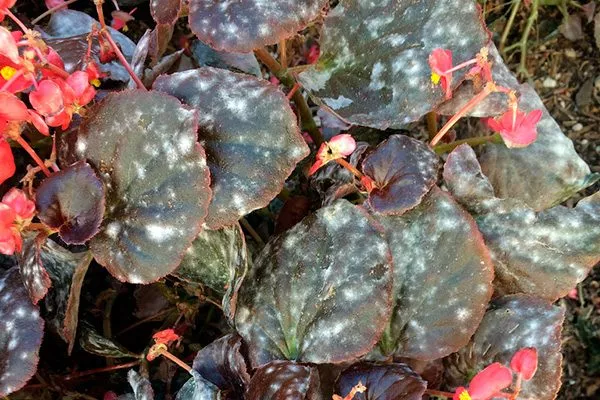
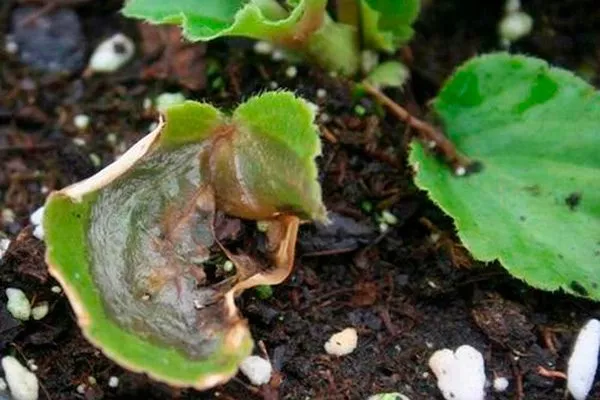
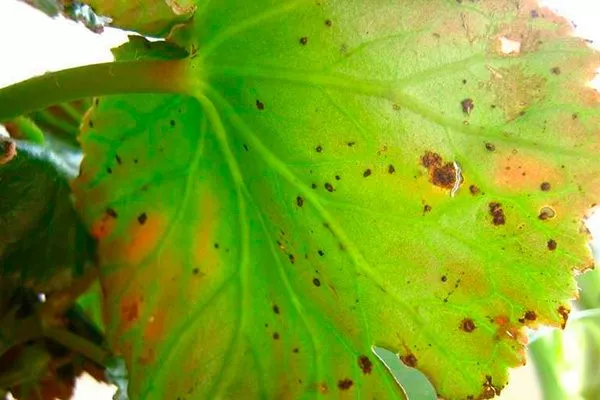
In all cases, be sure to tear off or cut away the affected areas down to living tissue. Burn these elements.
Pests
Insects that harm begonias also contribute to plant decline. Keep an eye out for the following pests:
- Nematode. These are very small worms that infest foliage, flowers, buds, and stems. The plant wilts due to the sap being sucked out. The presence of the pest can be recognized by additional signs: light spots on the leaves, which eventually turn brown and become swollen.
- Greenhouse aphid. It reproduces rapidly and also destroys plants, so it's important to recognize the insect promptly. Symptoms include dried leaves curling up, flower buds simply falling off, and a coating of numerous light-colored aphids appearing on the underside (and then on the outside).
- Spider mite. The first thing you'll notice on dried foliage is a delicate web of fine threads. The green mass then turns brown and eventually falls off.
- Whitefly. These are very small white butterflies that are collected from flowers using a vacuum cleaner. When they appear, the leaves dry out first, then the flowers. When the whitefly lays eggs, they are found on the underside of the foliage.
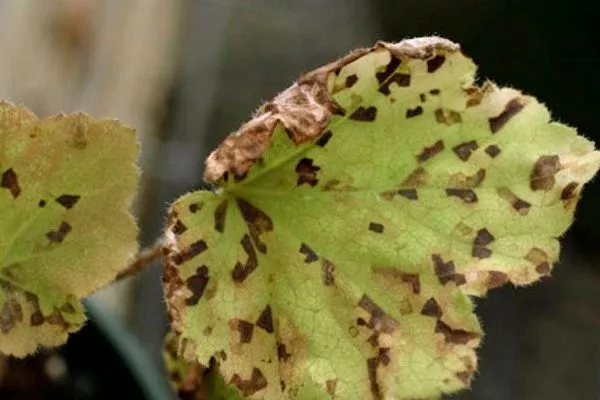
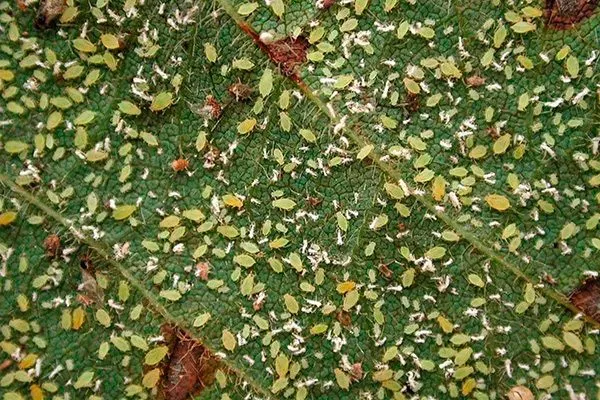
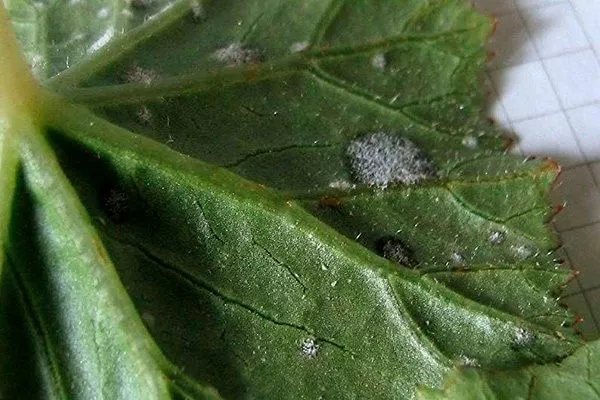
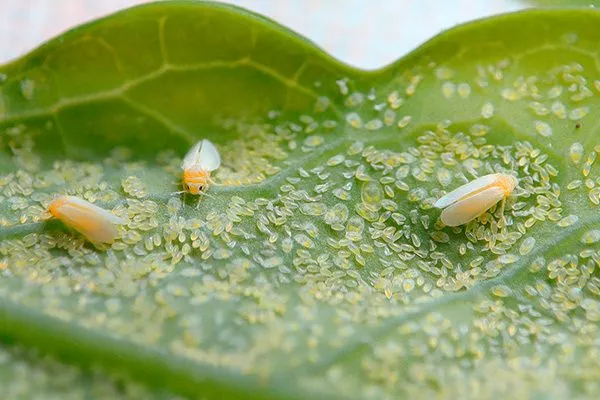
As with diseases, be sure to remove all damaged areas and burn the pests along with them. Repeat treatments (as specified in the instructions for the specific product) because the insects lay eggs, which hatch into young.
How to revive a dried plant?
Emergency measures to save begonias are taken at advanced stages—when more than 50% of the plant has dried out. Sometimes, resuscitation is possible, but it requires considerable effort.
How to restore a crop, regardless of the cause of drying and wilting:
- Tear off all dried leaves and flower stalks.
- The flower may be damaged not only in the upper (above-ground) part, but also in the area of the root system, so carefully remove it from the pot, shake off the remaining substrate with your hands, and place the roots in warm water for 30-40 minutes.
- Rinse each root and dry it with a soft towel. Inspect it. If there are any damaged areas, remove them with pruning shears and dust the cut areas with wood ash (if you don't have wood ash, grind activated charcoal into a powder and dip the cut areas in it).
- Allow the root system to dry out slightly, then replant as usual. Be sure to apply a complete fertilizer and rooting promoter. The stronger the plant's immunity, the faster it will recover.
- Cover the culture with a plastic bag. Keep it like this for about a week, opening it periodically for ventilation.
In what cases should you not be concerned?
In some cases, leaves and flowers dry out for natural reasons. For example, when a bud's bloom period ends or the plant simply ages. In this case, only the older foliage (those located in the bottom row of the bush) dries out, while the younger foliage remains firm and healthy.
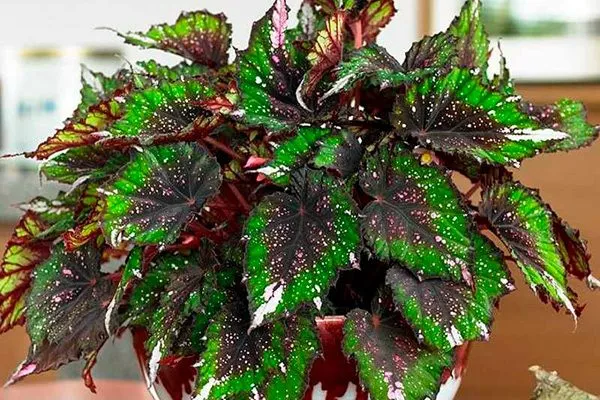
You can save the flower like this:
- Remove all dry leaves and those that have just begun to wilt.
- Treat the torn or cut areas with wood or activated carbon.
Prevention: Helpful Tips
It's not always possible to revive a bush, so it's easier to prevent this abnormal process. To do this:
- provide lighting for 14 hours a day;
- follow the watering rules - twice a week in summer, once a week in winter;
- use water at room temperature, settled;
- keep the flower away from glass and heating devices;
- monitor the air humidity and temperature in the room (this largely depends on the specific variety of begonia);
- When planting/replanting, lay a drainage layer of perlite or expanded clay to drain water;
- use the correct substrate composition;
- do preventative spraying;
- apply fertilizer;
- eliminate drafts;
- Before applying fertilizer, moisten the soil 2 hours beforehand to avoid burning the roots.
In many cases, begonia drying out isn't dangerous if you pay attention to it early and identify the cause. This problem is most often encountered by novice gardeners, who overwater the plant or accidentally let it dry out in the sun.