
The spotted begonia not only delights with its magnificent leaves with unusual patterns, but is also a relatively easy-to-grow plant, making it an ideal choice for both beginner and experienced gardeners. Let's dive into the fascinating world of growing this wonderful plant and learn how to create the perfect conditions for it.
Spotted begonia - what is it?
This species of begonia belongs to the cane family, known as cane-like species. One of its characteristic features is the distinct thickening at the stem nodes. This characteristic resembles the shoots of cane or bamboo, hence its name.
Maculata is a decorative root begonia with leaves. The plant retains its decorative qualities even in winter, provided favorable conditions are created.
History of appearance
This portable perennial species is naturally found in southeastern Brazil, with its main habitat being the Atlantic rainforests of the states of Espírito Santo and Rio de Janeiro.
In the mid-19th century, this plant was introduced to countries such as Mexico, Argentina, the Dominican Republic, and even Cuba, where it successfully acclimatized. This variety later spread throughout the world as a unique ornamental plant.
Botanical description
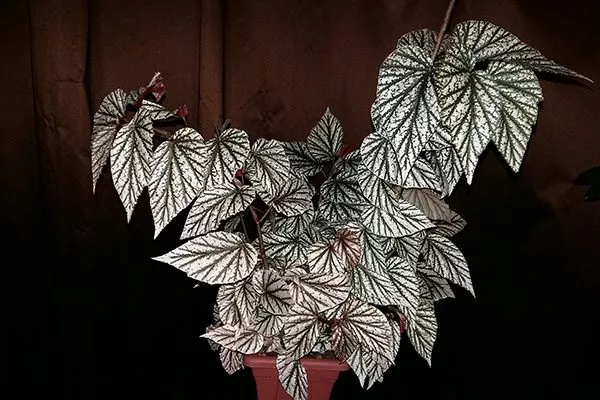
The spotted-leaved begonia is one of the largest species. It is a subshrub with a straight, stiff stem and thickened nodes that give the shoots a bamboo-like appearance. The plant forms slender bushes, reaching over 1 m in height and, as it expands, a corresponding diameter.
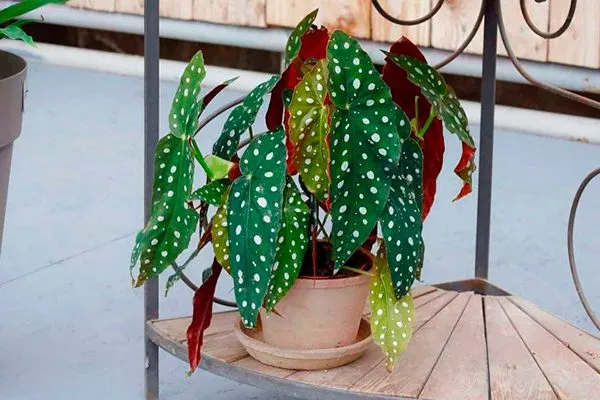
The appeal of this begonia is primarily due to its enormous leaves. Their characteristic features include their asymmetrical shape and the often heart-shaped leaf base. They have short petioles, a lanceolate-pointed shape, and are up to 5 cm wide and up to 15 cm long.
The neat, wavy edges of the leaves are almost invisible. The undersides are tinged with red. The upper side, dark green with a beautiful vein pattern, is evenly distributed with white-silver spots and speckles, creating an impression of striking austerity.
- ✓ Optimal air humidity should be maintained at a level of at least 70%, especially during hot periods.
- ✓ Temperature conditions: avoid sudden temperature changes and drafts, the minimum permissible temperature is +12°C.
Characteristics of spotted begonia
The plant prefers warmth and does not tolerate sudden temperature changes or drafts. Begonia Maculata can tolerate short-term cold spells, provided the temperature is gradually reduced.
It is characterized by low demands and high resilience. It can tolerate low light conditions. Temperatures below 12°C are critical for it, as this can cause irreversible tissue damage, leading to its death. Its lifespan in indoor conditions is 10-12 years.
Pros and cons
Each variety of reed begonia has its own advantages and disadvantages. Before purchasing this exotic plant, it's important to familiarize yourself with its characteristics.
Types of Maculata
Breeders have developed several plant varieties that differ in the number and size of their spots. Among the most well-known varieties are the following:
- Begonia maculata Wightii (Wight or Wightii). Begonia maculata, or spotted begonia, is one of the largest species. It is a subshrub with a straight, stiff stem. Its characteristic features include an asymmetrical shape and heart-shaped leaf bases.

- Raddi (Raddy). Begonia angulata is a magnificent tall plant, reaching a height of up to 1 m. It is a subshrub with greenish-red, upright stems. They are densely covered with elongated-lanceolate or slightly sickle-shaped, angular, dark green leaves.
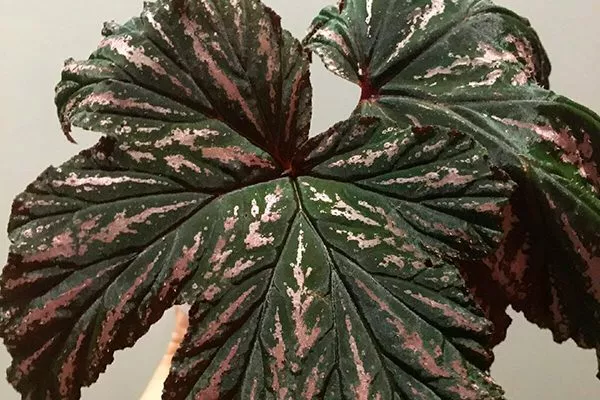
- Flamingo Queen (Flamingo Queen). The Flamingo Queen begonia boasts a stunning variety of shades, ranging from soft pink to fiery red, making it a visual delight. Its unusual leaves are a true textile masterpiece with their patterns.
- Silver Spotted (Silver Spot). The Silver Spot begonia is one of the most exotic houseplants. The symmetrical white spots on its leaves seem almost artificial and instantly attract admiring glances thanks to their unique pattern.
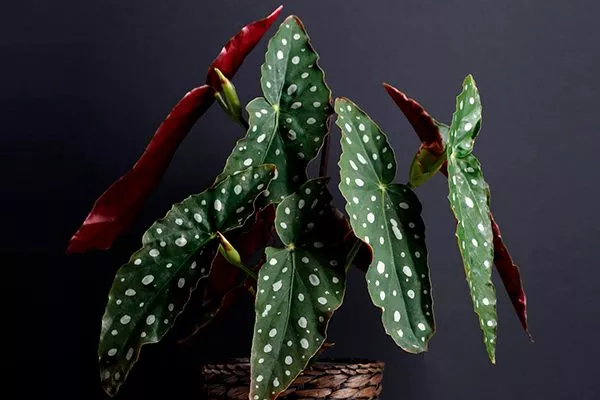
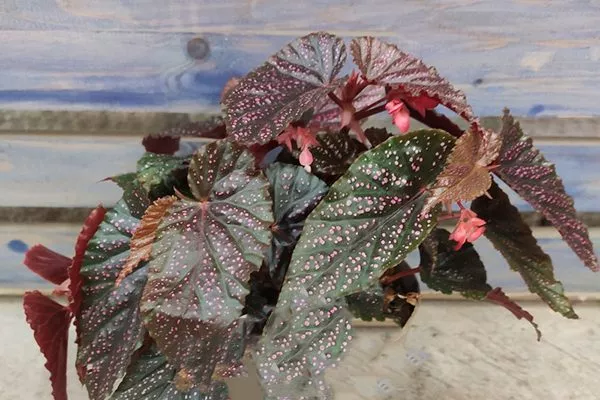
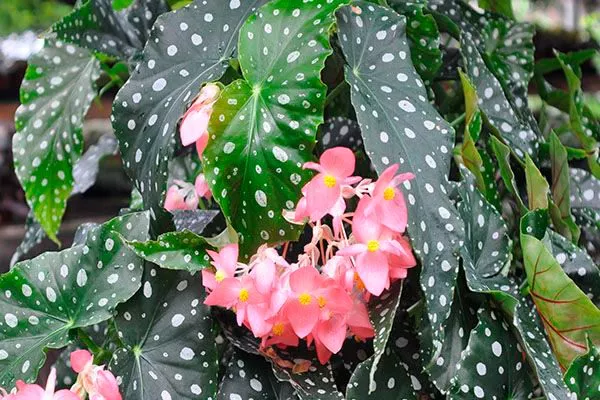
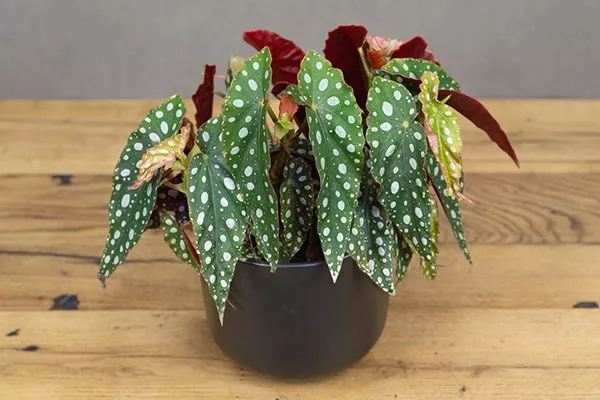
Each variety is delightful in its own way and finds application in interior decoration.
Similar spotted varieties
Some new gardeners may confuse this species with other similar varieties that have similar leaf patterns. Similar spotted varieties:
- Coral. Begonia has a similar pattern on its leaves, but the white dots on it are smaller and more widely distributed.
- Angel wings. The begonia has speckles, but its distinctive feature is the elongated shape of the leaf, reminiscent of folded angel wings, which is true to its name.
- Tamaya. A shrub that noticeably resembles a small tree. This hybrid has a coloring similar to Maculata, but the leaves are smaller and wider.
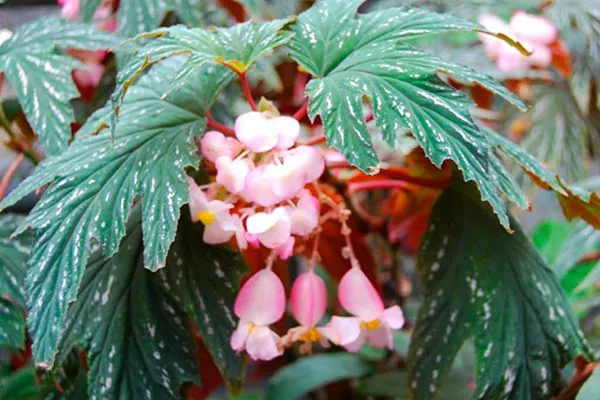
- Silvery. This begonia is distinguished by the serrated edges of its leaf blades. The spots on the leaves are not white, but rather silvery and densely distributed. Sometimes the patterns can merge, making it difficult to distinguish individual spots.
- Begonia scepter or Begonia royal scepter. Similar to Begonia aconitifolia and Begonia sceptrum. Previously considered separate species, they are now combined into one. The differences discovered are now considered acceptable random variations in characteristics within the species.
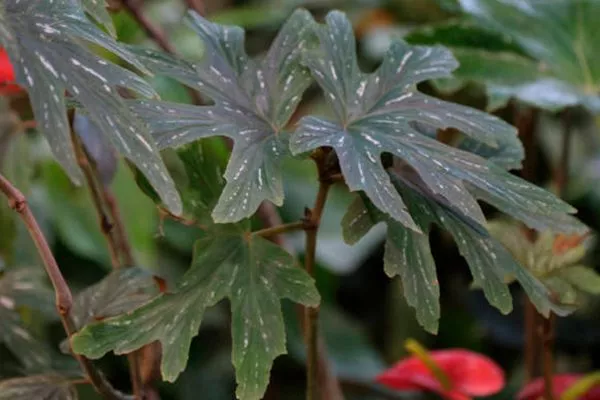
- Aconitifolia. Begonias are characterized by leaves shaped similarly to maple leaves. When mature or during flowering, the spots on the leaves become less noticeable or disappear.
- Septrum. Begonia is a species with thick stems and broad leaves. A distinctive feature is its pattern, where white spots combine into vertical stripes.
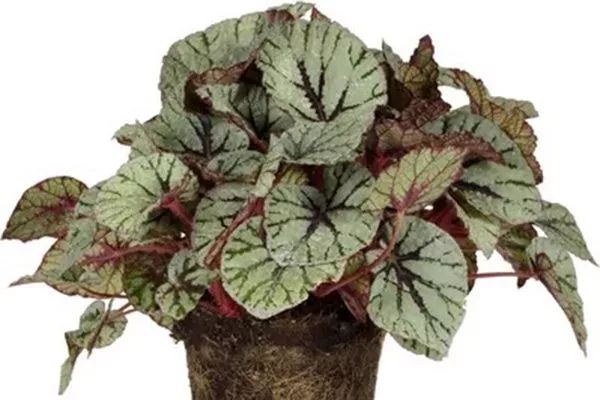
- Rex. This variety differs from the Maculata begonia, although they share some similarities. This variety's leaflets are not smooth like those of the Maculata variety, but have a velvety texture, with hairs along the edges. The shape and color of the leaves also differ.
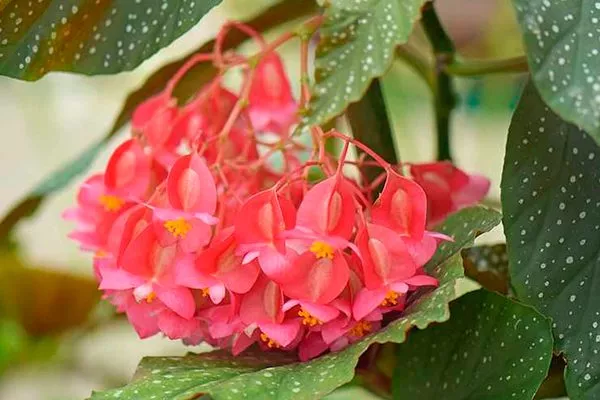
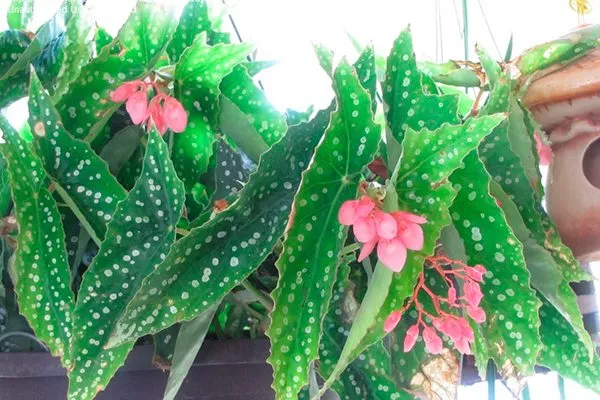
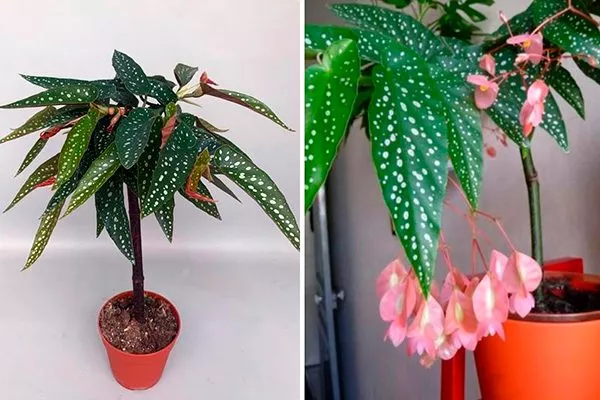
How to plant at home?
Growing the plant is easy, even for those just starting out in gardening. To ensure full development and enjoy the beauty of its foliage, it's recommended to review planting tips and familiarize yourself with basic care requirements beforehand.
Selecting a substrate
Begonia Maculata prefers light, nutritious soil with good air and moisture permeability. A low or neutral pH is preferable.
Suitable soil can be purchased at a store or prepared at home. To do this, mix turf, humus, leaf mold, and sand in equal proportions, adding 1/6 of the total volume of perlite.
Before use, disinfect the soil. To do this, treat it with solutions of Maxim, Prestige Extra, or potassium permanganate, then let it dry until it reaches a characteristic looseness.
Suitable capacity
Begonia Maculata requires spacious pots due to its extensive root system. Increase the container size gradually as the plant grows.
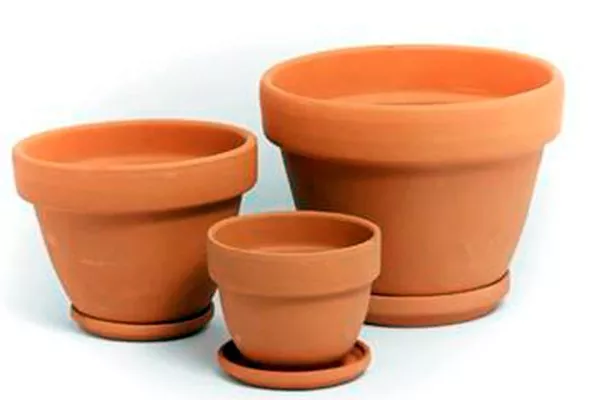
When replanting, choose a pot that is 2-3 cm wider than the previous one, at least 20 cm high and has drainage holes.
Avoid planting plants directly into pots that are too large, as excess soil can cause oxidation, which can lead to root rot.
Growing conditions
Begonia Maculata prefers diffused light and thrives in east- and north-facing windows. In spring and summer, the optimal temperature for Begonia Maculata is considered to be 21-25°C, and during the rest of the year, 15-18°C. In winter, additional lighting in the evening is recommended.
Begonias do not tolerate direct sunlight, which can cause leaf burns, so partial shade during midday is recommended. They are sensitive to both under- and over-watering.
Avoid overfeeding, as excess fertilization can lead to excessive growth of shoots, negatively affecting the decorative effect.
Landing rules
It's recommended to repot young Begonia Maculata shoots annually in early spring before active growth begins. Mature plants should be repotted every other year at the same time. When planting, use the transshipment method, carefully removing old soil from the roots.
- Choose a pot 2-3 cm wider than the previous one, with drainage holes.
- Use the transshipment method, carefully freeing the roots from the old soil.
- Deepen the root collar by 1 cm to improve the shape of the bush.
- After transplanting, keep the plant in partial shade for several days to allow it to adapt.
When repotting, deepen the root collar of the plant by 1 cm to improve the bush's shape. After this, keep the plant in partial shade for a few days to promote rapid recovery, after which you can move it to a windowsill.
Care Features
Despite its reputation as one of the least demanding begonias, Maculata does not tolerate neglect. It requires regular, uninterrupted watering, frequent pruning, and standard fertilizing.
Watering
During the active growth period, the plant prefers constant but light moisture, with the top layer of the substrate allowed to dry out slightly and excess water draining from the tray immediately after watering. Even in winter, the substrate should not dry out completely, but avoiding overwatering is equally important.
In winter, reduce watering, creating a dormant period and reducing soil moisture by 2-3 times. Water temperature plays a role: begonias do not tolerate cold water well. Use soft water, preferably melted or rainwater. Avoid dripping onto the leaves.
Fertilizer
The plant requires fertilizer only during the active growth period, and there's no need for additional feeding from November to March. Preferably, use liquid begonia fertilizers or general-purpose fertilizers containing both macro- and microelements. Fertilizing every 2-3 weeks is sufficient.
Transfer
Begonia maculata prefers to be repotted only when its roots completely fill the previous pot. As soon as the root system becomes visible through the holes in the container, plan to repot in February or March.
Grow the plant in stable, standard medium pots, avoiding significant expansion when repotting. The process involves carefully repotting the plant into the new container, adding at least medium-height drainage material to the bottom.
To achieve a bushier appearance and the formation of numerous shoots, the plant's trunk can be planted deeper, lowering the growing point a few centimeters compared to the previous planting. In addition to a special substrate for begonias, any loose, universal, slightly acidic soil is suitable.
Trimming
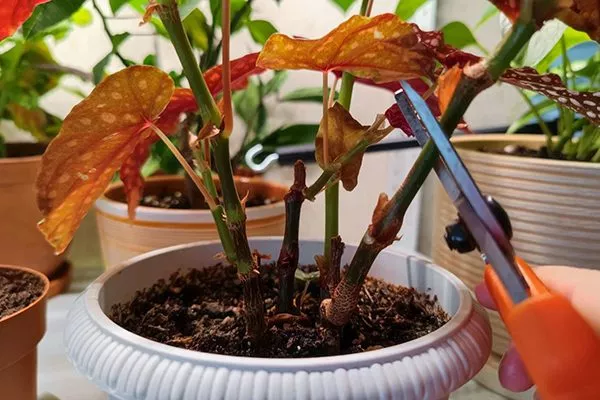
Begonia maculata has the ability to form tall and strong shoots, which is a virtue, but without control it can lead to overly dense growth. To control the plant's height, prune it in early spring, pinching it or cutting it back to the desired height, creating short stumps.
Features of reproduction
This plant species can be propagated using stem cuttings and division. Stem cuttings are taken in late spring or early summer. Follow these instructions:
- Cut off the tops of the shoots to a length of 7-10 cm.
- Clean the bottom part of them from leaves.
- Treat the cuts with a rooting agent and immerse them in moist soil to a depth of 2 cm.
- Create a mini-greenhouse over the cuttings and maintain a temperature of 23-25°C. If all conditions are met, they will root in 2-3 weeks.
When propagating begonias by dividing the bush, use a knife to divide the plant into several sections. Each section should contain 1-2 shoots and a sufficient number of roots. Then immediately plant them in pots, water them, and keep them in a mini greenhouse for about a week at a temperature of 20-23°C.
Diseases and pests
This plant is susceptible to several diseases. The most common are:
- Gray rot. Brown spots appear on leaves and shoots, gradually increasing in size. Over time, they become covered with a gray coating, indicating the fungus is sporulating.
- Powdery mildew. The leaves turn white on top, which interferes with photosynthesis and causes the leaves to dry out.
To prevent disease, spray the plant with Topaz, Skor, or Fitosporin. Do this several times a week when warning signs appear.
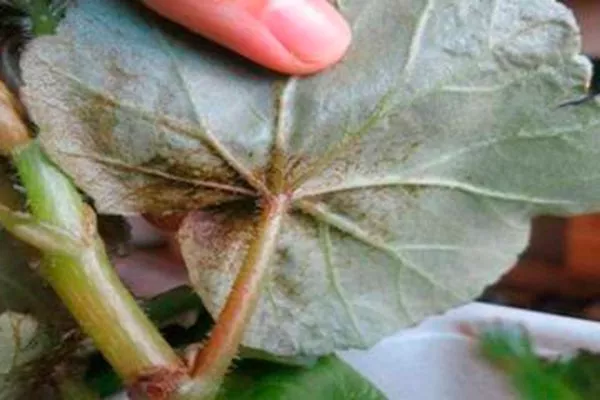
Spider mites can also damage the plant. When they appear, leaf edges begin to dry out and curl downward, growth slows, and a fine web appears on the tips of the shoots. If these symptoms are noticed, spray Makulata with Fitoverm, evenly coating the leaves with the solution.
Reviews from flower growers
Growing spotted begonias is a fascinating and enjoyable experience. This plant impresses with the beauty and unique pattern of its leaves, making it a wonderful addition to any interior. Begonia Maculata remains a relatively low-maintenance plant, making it an excellent choice for beginning gardeners.
Frequently Asked Questions
Inexperienced gardeners often encounter problems that can affect begonias. We've answered the most frequently asked questions.
- Overwatering. Moisten the soil only after the top 3-5 cm of soil has dried out.
- Low temperatures. Avoid drafts and keep the plant in a warm place.
- Parasites (spider mites). You can get rid of them by using, for example, Fitoverm.
- Natural shedding of lower leaves with age.
The above factors can also cause yellowing of leaves in Begonia Maculata.