
With proper care, your indoor begonia will grow into a beautiful and healthy plant. Choose a flower based on your personal preferences and your ability to devote attention to it, as without this, the plant may die. Carefully study the plant's characteristics.
The origin of begonia
Most begonia species grow in humid and hot tropical forests, so in the wild, the flower is found in the equatorial belt of South America, Asia, and Africa. However, some species are now known to grow in mountainous areas, savannas, and plains.
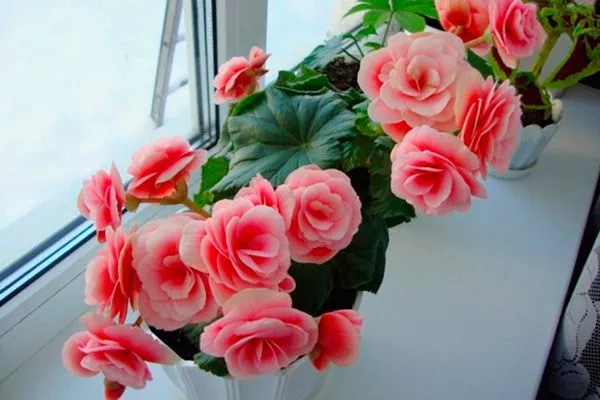
Botanical description
Begonias belong to the Begoniaceae family. Today, there are over 1,500 known species. Begonia hybrids, of which there are over 2,000, are most commonly used in indoor gardening.
Begonias are annual and perennial plants that are very popular in indoor gardening. Various species can be classified as herbs, subshrubs, or shrubs. They typically have extensive root systems, but some species also have tuberous roots.
The leaves are the begonia's most distinctive feature. They often have beautiful and unique colors, and are arranged asymmetrically on the stem. The plant produces unisexual flowers, and the ripening fruit is a capsule with small cracks along the sides.
Plant structure
Before purchasing a begonia, familiarize yourself with its structure. This plant is unique, and it's its appearance that makes it so appealing.
Roots
Most begonia species have different root structures. These plants are:
- With the formation of a tuber. The flower is highly drought-resistant because it can store a lot of nutrients and water in its tuber.

- With normal root branching. The flower is more sensitive to lack of moisture.
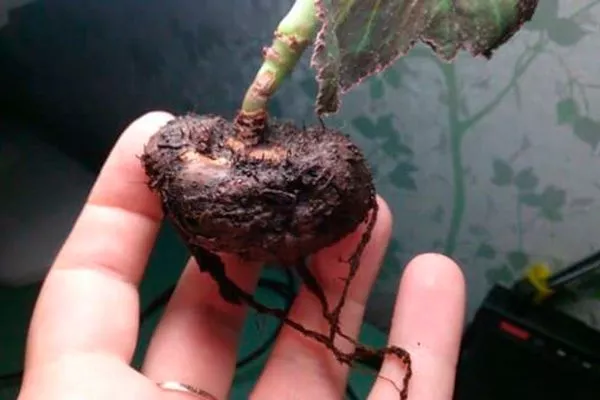
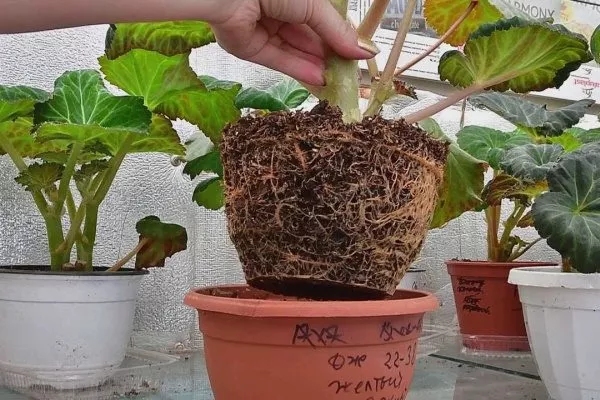
However, many flowering varieties are characterized by branched roots, which ensure better absorption of all nutrients from the soil, due to which the plant will bloom more abundantly.
Stems
Bushy begonia varieties have stems reminiscent of bamboo—upright and sturdy. Creeping varieties are characterized by thin, flexible stems, while rhizomatous varieties have thick, grounded stems.
Leaves
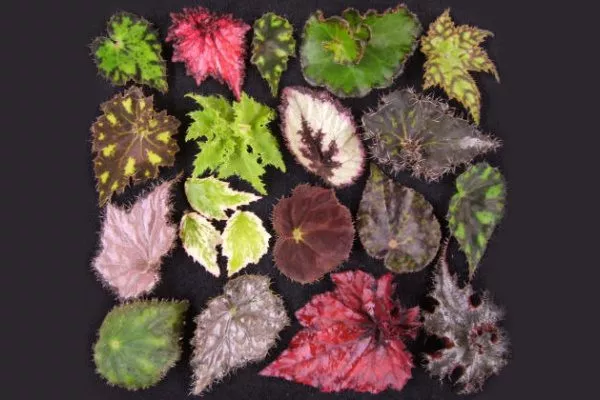
Begonias typically develop large, fleshy leaves with numerous veins. Their relatively large size creates the impression of a dense, bushy structure. Different begonia species have different leaf blades. Some have straight leaves, while others have serrated edges.
Some varieties are distinguished by uneven, twisted leaf blades. Coloration is similarly variable, though there are differences. Begonias can be found with a standard green hue, as well as plants with purple and red patterns. Begonias with variegated, multicolored leaf blades—with two or more shades—are considered a real gem.
Flowers
Begonia inflorescences are complex panicles made up of several flowers. Male flowers are often more vibrantly colored but not as lush. Female flowers have numerous petals, but are generally shorter.
Begonias come in a huge variety of species, and accordingly, they vary in color. Some species have large flowers, while others have panicles consisting of numerous small flowers.
Fruit
In temperate climates, begonias are grown for their flowers. Fruiting is very difficult to achieve, as high temperatures are required for almost the entire flowering period. The flower also requires regular moisture.
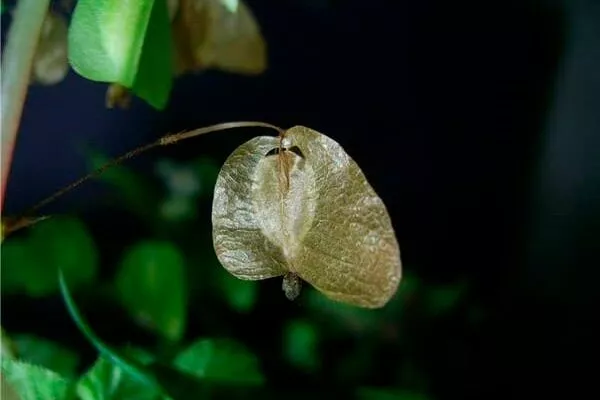
Begonia fruits are small capsules containing three chambers and barely perceptible cracks on the sides. They contain numerous tiny seeds, which increase in size as they ripen. Over time, the capsule bursts, releasing the seeds into the soil.
Main varieties
Begonias are known to have many different species. Many of them are characterized by significant distinctive qualities: flowering, shoot shape, and root shape.
| Name | Root system type | Leaf shape | Color of flowers |
|---|---|---|---|
| Begonia decorative leaf | Normal branching | Diverse | Small or absent |
| Bush begonia | Whole root | Diverse | Small and graceful |
| Root begonia | Normal branching | Not specified | Changes as the bud opens |
| Tuberous begonia | Tuberous | Not specified | White, pink, red, two-tone |
| Ampelous begonia | Not specified | Not specified | Red, pink, yellow, white, orange |
| Convolvulus begonia | Not specified | Kidney-shaped | Not specified |
| Everblooming begonia | Not specified | Variegated, two-colored | Small but numerous |
| Fragrant begonia (odorata) | Not specified | Not specified | Red, white with a pink tint, soft apricot, orange |
| Begonia fringed (fimbriata) | Not specified | Not specified | Orange, salmon, red |
| Begonia Lorraine | Not specified | Round configuration | Pink tint |
Begonia decorative leaf
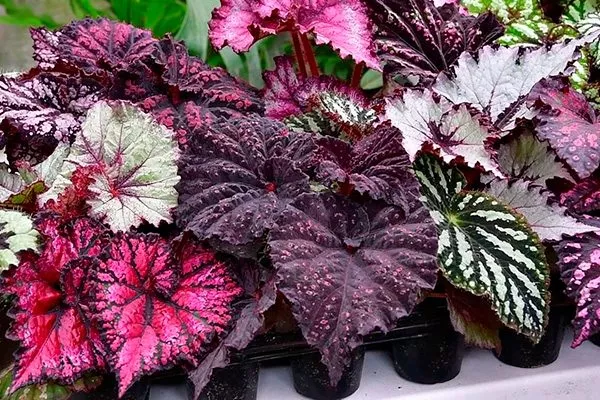
This type of begonia is distinguished by its stemlessness, with its leaves growing separately from the root. This ornamental foliage plant either has no flowers at all, or the flowers are very small. However, the leaves come in a variety of shapes and colors.
Plants range from standard green shades to unusual color combinations: yellow, silver, purple, burgundy, and even black. These colors create interesting patterns, textures, and shapes on the leaves.
Bush begonia
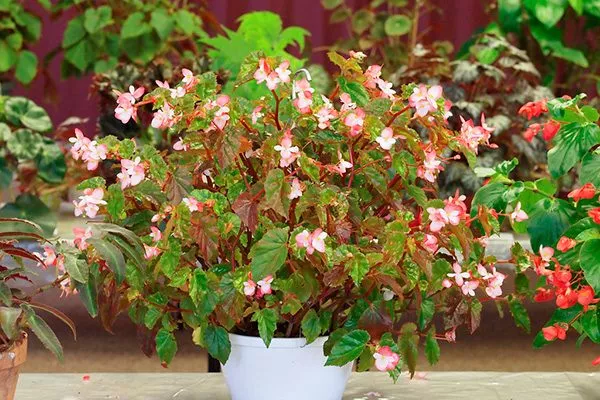
Characterized by dense, branched, geniculate stems that somewhat resemble bamboo, the bush can grow up to two meters tall and has numerous lateral branches. Leaves come in a wide variety of shapes and colors, and the flowers are small and graceful.
Bush begonias have large, solid roots. Under favorable conditions, the bush variety can bloom year-round.
Root begonia
The root begonia is popular because its color changes as the bud opens. Some varieties have white or yellow flowers with pink or red edges. The root begonia typically produces numerous small flowers.
Tuberous begonia
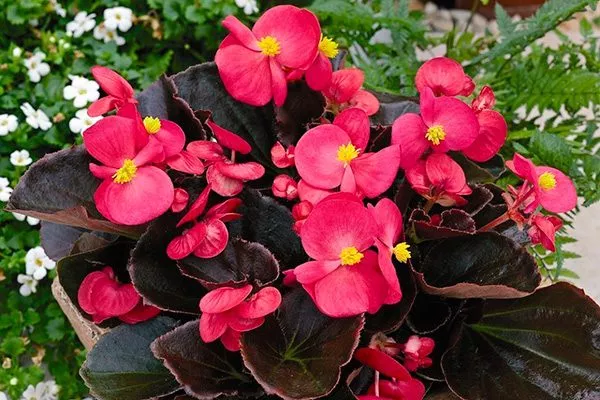
These varieties are most often chosen for indoor growing. Tuberous begonias are renowned for their large, double flowers of astonishing beauty—reminiscent of noble roses in shape and color.
The tuberous structure of the root system allows the bush to obtain essential nutrients and develop resistance to adverse environmental conditions. This is an easy-to-grow variety that easily establishes itself and requires little maintenance.
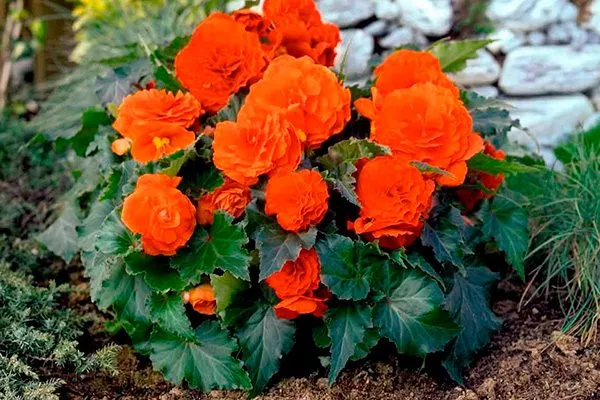
Ampelous begonia
Trailing begonias are often grown to decorate terraces and balconies. They are characterized by cascading, drooping stems bearing numerous flowers. This variety looks beautiful in hanging baskets, pots, and baskets. Their distinctive features include long stems.
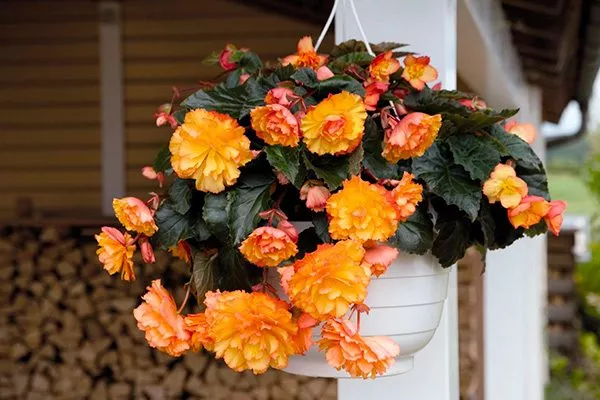
Trailing begonias include varieties with single, double, semi-double, and densely double flowers, with petals in red, pink, yellow, white, and orange. Trailing begonias in all sorts of combinations are also popular. Flowers come in small, medium, or large varieties.
Convolvulus begonia
It's considered an ideal, unusual hanging flower for adorning supports and walls. It pairs beautifully with other flowers and is used to create complex arrangements.
The species has flexible shoots that twist and droop in an interesting way. The shoots are almost completely covered with shiny, bright green, kidney-shaped leaves.
Everblooming begonia
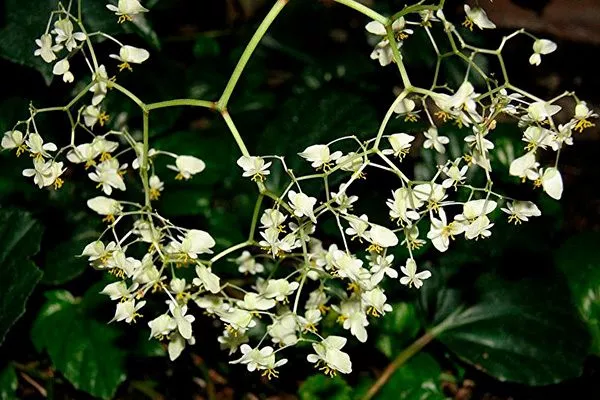
This is a bushy type of begonia that blooms throughout the year. proper careThe ever-blooming begonia has small but numerous flowers. The leaves are interesting and unusual – they can be variegated, two-colored, or have a unique pattern on the outer surface.
Fragrant begonia (odorata)
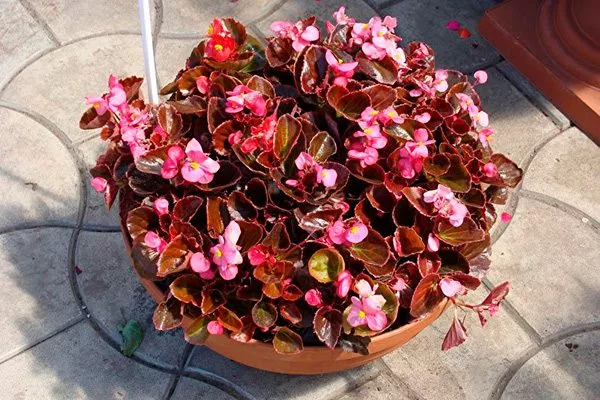
Scented begonias are characterized by a unique, pleasant, and subtle aroma. The plant produces distinctive, lush, ruffled flowers. The inflorescences come in red, white with a pink tint, soft apricot, and orange. Some varieties have an orange scent.
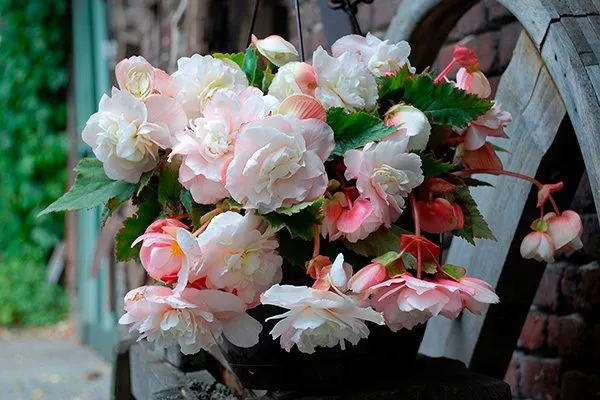
Begonia fringed (fimbriata)
Fringed begonias are very similar in appearance to lush carnations, with the same double edges. The plant's name also indicates its color. You can choose orange, salmon, or red begonias.
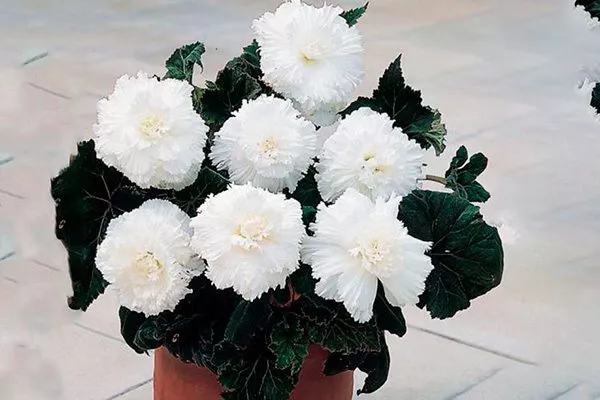
Begonia Lorraine
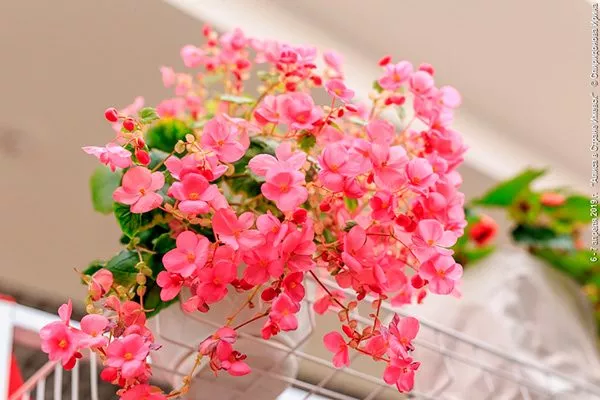
Lorraine is a begonia characterized as a winter-flowering plant. This hybrid produces small, smooth flowers, typically tinged with pink. The leaves are rounded and neat, creating a dense, spreading habit.
Growing conditions
To ensure your begonia delights you with its beauty, ensure proper growing conditions. At this stage, it's important to monitor lighting, temperature, and humidity.
Lighting
Begonias love light, but it should be indirect. Direct sunlight can kill the plant, so make sure flowering varieties are well-lit but protected from direct sunlight. For ornamental foliage begonias, provide them with partial shade.
- ✓ The optimal temperature for begonia during the period of active growth should be within the range of +20-25°C, and during the dormant period not lower than +14°C.
- ✓ The air humidity level for begonias should be maintained at 60-70%, which is higher than the average in residential areas.
Temperature and humidity
This plant loves heat, so consider this when choosing a location for the flower. In summer, the optimal temperature is considered to be 24-25 degrees Celsius. At higher temperatures, be sure to humidify the air and the flower's surface if it's very hot.
Begonias are moisture-loving plants. Humidity levels in the room should be above 50%. Avoid placing the pot near radiators or other heating devices, including gas stoves and convectors, as they dry out the air and emit combustion gases that are harmful to delicate plants.
Planting an indoor flower
When planting indoor begonias, ensure they are in the right location, choose a suitable pot, and prepare the planting material. Proper planting procedures will ensure a long life for your plant.
Requirements for the location
Avoid placing the flower pot on sunny south-facing windowsills, as the plant will become too hot and dry there. East and west-facing windows are best, and some species thrive in north-facing windows.
A comfortable light regime is considered to be soft sunlight in the morning from 7:00 AM to 12:00 PM and in the evening from 5:00 PM to 10:00 PM. Large-leaved species, especially those with vibrant reddish-burgundy or white-pink hues, are particularly demanding of light.
Place decorative flowering species in the northwest, east, northeast, and less often on the north window.
Necessary soil mixture
Begonias require a nutritious soil mixture rich in micro- and macronutrients. You can buy soil specifically designed for ornamental foliage plants or begoniaceae. A specialist store can advise you on the best soil to use.
If you want to prepare your own potting soil, mix equal parts black soil, turf, and peat. Make sure there's good drainage at the bottom of the pot—the soil should be well-aerated and allow excess moisture to pass through.
Pots
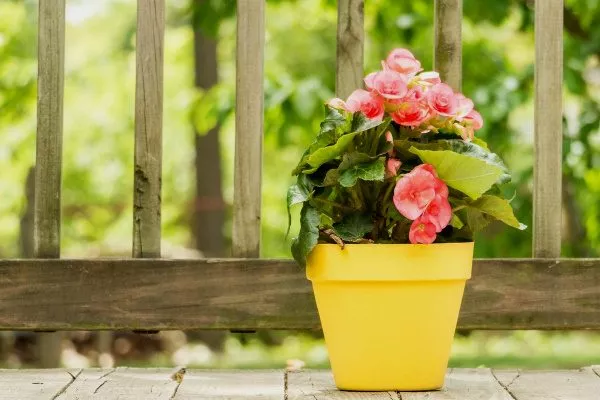
For begonias, choose a wide, shallow ceramic pot. It's best to choose a container based on the size of the plant's root system and crown. Keeping the begonia in a wide, shallow pot will ensure favorable root development – this will prevent the plant from becoming over-chilled and rotting.
Preparation of planting material
If you've been overwintering tubers in pots filled with soil, take them out of the cool room in early March, place them on a windowsill, and water them moderately. When sprouts appear, transplant them into new soil.
In February, remove the dug-up tubers stored at home from the cool place and place them on a shallow tray lined with damp cheesecloth. Place the container with the tubers in a warm, shaded area.
Moisten the substrate periodically. If the tubers haven't sprouted within 14 days, spray them with Epin, Zircon, or Ecopin. Plant as soon as sprouts reach 0.5-1 cm in height.
The planting process step by step
When planting begonias, you need to approach the process responsibly, since the further development of the plant depends on it.
Follow the instructions:
- Prepare a container with soil mixture, place drainage at the bottom of the pot - pebbles, expanded clay, stones or foam can be used, pour half of the soil on top, and tamp it down carefully.
- Pre-clean the tuber or rhizome, removing any dry or damaged parts and any adhering soil. Treat the root with a weak solution of potassium permanganate or a fungicide and let it sit for about half an hour.
- Start planting the plant - place the tuber shallowly into a pre-prepared hole and cover with soil.
If you are planting a rhizome, place it in a half-filled pot, then add the remaining soil, compacting it carefully so that there are no air pockets.
After planting the begonia, water the soil around the edge of the container with Fitosporin or well-settled water. Place the watered plant in a warm, sunny spot.
Begonia propagation
Begonia is propagated by seeds and vegetatively. Explore the methods and choose the most convenient option for you.
Growing from seeds
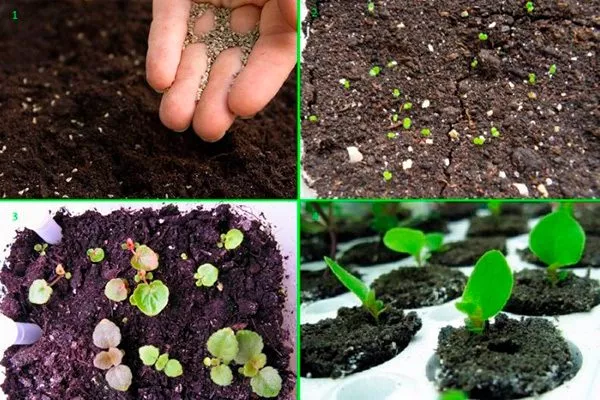
Growing begonias from seeds is easy and fairly quick. If you choose this method, follow these instructions:
- At the end of February or the beginning of March, scatter small begonia seeds over the surface of a light, loose substrate, then place in a warm, bright place and cover with film or glass.
- Water into the tray or spray the seeds with a spray bottle.
- When seedlings appear, remove the film, and when 3-4 leaves develop, transplant.
After a few months, transplant the seedlings into individual pots. The begonia will bloom in its first year if provided with additional light.
Cuttings
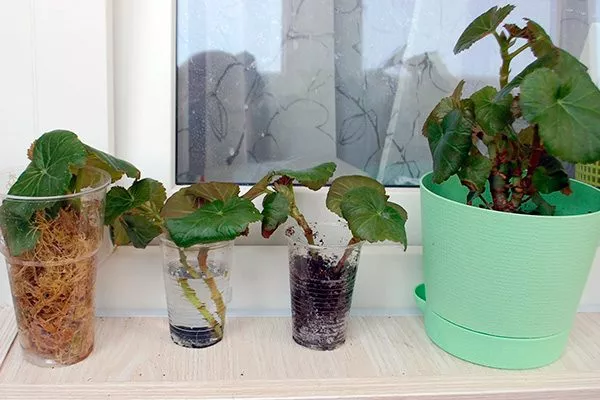
Propagation by cuttings is considered the simplest vegetative method. To increase the number of plants, follow these steps:
- Take cuttings with 3-4 leaves from the plant. Treat them with charcoal to prevent rot.
- Plant the cuttings in a substrate (sand, peat or leaf soil in equal proportions), then place them in a warm, bright room away from direct sunlight.
- Provide begonias with moderate watering.
Division of rhizomes in deciduous species
If you choose this method, remove the begonia from its pot in early spring, shake the soil, and inspect the roots to determine how many pots and sizes will be needed. Divide the rhizome so that each section has roots and at least one shoot or bud.
Use a clean, sharp instrument when cutting. Be sure to treat the cuts with charcoal. Plant each section in a separate pot.
Leaves
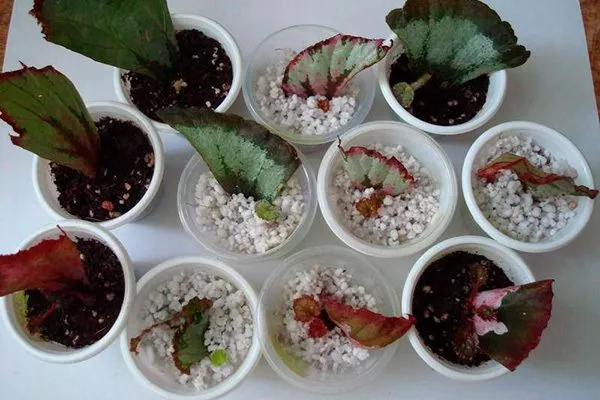
This method is suitable for propagating ornamental begonia varieties. It is considered an unusual, yet effective, method.
Instructions:
- Select a large, healthy leaf and then divide it into pieces so that each piece contains the main longitudinal vein.
- Place the leaf pieces in a light soil mixture of peat and perlite – the vein should touch the ground so that the roots grow from it.
You can place the leaves vertically or lay them horizontally.
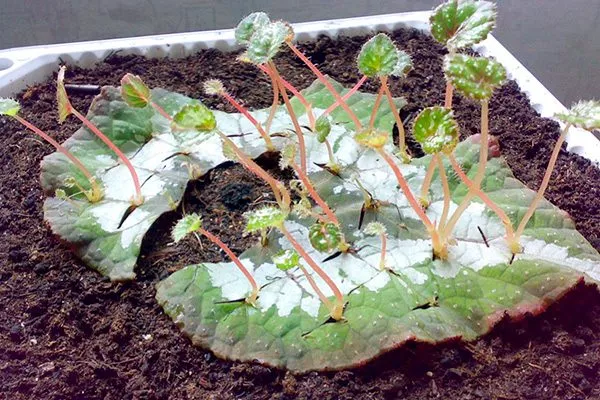
You can also use another method: make transverse cuts on a whole sheet and place it on the ground.
Tubers
Tuberous varieties are propagated by tubers. This method is considered the most successful. Simply plant the tubers deep in a pot with drainage and soil close to the surface. After the first shoots appear, add another layer of soil. This process is best done in January.
To divide a tuber, use a mother plant that is at least three years old. Each tuber should have at least three strong, healthy buds. Use a sharp knife to divide, then treat the cut with charcoal.
Leave at least one bud on each section. Until the first leaves appear, place the tubers in a greenhouse made from a plastic bottle.
How to care?
Begonia care is considered fairly simple and doesn't require much time. However, to avoid any unpleasant consequences for your plant, be mindful of the care procedures:
- Immediately after purchase. To help your begonia adapt more quickly indoors, maintain high humidity. During this period, the plant should not be stressed, so avoid disturbing it—don't move it, turn it, wash its leaves, etc.
- Watering. Many begonia varieties tolerate short-term drought well, but overwatering often causes disease and, in the worst case, death. Water ornamental foliage begonias regularly, and provide ample watering during the spring and summer.
Water the tuberous plants moderately, using only soft water. Reduce watering significantly during winter.
Tuberous species do not require watering at all. - Fertilizer. Begonias respond well to fertilizing. Use mineral fertilizers and vitamins. Feed the plant regularly, once every 14 days, from early spring to mid-autumn. Use a special liquid fertilizer.
Pay special attention to large-flowered varieties. Feed only during budding. Apply liquid complex fertilizer every 14 days after watering. During ovary formation, use potassium-phosphorus fertilizers (Ovary, Flowering, Bud).
For decorative foliage species and varieties of begonia, use nitrogen-containing fertilizers for feeding. - Trimming. Pinch the tops of bush begonias to create a bushier bush. Flowering varieties require stems to be cut back after they finish blooming.
Old shoots of most species tend to become bare and lose their foliage, so remove them. When pruning all types of begonias, remove dry, damaged leaves and shoots.
Caring for begonias doesn't require any special knowledge or skills. Follow these basic rules and you'll have a beautiful plant.
Diseases and pests
Indoor begonias may have some diseases and may also be attacked by pests.
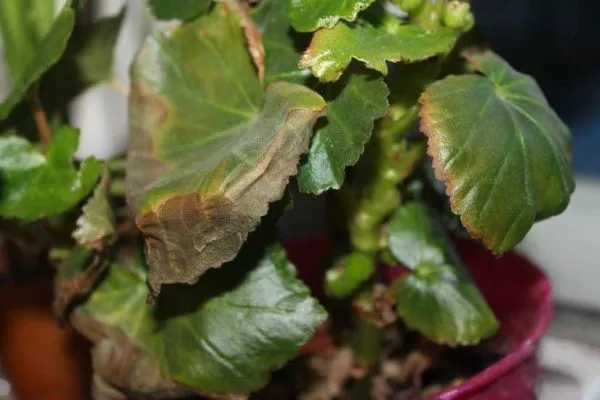
To avoid problems, familiarize yourself with common diseases:
- Root rot. A disease caused by pathogenic fungi. It occurs due to excess moisture. The begonia stops growing, and the leaves begin to die. When removed from the pot, blackened, wilted roots can be observed.
If part of the root system is affected, remove the diseased roots, then soak the plant in Vitaros, Oxyhom, Ordan, or Alirin-B. Repot the begonia in fresh soil. If the damage is severe, saving the plant is unlikely. - Gray rot. The disease affects the above-ground portion of the plant. It develops under high temperatures and humidity. When affected by gray mold, water-borne grayish spots appear on the leaves and petioles, which enlarge over time and become slimy.
Remove all affected parts of the plant and treat the begonia with copper-containing fungicides: Bordeaux mixture 1%, Oxyhom, Hom. - Powdery mildew. The disease is caused by high humidity or contamination from other plants. A white coating appears on the leaves and other parts of the plant.
Treat begonia with fungicides containing copper or a solution of colloidal sulfur at a concentration of 0.3-0.5%.
What pests can affect begonia?
- Aphid. These are small, wingless insects with a greenish tint. They can be seen with the naked eye. When an aphid infestation occurs, the plant's leaves turn pale and die.
To get rid of pests, use special green soap or laundry soap. If soapy water doesn't work, try Fitoverm or Actellic. - Whitefly. A white winged insect that causes leaves to die when attacked.
Wash the flower with green or household soap several times, every two days. If that doesn't help, use the same treatments as for aphids. - Spider mite. You can identify the presence of an insect by weakened leaves and the presence of a web-like coating on different parts of the plant.
To combat these insects, use the same treatments as for aphids and whiteflies. Many gardeners recommend using Kleschevit.
Inspect the plant regularly to prevent disease and protect the begonia from insects.
Frequently asked questions
Growers may encounter some problems when growing indoor begonias. Read the most frequently asked questions to learn how to prevent them:
- Is begonia poisonous or not? The toxicity of begonias is surrounded by numerous myths. In fact, some species are mildly toxic, such as the ever-flowering begonia (the leaves contain oxalic acid, which can cause burns) and the tuberous begonia. However, there are also completely safe varieties.
- Why does begonia stretch? If you notice that your begonia's shoots are too long, thin, and pale, and the leaves are sparsely spaced, this indicates insufficient light, improper pruning, or the plant is aging. Keep the begonia in bright, indirect light and pinch out the tips of the shoots.
- Why do new leaves on begonias grow small? The cause is a severe lack of minerals and other nutrients in the soil. Feed the plant with liquid fertilizer every few weeks.
- Why do begonias lose their leaves in winter? This problem occurs due to keeping the plant in a cold environment or exposed to drafts. When airing the room, move the pot away from cold air currents and maintain the correct temperature.
Take immediate action if you notice something is wrong with your plant. This will help you avoid negative consequences.
Legends and interesting facts about the flower
Begonia is a popular and widespread flower worldwide. Known to humans since ancient times, it often becomes an ornamental feature in gardens and homes.
There are many interesting facts and legends about begonia:
- In the Himalayas, among the small ethnic groups, the secrets of preparing a begonia spice have been passed down from generation to generation. The plant is used to treat migraines.
- In China, it is believed that begonia grows on the ground where a woman in love cried.
- In Belgium, begonias are used at flower festivals. The bushes create truly living pictures: fairy tales, castles, and so on.
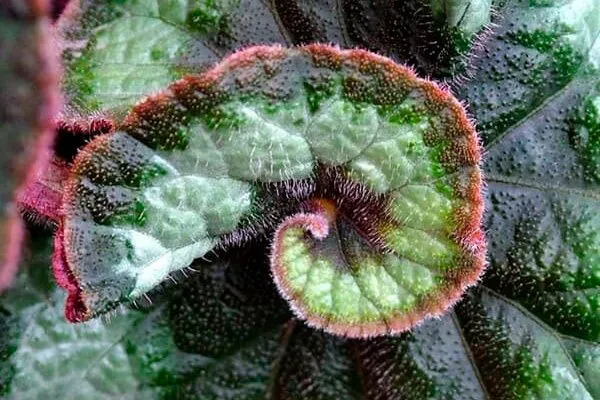
Begonias have been common in Russia since the early 19th century, as evidenced by their popular name, "Napoleon's Ear." Legend has it that the Russians named the plant because of the red underside of the leaves of some varieties, which resemble a wrinkled ear.
Reviews of indoor begonias
Begonia is a tropical plant widely used in indoor gardening. Many people buy this flower for its easy care, low maintenance, and beauty. When in bloom, begonias become a true indoor decoration, attracting admiring glances.
I managed to grow a tuberous begonia from seed. I'm waiting for it to bloom. But the cuttings didn't work. They rotted.