
Among houseplants, the double begonia stands out and enjoys widespread popularity. Some gardeners claim that this plant has a magical, captivating quality. One glance is enough to fall in love with this begonia forever. This plant requires proper care for optimal growth.
Botanical description
Double begonia is a popular ornamental houseplant with glossy leaves in shades of green or reddish, distinguished by its abundant and colorful blooms. Often called "maiden beauty," this begonia is rightly considered the queen of the home garden.
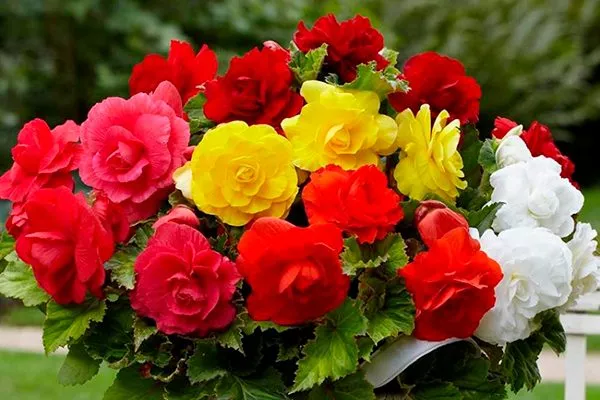
Begonias can grow as shrubs or trailing plants. Most varieties of this plant produce two types of unisexual flowers: male and female. Male flowers are double, while female flowers have a simple structure and develop a seed pod.
The history of the flower's origin
Begonias began to be grown indoors in the 17th century. The plant was named after Michel Begon, the French governor of Haiti.
The monk Charles Plumier discovered this species during his travels to the Antilles. It was there that he first encountered specimens of this flower, which amazed him with its variety of colors and shapes.
Types
| Name | Type of underground part | Growth form | Flower size | Flower color |
|---|---|---|---|---|
| Tuberous begonias | Tuber | Vertical | 1.5-20 cm | Red, white, yellow |
| Trailing begonias | Rhizome | Ampelous | 5-15 cm | White, pink |
Depending on the nature of their underground growth, begonias are divided into two main types: tuberous and bushy. The aboveground portion of the plants, however, varies: some species grow as upright bushes, while others exhibit a trailing growth habit.
Let's take a closer look:
- Tuberous begonias. This type of begonia has underground tubers, while the aboveground portion can grow vertically. They are known for their large, beautiful flowers, which can range in diameter from 1.5 cm to 15-20 cm.

Tuberous begonia flowers can be multicolored, including shades of red, white, and yellow. Sometimes the petals may have different-colored edges, and they may also have a slight fragrance. - Ampelous begonias. Trailing begonias are distinguished by their ability to droop and twine around supports. They offer a wonderful decorative solution for vertical gardening. They are characterized by abundant flowering, although the flowers are usually not as large as those of shrub-type plants.
There are large-flowered varieties with blooms measuring 10-15 cm, as well as small-flowered varieties with flowers up to 5 cm in diameter. White and pink shades predominate in most trailing begonias. They are easy to grow in hanging pots and baskets, making them ideal for decorating vertical surfaces.
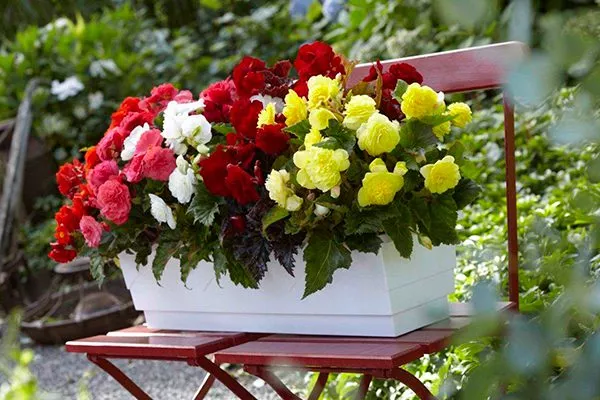
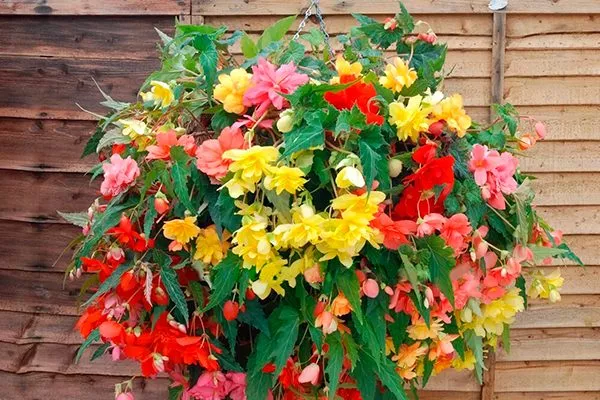
Below are popular varieties of terry begonias:
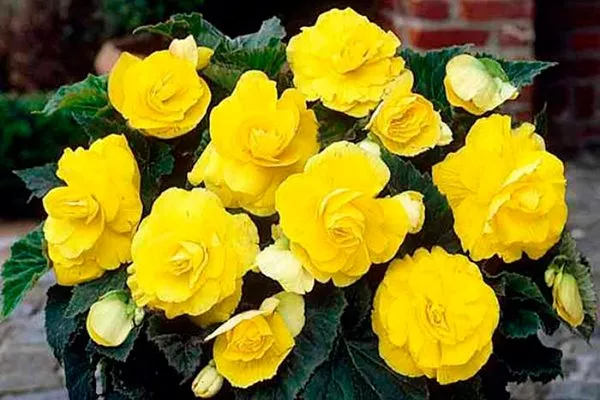
- New Star Type (ultra-early). This variety impresses with its abundant and long-lasting blooms. The bright yellow flowers are densely double. Blooming begins in late spring and lasts until the first frosts of autumn. The bush reaches a height of 20-25 cm, with a glossy green mass adorned with serrated leaf edges.
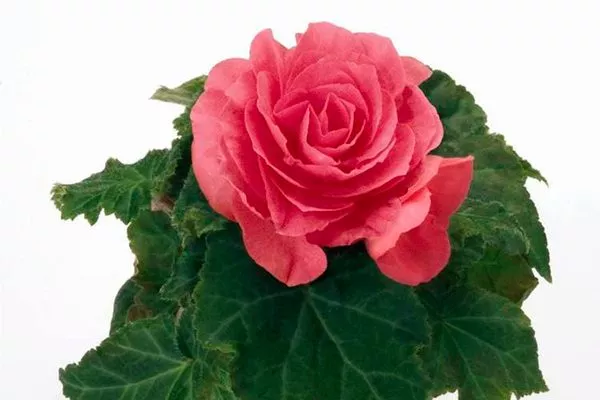
This ultra-early variety is ideal for planting in flowerbeds and rock gardens. Its vibrant flowers and long blooming period make New Star Type an attractive choice for gardeners. - New Star Type Pink. This amazing begonia variety impresses with its exquisite beauty and delicacy. The bushes are compact, never exceeding 30 cm. The leaves are rich green and have a glossy surface.
Bright pink inflorescences form dense, double balls, lending the plant a unique visual appeal. The flowers are impressively large, ranging from 8 to 10 cm in diameter, giving the begonia a lush, aesthetically pleasing appearance.
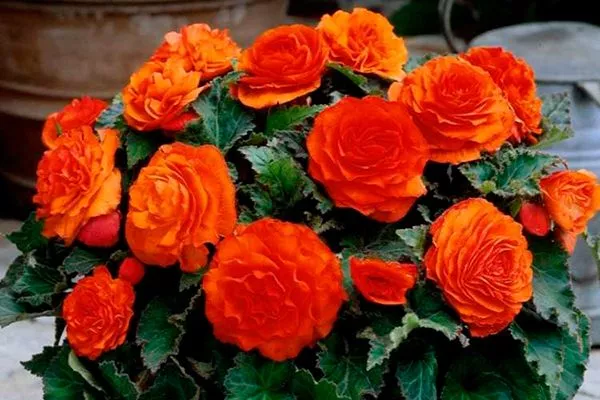
This variety delights with its long blooming period from late May to October, creating a continuous floral display. Suitable for growing in pots and containers, it is an ideal choice for landscaping flowerbeds and garden plots. - Fiery orange. This magnificent plant boasts vibrant, lush flowers that are the main highlight of this variety. Begonia bushes reach a height of 30 cm, and the flowers range from 11 to 12 cm in diameter.
The increased number of petals creates a dramatic volume, forming dense, double blooms that attract attention and create a striking visual effect. The petals are tinted in orange tones.
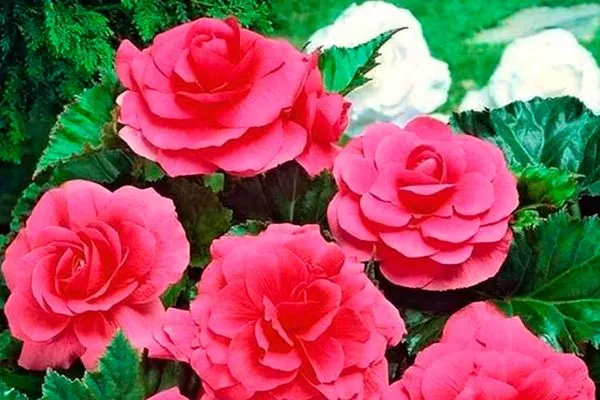
Flame begonia is easy to care for, making it a popular choice for garden plots and urban flower beds. - Pink. This double begonia in a delicate shade of pink is a magnificent plant, captivating with its exquisite flowers reminiscent of large, abundant roses. The bushes of this variety reach a height of up to 30 cm, and the flowers are surprisingly large, measuring 10-12 cm in diameter. The petals can be pale pink or deep pink, adding variety to the color palette.
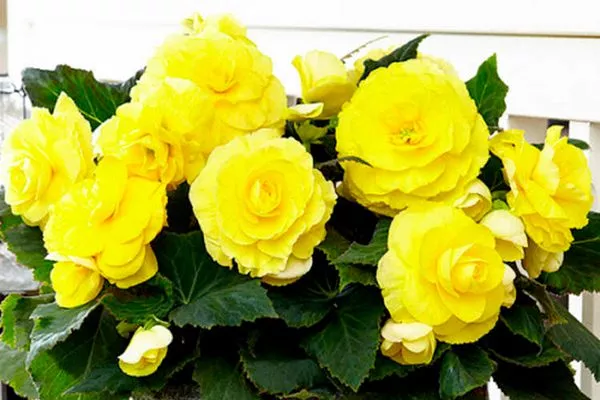
An attractive feature of this double begonia is its long flowering period. Pink double begonias are an excellent choice for those seeking to add beauty and charm to their garden or interior. - Yellow. Begonia is a magnificent plant with rich, abundant yellow flowers. The bushes reach a height of 20-30 cm, and the flowers are approximately 5-7 cm in diameter.
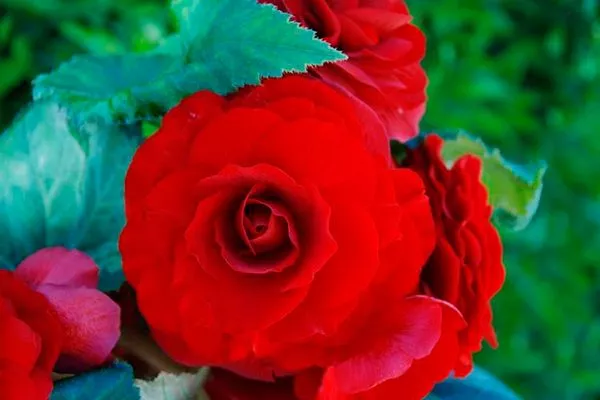
- Bright red. The bright red double begonia is a magnificent plant with rich, lush flowers reaching 12 cm in diameter. This variety grows rapidly, reaching a height of 30 cm, and delights with a long flowering period.
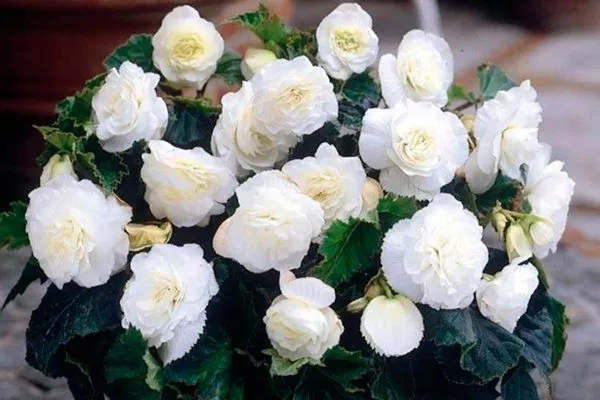
- New Star Type (ultra-early)) white. Double begonia is an innovative plant species with large, abundant white flowers that add sophistication and charm to garden beds and indoor spaces. The bushes reach a height of 30-35 cm, and the flowers are 8-10 cm in diameter.
- ✓ Ultra-early varieties such as 'New Star Type' are ideal for early flowering.
- ✓ Varieties with large flowers (10-12 cm in diameter) are better suited for decorative purposes.
Among the wide variety of begonia cultivars, gardeners choose to plant various types of begonias. All are renowned for their minimal care requirements and ease of cultivation.
Landing
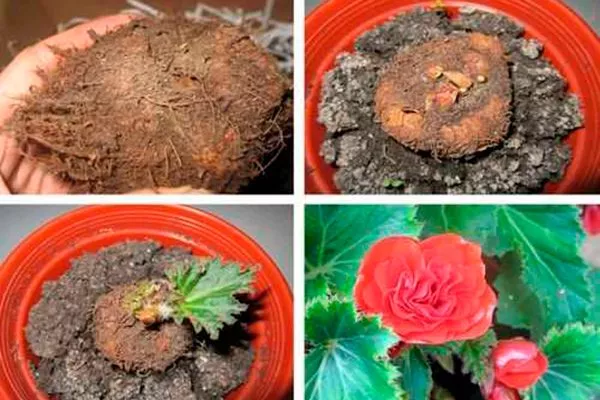
Planting begonias is an important step in growing this colorful plant. For successful planting, it's important to follow certain guidelines, including choosing the right pot, soil, and location.
Lighting
Double begonias prefer abundant, bright light, but require protection from direct sunlight to avoid overheating and possible burning of the sensitive leaves. During the summer, provide the plant with indirect light, avoiding direct sunlight.
If your begonia is on a windowsill, rotate it periodically to provide even light and encourage full growth and flowering. During winter, use supplemental artificial lighting if necessary to maintain optimal conditions for the plant.
Soil requirements
For planting, it's preferable to use soil that has the following characteristics: light, loose, and rich in minerals. You can purchase a ready-made substrate at a specialty store, adding sand to ensure drainage.
Choosing a location
When designing a flowerbed, it's recommended to plant begonias in the foreground. Creating large halos of flowers will add a special brightness to the bed, and using different varieties of this plant to create patterns will add originality and elegance to the flowerbed.
Keep in mind that, despite their love of warmth, begonias do not tolerate direct sunlight. Place the plants in partial shade, where they will receive sufficient heat and will not be susceptible to sunburn.
Choosing a pot
It's recommended to choose containers made of environmentally friendly materials, such as clay or ceramic pots. These have porous walls that promote good oxygen circulation to the plant's roots. Wooden planters with effective drainage systems are also acceptable.
When choosing a pot, choose shallow options measuring 10-14 cm. Plastic pots are not recommended, as they are cheap and dense, and do not provide adequate ventilation for the plant's root system.
- ✓ Optimum temperature for growth and flowering: +19-23°C during the day, not lower than +15°C at night.
- ✓ Air humidity level: 60-70%, without direct spraying of leaves.
Thermal conditions
Maintain a moderate, warm temperature indoors, between 19-23°C. Begonias dislike hot, musty, and dry conditions. Ventilate the room regularly, but avoid drafts, cold winds, and sudden temperature changes.
Air humidity
It is necessary to maintain a high level of air humidity, but spraying the plant is unacceptable to prevent the appearance of brown spots on the leaves.
To humidify the air, use a floor humidifier, regularly ventilate the room, or place a container of water next to the plant.
Care in open ground and at home
Caring for terry begonias plays a key role in their health, longevity, and beauty. There are several important points to consider when caring for this beautiful plant to ensure it remains healthy and beautifully ornamental.
Watering
The optimal time to water begonias is in the morning and evening. It is recommended to use warm, soft water that has been allowed to settle for 24 hours. Keep in mind that watering is best done when the top 1-2 cm of soil is dry.
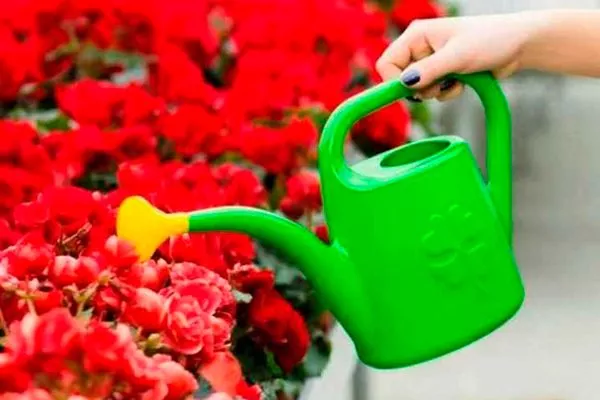
In summer, begonias require abundant but moderate watering to avoid excess moisture, which can harm the plant. In winter, moderate watering is sufficient.
Trimming
Begonias require regular pruning because their stems quickly elongate. Pruning is done to improve flowering, shape the crown of a young plant, rejuvenate, and maintain its decorative appearance.
Perform the first pruning when the stems reach 7-8 cm to give the bush the desired shape. After pruning, reduce watering for a while. When the side shoots reach 10-12 cm, prune their tips to stimulate the development of lateral buds.
Maintain the plant's appearance by removing dead twigs, leaves, and shoots. When pruning, use a sharp knife, and treat the cut areas with crushed charcoal to speed up the healing process. Using scissors or pruning shears is not recommended.
Top dressing
Proper fertilizing is an important part of caring for terry begonias, as it promotes strong plants, improves flowering, and enriches the soil with essential nutrients. Here are some tips:
- Use specialized fertilizers for flowering plants or begonias. They contain essential macro- and microelements, specially balanced to support healthy and abundant flowering.
- Fertilize your begonias during the growing season, starting in spring and ending in late summer. Typically, fertilize every 2-4 weeks. It's important to follow the manufacturer's recommendations regarding frequency and dosage.
- Follow the instructions on the fertilizer packaging. Avoid over-fertilizing, as this can harm the plant. It's better to maintain moderate doses.
- Use both liquid and granular fertilizers. Liquid fertilizers are absorbed more quickly by plants, while granular fertilizers provide a gradual release of nutrients.
- Do not feed begonias during the winter or dormant period to avoid stimulating active growth at the wrong time.
- Pay attention to the specific needs of your double begonia variety. Some species may require additional nutrients, such as potassium, to maintain bloom vibrancy.
Proper fertilizing will help your terry begonia thrive, producing healthy and colorful plants. Follow the instructions and recommendations for best results.
Transfer
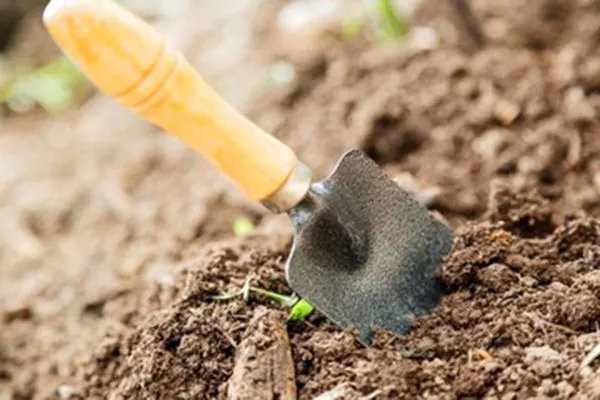
Typically, the plant is repotted once a year, preferably in early spring. Here are some recommendations for repotting terry begonias:
- Choose a pot 2-3 cm larger than the previous one. Ensure good drainage to avoid waterlogging, which can lead to root rot.
- Use a light, nutritious potting soil for indoor plants or a special begonia mix. Add a little sand to ensure good drainage.
- Before repotting, water the begonia thoroughly to ensure the soil is moist. Carefully remove the plant from its old pot, paying attention to the roots.
- If necessary, remove dried or rotten roots. Trim any roots that are too long to encourage new growth.
- Place the begonia in the new pot, keeping the soil level the same. Fill in fresh soil around the roots and compact it slightly.
- Water the plant after repotting, ensuring moderate moisture. Avoid overwatering to prevent root rot.
Proper replanting will create favorable conditions for the growth of terry begonia, promoting its health and decorative qualities.
Features of winter care
During winter, the plant enters a dormant period, during which it is necessary to prune the stems and leaves. During this period, move the pot to a dry location at a temperature of 15-17°C. Reduce watering to 3-4 times a month, and do not fertilize.
Features of reproduction
There are several ways to increase the number of begonias. Florists recommend propagating the plant by cuttings or seeds.
Propagation by seeds
Begonias are propagated by seed in late January or early February. Step-by-step instructions:
- Select a suitable container and add drainage material to the bottom.
- Prepare the soil from leaf soil, sand and peat, and moisten it.
- Sow the seeds evenly on the surface, lightly covering them with soil.
- The growing process takes place in a greenhouse, where the surface can be covered with a glass jar or film. Open the cover daily for ventilation and, if necessary, moisten the plantings.
- Maintain the temperature at 22-25°C. Drops may occasionally appear under the glass; remove them with a dry cloth.
The first shoots can be expected in two weeks.
Propagation by cuttings
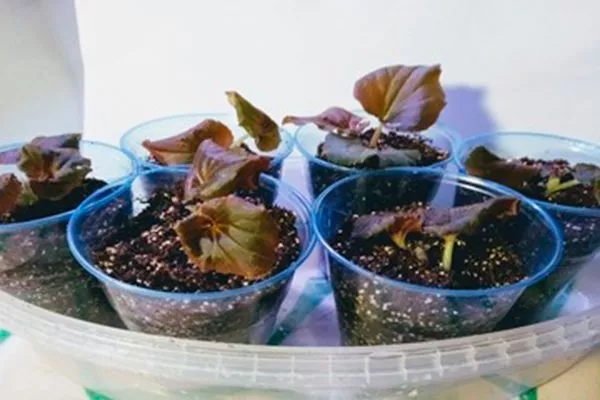
Propagating begonias by cuttings begins with cutting off a healthy, strong leaf with a knife. Then follow these recommendations:
- Place the leaf in a container with moistened substrate, such as expanded clay, perlite or moss.
- To create greenhouse conditions, cover the planting from above with a glass jar or polyethylene, providing ventilation through holes in the film if necessary.
After two weeks, roots appear, and after another 14 days, you can remove the plastic and transplant the young, rooted shoots.
Bloom
During warmer months, continue to provide the plant with the necessary care throughout the winter. When spring arrives, generous watering and fertilizing are recommended to stimulate abundant flowering.
Growing double begonias is a fascinating and rewarding pastime that brings joy and satisfaction to indoor plant lovers. Their exquisite, double flowers, variety of varieties and shapes, and relative ease of maintenance make them an excellent choice for home landscaping.