
Begonias, with their exquisite flowers and decorative foliage, have become popular among houseplant enthusiasts. However, the question of whether begonias can be pruned raises a number of doubts. The pruning approach requires careful consideration. Let's explore the different types of pruning and how to perform it correctly.
Types of pruning
There are several types of begonia pruning, each with its own characteristics:
- Formative pruning. This procedure is designed to shape the plant into the desired form and stimulate growth in specific directions. It is performed at a young age to create a compact crown or maintain the desired shape.
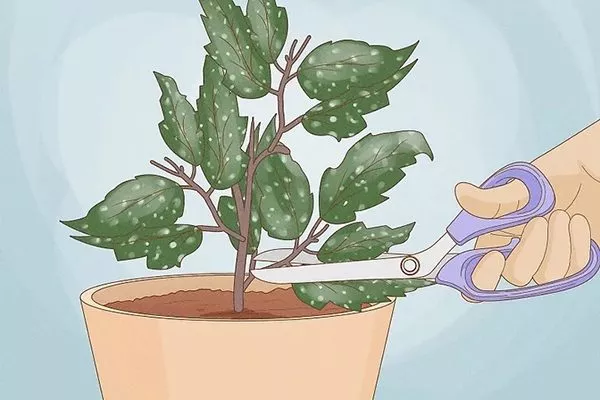
The growing tip and lateral shoots are removed to direct growth in the desired direction. - Sanitary pruning. The main goal is to remove diseased, dry, damaged, or outdated plant parts to maintain their health. This is done at any time of year when diseases, dry leaves, or damage are detected.
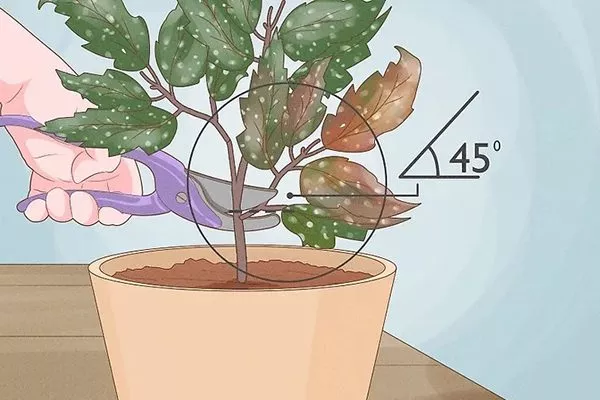
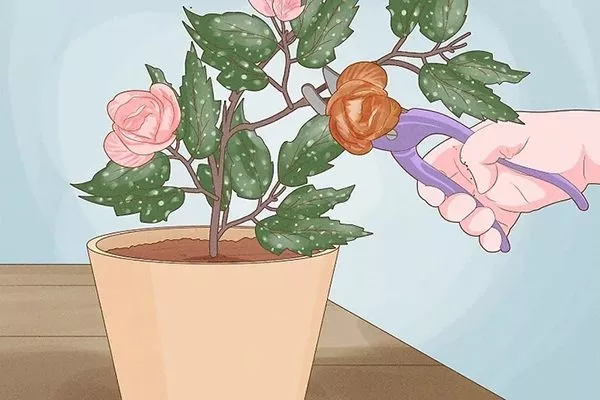
Diseased or old parts of the plant are cut off with a sharp and disinfected tool to prevent the spread of diseases. - Decorative pruning. This procedure is necessary to maintain the plant's decorative appearance, create a lush crown, and improve flowering. Depending on the variety and growth characteristics, this procedure is most often performed after flowering or in the spring.

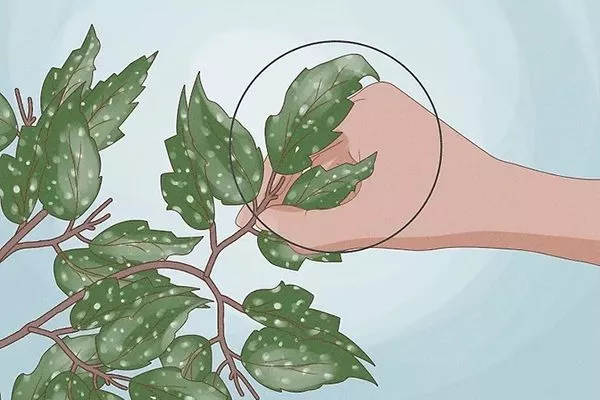
Elongated stems are removed, the bush is formed, and the desired crown shape is maintained. - Topping. The main goal is to stimulate lateral growth, prevent stem elongation, and create a compact plant. This can be done at different times during the growing season, depending on the type of begonia.
The growing tops or side shoots are removed to direct the plant's energy to the development of other parts.
- ✓ Use only sharp and disinfected tools to prevent plant contamination.
- ✓ Ensure the plant is in the active growth phase before pruning for best recovery.
Each type of pruning has its own characteristics and is used in different situations to achieve specific goals in begonia care.
Does begonia need pruning?
A self-supporting plant appears less decorative because its stems stretch, shoots become thinner, leaves become smaller, and flowering is minimal. Pruning is an essential part of plant care, not only to create a lush crown but also to improve flowering.
Features of the procedure:
- This procedure rejuvenates the plant, making it look more well-groomed. To properly prune begonias, it's best to start when they're still young. When the begonia reaches a height of about 6-7 cm, carefully trim the top with a sharp knife. This stimulates the development of lateral shoots.
- After pruning, reduce watering until the plant begins to actively grow. When lateral shoots reach 10 cm in length, their tips should be cut off. Prune the stems above an outward-facing bud to encourage proper growth direction.
- Maintain the shape of the bush by shortening elongated stems or removing dried shoots from time to time.
Which varieties of begonia require pruning and which do not?
Pruning begonias at home is a responsible procedure that requires care and attention. When doing this, consider the different plant varieties: some require no pruning at all, while others require regular and frequent pruning to stimulate wider growth.
- ✓ Royal Rex and ever-blooming species have a high growth rate, requiring regular pruning.
- ✓ Ampelous varieties demonstrate better decorative properties after pinching the apical shoots.
Pruning is especially important for varieties such as Royal Rex, everblooming varieties, and their hybrids. Thick-stemmed varieties are pruned as needed, while trailing begonias are pruned only at the apical stems, thereby encouraging the development of lateral shoots.
Rules for removing stems and shoots: when and how to do it?
Rules for removing stems and shoots from begonias can vary depending on their specific species and needs.
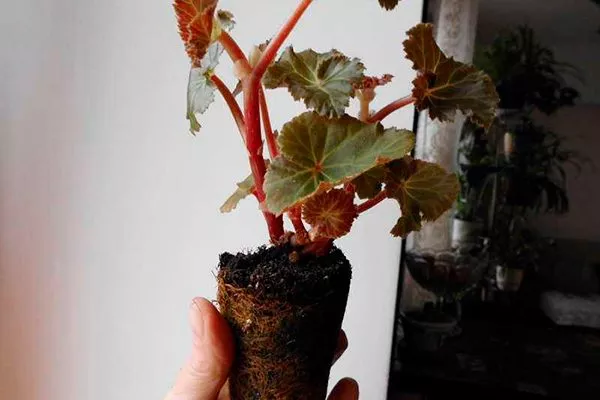
Here are some general guidelines:
- Removing bare or long stems. Remove stems that are leafless or have become excessively long throughout the year as soon as you notice them. Using a sharp, clean tool, carefully cut stems at the base of the plant to avoid damaging lateral buds.
- Trimming the tops to stimulate lateral growth. Perform this type of pruning when the plant is still young and has reached a height of approximately 10-15 cm. Using a sharp tool, cut off the growing tip above an outward-facing node to encourage the development of lateral shoots.
- Pruning bush varieties in spring. Bush begonias are usually pruned in the spring, when the plant begins active growth after its dormant period. Remove old stems and damaged parts to promote the formation of a compact and healthy bush.
- Pruning hanging begonias to stimulate lateral shoots. Perform this type of pruning when the trailing begonia begins to grow upward and the stems become too long. Remove apical shoots to encourage the development of lateral shoots. If necessary, trim the stems to maintain the desired shape.
Before pruning, disinfect tools to prevent disease transmission. Also, consider the specific characteristics of your specific begonia species and follow its care recommendations.
Shaping the crown for lush flowering
To achieve abundant and colorful blooms, begin the shaping process with the smallest begonia seedling. When the shoots of the young begonia reach approximately 8-10 cm, perform the initial pruning. This stage involves giving the bush the desired shape (spherical or standard) by shortening the branches to a third of their original length.
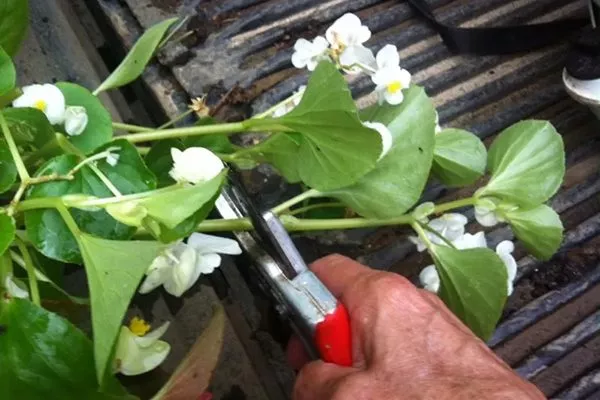
Perform the second stage of shaping when the lateral shoots reach 12-14 cm in length, which helps stimulate further shoot growth. Subsequently, if necessary, remove any shoots that are excessively elongated or extend beyond the bush, as well as those that are growing inward, yellowed, or dried out.
Treat fresh cuts with coal dust or finely ground wood ash to prevent possible infection.
Prune the stems above a healthy, strong bud located on the outer side. This approach directs the shoot away from the center of the bush and prevents it from becoming crowded.
Pruning after flowering
To maintain the attractive appearance of any begonia and prevent buds from wilting, pruning is a must after flowering. For ornamental foliage varieties, remove all flowering shoots, as well as damaged and dried leaf blades. Then, straighten the stems.
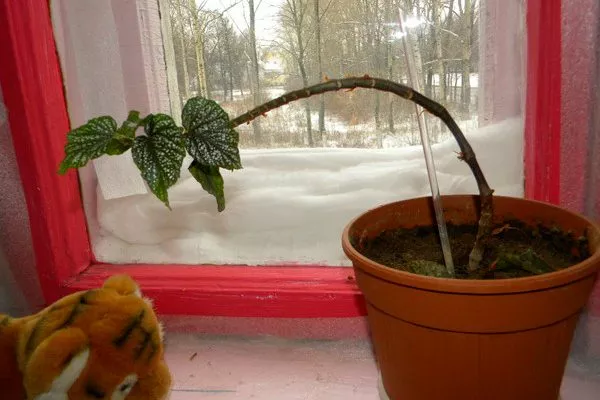
Helpful tips:
- For trailing begonias, pruning consists of removing spent flower clusters and shortening the stems to stimulate growth. Ornamental flowering varieties require a more thorough approach, including complete removal of the above-ground mass.
- Tuberous varieties require drastic pruning. They require a mandatory dormant period to recover and prepare for the next season.
Otherwise, the tubers, which do not accumulate sufficient nutrients during the winter, will weaken and will not produce full flowering, and the bush will look untidy. - The best time for pre-winter pruning of begonias is October, when the flowers fade and the foliage yellows and dries naturally. Prune all above-ground growth, leaving short stumps no more than 1.5-2 cm high. Then move the plant to a cooler location (13…15°C) with shade.
Reduce watering to a minimum, keeping the substrate ball only slightly moist.
How to pinch begonias correctly?
The main difference between pinching and pruning is that pinching removes only a small portion of the apical shoot (no more than 2 cm). This procedure activates additional (dormant) lateral buds and encourages their branching, which helps form the desired crown shape.
This procedure is especially important for young plants, when the tops are still young and can be easily pinched with your fingers. Perform this procedure in early spring before buds appear or in the fall after the flowers have faded.
The video provides recommendations for pruning and pinching begonias:
How to rejuvenate a begonia with elongated, leafless shoots?
The only way to restore the plant's lush shape is to prune any branches that have lost their foliage. For bush begonias, it's recommended to trim off any overly long or thin stems with a sharp knife. This promotes the formation of a round bush and encourages the growth of lateral shoots.
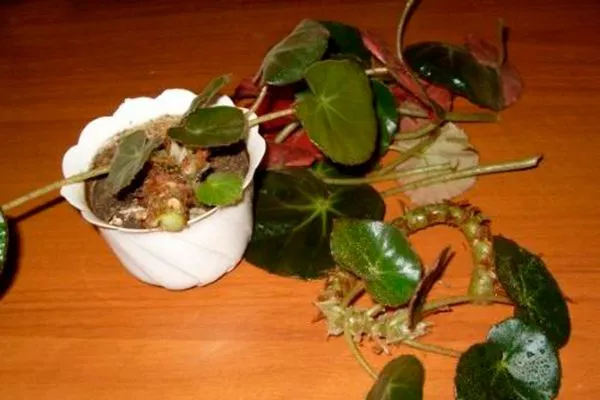
To avoid losing their decorative appeal, begin pruning early. Remove the growing tips of young plants when they reach 10-15 cm in height.
In the future, regularly trim the tops of branches that don't want to branch out; you can maintain the desired shape. It's important to completely remove any stems growing inward.
Features for some species
Pinching plays a key role in plant shaping, so consider the specific plant group when performing this procedure. Hybrid varieties, despite receiving a special gene for shaping, also benefit from pinching and pruning.
Let's take a closer look:
- Ampelous begonias. Some outstanding varieties of hanging plants may not require the removal of apical shoots, but experienced gardeners recommend carefully monitoring the condition of the bushes.
Pinching of trailing hybrids occurs 30-45 days after sowing for seedlings. Remove the top of the plant above the fifth true leaf to promote the formation of a lush bush. - Bushy begonias. Bush hybrids are shaped into a ball, making pinching essential. To stimulate lateral growth, pinch off the top of the seedlings with 5-7 pairs of leaves. Then, remove lateral shoots monthly, gradually giving the bush the desired shape.
- Cascade begonias. This hybrid requires more than three treatments during the growing season, including topping of seedlings, side shoots, and tops in the center and sides of the mature plant.
- Terry begonias. Double varieties, characterized by large flowers, often tend to form crowns on their own. However, to prevent seedlings from becoming elongated, early pinching is recommended.
Depending on the type of begonia you have, you can prune it effectively to create a beautiful shape.
How to properly care for your hair after a haircut?
Proper begonia care after pruning involves several key steps to ensure healthy growth and a beautiful appearance. Follow these steps:
- Watering. After pruning, water the plant moderately to support its recovery. Avoid overwatering to prevent root rot.
- Fertilizer. Feed your begonia with a balanced, all-purpose liquid fertilizer. This will help replenish any nutrients that may have been lost during pruning.
- Lighting. Try to provide the plant with bright but indirect light. Avoid direct sunlight, which can burn new growth.
- Temperature. Provide your begonia with a warm and stable environment. It prefers warmth, and its growth may slow in cold temperatures.
- Humidity. Maintain moderate humidity around the plant. Avoid overwatering to prevent root rot.
- Removing faded flowers. Regularly remove faded flowers and wilted leaves. This will help stimulate new growth and maintain a neat appearance.
- Precautionary measures. Do not move the plant for the first few days after pruning to prevent stress.
- Checking for diseases and pests. Regularly inspect the plant for signs of disease or pests. If necessary, take steps to treat or eliminate problems.
- ✓ Reduce watering in the first days after pruning to avoid rotting.
- ✓ Maintain high humidity around the plant to speed up recovery.
By following these recommendations, you will create optimal conditions for the recovery and continued healthy growth of begonias after pruning.
Pruning begonias is an important and beneficial procedure that helps maintain the plant's health and beauty. Using the correct pruning methods, based on the type and variety of begonia, helps stimulate the growth of lateral shoots, create compact bushes, and maintain abundant flowering.