
After a begonia has finished blooming, it's important to properly care for it and consider many subtleties of subsequent steps. Otherwise, unexpected problems and complications may arise in the future. After all, a flower left with only green foliage enters a dormant state. Our article will tell you what to do after flowering has finished.
When and how long does it bloom?
Begonia flowering time is influenced by various factors, from the specific variety to growing conditions. However, two varieties of begonias deserve special attention: tuberous and non-tuberous. Tuberous varieties typically bloom only in summer and fall, while non-tuberous varieties have no restrictions.
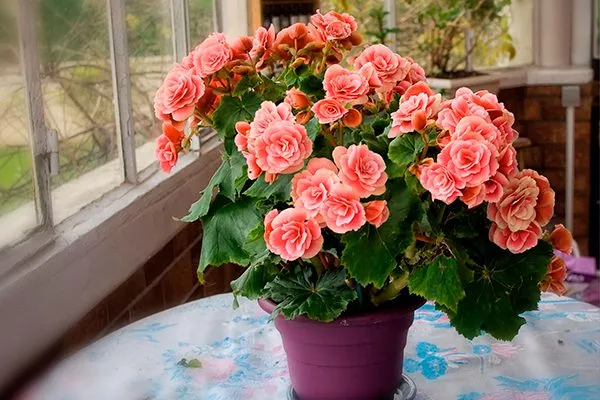
Even plants with a normal root system need rest, so it is important to know what to do with the plant after the lush flowering period has ended.
What should I do next with the wilted buds?
Faded flowers must be removed. There are several reasons for this:
- more nutrients will be supplied to the green mass;
- the branches will get rid of excess weight;
- the well-groomed appearance will be preserved;
- there is an opportunity to collect planting material;
- the plant's energy is saved.
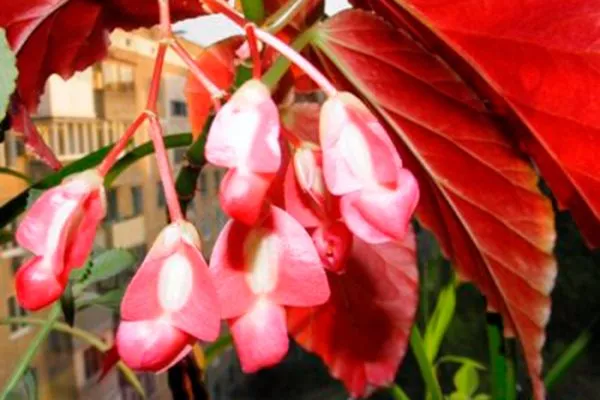
Should I prune my begonia after the dormant period ends, and how should I do it correctly?
This procedure is essential, as it allows the plant to regain its strength and grow new shoots after dormancy ends. Furthermore, all nutrients will be distributed evenly—to the trunk, healthy leaves, and root system. Additionally, the bush's ornamental appearance can be restored by removing all overgrown branches.
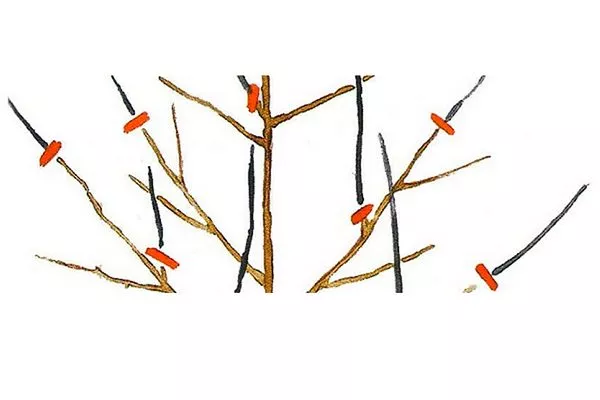
Rules for pruning begonias after the flowering period:
- First, shorten the main stem so that about 5-7 cm remains;
- then completely remove all weakened stems and those that show signs of damage (dryness, mold and rot, traces of pests);
- shorten all the other shoots, but up to the third bud (they need to be looked for in the leaf axils.
Use only sharp pruning shears and avoid other tools that could damage the sensitive plant. Be sure to dust the cut areas with crushed wood ash or activated charcoal to eliminate the risk of infection. Hydrogen peroxide, brilliant green, or a pink solution of manganese can also be used.
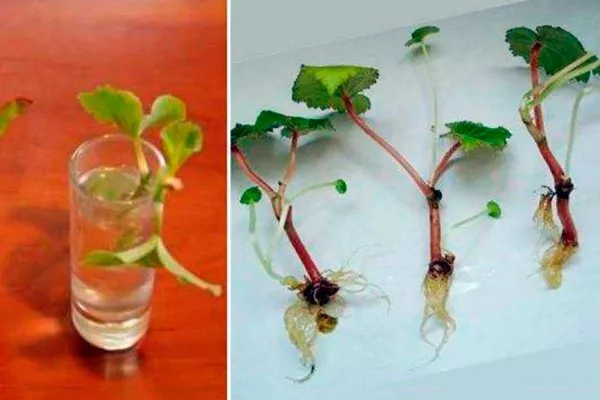
Home care after flowering
Immediately after removing faded buds and trimming branches, place the plant and its pot in a dark, cooler location. The temperature should be 5-6 degrees cooler than when the begonia variety is in bloom. Most commonly, this ranges from 15-18 degrees.
What else needs to be done:
- significantly reduce the frequency of watering and the amount of water added, otherwise the crop will wake up earlier than expected;
- the side shoots will continue to grow, but slowly - when their length increases by 6-7 cm, pinch off the tops;
- when the leaves turn yellow, completely stop moistening the soil;
- If the leaves dry out, remove them.
What should I do with the plant next?
Further steps depend on the type of root system—whether it's simple or tubers. The steps described below are performed approximately one month after the fall pruning.
Tuberous
To allow the tuberous begonia's above-ground portion to die back, move the pot to an even cooler room—the temperature should range from 5 to 10 degrees Celsius. Continue to lightly moisten the soil occasionally.
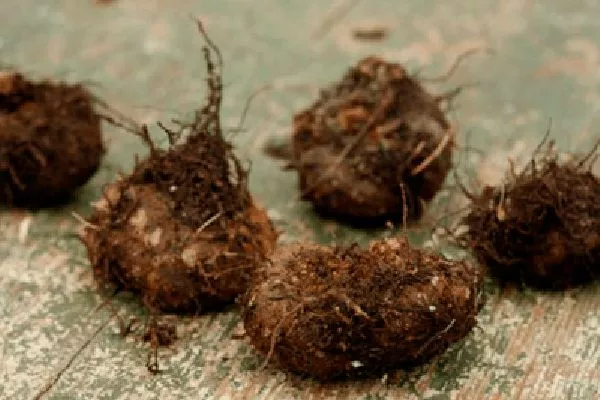
- ✓ The optimal temperature for tuberous begonias during the dormant period: +5 to +10 degrees.
- ✓ For non-tuberous begonias, it is important to maintain air humidity using a humidifier or a tray with pebbles and water.
There are two options: expose the plant to light and warmth, feed it with nitrogen, and wait for new shoots to emerge. However, this won't cause the plant to go into full dormancy. So, it's best to take a different approach:
- Water the soil thoroughly and allow the water to soak in.
- Carefully remove the tuberous root.
- Inspect it and cut off any unsuitable parts – dried out root shoots, elements with rot or mold.
- Treat with wood ash.
- Place it in a solution of Fitosporin for 20 minutes.
- Remove and dry naturally by placing the tuber on a paper or cloth towel.
- Take a zip-lock bag.
- Place moistened perlite into it.
- Place the tuber and close.
- Place in a cool place with a temperature of +6 degrees.
Not tuberous
To stop a plant with a normal root system from developing and enter a dormant state, stop fertilizing completely and moisten the soil only after a dry crust forms on the surface. There are other considerations:
- Make sure that the air humidity is sufficient, otherwise the above-ground part will dry out and die - to do this, place a humidifier nearby or bury the pot in a container with water and pebbles so that water does not penetrate into the drainage holes;
- move to a dark room, as light promotes the resumption of budding;
- the temperature should be about +10-12 degrees.
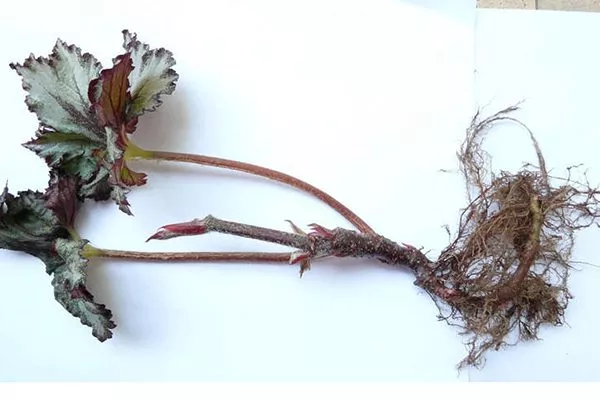
Awakening and what to do to wake up?
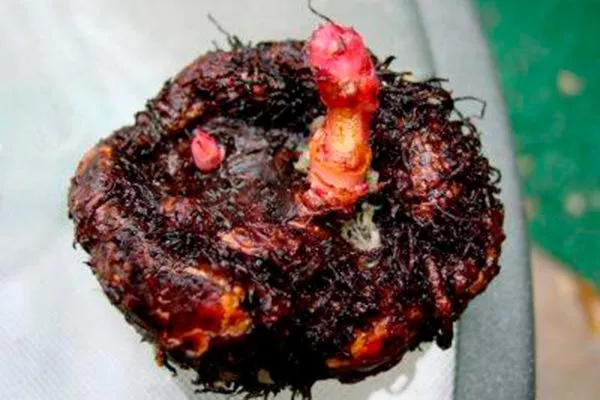
The crop should emerge from dormancy in late February. During this period, remove the tubers from the perlite, inspect them, and then move them to a bright, warm room. This will cause sprouts to begin to form. Once sprouts appear, plant the tubers in pots as usual.
Flowers with normal roots are simply exposed to light and maintained at a temperature of 18-22 degrees Celsius. At the same time, begin watering the soil generously, and once the bush begins to grow and develop, apply a specialized complex fertilizer.
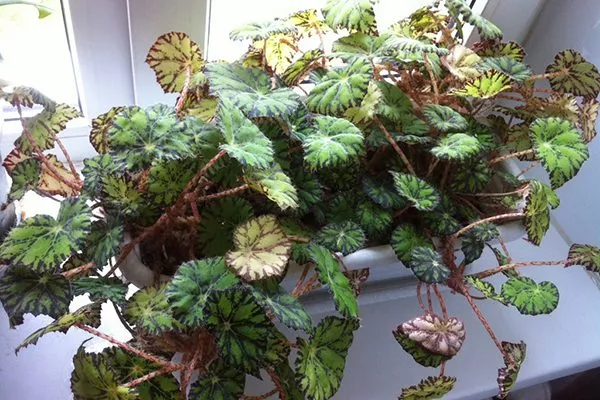
Consequences of neglecting a flower
If you don’t let flowering begonias rest, the following problems may occur:
- poor flowering or lack thereof;
- delay in budding period;
- weakened immunity, as a result of which the plant will often get sick;
- Lack of nutrients – you will have to apply fertilizers in an intensive mode.
Begonias require care not only during flowering but also afterward. The difference is that winter care is considered simpler and less challenging for beginners. The key is to accurately determine the root system type of your houseplant and follow the care instructions for that specific root type.