
Anthurium is considered a remarkable plant with decorative qualities. It is believed to bring happiness, money, and prosperity to the home. Caring for the plant is easy, but many procedures require special attention. Consider the specifics of caring for anthurium at home.
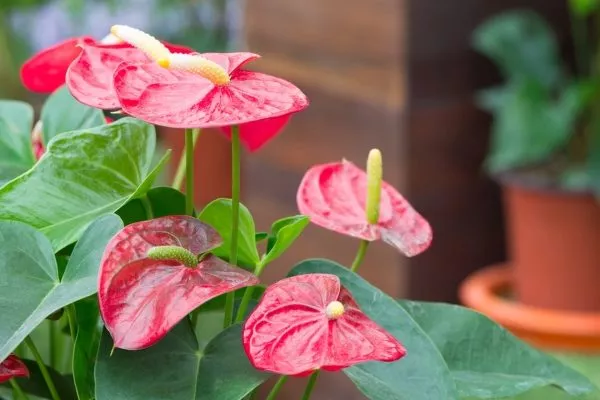
Brief description of anthurium
Anthurium is an epiphytic or semi-epiphytic perennial plant of the Araceae family, native to South and Central America. Translated, it means "male happiness." According to various sources, there are between 500 and 900 species of this plant.
In height anthurium Reaches 50-70 cm and grows slowly. The plant has leathery leaves, which can have different shapes and sizes depending on the species:
- rounded;
- heart-shaped;
- dissected;
- spatulate;
- elongated;
- solid;
- broadly lanceolate.
- ✓ Soil pH should be between 5.5 and 6.5 for optimal nutrient absorption.
- ✓ Use only distilled or rainwater for irrigation to avoid salt build-up.
Caring for "Men's Happiness" immediately after purchase
When you buy an anthurium, you take on a great deal of responsibility, as it's considered a fussy plant and requires special attention. Be sure to familiarize yourself with all the care recommendations beforehand.
How to care for a flower immediately after purchase:
- Ensure the plant thrives. To achieve this, it needs a tight pot. Anthurium doesn't like too much space, as it spends all its energy on root sucker development, which can lead to over-acidification of the soil.
- It's preferable to choose a container that provides ample space for the roots. A long container is ideal. This will provide the plant with more space and allow the stems to develop foliage.
- Be sure to fill the container with a substrate soil mixture containing expanded clay fractions. Replace the soil annually in the spring. This will ensure abundant flowering.
Conditions for normal cultivation
To properly grow anthurium and ensure its flowering, provide it with the proper conditions. Only by maintaining the appropriate temperature, light, and moisture levels will you achieve positive results.
Temperature
Anthurium is considered a heat-loving plant, so during the spring and summer, place the pot in a room where the temperature is between 22 and 28 degrees Celsius. The temperature shouldn't drop below 18 degrees Celsius, otherwise the plant may become diseased and die.
From early fall to late winter, keep the plant in a cool location with a temperature of 16 degrees Celsius. Gradually acclimate the plant to lower and higher temperatures. Anthuriums do not respond well to drafts and temperature fluctuations.
Air humidity
The plant requires high humidity—around 90%. If the air in the room is too dry, it may slow down the plant's development. Anthuriums also require regular hygiene: remove dust and dirt with a damp sponge or soft cloth.
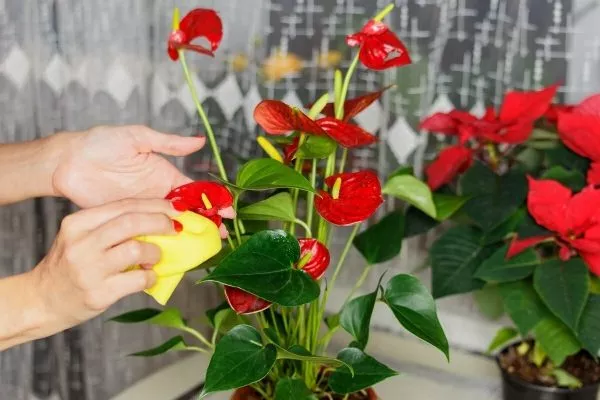
During the spring and summer, keep the plant's foliage moist with a spray bottle. Use only settled, warm water to promote growth and development.
To maintain high humidity, place the flowerpot with the plant in a deep tray filled with expanded clay or pebbles, pour a little water into it so that the bottom of the pot does not come into contact with the liquid.
Where to place it, how to light it?
The ideal location is considered to be the east side of the room, with a nearby window that will provide the anthurium with light. However, there are other considerations:
- Make sure that the flower is protected from drafts.
- If you have plastic windows, you can place it on the windowsill.
- Choose a place where the light falls, but there is no wind.
- Experienced gardeners note that anthurium thrives and blooms on a west- or east-facing windowsill. In fact, the flower doesn't require very bright or indirect light. It can grow on a north-facing windowsill, but it typically lacks light.
- If you decide to place the plant on a south-facing window, shade it from direct sunlight using tulle or paper. It's best to place the anthurium further away from the window.
- Do not place the plant near electrical appliances, as they emit radiation that is harmful to the flower and also absorbs positive energy.
- During the winter, it's acceptable to place the anthurium on a windowsill in the bathroom. This will provide it with sufficient humidity and natural warmth.
- In summer, choose a location in the bedroom or living room.
Bloom
Anthurium is considered a plant that can bloom almost year-round in its natural environment. However, to enjoy its beautiful flowers, create the appropriate microclimate at home, maintaining humidity and temperature.
When in bloom, "Male Happiness" is particularly beautiful—its small flowers are gathered into a spadix-shaped inflorescence resembling a tail. The spadix can reach 5 to 30 cm in length and is surrounded by a vibrant spathe, which, depending on the variety, can vary in color: red, green, pink, white, yellow, and more.
Care activities
Anthurium care includes repotting, pruning, watering, and fertilizing. With the right care and attention, the plant will reward you with lush, long-lasting blooms.
Watering
During the active growth period, anthurium requires regular and proper watering. Provide the plant with moisture when the potting mix has dried out halfway. Water your "male happiness" with soft, well-settled water.
Anthurium tolerates mild drought much better than regular waterlogging in the soil. Excessive moisture can cause root rot. Be sure to drain any excess water from the tray half an hour after watering.
- In early spring, apply a high-phosphorus fertilizer to stimulate flowering.
- In summer, use a balanced fertilizer every 4 weeks.
- In autumn and winter, reduce feeding to once every 8 weeks.
Top dressing
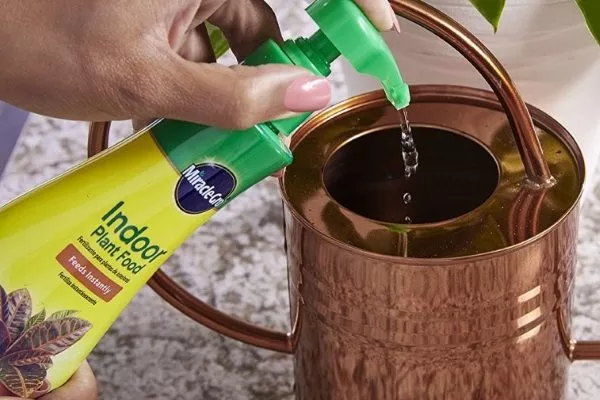
The plant requires regular fertilizing for good growth. To replenish this, use a complex mineral fertilizer, but keep in mind that the dosage should be half the manufacturer's recommended dosage. Perform this procedure only in the spring and summer, once every few weeks.
Some gardeners apply foliar fertilizer, but no more than once every 7-10 days. The plant responds well to organic fertilizers, but they're not very convenient to use indoors. For example, semi-rotted horse or cow manure is acceptable.
Transfer
Carry out the procedure at the very beginning of the growing season – from February to March. In extreme cases, repotting "male happiness" is also possible from March to August. The process must be carried out carefully, as the plant's leaves and roots can be easily damaged.
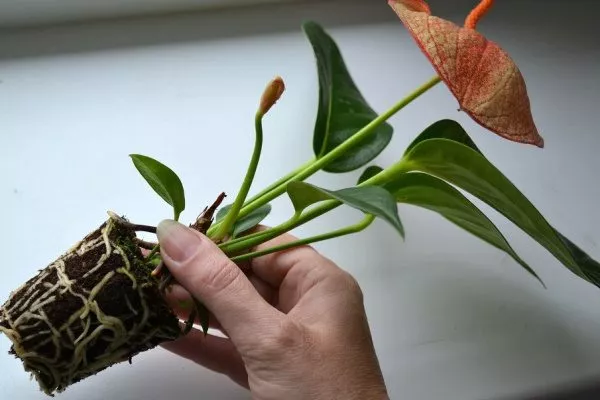
While the bush is young, repot it annually, using a pot 10-20 mm larger than the previous one. Repot mature plants only when necessary, for example, if the roots no longer fit in the pot.
Helpful tips:
- Use a plastic pot, as the soil and room air temperatures are nearly identical in a ceramic container. Choose a pot that's long but not too wide. Place a drainage layer of small brick pieces in the bottom to prevent water from remaining in the potting mix.
- Use loose, well-drained soil. The substrate composition can be as follows: chopped sphagnum moss, peat, and turf soil in a ratio of 2:2:1. It is also recommended to use a soil mixture of leaf mold, peat, and sand in a ratio of 1:1:1.
Reproduction
The most popular propagation methods are cuttings and division. However, there are other ways to increase the number of plants. To ensure the plant takes root, be sure to maintain a regular watering schedule and monitor the room temperature.
Reproduction options:
- Growing from seeds. This is a long and labor-intensive process, typically used only by professional breeders to develop new varieties. Seeds grown at home may have difficulty germinating.
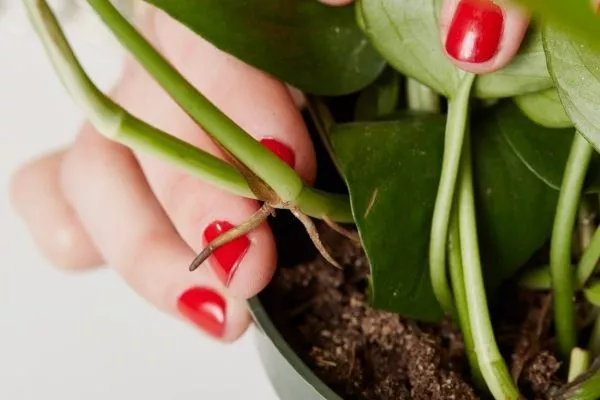
- Cuttings. Cut a small shoot from the green part of the plant and plant it in a new pot. You can use a leaf or aerial roots. Water the young plant immediately after repotting, and apply mineral fertilizer the following day.
- Dividing the bush. Before propagating, water the mother plant generously and ensure each section has at least one leaf and a growing point. Plant the cuttings at the same depth they were previously planted.
- Leaf. To propagate, cut a large leaf up to 4 cm in size from a mature plant. Roll it into a tube and plant it in pre-moistened soil with a drainage layer. A third of the leaf should remain above the surface.
- A shoot. Propagation by cuttings is possible. To do this, carefully separate a small shoot from the other cuttings and plant it in a pre-prepared nutrient mixture. Moisten and loosen the soil. Cuttings usually take root well.
| Method | Rooting time | Success rate |
|---|---|---|
| Cuttings | 2-4 weeks | 70-80% |
| Dividing the bush | 1-2 weeks | 90-95% |
| Leaf | 4-6 weeks | 50-60% |
Use the most appropriate propagation method, but be sure to provide the plant with proper care.
Trimming
During the flowering period, pruning is strictly prohibited. Prune from top to bottom at an angle. For heavily branched plants, shape the crown. Compact and small bushes require the removal of dead leaves.
Rejuvenation
As the anthurium grows, the lower leaves gradually die off, while new ones emerge at the top. This slightly spoils the plant's appearance, and the flowers become small or disappear entirely. A rejuvenation procedure will solve this problem:
- Cut off the fresh top with leaves, leaving aerial roots.
- Root the apical cutting by planting it with aerial roots in the ground, while deepening the rosette.
- Water the plant periodically and wait for it to start growing.
Pollination
In nature, anthuriums are pollinated by numerous insects, but when grown indoors, use a cotton swab or soft brush to do the pollination yourself. Cross-pollinate the flowers every 5-7 days.
Diseases and pests
Anthuriums are often susceptible to fungal and viral diseases, and they can also be attacked by pests. To prevent problems early, inspect the plant regularly.
What diseases can threaten "male happiness":
- Anthracnose. A fungal disease that causes brown spots to appear on the leaves. To get rid of the disease, spray the bush with a solution of any fungicide designed for indoor plants.
- Septoria. A fungal disease that threatens flowering. Septoria leaf spot causes a white and brownish coating to form on the leaves. Use commercial fungicides. To prevent this, monitor the temperature and humidity levels indoors.
- Fusarium wilt. The disease is accompanied by root rot, leaf drop and yellowing, and stem drying. To treat, spray the plant with Trichophyte. To prevent the disease, regularly loosen the soil to prevent moisture stagnation.
- Root rot. This manifests itself as stem drying, yellowing leaves, and a lack of flowers and berries. Repot the plant in a different pot with fresh soil.
- Powdery mildew. This is a dangerous disease that can lead to the complete death of the plant. A white coating appears on the leaves and stems. Spray the anthurium with any fungicide designed for indoor plants, and loosen the soil regularly to prevent the disease.
- Chlorosis. The disease causes yellowing of the leaves. To stop the disease, move the plant pot to a sunny location and apply a complete iron-containing fertilizer.
- Plant pox. Accompanied by yellow ring-shaped spots, which ultimately leads to stunted growth. Increase your fertilizing to help the plant fight off the virus on its own.
Anthurium can be attacked by insects:
- Spider mite. A thin, distinctive coating will form on the leaves, and when you loosen the soil, you may discover insects and their eggs. Use a special insecticidal soap to wash the plant.
- Aphid. They feed on the plant's leaves. You can spot the pests by yellowing leaves and poor flower growth. To control aphids, spray the plant with Malathion insecticide.
- Thrips. Insects that burrow deep into the leaves and don't show up on the surface. Thrips infestations cause black spots to appear on the leaves. Increase watering and mist the plant daily with a spray bottle.
- Scale insect. The leaves become sticky and unpleasant to the touch. Pest eggs can be seen on the leaf blades up close. To treat, repot the plant and spray with an Aktara solution.
- Whitefly. Affected leaves turn yellow and become sticky, and if you examine them closely, you may find small yellowish larvae. To control the insects, cut off the affected leaves and treat the plant with Iskra.
- Nematodes. The leaves and stems dry out, and the plant begins to wilt quickly. To cure the anthurium, repot it in a pot with disinfected soil and spray it with Inta-Vir.
- Mealybug. The leaves become sticky—the pests are chewing holes in them. To kill the insects, spray the plant with any houseplant insecticide. It's also a good idea to repot the anthurium.
Be sure to inspect your "male happiness" regularly to detect any disease or insects early. This will help prevent the flower from dying.
How to revive a flower after illness or stress?
Often, a flower begins to die due to root problems or soil that is too hard. If you haven't repotted the plant for more than a year, do so immediately.
Carefully remove the anthurium from its pot and replant it in new soil mixed with charcoal, moss, and bark. Carefully remove any dried leaves and spray the trunk. At this time, also feed your "male happiness" with mineral supplements and vitamins.
Common mistakes
Since anthuriums are tropical plants, most gardeners strive to provide them with the required amount of sunlight. However, many overdo it, as bright light can cause the plant to die.
In winter, the plant doesn't get enough warmth. Cold temperatures cause rotten spots to appear on the leaves, and the plant becomes weak and wilted. Make sure the room temperature doesn't drop below 15 degrees Celsius.
Answers to frequently asked questions
No one is immune to mistakes, and even an experienced gardener can harm a plant due to ignorance. Read the answers to the most frequently asked questions from anthurium owners:
- Why is it growing poorly? The cause may be a lack of light or moisture. Apply mineral fertilizers—they'll help provide the plant with everything it needs for rapid growth.
- Why is it withering? This usually happens due to cold weather. Fusarium wilt is often the cause of this behavior—a disease that develops in conditions of excess moisture or contamination from dirty hands or pets.
- Why do leaves curl into a tube? There may be several reasons: poor lighting, drafts, excessively dry air, exposure to direct sunlight.
- How often does it bloom? The plant can bloom almost year-round, taking a break only during the winter months. With proper care, buds will begin to open as early as early spring. The anthurium can remain in this state for a couple of months.
Moreover, the flowers of "male happiness" can retain their original appearance for a long time when cut – they can last up to 30 days in a bouquet. Typically, indoor anthuriums bloom for about a month, most often in August, when the weather is at its hottest.
Anthurium is considered an interesting ornamental plant that's easy to care for. It requires simple care, which will ensure a beautiful flower that will delight you for a long time.